| 14 min read | by Nanu y Facu | Europe, Spain
Spain is the country that has seen us arrive the most times… and stay. Since 2021 we have lived in Fuerteventura and we keep travelling! Before that we spent two months in Portbou, one in Santander, another stretch in Lloret de Mar and three Christmas weeks in Seville, plus road trips through the north, Andalusia, Castile and the Balearic Islands. This guide to what to see in Spain lays out that whole route region by region, with the facts checked against official sources and links to our more than one hundred articles on the country. It is the starting point: from here you can jump to the detailed guide for each place.
🌍 Travel Insurance: 5% Off with IATI Seguros! 🌟
Take advantage of this offer and travel safe.
FREE🚶♀️➡️Free tour of Madrid with a guide in English ➜ Click here🚶 — no cost, just the tip you want to leave.
What to see in Spain: summary
| Category | Key details |
|---|---|
| Best time | Spring and autumn in most of the country; summer for beaches and festivals (over 30 °C by day); mild, sunny winters in the south and the Canary Islands. |
| Recommended length | One week for one region (Andalusia, the Canaries, the north); two or more to combine two. Spain is best explored in chapters. |
| Currency and language | Euro. Spanish (Castilian) across the country; Catalan, Galician, Basque and Valencian are also official in their regions. |
| Entry | Member of the European Union and the Schengen Area: the same rules as for the rest of the area. |
| Transport | AVE high-speed trains between the big cities (Madrid-Barcelona from 2 h 30), a rental car for villages and the Canaries, ferries between islands (Corralejo-Lanzarote in 25 minutes). |
| Must-sees | Fuerteventura and Lanzarote, the Alhambra, Barcelona and the Costa Brava, the Cíes Islands and Gaztelugatxe, Salamanca and Cáceres, Formentera. |
| Top tip | Tipping is not obligatory (5-10% if you like) and a huge amount is free: beaches, viewpoints, old towns and the free tours. |

📑 In this guide · 12 sections
- Best time to travel to Spain
- Getting around Spain
- The Canary Islands
- Andalusia: from the Alhambra to the white villages
- Catalonia: Barcelona and the Costa Brava
- The north: Galicia, Cantabria and the Basque Country
- Castile, Extremadura and Madrid
- The Balearic Islands
- Food: what to eat in Spain
- Practical tips for travelling to Spain
- What to see in Spain
- Frequently asked questions about what to see in Spain
Best time to travel to Spain
-
Spring (March-June): the season the tourist board recommends most, and we agree: sun, café terraces and mild temperatures for cities and villages.
-
Summer (June-September): the hottest and driest months, with over 30 °C by day across much of the country. It is the season for beaches and festivals; we chose the north, where the sea in Cantabria in August was the least cold of everything we have tried.
-
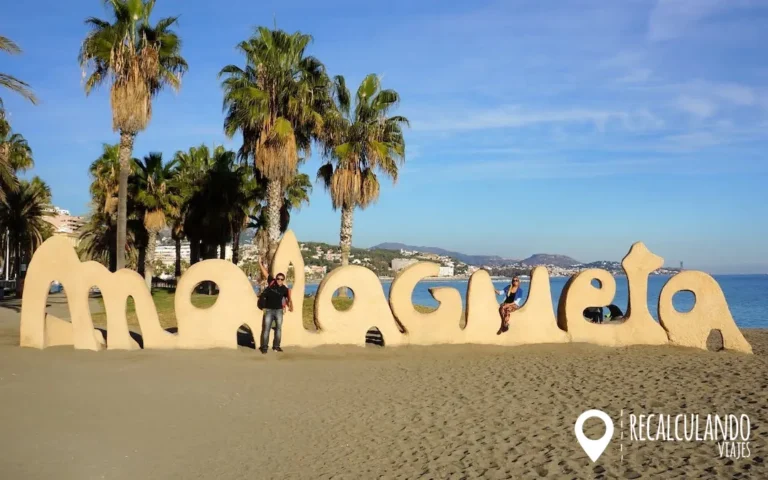
Autumn (September-December): mornings and evenings start to cool down; ideal for Andalusia (we toured Málaga and Vejer in late November with very good weather).
-
Winter (December-March): usually sunny and milder than in the rest of Europe, with snow in the Pyrenees and the Sierra Nevada. And in the Canary Islands, where we live, the climate is stable almost all year: summer in the middle of winter.
Getting around Spain
-
High-speed train: the AVE links the big cities; Madrid-Barcelona takes from 2 h 30, with about 26 departures a day. For cities, it is the most comfortable way.
-
Car: essential for villages and the islands. Our 2022 road trip (Salamanca, Hondarribia, San Sebastián) and the excursions from Santander (San Vicente de la Barquera by bus, Gaztelugatxe by car, about 130 km) worked out that way. In Fuerteventura a car is a must: it is 2 h 30 from north to south, and we tell you where to rent a car in Fuerteventura without surprises.
-
Ferries between islands: from Corralejo (Fuerteventura) to Playa Blanca (Lanzarote) there are up to 12 departures a day: 25 minutes by fast ferry or 35 by the conventional one.
-
Buses and comparison sites: for trips between cities without an AVE we use Omio to compare train and bus.
Estimated budget
For us, Spain is one of the best-value destinations in Western Europe, and it gives a lot back: old towns, beaches, viewpoints and monuments with free opening hours. Some references for what we paid or verified:
- Málaga: about €70-90 per person per day, making use of free admissions and walking routes.
- Cíes Islands: €18.50 for the round-trip boat from Vigo when we went, in 2019 (the Xunta permit is free).
- Gaztelugatxe: free, with online booking on controlled-access days.
- Free tours in the big cities: free, just the tip.
The currency is the euro. Tipping is not obligatory (service is included); if you want to leave something, 5-10% is the norm.
👩⚕️👨⚕️ A must-have for stress-free travel! 🌎✈️ ➜ Get a Quote, Compare & Buy
The Canary Islands: our home
We arrived in Fuerteventura for a few weeks and stayed. We have lived in Corralejo, El Cotillo, Costa Calma and Morro Jable, and toured the island from end to end; from here we hopped on the ferry to Lanzarote and, years earlier, got to know Tenerife and Gran Canaria. They are the islands we recommend most often.
Fuerteventura
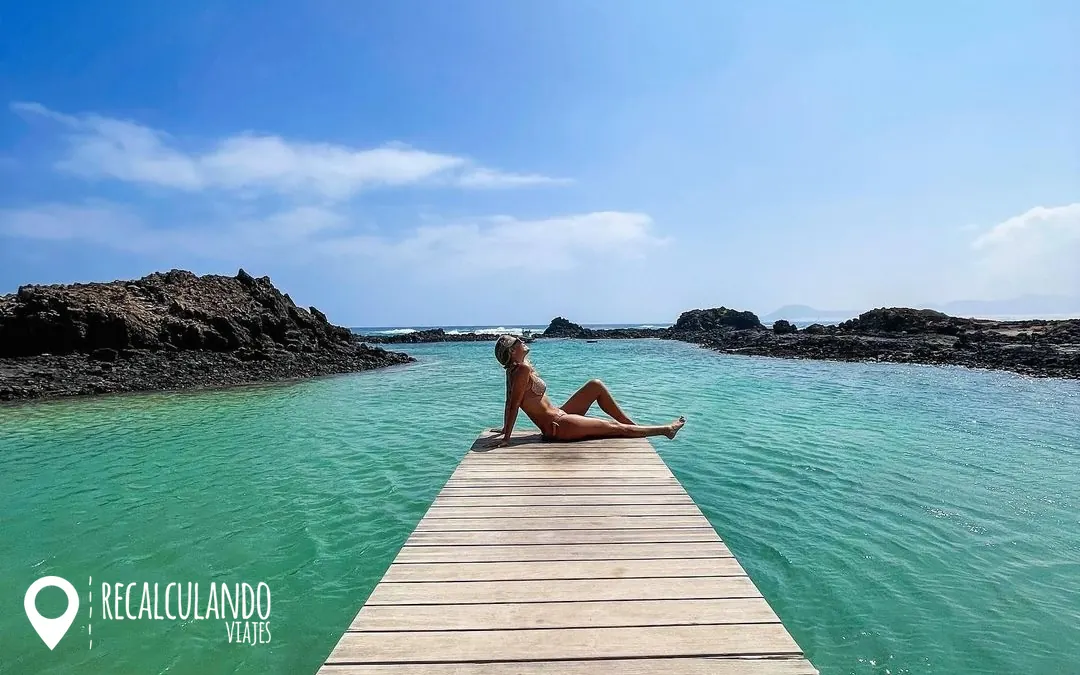
Fuerteventura has been a Biosphere Reserve since 2009: an arid, lunar landscape, turquoise sea and constant wind. The essentials, from north to south: the Corralejo Dunes and the beaches of Corralejo; Lobos Island, with prior authorisation from the Cabildo (time slots from 10 to 14 and from 14 to 18 h); El Cotillo and its sunsets; the Calderón Hondo volcano; the Ajuy caves on the west coast; the Vallebrón and Sotavento viewpoints; and, in the south, Morro Jable and the beaches of Cofete. If you come for the first time, the Fuerteventura in 5 days itinerary is the one we plan for our friends. And don’t miss the island’s markets.
➜ More info: Things to do in Fuerteventura: complete guide from north to south
Lanzarote
A 25-minute ferry ride from Corralejo, Lanzarote has been a Biosphere Reserve since 1993 and is the island of César Manrique: the Mirador del Río (in Spanish), opened in 1973, with the island of La Graciosa right in front, and the Cactus Garden, his last work on the island, with 450 species. Among the beaches, Papagayo (in Spanish), in the Los Ajaches Natural Monument; Famara, more than five kilometres of sand under the cliff; and Caletón Blanco, the natural pool of the north.
Tenerife and Gran Canaria
We got to know them in 2018, in the middle of winter with summer weather. Tenerife has Teide, Spain’s highest peak at 3,715 metres and the most visited national park in the network; Gran Canaria gave us beach weather in February.
➜ More info: Caletón Blanco, a very special beach in Lanzarote


Andalusia: from the Alhambra to the white villages
Granada
Granada (in Spanish) was our first big stop in Andalusia. The Alhambra and the Generalife have been on the World Heritage List since 1984 (extended to the Albaicín in 1994) and are the best example of Nasrid art. In our guide we tell you how to get into several attractions for free.
Málaga and Seville
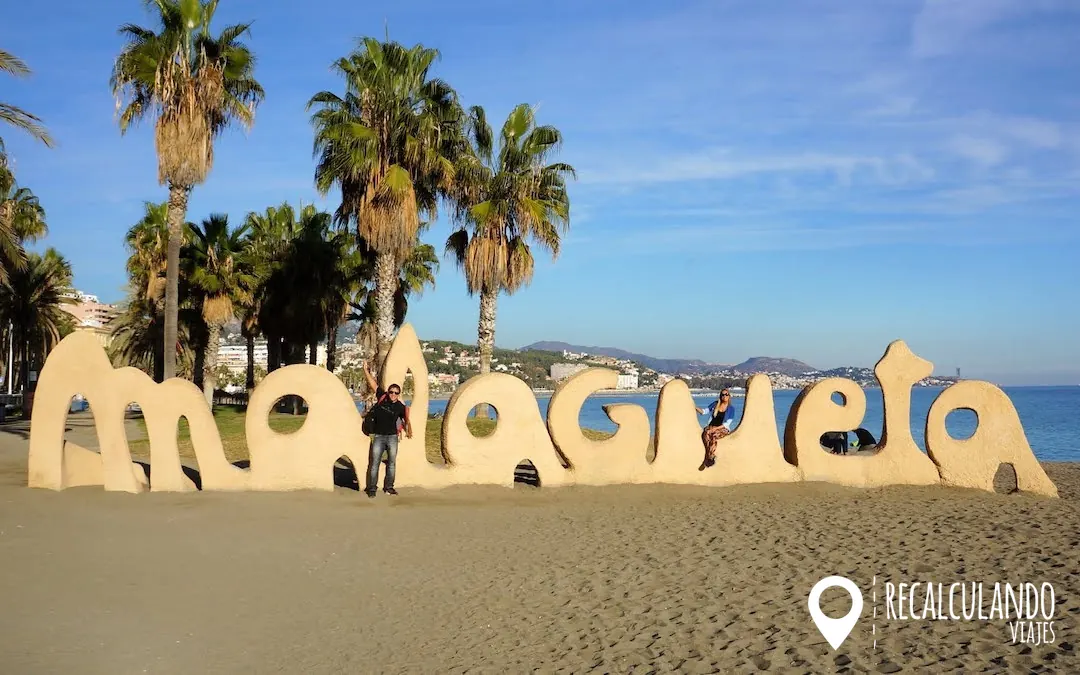
We arrived in Málaga thinking it was “the Costa del Sol airport city” and stayed ten nights: it is Picasso’s birthplace (born on 25 October 1881) and you can see all of it on foot. In December it dresses up in lights: Málaga at Christmas. And Seville at Christmas was one of the best surprises of these years: three weeks of lights, nativity scenes, zambombas and an unforgettable Three Kings parade.
➜ More info: What to visit in Granada and its Arab heritage (in Spanish)

Córdoba, Ronda, Vejer and Priego
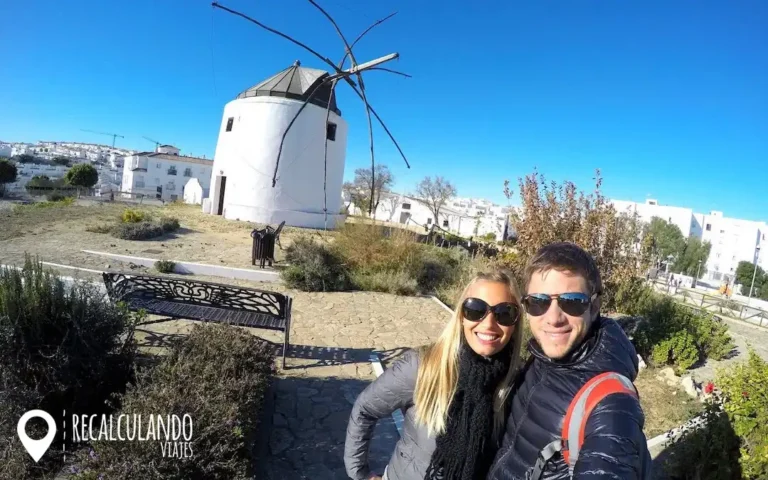
The Mosque-Cathedral of Córdoba (in Spanish), a World Heritage Site since 1984; Ronda (in Spanish) and its Puente Nuevo, built between 1751 and 1793 over a 98-metre gorge (we saw it from above, from below, by day and by night); Vejer de la Frontera, the white village hanging on a hill, a Historic-Artistic Site since 1976; and Priego de Córdoba, the first stop of our road trip.
➜ More info: 20 must-see things to do in Málaga
Catalonia: Barcelona and the Costa Brava
Barcelona
Barcelona has it all: sea, Modernisme and a list of must-sees that we put in order in our guide, with the trick to get into Park Güell for free. The Sagrada Família began construction on 19 March 1882 and Gaudí took over in 1883; its Nativity façade and the crypt have been World Heritage since 2005, and Park Güell since 1984. A lesser-known corner we loved: the Sant Pau Modernista Site.
The Costa Brava
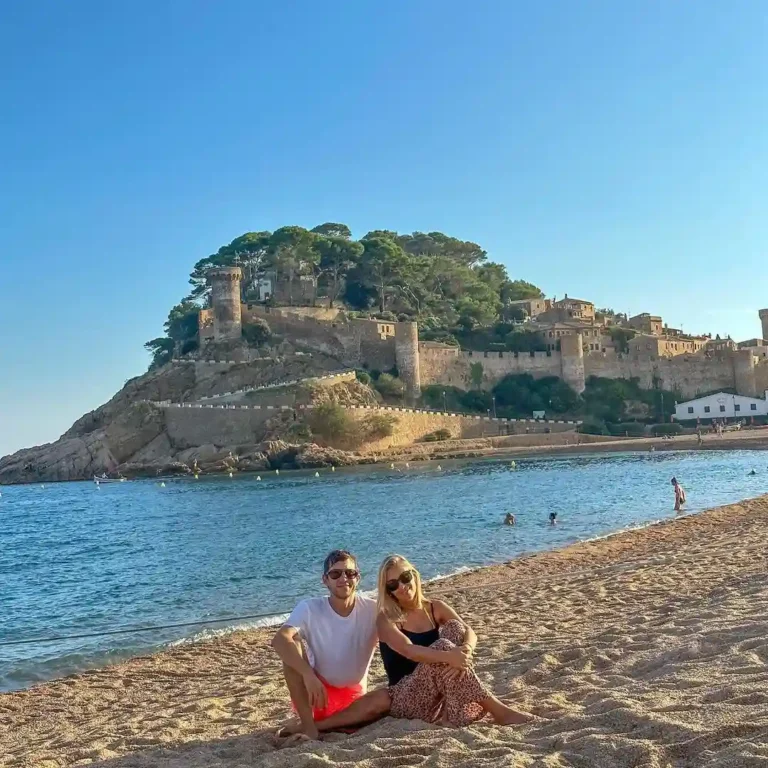
We lived for two months in Portbou (in Spanish), on the border with France, and from there we got to know Cadaqués (in Spanish), the white village where Dalí had his house in Portlligat (his residence from 1930 to 1982, today a museum that requires a reservation). Then came months in Lloret de Mar, with the coastal path between coves, and Tossa de Mar in 2022. The clearest Mediterranean we have seen in Spain.
➜ More info: What to do in Barcelona and 20 must-see places

The north: Galicia, Cantabria and the Basque Country
We spent the summer of 2019 in the green north, based for a month in Santander. Clear-water beaches, medieval villages and the best food in the country.
Galicia
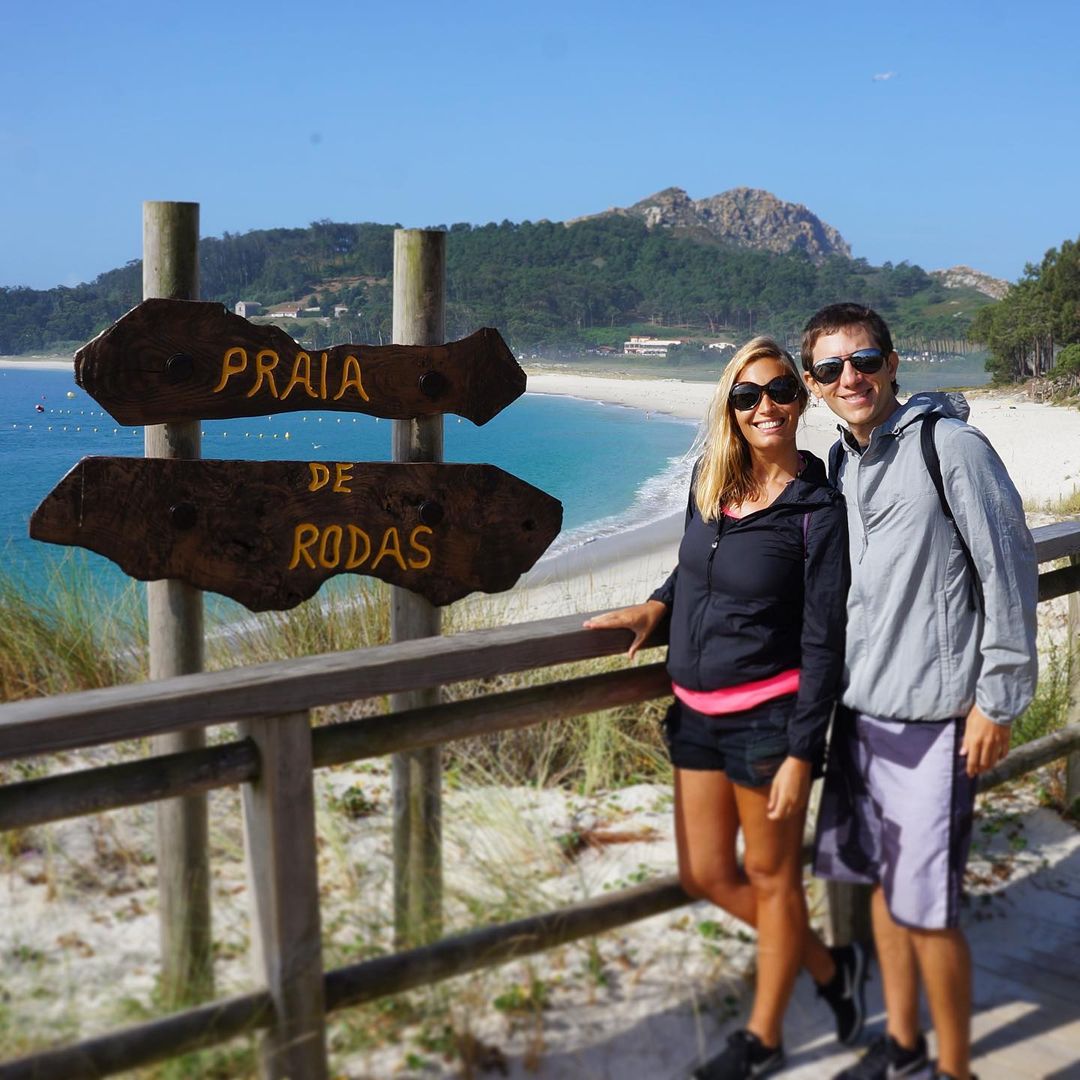
The Cíes Islands (in Spanish) beat everything we expected: they are in the Atlantic Islands National Park, access is limited to 2,200 visitors a day, and you must first request the free Xunta permit (at Easter and from 15 May to 15 September) and then buy the boat from Vigo. In A Coruña, the Monte de San Pedro Park (in Spanish) was our favourite corner, with the Tower of Hercules right in front; in Santiago, the cathedral (World Heritage since 1985) is the end of the Camino; and Lalín (in Spanish) was a chapter of its own.
Cantabria
Santander was our home for a month: clean, green, with beaches for every taste. The Cabo Mayor lighthouse is the place we would choose if we had to pick just one. From there, San Vicente de la Barquera (in Spanish) by bus for a day trip.
The Basque Country
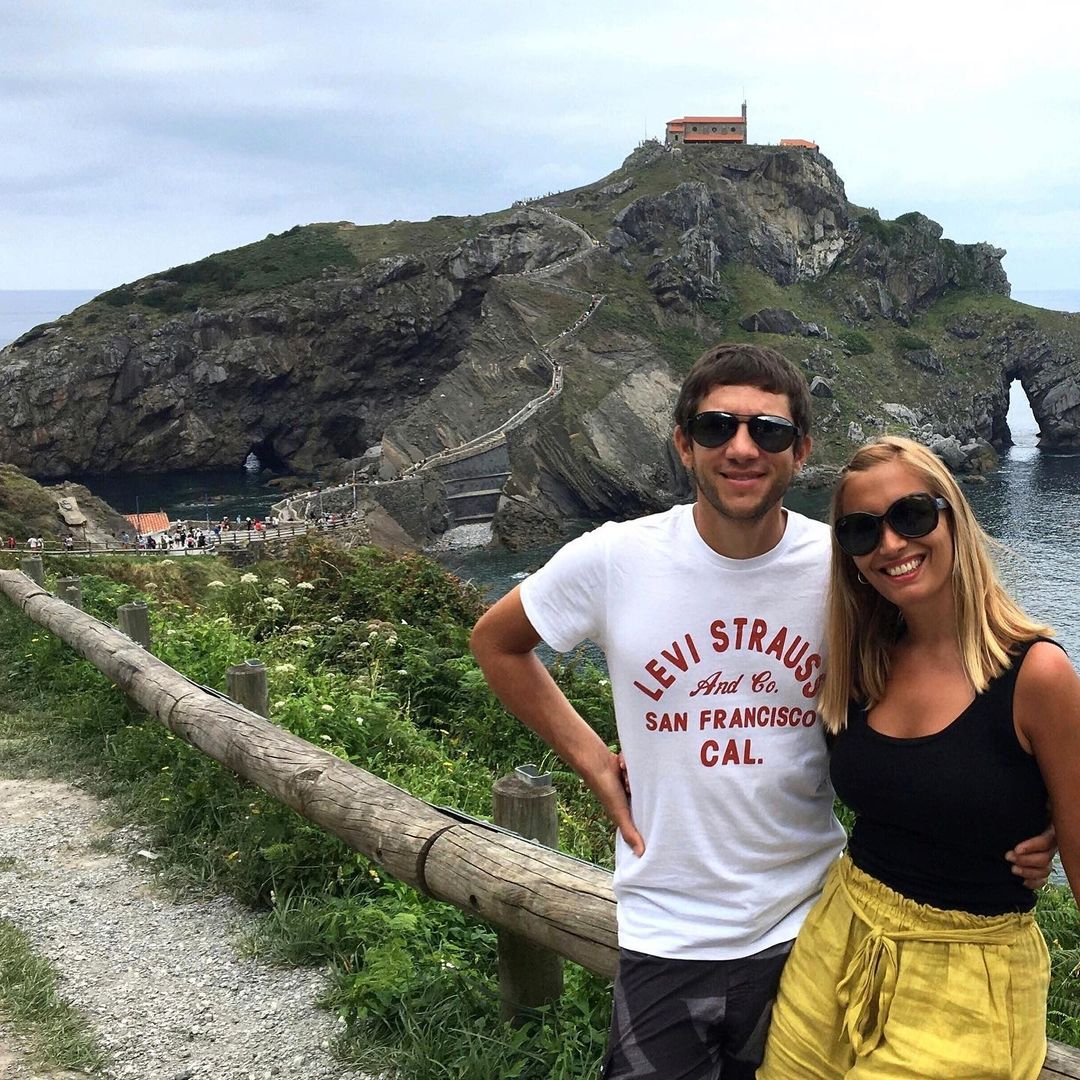
San Juan de Gaztelugatxe (in Spanish) is “Dragonstone” for Game of Thrones fans and a hermitage on an islet for everyone else: 241 steps, free, with online booking on controlled-access days. On the 2022 road trip we added San Sebastián (in Spanish), with La Concha bay, and Hondarribia (in Spanish), the little town by the French border where you eat so well.
➜ More info: Visiting the hermitage of San Juan de Gaztelugatxe (in Spanish)
➜ More info: A day in the Cíes Islands from Vigo (in Spanish)
Castile, Extremadura and Madrid
Salamanca (in Spanish) opened our 2022 road trip: its old town has been World Heritage since 1988 and the view of the cathedral from the Roman bridge is incredible. Cáceres (in Spanish), World Heritage since 1986, was the first thing we saw in Extremadura: a medieval city that, at night, with its lights, has a special charm. And in Madrid, every time we pass through, we go back to Retiro Park (in Spanish): we saw it in spring and in autumn, and each season gives it its own touch.

The Balearic Islands: Formentera
Formentera was the island of the 2023 road trip: white-sand beaches and turquoise water such as Ses Illetes (inside the natural park; car access is paid in season, on foot or by bike it is free) and the Cap de Barbaria lighthouse (in Spanish).
➜ More info: Things to do in Formentera: the best of the island

Food: what to eat in Spain
- Tapas and pintxos: the Spanish omelette is the most popular tapa in the country; in the Basque Country they are called pintxos and come on bread with a toothpick. How well you eat in the north is a reason to travel in itself.
- Paella: originally from Valencia and the most famous dish in Spain.
- Iberian ham, croquettes and fried fish: the bar classics in Andalusia.
- Gazpacho and salmorejo: in summer, a must.

Practical tips for travelling to Spain
Languages
Spanish (Castilian) is official across the country, and in their regions Catalan, Galician, Basque and Valencian are also official. With Spanish you can get by everywhere.
Currency and tipping
The euro (Spain has used it since 1999). Tipping is not obligatory because service is included; if you want to leave something, the norm is 5-10% in bars, restaurants and taxis.
Visas and Schengen
Spain has been a member of the European Union since 1986 and of the Schengen Area since 1995: you enter under the same rules as for the rest of the area.
Plugs
220 V, 50 Hz current with a European plug with round pins.
Travel insurance
Always travel with medical cover. We use IATI Seguros, and with our link you get a 5% discount. We tell you more in which is the best travel insurance for Europe.
Stories, photos, guides, places, tips and advice for travelling to Spain

What to See in Wai-O-Tapu
Introduction to Wai-O-Tapu: the geothermal heart of Rotorua If you're wondering what to see in Wai-O-Tapu, we can tell you right away that this corner of New Zealand's North Island is one of the most striking landscapes we've come across in our eight years traveling...

Travel to Berlin
Travel to Berlin in short: plan 3 days for the essentials (4–5 if you add Potsdam), stay in Mitte or Friedrichshain, budget €90–140 per person per day and get from BER airport to the centre in 30–40 minutes by train with a €5 ABC ticket.We spent three nights in Berlin...

What to See in Kamakura
After almost a month traveling around Japan, this was one of the getaways that surprised us the most. If you're wondering what to see in Kamakura, we're telling you from firsthand experience: we went as a day trip from Tokyo, where we stayed for 9 nights, and we came...

What to See in Hobbiton
Introduction to What to See in Hobbiton: the Untouched Magic of Middle-earth If you are travelling around New Zealand and wondering what to see in Hobbiton, here is a spoiler: it is a place where the magic... is in the air. As a couple who has been travelling the...

What to See in Granada and Its Fascinating Arab Heritage | Map
Are you planning your trip to Granada 🇪🇸 and wondering: 🤔, What to visit in Granada? ¿What to see in this city? What to do in 1, 2 or 3 days? In this post you have all the info, tips and even how to get in for free to several attractions!. Below we give you all the...

Ponta da Piedade
If you are looking for what to see at Ponta da Piedade (in Spanish, “Punta de la Piedad”), we tell you how to get there, what to do on top of the cliffs and down on the water, how much the boat trip to the caves costs and what happened to the stairs to Praia do...

Where to Stay in Morro Jable
Not sure where to stay in Morro Jable? In the south of Fuerteventura the area you choose changes the trip a lot: an apartment in the little streets of the old town, steps from the harbour, is not the same as a resort with several pools facing the beach. In this guide...
Where to Stay in El Cotillo
Not sure where to stay in El Cotillo? It is a small village in the north-west of Fuerteventura, but each area has its advantage: waking up facing Los Lagos Beach is not the same as waking up at the fishing harbour, steps from the bars and restaurants. In this guide we...
Where to Stay in Bratislava
If you are deciding where to stay in Bratislava, you have an advantage: it is a small, very walkable capital and quite a bit cheaper than Vienna or Prague. In this guide we tell you the 4 best areas, 11 hotels rated above 8 on Booking and a map to compare prices. We...
🇪🇸 Stories of Spain, Olé! 🇪🇸


What to see in Spain (Videos)
Fuerteventura
Granada
Formentera
Cádiz
Frequently asked questions about what to see in Spain
How many days do you recommend for travelling to Spain?
One week per region: Andalusia, the Canaries or the north. With two weeks you can combine two regions linked by the AVE or an internal flight. We have been at it for years and keep adding places.
What is the best time to travel to Spain?
Spring and autumn in most of the country; summer for the green north and the beaches; winter for Andalusia, the Christmas lights and the Canary Islands, where the climate is stable almost all year.
Is it expensive to travel around Spain?
It is one of the best-value destinations in Western Europe. Málaga cost us about €70-90 per person per day, and there is a huge amount that is free: beaches, old towns, viewpoints and free tours.
Do you need a car to get around Spain?
Between cities, no: the AVE links them (Madrid-Barcelona from 2 h 30). For villages and the islands, yes: in Fuerteventura it is essential.
What currency is used in Spain?
The euro. Spain has been a member of the European Union since 1986, of the Schengen Area since 1995 and of the eurozone since 1999.
Do you need a permit to visit the Cíes Islands or Gaztelugatxe?
Yes, in season. For the Cíes you must request the free Xunta permit (maximum 2,200 visitors a day) and then buy the boat; for Gaztelugatxe, book online for free on controlled-access days.
Our conclusion on what to see in Spain
Spain gave us a home in Fuerteventura and a list of places that never ends: the Alhambra, Barcelona and the Costa Brava, the Cíes, Gaztelugatxe, Salamanca, Formentera. It is a country to explore in chapters, to come back to and to discover that each region is almost another country.
If you are planning your route, start with things to do in Fuerteventura, continue with Granada (in Spanish) or Barcelona, and come back to this page to connect the dots. We hope this travel guide on what to see in Spain helps you enjoy the country as much as we do.
🔗 Resources & Useful Links for your trip to Spain
ℹ️ **Total Transparency**
This article contains affiliate links. If you book through these links, we may receive a small commission at no additional cost to you. We only recommend services that we use on our trips and that we trust. This helps us keep this blog free and continue creating useful content for you. Thanks for your support!
Do you have questions or want to add your own recommendations on what to see in Spain?
💬 Leave your comment or write to us, we love reading other travelers’ experiences.
Thank you very much for being part of this adventure!— Nanu & Facu 🌎 | Recalculando Viajes 💜