Things to Do in the Canary Islands 🇮🇨: A Traveler’s Guide
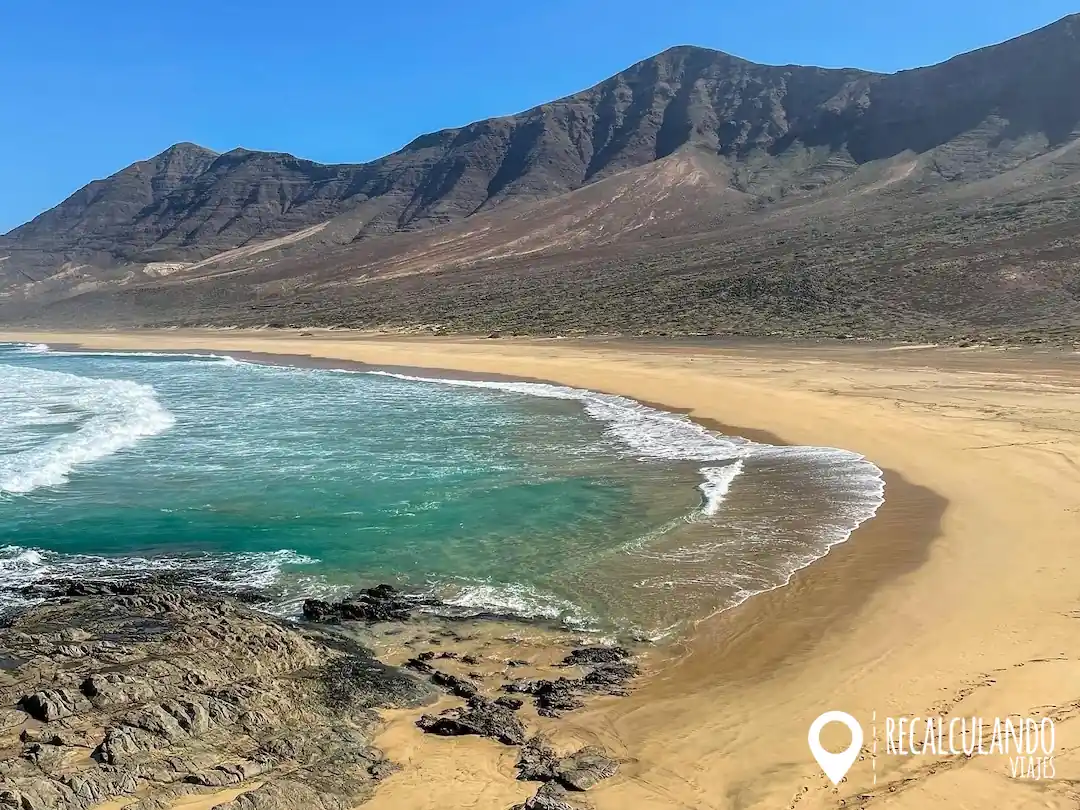
If there is one place that changed our lives, it was the Canary Islands. When we arrived for the first time more than 6 years ago, we didn’t imagine we would end up choosing Fuerteventura as our home. Since then, we have explored every corner of this incredible archipelago, and today we want to share with you this complete guide on things to do in the Canary Islands, ideal for planning your unforgettable trip.
Stories, photos, videos, places, tips, and advice for traveling to the Canary Islands.
– The 7 Canary Islands:
TENERIFE – GRAN CANARIA – FUERTEVENTURA – LANZAROTE | LA GOMERA – LA PALMA – EL HIERRO.
– Four islets: Alegranza, La Graciosa, Montaña Clara, and Lobos;
🌍 Travel Insurance: 5% Off with IATI Seguros! 🌟
Take advantage of this offer and travel safe.
Why travel to the Canary Islands
The Canaries are not just another destination on the map: they are a set of islands where summer seems to have no end. With mild temperatures all year round, golden beaches, volcanoes, trails, and a culture with its own identity, this corner of Spain (although it is located closer to Africa, in the middle of the Atlantic) combines everything a traveler looks for.
In addition, the Canaries offer a familiar cultural bridge: shared language, warmth of the people, and a relaxed pace of life that feels like home, but with landscapes that seem to be from another planet.
Climate and best time to travel
The most magical thing about the archipelago is its subtropical climate. The first time, we arrived in the middle of January, from Porto where we were very bundled up, and we reached Tenerife, where we were walking in shorts and a t-shirt with a light jacket. Incredible!! And not only that, but you can be at the beach enjoying the sun. Each island has its own microclimate: Tenerife is more humid in the north, Fuerteventura has wilder, more arid, and windy beaches, La Palma is greener.
If you are looking to swim and relax, from May to October is ideal. But for hiking or exploring without so much heat, the months between November and April are perfect.
Literally, any time of the year is good to come!
How to get to the Canaries from Europe
Traveling to the Canary Islands from Europe is very easy. The archipelago is extremely well connected with the continent, and that makes arriving part of the enjoyment. There are direct flights from practically all major European cities: Madrid, Barcelona, Paris, London, Berlin, Rome, or Amsterdam, among many others.
The most common airlines are Iberia, Vueling, Ryanair, EasyJet, and Binter Canarias (the latter is ideal for connections between islands). In high season, especially between April and October, flights are usually more frequent and cheaper.
If you are traveling through continental Europe, it is best to look for low-cost flights: there are many offers that connect Tenerife, Gran Canaria, Lanzarote, and Fuerteventura for less than €50.
That said, we recommend booking in advance and flying on weekdays, when fares are usually lower.
Another option is to arrive by ferry from the south of Spain, although it is a long journey (more than 30 hours from Cádiz or Huelva). We recommend booking a cabin to sleep at night. It can be interesting if you are traveling with a car or camper, but for most, the plane is the most practical and economical option.
Once on any of the main islands, moving between them is very simple: there are short flights that last between 20 and 40 minutes, and daily ferries that connect the closest islands, such as Fuerteventura with Lanzarote or Tenerife with La Gomera.
Between islands, the flights are quick (20 to 40 minutes) and local airlines (smaller planes) such as Binter Canarias or Canaryfly work excellent. There are also ferries that connect Fuerteventura with Lanzarote or Tenerife with La Gomera.
Stories, photos, videos, places, tips, and advice for traveling to the Canaries.
Fuerteventura Airport to Corralejo: how to get there
To get from Fuerteventura airport to Corralejo you have four options: bus with a transfer, taxi, private transfer, or rental car. It is about 36 km towards the north of the island, and depending on which one you choose, it will take you from half an hour to over an...

Mirador de Vallebron Viewpoint: Essential Guide for Visiting in 2026 | Fuerteventura
If you are traveling to Fuerteventura and want to escape the noise of crowded beaches to discover a truly wild corner, the Mirador de Vallebron is one of those places that leaves you speechless. We have spent many long seasons living on the island—in Corralejo, El...
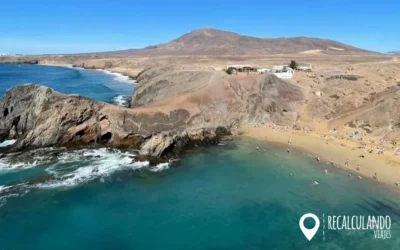
➜ The Best Beaches in Lanzarote: A guide to choosing the best beach for you in 2026
When we first arrived at this Canary island, the first thing that caught our attention was the striking contrast between the volcanic black, charming villages, and the intense blue of the Atlantic. The beaches in Lanzarote are not like the beaches we had seen in the...

Sotavento Beach Jandia in Fuerteventura: 2026 Definitive Guide to Enjoy its Lagoon, Wind, and Endless Sand
After spending several seasons in the south of Fuerteventura, between Costa Calma and Morro Jable, we can say without a doubt that Sotavento beach Jandía is one of the most impressive landscapes in the Canary Islands. We have visited beaches on several continents, but...

15 Villages of Fuerteventura: The most beautiful ones on the Island + map
The villages of Fuerteventura are, for us, the most authentic side of an island that most only know for its beaches. We have been living here for long periods for more than five years—in Corralejo, El Cotillo, Costa Calma, and Morro Jable—and every time we explore a...
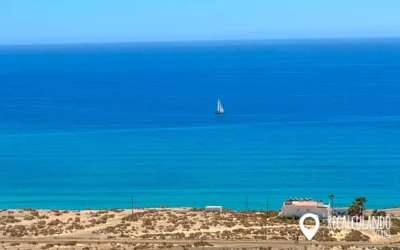
The 20 Best Beaches in Fuerteventura 2026 (Guide + Map)
After living for more than five seasons in Fuerteventura, spending time in Corralejo, El Cotillo, Costa Calma, and Morro Jable, we can say with absolute certainty that the beaches of Fuerteventura are spectacular, which is why we chose them to live during our 8+ years...

Things to do in Fuerteventura 2026: Complete guide from North to South
More than five years ago, we decided to take a turn in our lives: living for a long time in Fuerteventura, one of the most authentic gems of the Canary Islands archipelago. What started as a few weeks' trip ended up becoming a second home. Since then, we have explored...
The 11 Best Excursions in Corralejo | Corralejo Day Trips
If you are looking for the best excursions in Corralejo, & Corralejo day trips you have come to the right place. We have been living for long stretches in the north of Fuerteventura—in Corralejo, El Cotillo, Costa Calma, and Morro Jable—over the last five years,...
Where to Stay in Fuerteventura: Complete Guide with the 7 Best Areas (2026)
If you are looking for where to stay in Fuerteventura, you have come to the right place. We don't say this lightly: we lived on the island for several seasons over the last 5 years. We spent months in Corralejo, in El Cotillo, in Costa Calma, and in Morro Jable. We...

Things to do in Corralejo | North Fuerteventura: 2026 Guide
Why visit Corralejo in Fuerteventura? When we chose to move to the island over four years ago, Corralejo was the place that won us over from day one. This coastal town, in the north of Fuerteventura, combines incredible beaches, a relaxed vibe, and that Canarian...
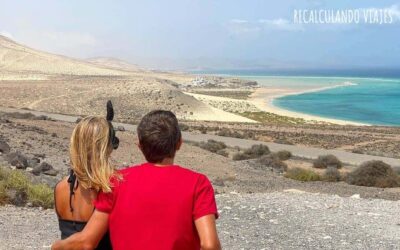
➣ Mirador del Salmo The Incredible Viewpoint | Fuerteventura
Introduction to the Mirador del Salmo - Fuerteventura (also called Mirador del Salmo) The Mirador del Salmo - Fuerteventura, also known as Mirador de la Playa Sotavento, is one of those places that takes your breath away as soon as you arrive. We have lived on the...
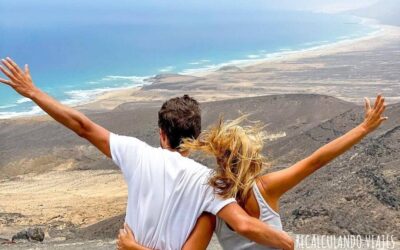
Cofete Viewpoint – Fuerteventura: – Discovering the other breathtaking side of the island
Introduction to the Cofete Viewpoint: The wild jewel of southern Fuerteventura The Cofete Viewpoint / Mirador de Cofete - Fuerteventura is, without exaggeration, one of those places that leaves you speechless even if you already live on the island, and we say this as...



General info about the Canary Islands: seven islands, seven worlds
Each island has its own personality. We are not exaggerating when we say it is like visiting seven different countries within one.
Things to do in Tenerife: the most complete island
Tenerife has it all: the Teide, black sand beaches, colorful villages, and an intense cultural life. Santa Cruz and La Laguna are cities that combine history and modern life. Don’t miss the Teide National Park, a World Heritage Site, nor the villages of Garachico and Masca. We lived for a while in Puerto de la Cruz, a place we really liked.
Things to do in Gran Canaria: diversity in miniature
In a few hours, you can go from the desert of Maspalomas to the green of the north. Gran Canaria summarizes the essence of the archipelago: nature, history, and flavor. We lived for a few days in the capital.
Things to do in Lanzarote: art, fire, and volcanic life
Lanzarote has an energy that you feel as soon as you step on the island. Its volcanic landscapes seem to have come out of another planet: the Timanfaya National Park is, without a doubt, one of the most impressive places we have seen in the entire archipelago. Seeing those mountains of fire, with their red and black tones, is like walking on Mars.
The legacy of the artist César Manrique is present in every corner: in the architecture integrated with nature, in the respect for the environment, and in that simple beauty that makes everything on the island feel in harmony.
For us, Lanzarote has some of the most picturesque villages in the Canaries. Teguise, Yaiza, or Haría are pure postcards, with their white houses, cobblestone streets, and that quiet air that invites you to stay a little longer.
We lived in different areas of the island: some time in Arrecife, the capital; some time in Puerto del Carmen, enjoying the coastal atmosphere; and, the most curious, a stage in Charco del Palo, a small, completely nudist and very peculiar town. It was a different, authentic, and very Canarian experience that showed us another side of this unique island.
👩⚕️👨⚕️ A must-have for stress-free travel! 🌎✈️ ➜ Get a Quote, Compare & Buy
Things to do in Fuerteventura: endless beaches and surfer soul
Our dear island ❤️. Fuerteventura stole our hearts from the first day, and today we can say that living here was one of the best decisions of our lives. For us, it is the island that has the best, widest, quietest, and wildest beaches. It is the wildest in the archipelago, with kilometers of virgin beaches, a constant wind, and a feeling of freedom that is not explained, it is felt.
From the Dunes of Corralejo, which look like a small Sahara facing the Atlantic, to Cofete, one of the most impressive beaches in Europe, every corner invites you to disconnect. If you like surfing, kitesurfing, or simply walking along the shore with the wind in your face, this is your place.
It also has villages with a lot of local life like Corralejo, Betancuria, El Cotillo, or Lajares, where the Canarian community mixes with travelers from all over the world. The best thing is to move by car, improvise, and let yourself go: a hidden cove or a viewpoint that leaves you speechless always appears.
Things to Do in Cotillo: 2026 Guide, Beaches, Surf, and Sunsets (Local Guide + Map)
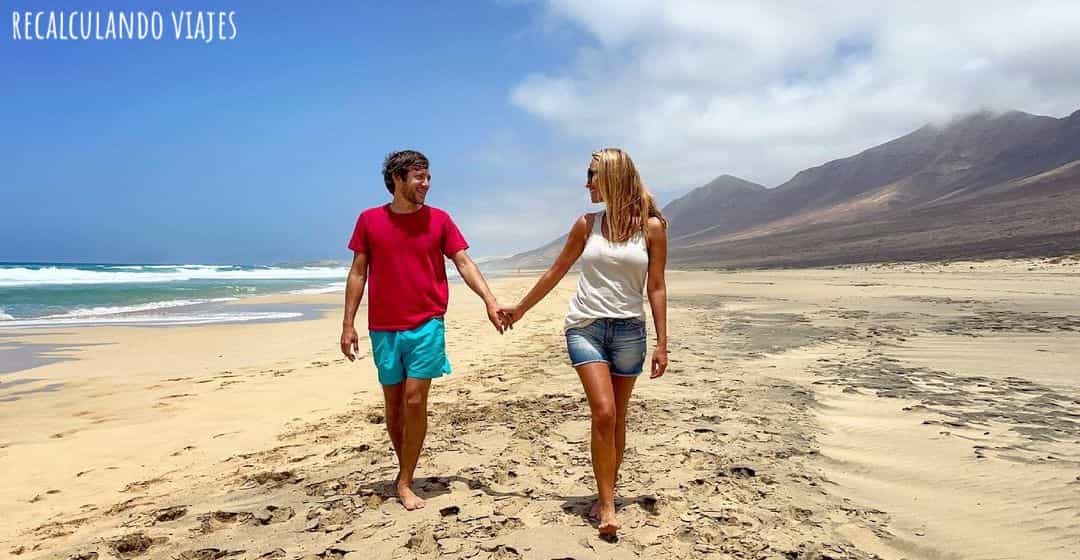
Things to do in the Canary Islands: essential experiences
Beyond each island, there are experiences that make this trip truly unforgettable. If you are wondering things to do in the Canary Islands, these are the experiences that, for us, define the essence of the archipelago.
Go up the Teide and see the sunrise over the clouds
If there is one magical experience in the Canaries, it is seeing the sunrise from the Pico del Teide, the highest point in Spain. The views are mind-blowing, and when the sun peeks between the clouds, you understand why so many people describe it as a spiritual experience. It is important to get the permit in advance, as access to the crater is regulated.
Explore dunes and golden sand beaches
Canaries is synonymous with beaches. The Dunes of Maspalomas in Gran Canaria, Sotavento in Fuerteventura, or Famara in Lanzarote are places where time stands still. If you like tranquility, look for the most hidden coves; if you prefer movement, there are areas with beach bars, surf, and life all day.
Hiking routes and volcanic landscapes
The contrast of landscapes is impressive. You can walk between volcanoes in Lanzarote, climb mountains in Tenerife, or travel through ravines in Gran Canaria. Many trails are well marked and are free. We recommend wearing comfortable footwear, water, and, above all, time to enjoy it calmly.
Canarian flavors: gastronomy with identity
Food is another of the great pleasures of the trip. Try the papas arrugadas with mojo picón, the majorero cheeses, the gofio (typical toasted flour), and the volcanic wines, especially those from Lanzarote.
Festivities and local traditions
Each island has its calendar of festivities, but the Carnivals of Santa Cruz de Tenerife are the most famous, full of color and joy. There are also pilgrimages, agricultural fairs, and patron saint celebrations that make you feel part of the community. In the Canaries, everything is celebrated with music, food, and dancing, and that is contagious immediately.
Practical tips to organize your trip
After several years of traveling (and living) between islands, these are some tips we always repeat to those who plan to come:
Where to stay according to each island
In Tenerife or Gran Canaria there is a huge offer: from luxury hotels to budget apartments. In Lanzarote and Fuerteventura, tourist apartments and villas predominate, ideal for those seeking more independence.
If you come in high season (July-August or Christmas), it is advisable to book in advance. For longer stays, many travelers opt for monthly rentals, especially in areas like Corralejo, Lajares, or Playa Blanca.
Estimated travel budget
Compared to other parts of Europe, the Canaries have an excellent value for money. A meal at a local restaurant costs around €12-15, and comfortable accommodation costs between €45 and €80 per night (although these prices are rising year after year).
Car rental starts from €25 per day, and fuel is cheaper than on the peninsula. In general, with an average budget of €60-70 per person per day, you can travel very well.
Car rental and public transport
For us, renting a car is essential. Distances are short, the roads are in good condition, and there are many viewpoints that do not have access by public transport. Local companies (we always use and recommend CICAR) usually have more competitive prices, simpler processes, and no hidden costs compared to international ones.
If you prefer to move around without a car, the guaguas (buses) connect the main cities, although in rural areas schedules can be limited.
Traveling to Europe requires valid travel insurance. With IATI Seguros, Recalculando Viajes readers get an exclusive 5% discount. Don’t travel without coverage!

Suggested itineraries by duration
We know that time is key, so we put together some ideas for routes depending on how many days you have:
7 days in the Canaries: getaway between Tenerife and Fuerteventura
You can combine nature and beach. Fly to Tenerife to explore the Teide and some northern towns, and then take a short flight to Fuerteventura to enjoy the sea and rest.
10 days: between volcanoes, beaches, and charming towns
Start in Lanzarote, exploring Timanfaya and the Jameos del Agua, then cross to Fuerteventura by ferry and end the trip between dunes, waves, and endless sunsets.
15 days or more: the complete tour between favorite islands
If you have more time, add Gran Canaria to get a more complete overview of the archipelago. This itinerary combines culture, mountain, gastronomy, and relaxation by the sea.
Frequently asked questions about things to do in the Canary Islands: Travel guide
What is the best time to visit the Canary Islands?
All year round is a good time. The climate is mild even in winter, although if you are looking for beach and sun, the months between May and October are ideal.
Can you travel around without a car?
Yes, although we recommend renting one to have more freedom. The larger islands have public transport, but schedules can be limited and they don’t reach all the beaches (or because of the schedules you can only visit one/two places per day).
How many islands is it worth visiting in a single trip?
It depends on the time available. With one week, choose one or two; with 10 days, three maximum. Each island has a lot to see, so it’s better to enjoy it calmly.
Is it expensive to travel to the Canary Islands?
In general, no. It is a European destination with affordable prices. It can be easily adapted to different budgets.
Conclusion: why the Canaries steal your heart (and perhaps make you stay)
Traveling to the Canary Islands is not just knowing a new destination: it is letting yourself be enveloped by a different energy. We came for a few months… and we have already been living in Fuerteventura for more than four years.
The islands have that perfect balance between nature, culture, and quality of life. They catch you with their climate, their people, and their slow pace. And, if the same happens to you as it did to us, you might end up recalculating your trip and staying a little longer than planned.
🌴 Ready to discover them? Keep exploring our articles/guides about the Canaries and other destinations on Recalculando Viajes. Each shared experience is an invitation to live the world your way.
ℹ️ **Total Transparency**
This article contains affiliate links. If you book through these links, we may receive a small commission at no additional cost to you. We only recommend services that we use on our trips and that we trust. This helps us keep this blog free and continue creating useful content for you. Thanks for your support!
🔗 Resources & Useful Links for your trip to Canary Islands
Do you have any questions or do you want to add your own recommendations on things to do in the Canaries?
💬 Leave your comment or write to us, we love reading about the experiences of other travelers.
Thank you very much for being part of this adventure!— Nanu & Facu 🌎 | Recalculando Viajes 💜