If you are looking for things to do in Málaga, we share our experience: we stayed for ten nights at the end of November and explored the entire city on foot, without rushing. Here you will find the 20 must-see places, 1, 2, and 3-day itineraries, a map with everything marked, where to sleep, and the excursions we took throughout the province.
We’ll tell you right away: we arrived thinking Málaga was just “the city for the Costa del Sol airport” and we left wanting to come back. We loved it!
🌍 Travel Insurance: 5% Off with IATI Seguros! 🌟
Take advantage of this offer and travel safe.
Things to do in Málaga Summary
| Category | Key Details |
|---|---|
| Best time | Spring (April-June) and Autumn (September-November). Mild winter. |
| Ideal duration | 2 days for the city; 3-4 days if including excursions (Nerja, Frigiliana, Mijas). |
| Budget | €70-90/day (taking advantage of free activities and walking tours). |
| Must-sees | The Alcazaba, Roman Theatre, Gibralfaro Castle, Cathedral, and Calle Larios. |
| Transport | City is 100% walkable. Urban buses for peripheral areas (Botanical Garden, Pedregalejo). |
| Gastronomy | Espetos (sardine skewers), anchovies, porra antequerana, eggplant with cane honey, and local sweet wine. |
| Savings tips | Take advantage of Sunday afternoons (free museums) and use the free elevator to the Alcazaba. |
| Top excursions | Nerja/Frigiliana, Colomares Castle, and Caminito del Rey. |
1. The Alcazaba, the number one must-see in Málaga
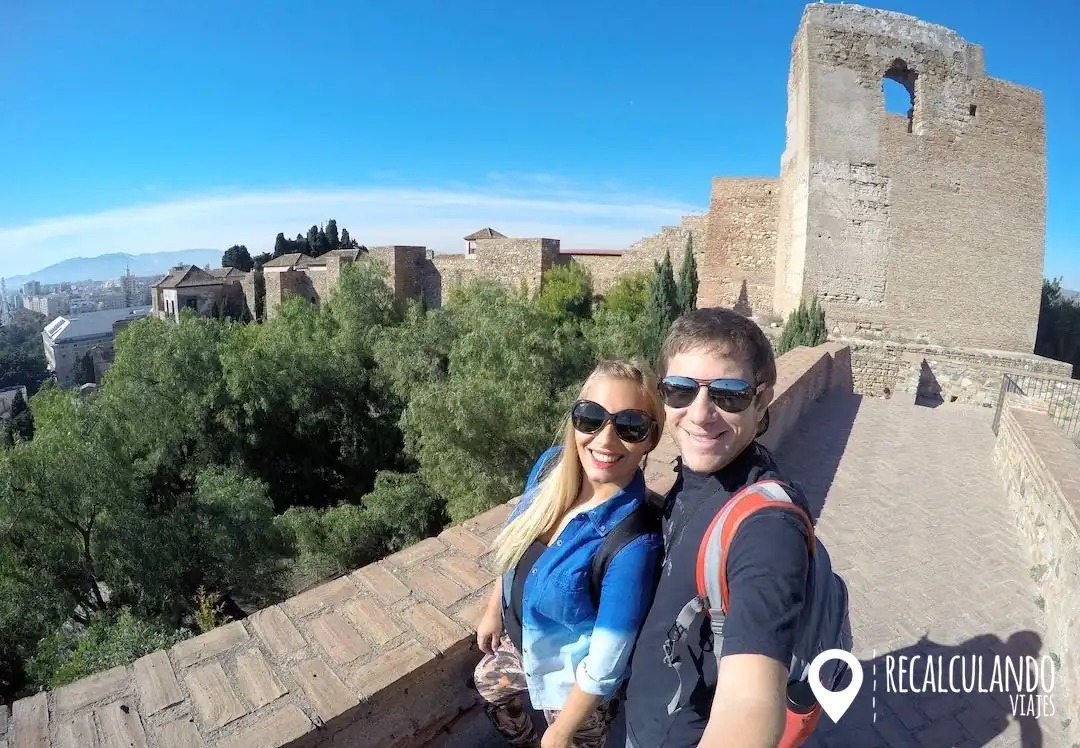
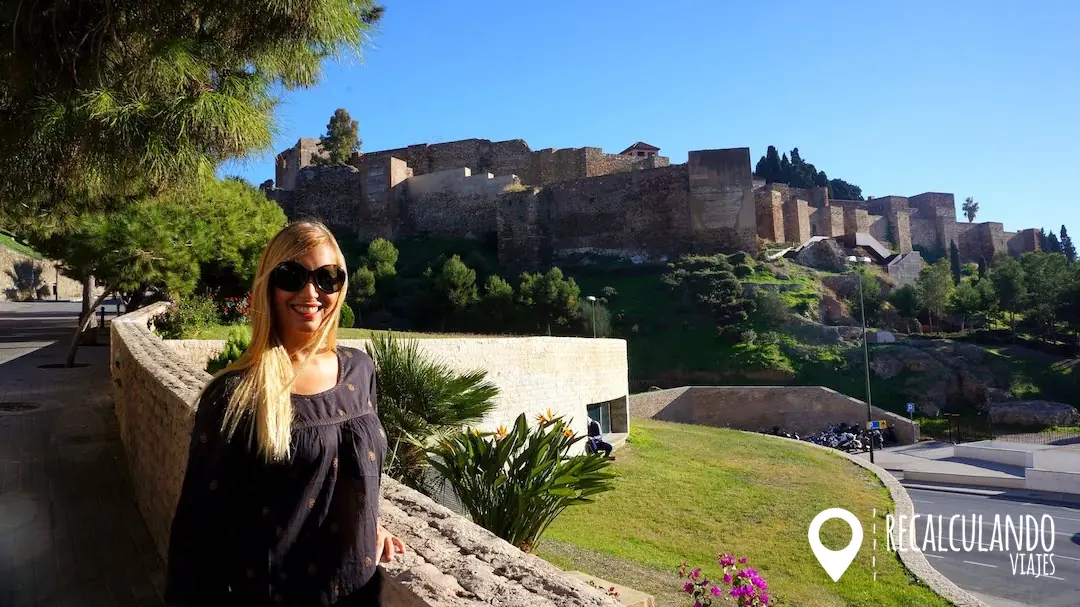
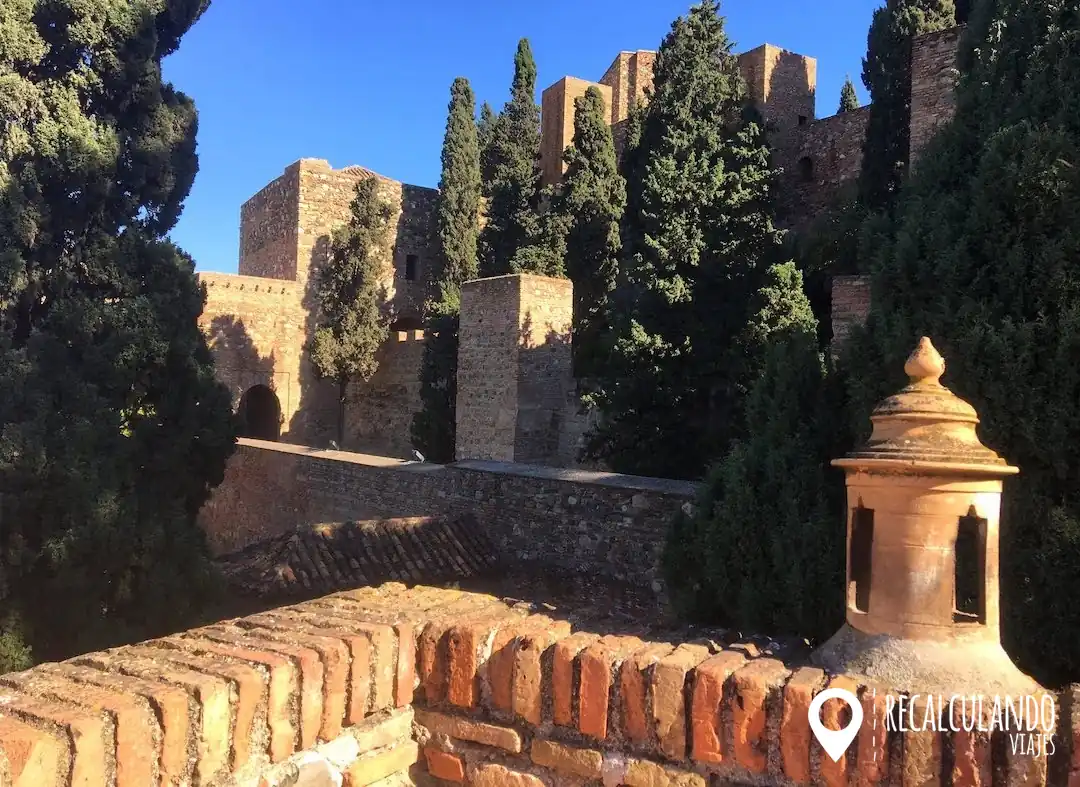
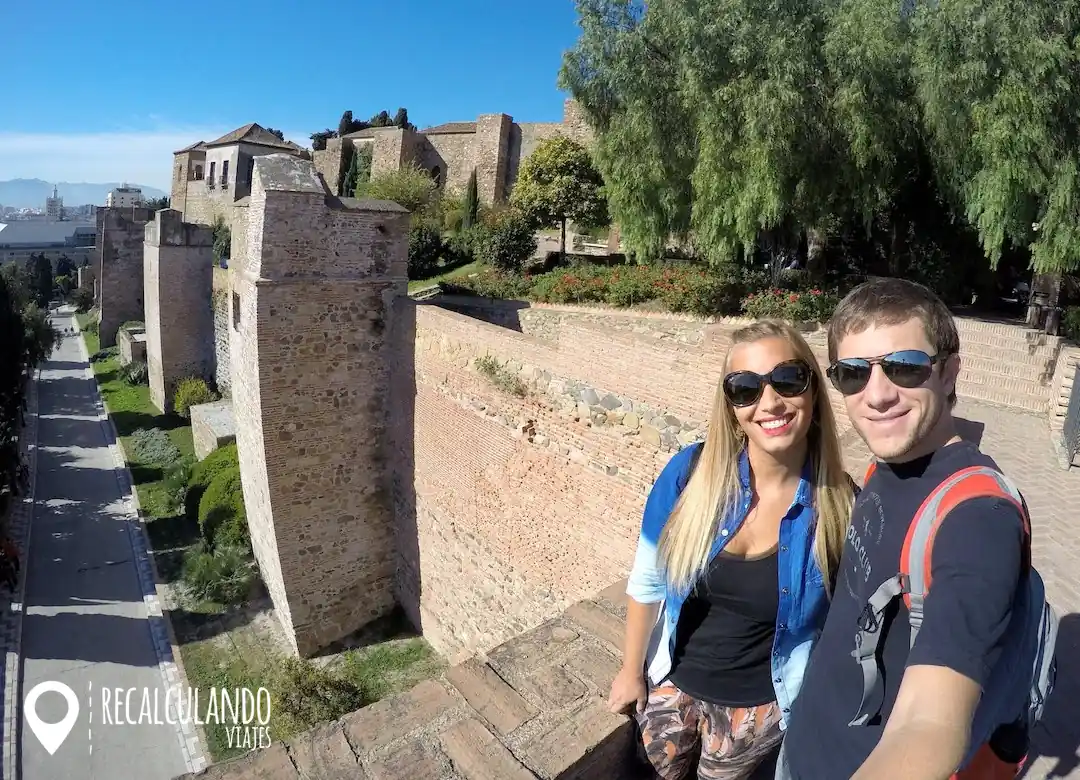
Let’s start with the most impressive. The Alcazaba is an 11th-century fortress-palace built on the slopes of Mount Gibralfaro and is, without a doubt, the monument we liked the most in the city.
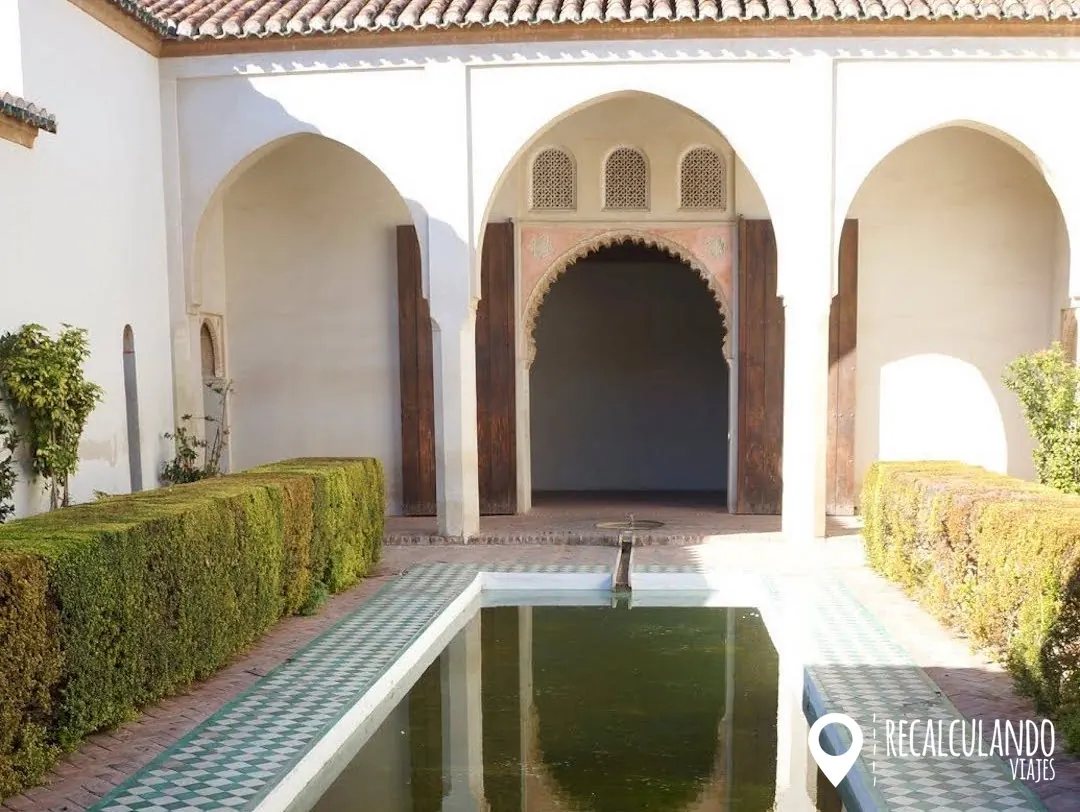
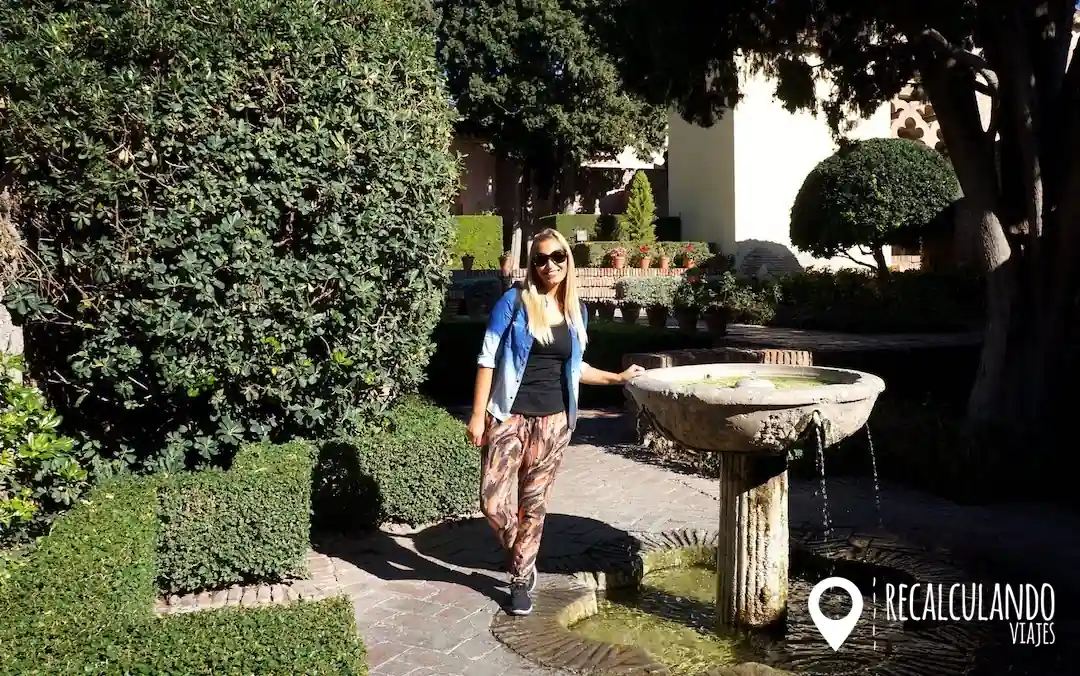
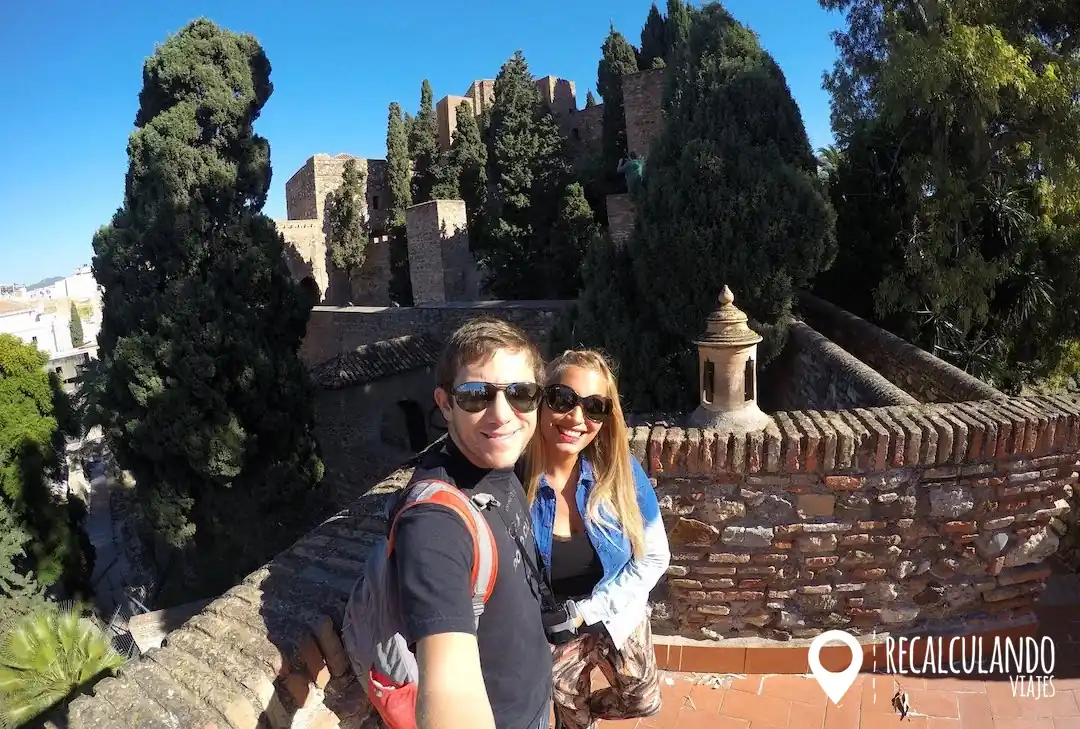
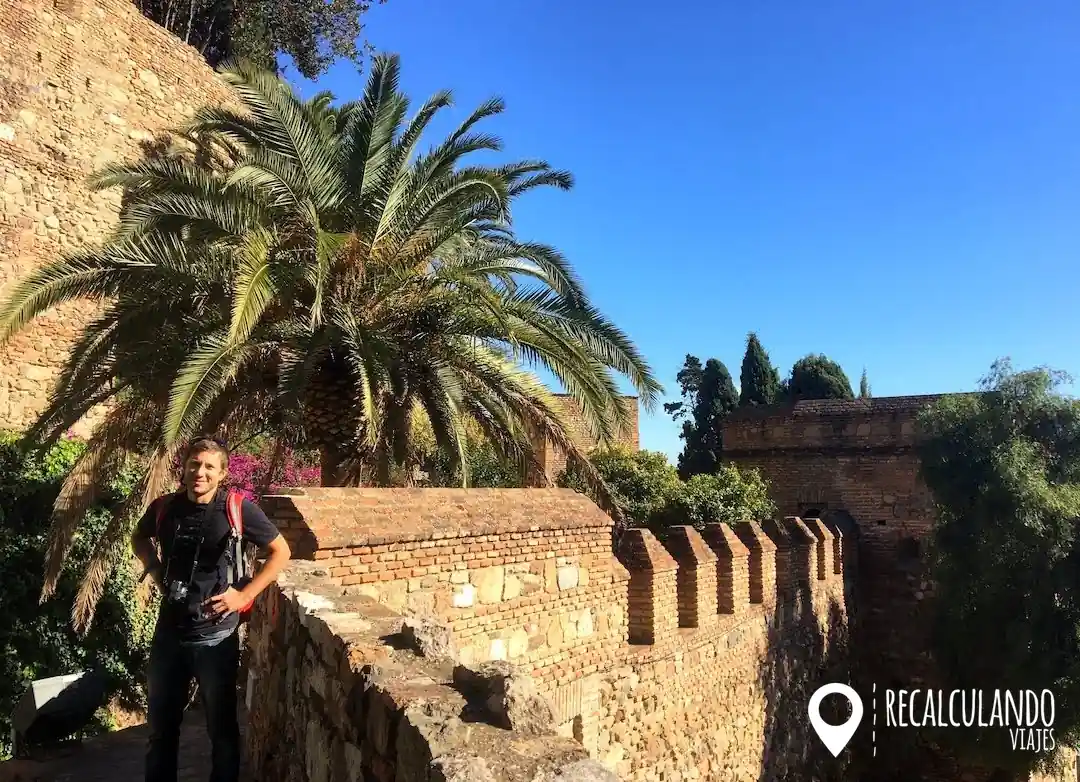
What surprised us most weren’t the walls (which are huge) but the interior courtyards: fountains, horseshoe arches, flower pots, and that rare silence while being right in the center. You explore it while going uphill, with viewpoints opening up over the port.
TIP we wish we had known: there is a free elevator on Calle Guillén Sotelo, behind the City Hall, that takes you to the very top. That way, you do the visit going downhill and end up right at the Roman Theatre. We hiked up… and arrived sweating, hehehe.
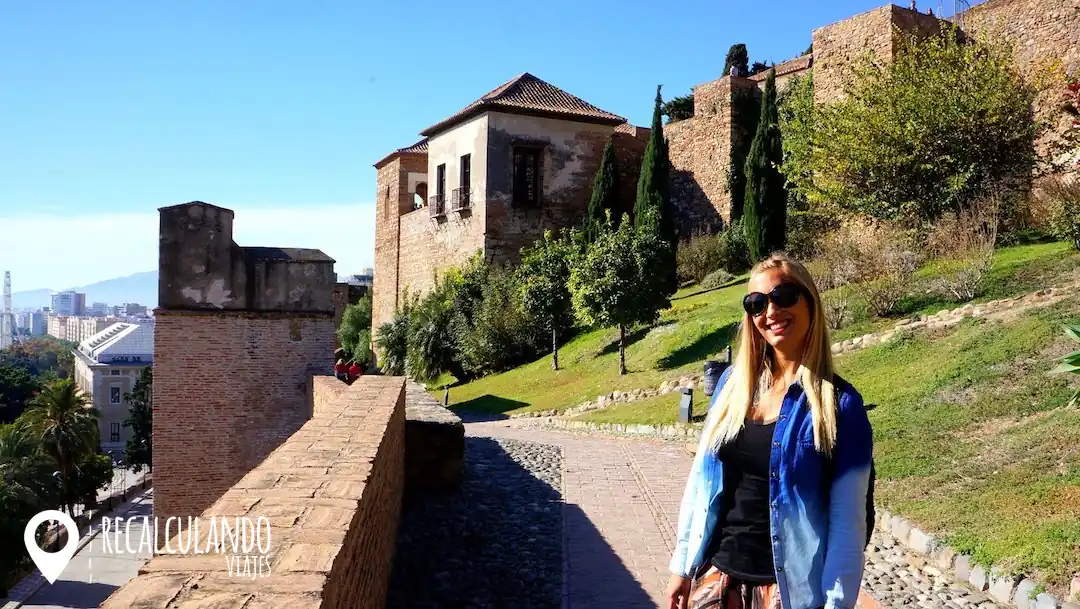
General admission is €7, and the combined ticket with Gibralfaro Castle is €10. It is open every day from 9:00 AM to 8:00 PM from April to October, and from 9:00 AM to 6:00 PM from November to March. On Sundays from 2:00 PM onwards, admission is free, so if you have flexibility, take advantage.
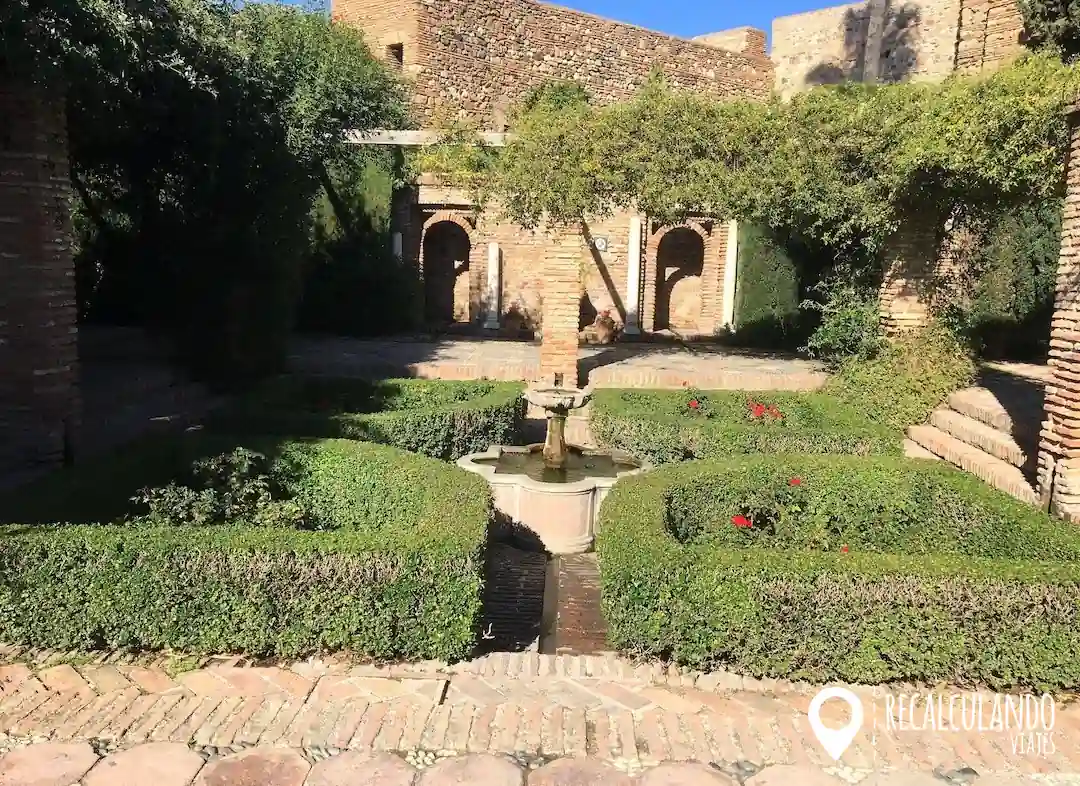
2. The Roman Theatre, free history at the foot of the Alcazaba
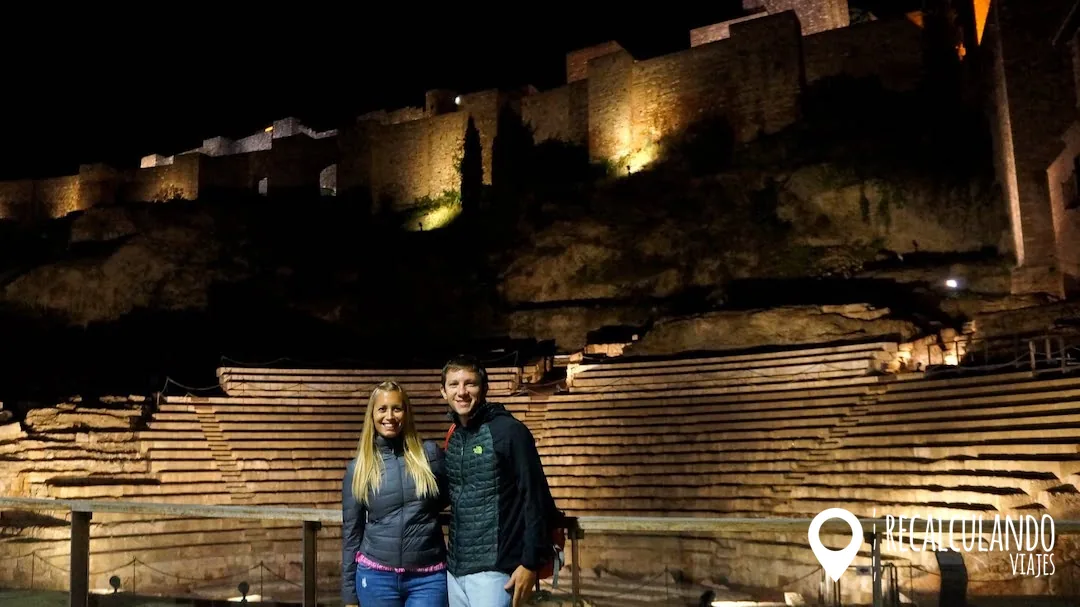
Right below the Alcazaba is the 1st century BC Roman Theatre, and it is one of the things to do in Málaga that won’t cost you a euro. It was covered for centuries and only appeared in 1951, when work was being done on the House of Culture.
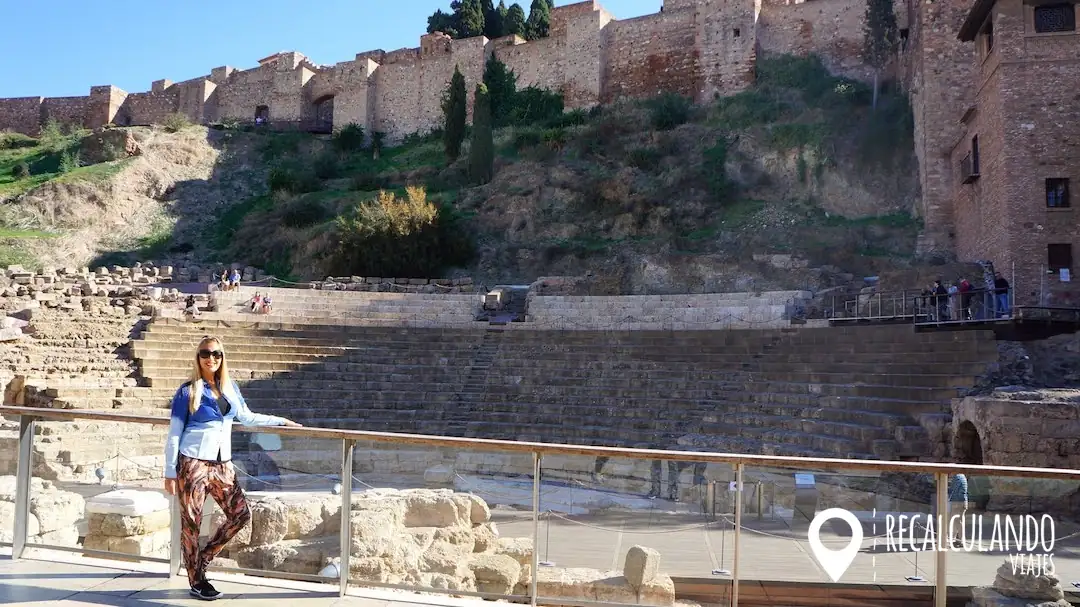
The postcard view is unbeatable: the Roman bleachers below, the Arab wall above, and the blue sky in the background. We passed by there several times, day and night, and at night with the lighting, it is beautiful.
Admission is free, and there is an interpretation center on the side. It closes on Mondays, so keep that in mind if you are planning your itinerary.
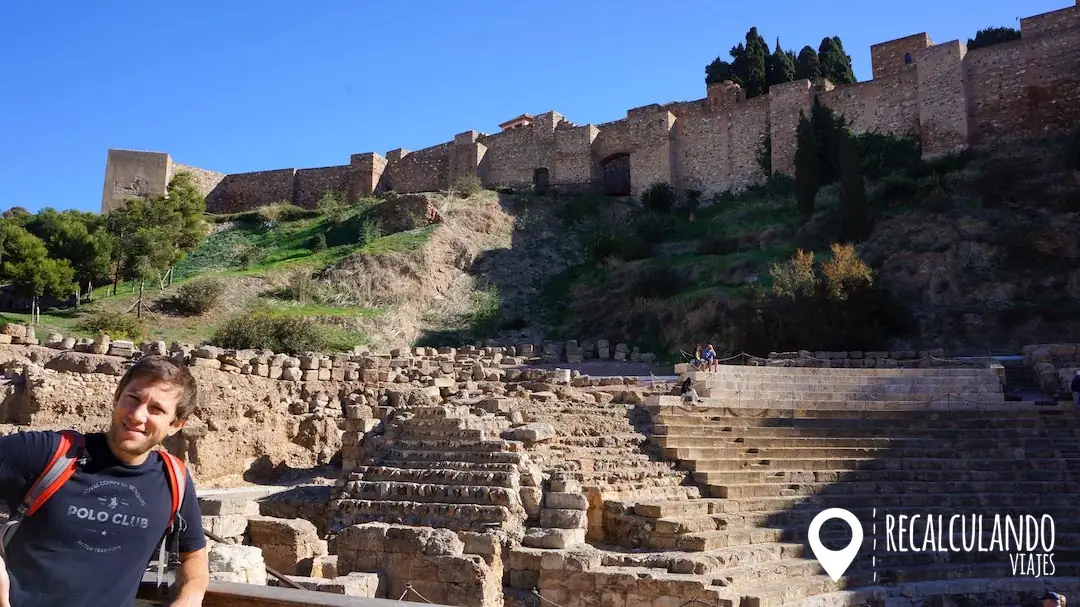
3. Gibralfaro Castle and its viewpoint: the best sunset
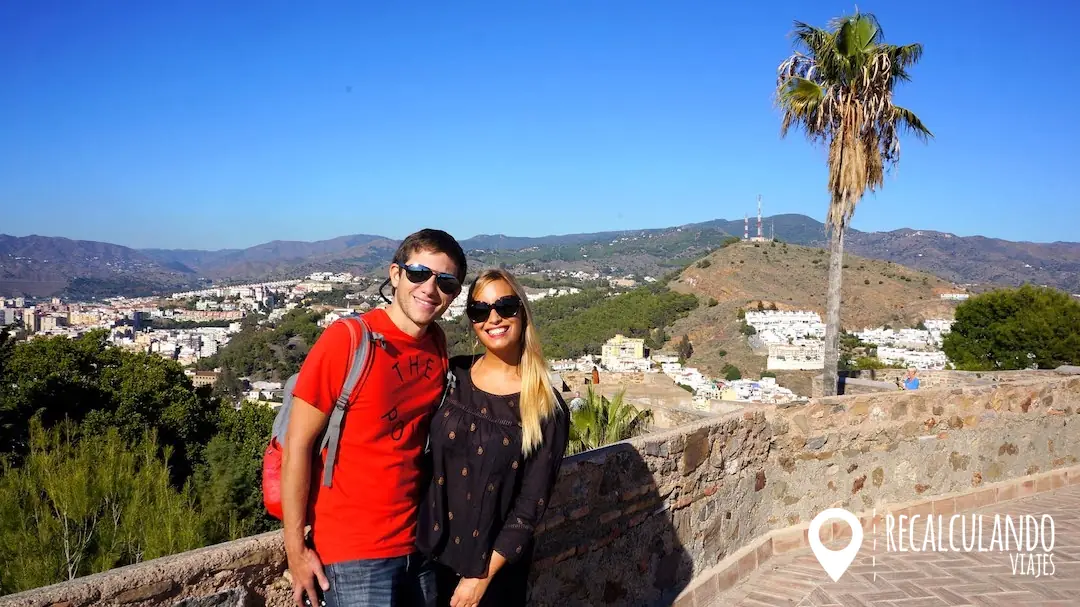
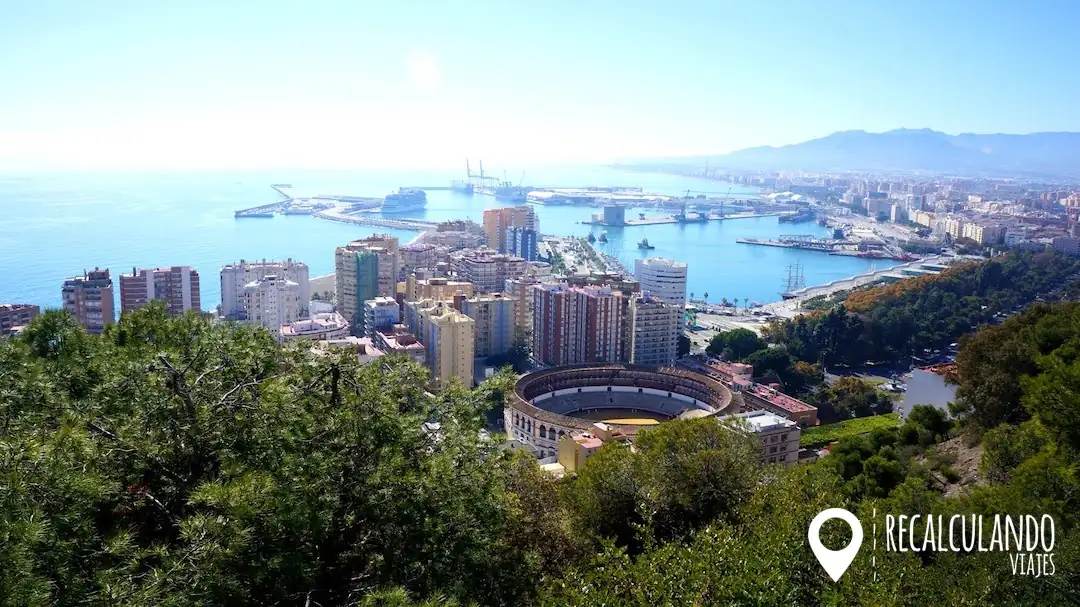
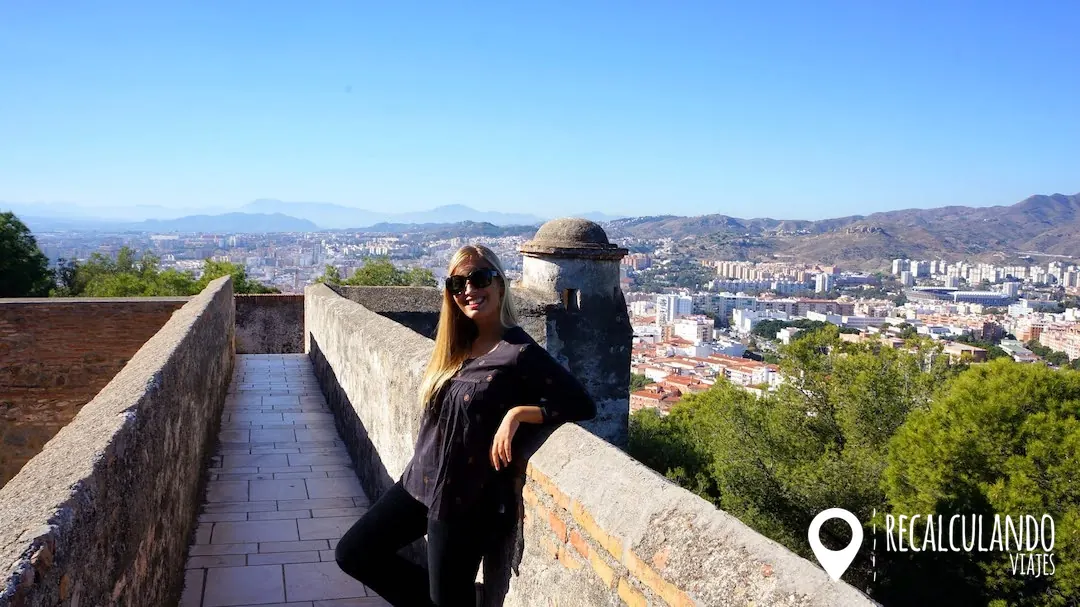
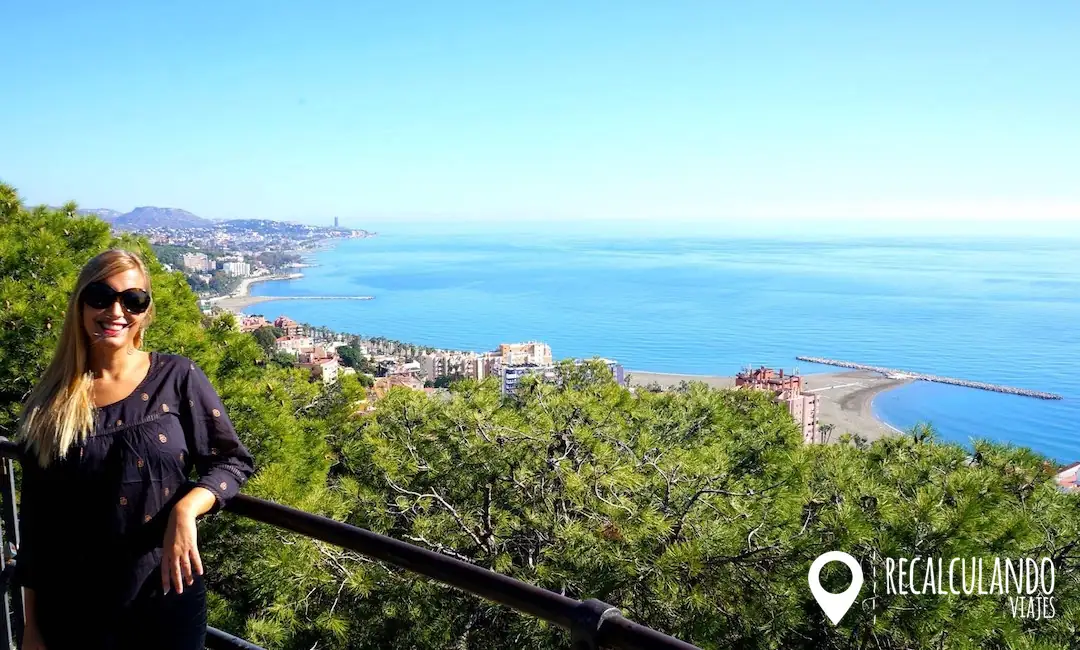
If there is one place in Málaga that we loved, this was it. Gibralfaro Castle crowns the mount of the same name, and from its walls, you can see the WHOLE city: the cathedral, the La Malagueta bullring, the port, and the sea in the background.
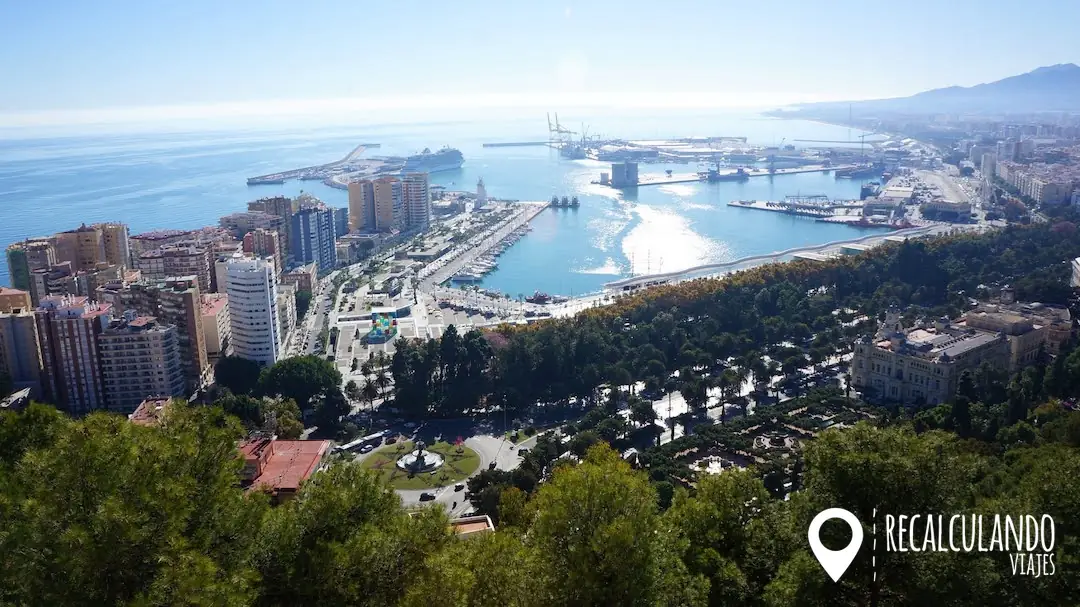
TIP: do it at sunset. Ideally about an hour before the sun sets, and you can stay at the Gibralfaro Viewpoint (which is free and located a few meters before the castle).
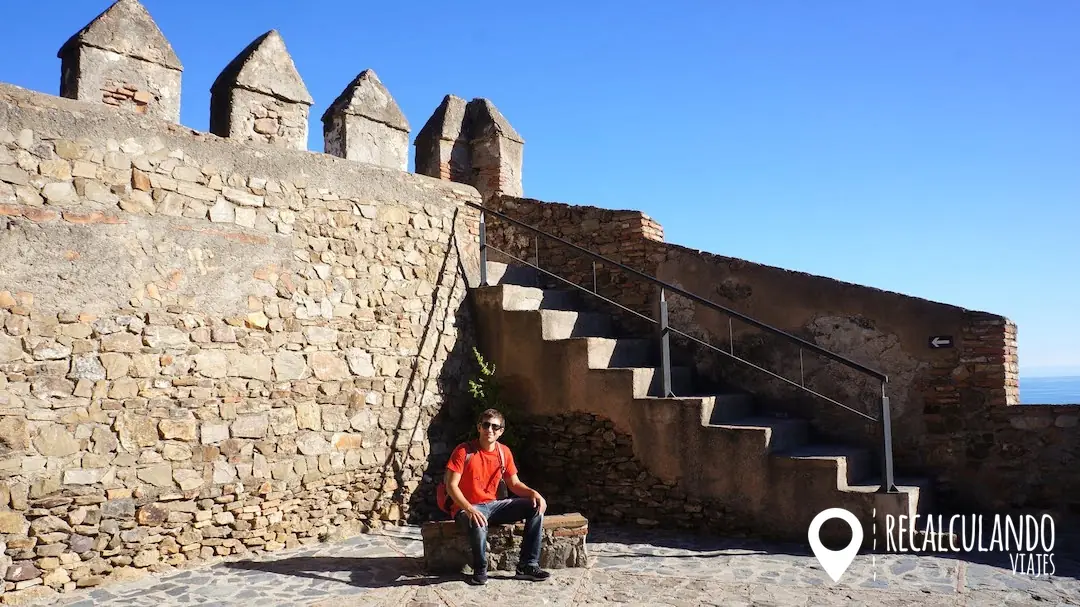
Admission to the castle is €7, or €10 for the combined ticket with the Alcazaba. The outside viewpoint is free, so if you are on a tight budget, that alone is enough to get the views.
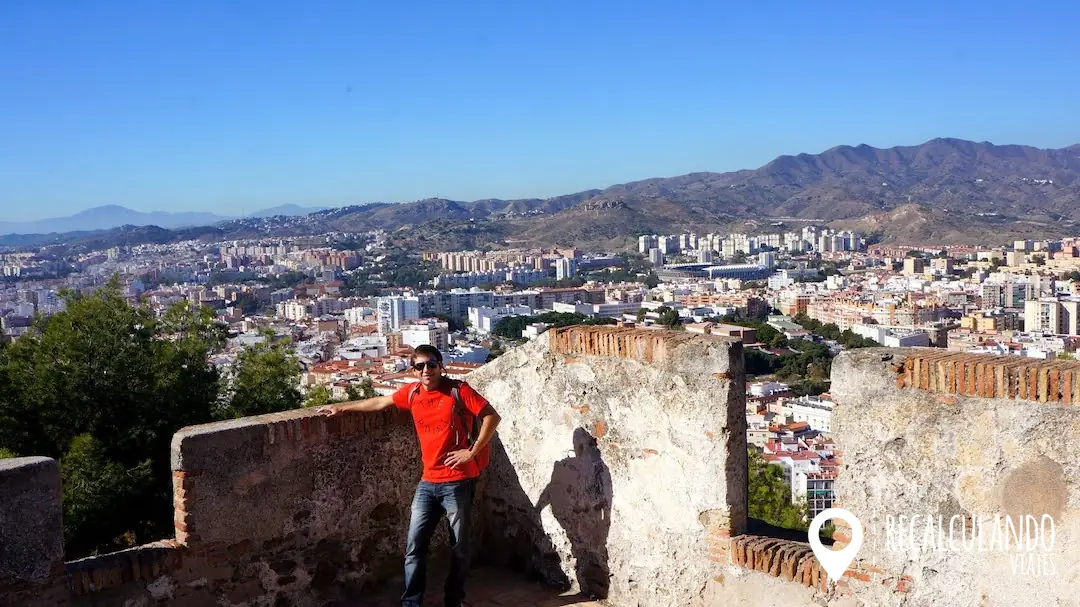
We hiked up the path that starts from the Paseo del Parque. It’s about a 20-25 minute steady climb, with stairs and some steep slopes, but it’s very much worth it. If you don’t want to walk, bus 35 drops you at the entrance.
👩⚕️👨⚕️ A must-have for stress-free travel! 🌎✈️ ➜ Get a Quote, Compare & Buy
4. Málaga Cathedral, “La Manquita” (The One-Armed Lady)
The Cathedral Basilica of the Incarnation is a Renaissance mass with Baroque and Gothic touches that dominates the historic center. It is called “La Manquita” because the south tower is missing: they ran out of money in the 18th century and never finished it.
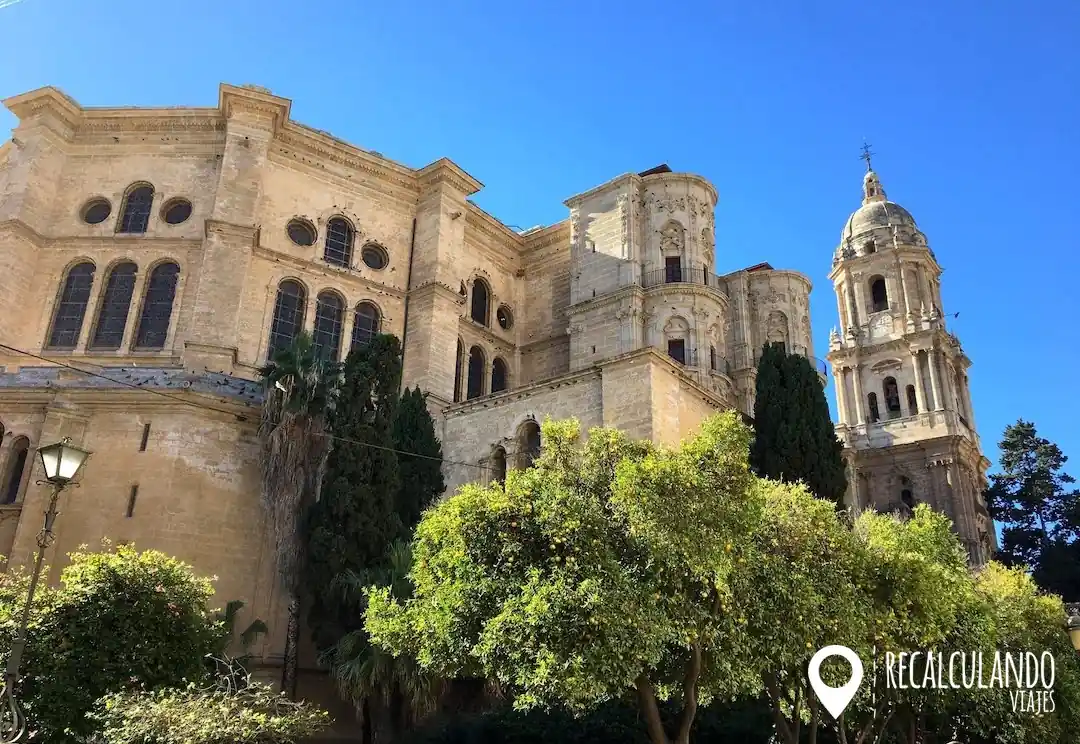
From the outside, it is impressive, but the trick is where you stand. For the best street-level photo, go down Calle Císter or Calle San Agustín: from there the facade is fully visible without a crowd in front.
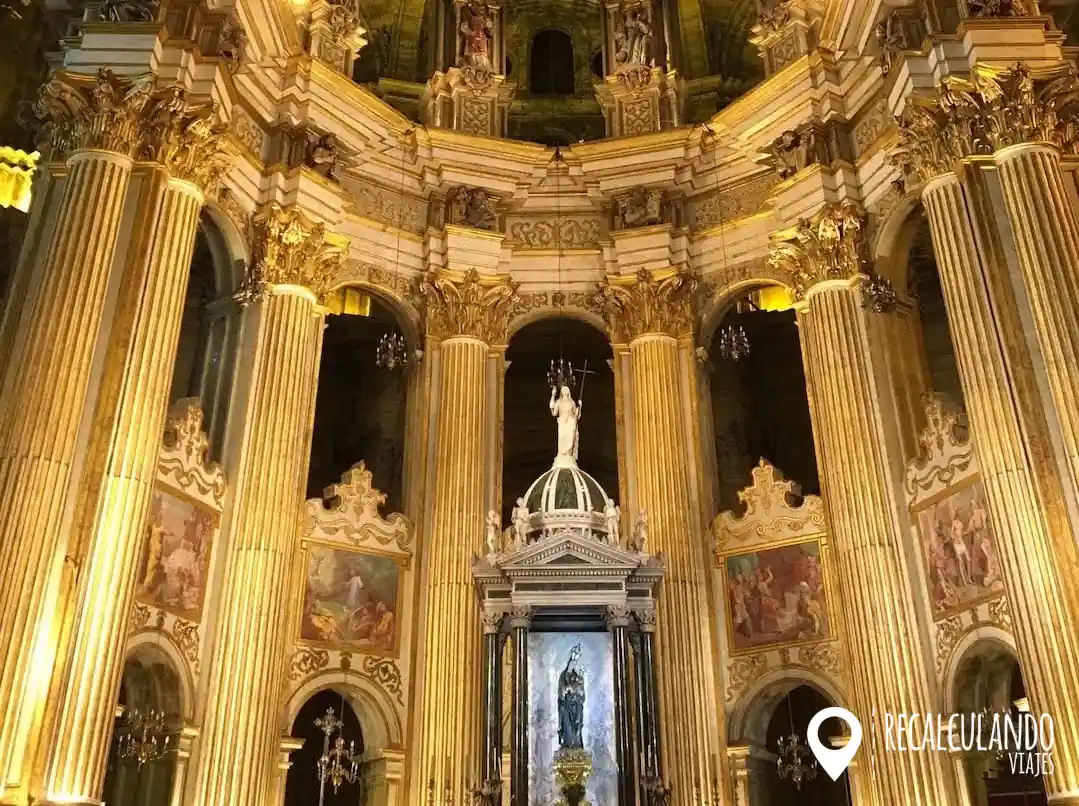
Inside, what caught our attention most was the choir, with its mahogany-carved stalls, and the sense of scale: the vaults are more than 40 meters high.
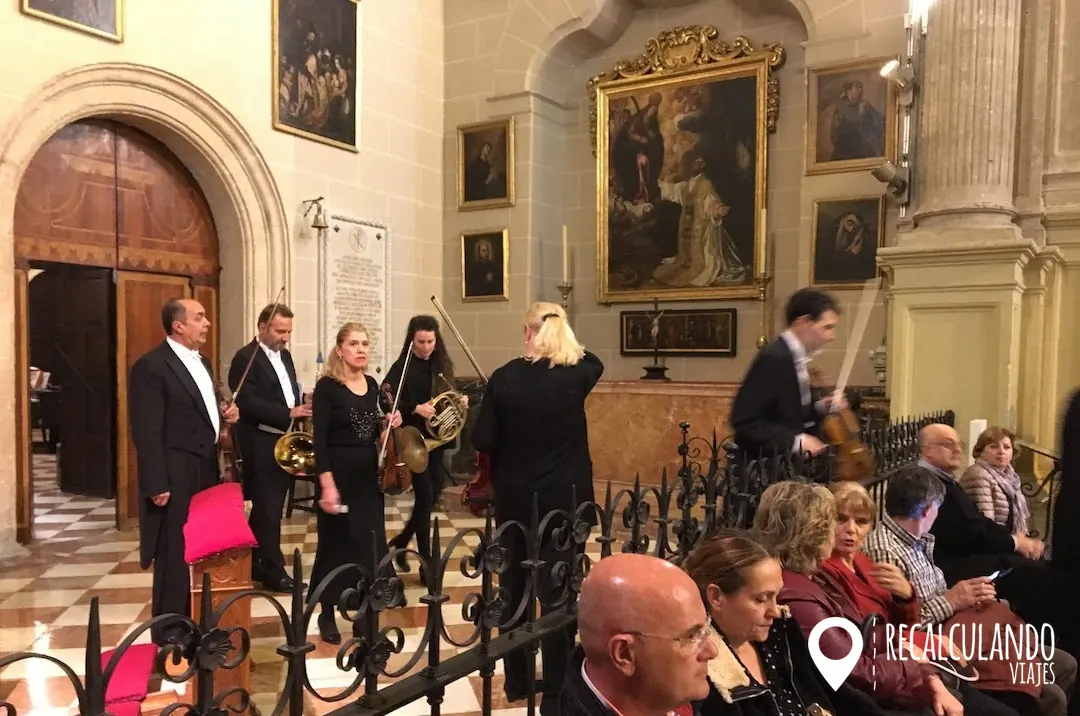
Prices and hours: admission to the cathedral is €6, climbing to the roofs is another €6, and the combined ticket is €10. Open Monday to Friday from 10:00 AM to 7:30 PM, Saturdays from 10:00 AM to 6:00 PM, and Sundays from 2:00 PM to 6:00 PM. The roof spots are limited and the sunset ones are the first to sell out, so it’s best to buy them online a couple of days in advance.
5. Calle Marqués de Larios, one of the liveliest things to do in Málaga
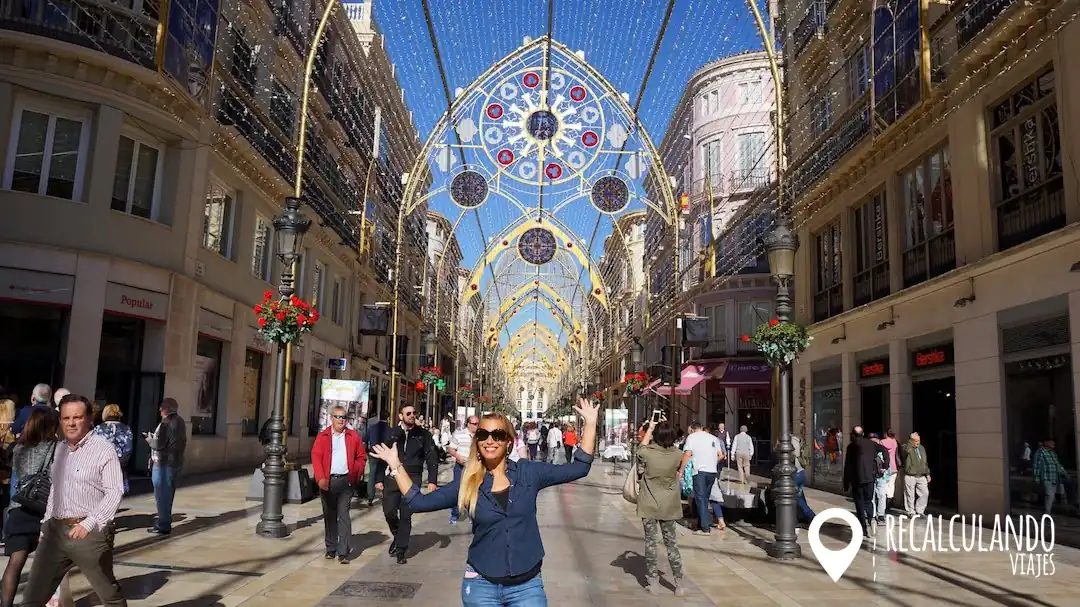
Calle Larios is Málaga’s shopping artery and one of those streets you walk down ten times without realizing it. It is pedestrian, wide, with modernist-style buildings and marble flooring that shines when it rains.
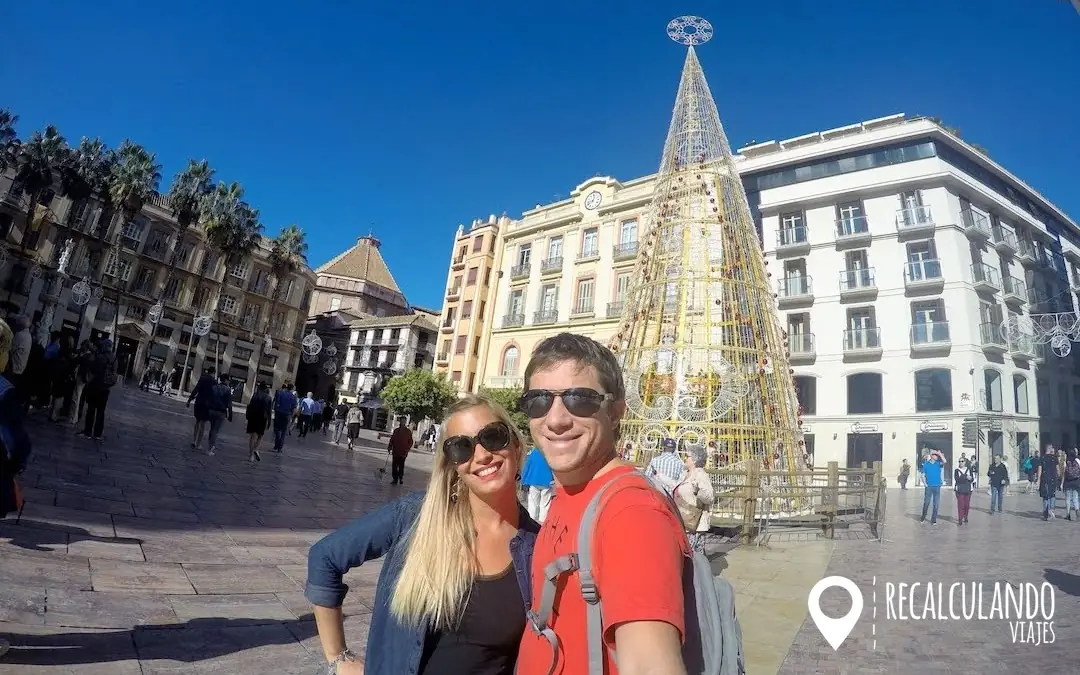
We walked through there every day, and it is a plan in itself: sit on a terrace, people-watch, listen to street musicians. In November, they were already setting up the Christmas lighting structures, and the atmosphere was a party.
Watch out for a detail: it is a street to walk twice, by day and by night. It changes completely.
6. Atarazanas Central Market, the stomach of Málaga
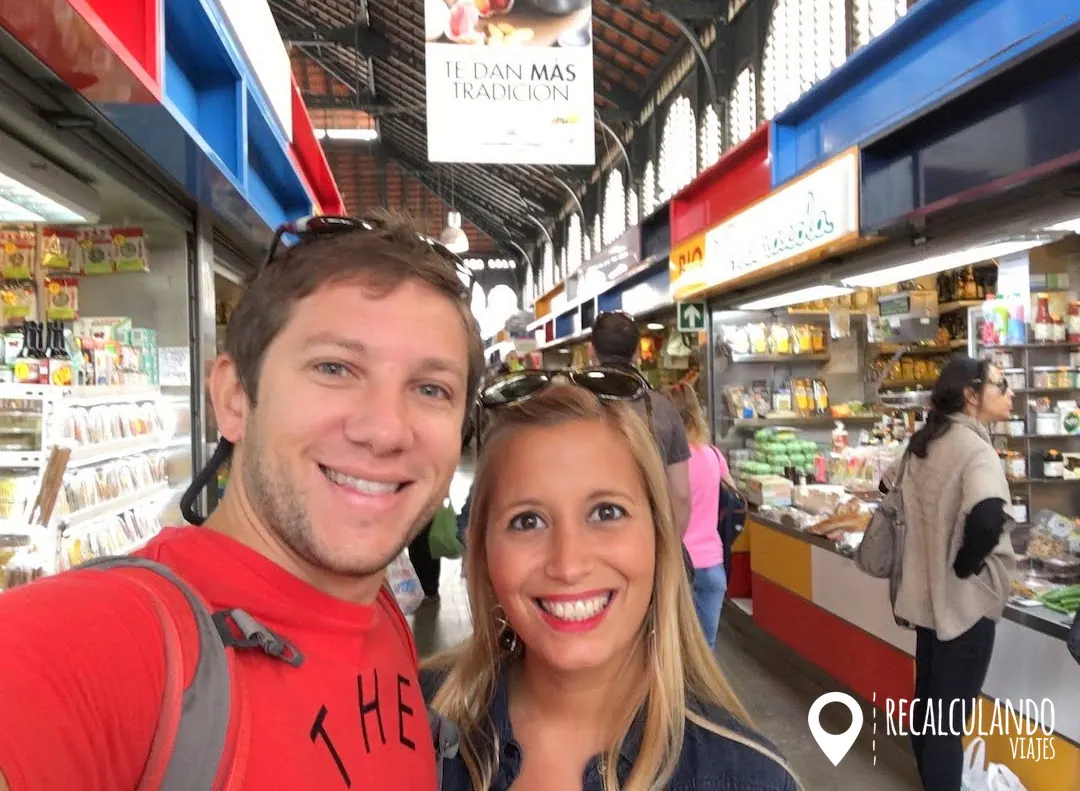
This is one of our favorite places in the city and one of the must-sees in Málaga that appears least on lists. The Atarazanas Market operates in what was a 14th-century Nasrid shipyard: the marble arch of the main entrance remains, and it’s beautiful.
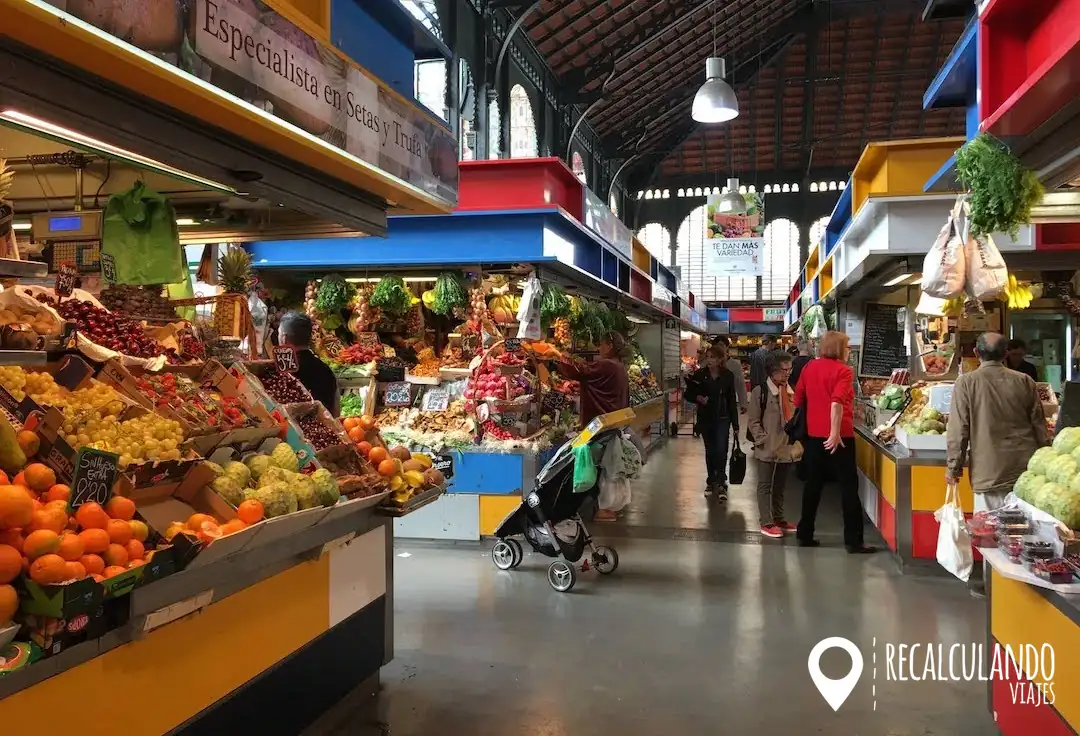
Inside, you have the giant stained-glass window with city motifs, fish stalls with the catch of the day, hanging hams, spices, nuts… We went mid-morning and it was full of people doing their shopping, which is exactly what you want to see.
Keep in mind: it opens Monday to Saturday morning (more or less from 8:00 AM to 3:00 PM) and is closed on Sundays. Go early, as after noon many stalls start packing up.
7. Plaza de la Merced and the mark of Picasso
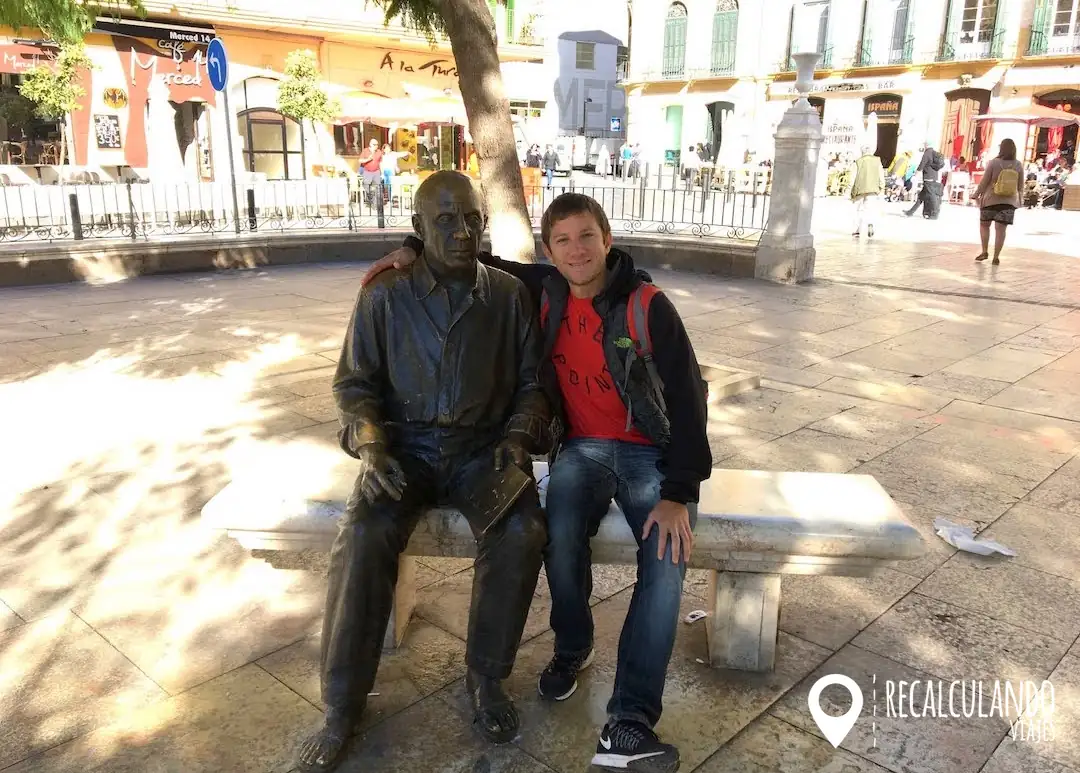
Málaga is the birthplace of Pablo Picasso and Plaza de la Merced is where it all begins. At number 15 is the house where he was born, now turned into a museum, and on a bench in the square is a sculpture of the seated painter, which is THE must-have photo of Málaga.
We sat there several afternoons to have a drink. It is a lively square, with children playing, people walking dogs, and the Torrijos monument in the center. It has a neighborhood feel that is somewhat lost in the rest of the center.
The Birthplace House can be visited for €3 (combined ticket with the temporary exhibition), and many travelers recommend the visit if you are interested in the artist’s family background. We stuck with the square, which is worth the time on its own.
8. Picasso Museum Málaga, the star cultural visit
Located in the Buenavista Palace, it is the most visited museum in the city and one of the things to do in Málaga that appears in absolutely every guide. It brings together more than 200 works donated by the painter’s family, with a thematic and chronological tour through all his stages.
We aren’t big on museums unless they are essential or free, so we tell you honestly: many travelers point to it as the best cultural visit in Málaga, especially for the rooms dedicated to cubism and the archaeological basement with Phoenician and Roman remains.
A useful piece of information: general admission is around €13, but it is free for the general public every Sunday during the last two hours before closing. Hours change according to the season (from November to February it closes at 6:00 PM and in July and August at 8:00 PM), so check beforehand on the museum’s official website.



9. The Cube of the Centre Pompidou at Muelle Uno
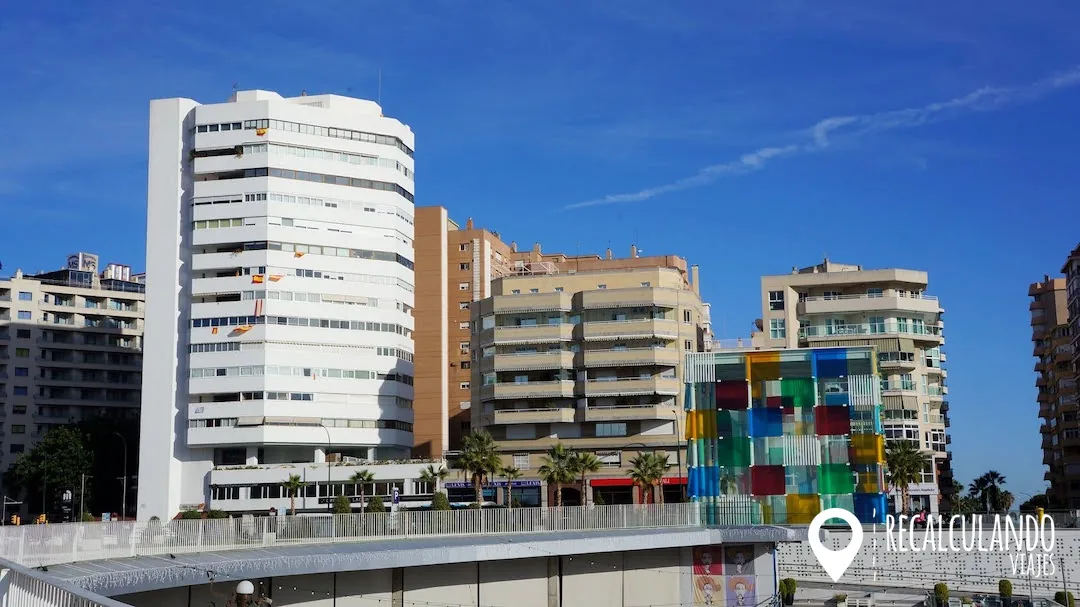
Impossible to walk through the port and not stop in front of the colorful glass cube. It is the first Centre Pompidou in Paris branch outside France, and the building itself is an attraction: it changes color depending on how the light hits it, and at night it lights up from the inside.
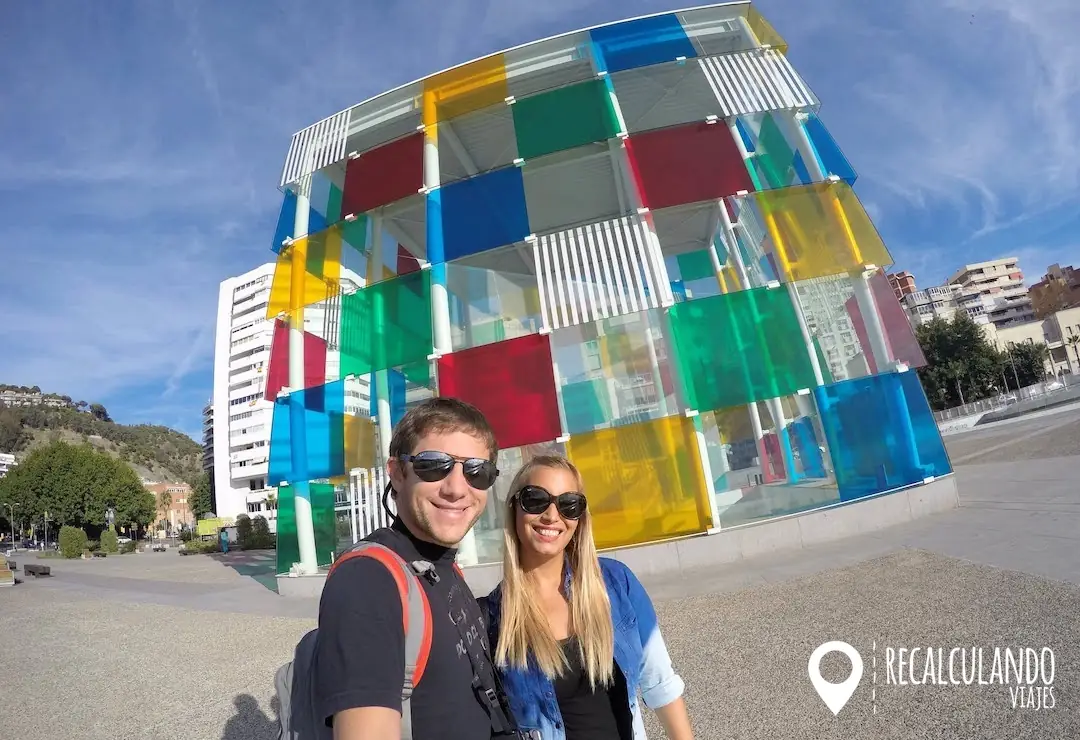
We stuck with the exterior, which is free and one of the nicest photos we brought back from Málaga. The collection of modern and contemporary art inside is highly valued by those who visited it.
The combined ticket (permanent collection plus temporary exhibition) costs €9, only the collection is €7, and only the temporary one is €4. It opens every day from 9:30 AM to 8:00 PM except on Tuesdays, when it closes. On Sundays from 4:00 PM, admission is free for the general public.
10. Muelle Uno and the Palmeral de las Sorpresas
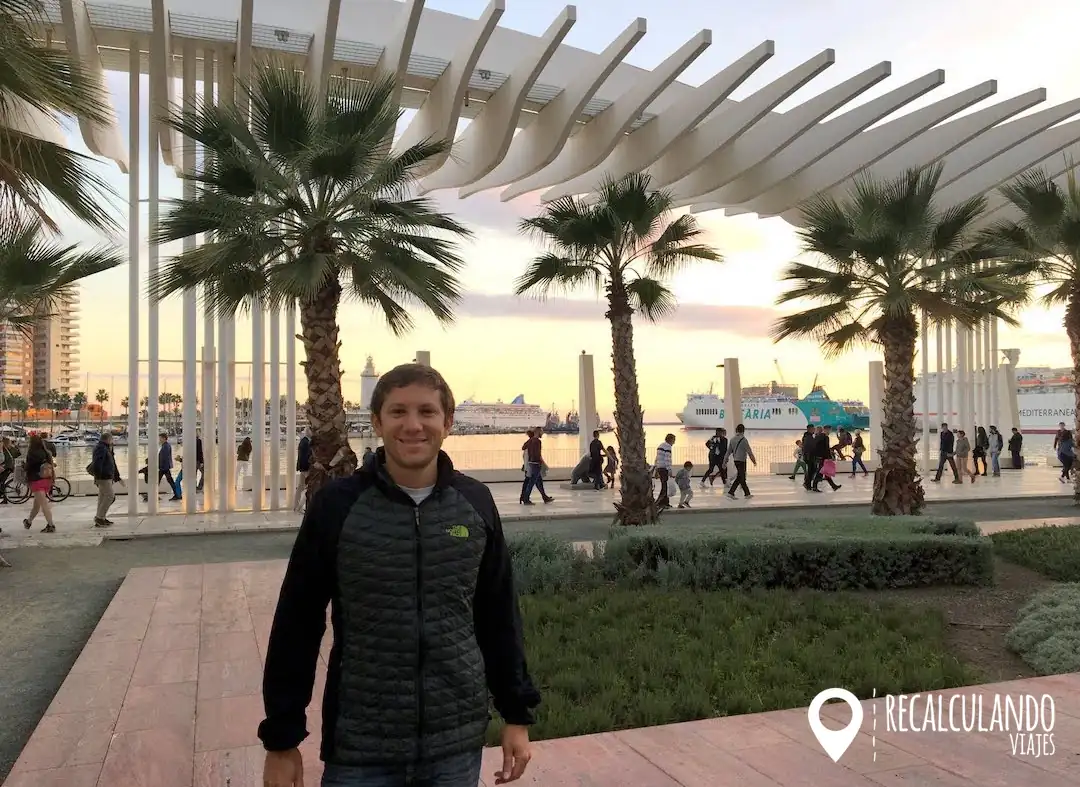
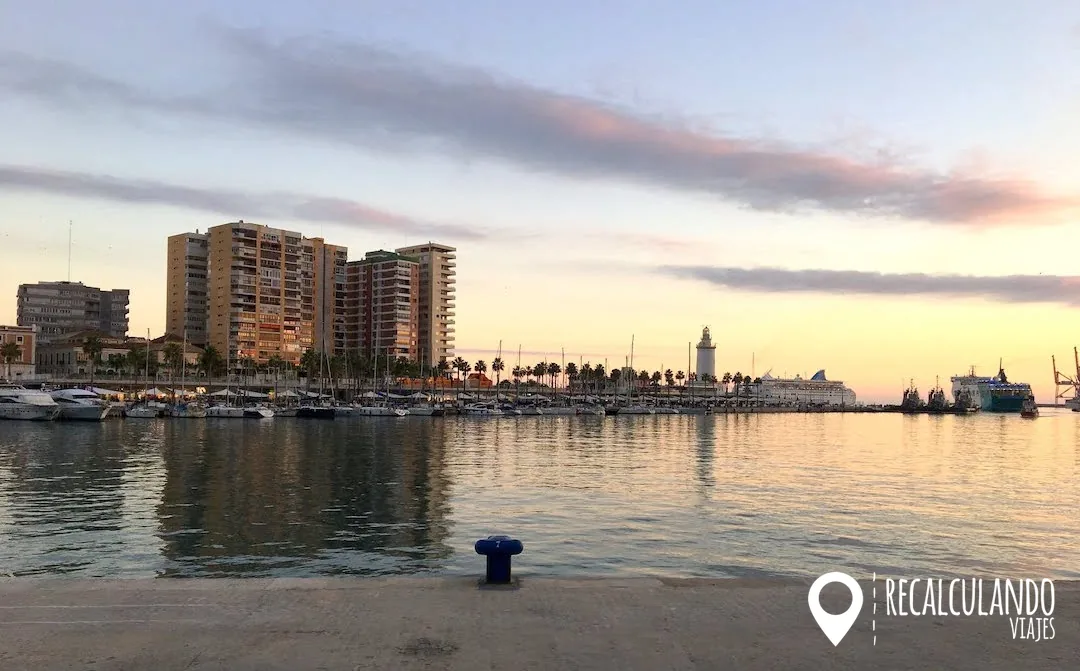
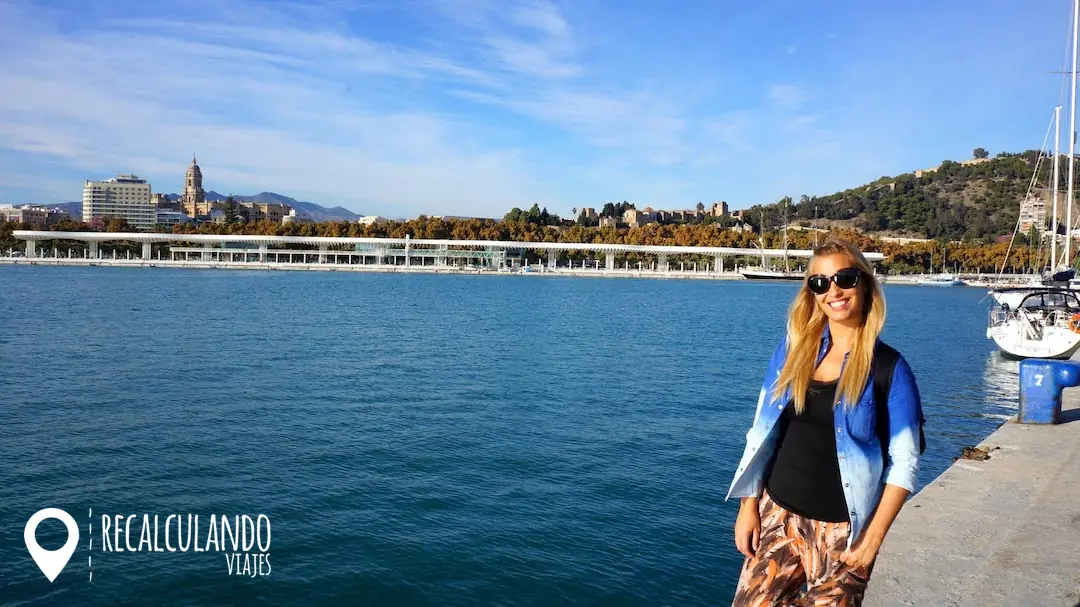
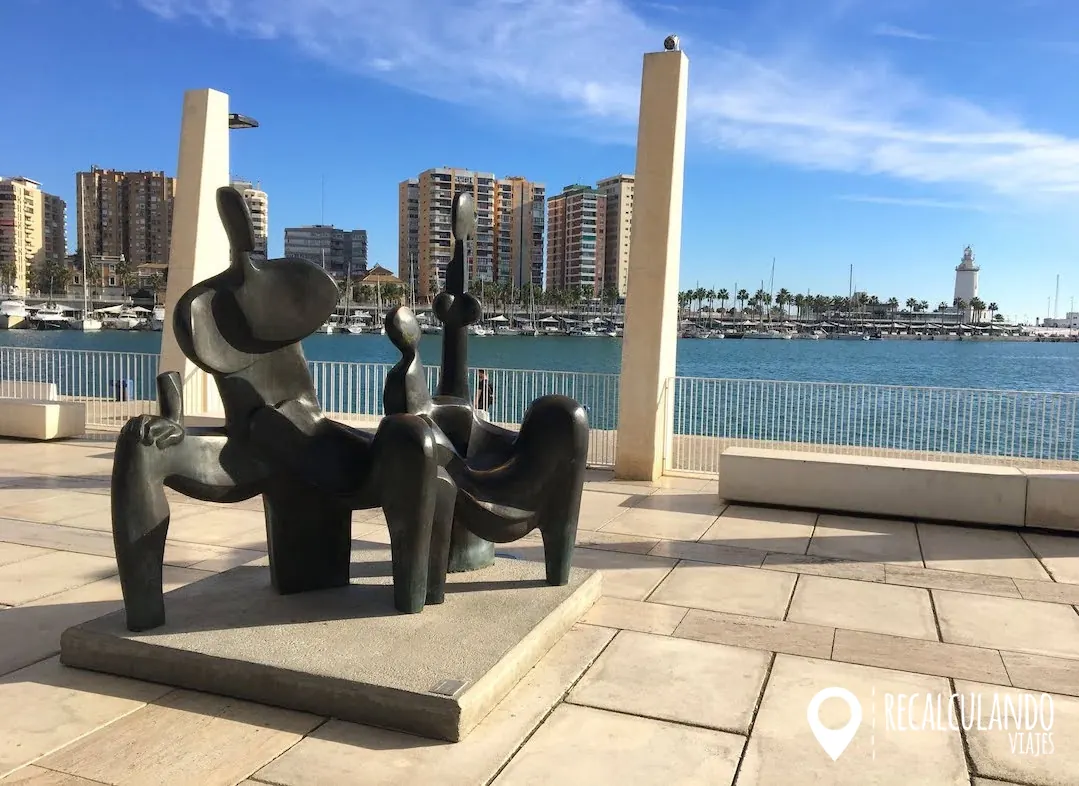
The port of Málaga was one of our daily walks. Muelle Uno is the area of shops and restaurants with a view of the boats, and Muelle Dos, known as Palmeral de las Sorpresas (Palm Grove of Surprises), has that white undulating pergola with palm trees that became a symbol of the modern city.
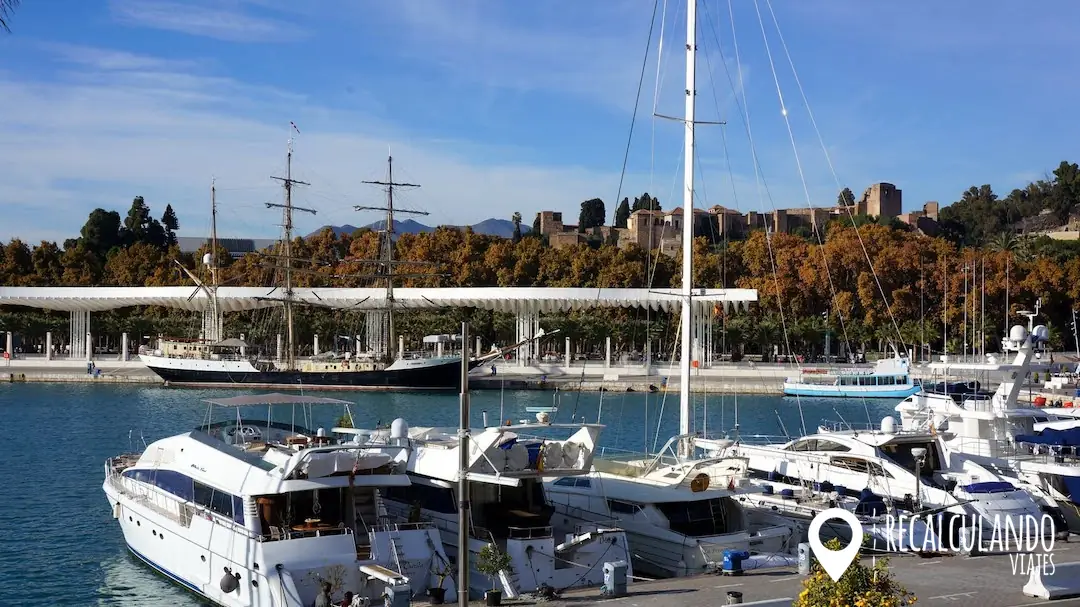
At the end of the promenade is La Farola, one of the few lighthouses in Spain with a feminine name, and from there it links to the beach.
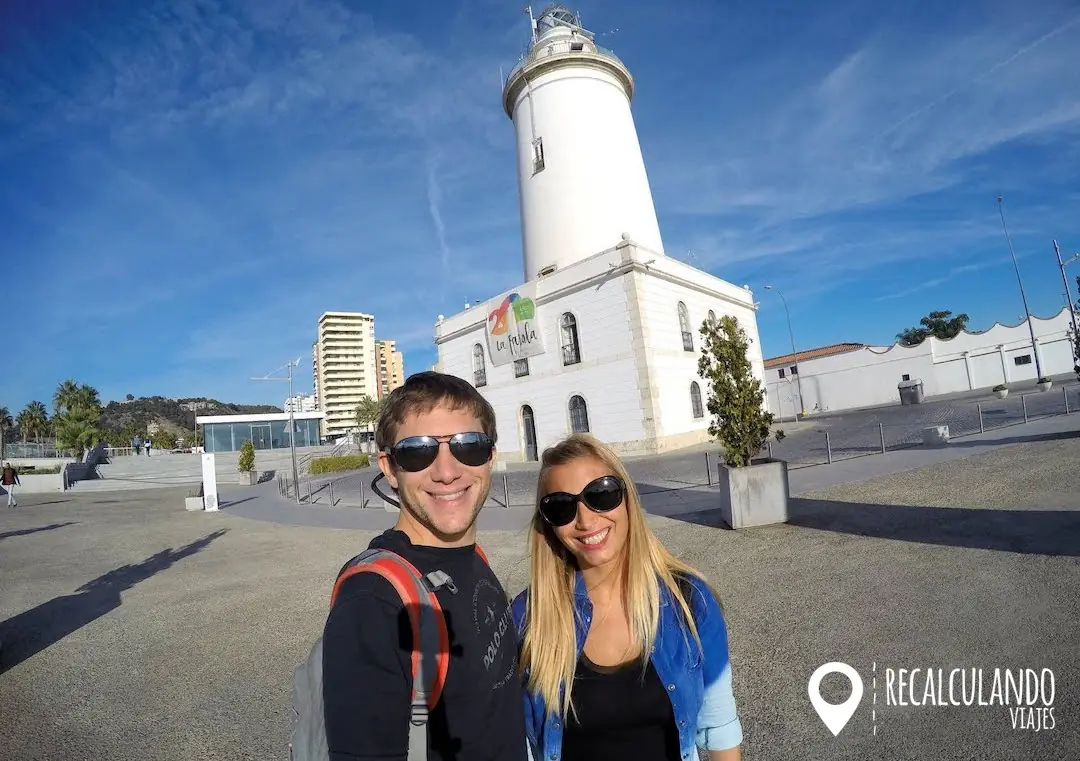
Our favorite moment: sunset. The pergola casts spectacular shadows on the floor and the sea turns orange. We went almost every afternoon, without a plan, just to walk. It is FREE and it is one of the best things Málaga has.
11. La Malagueta Beach, the urban beach
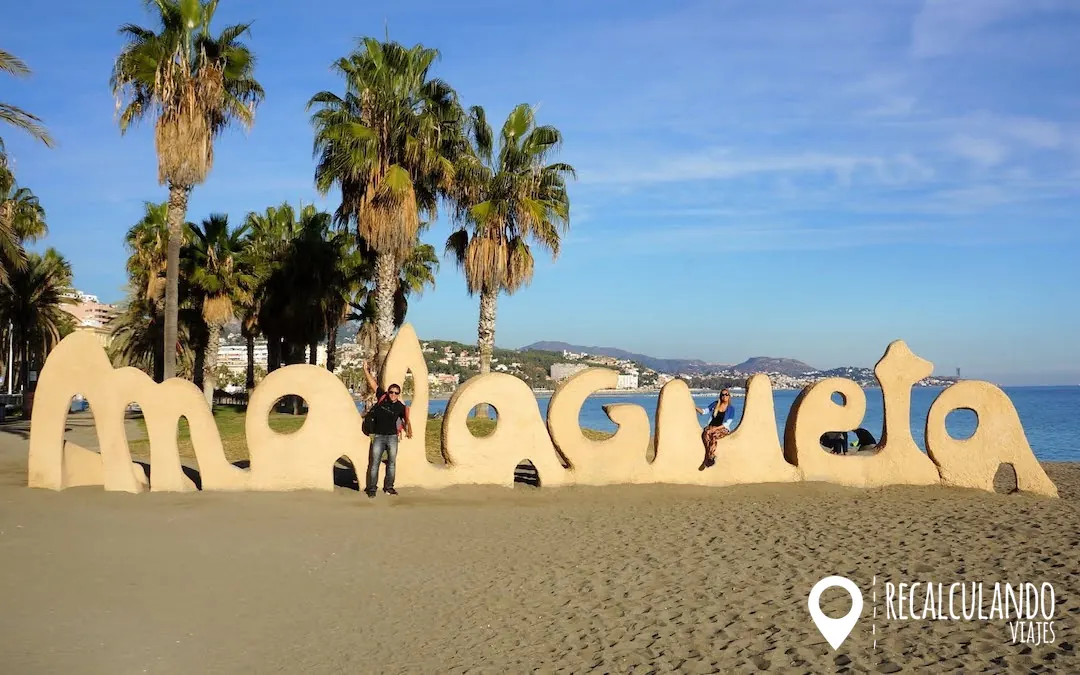
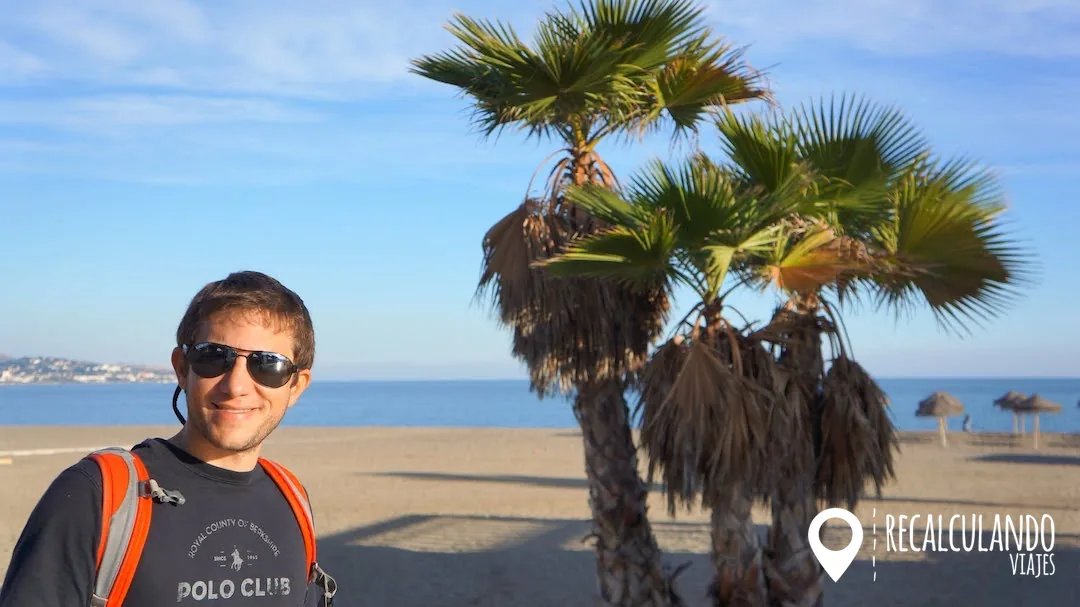
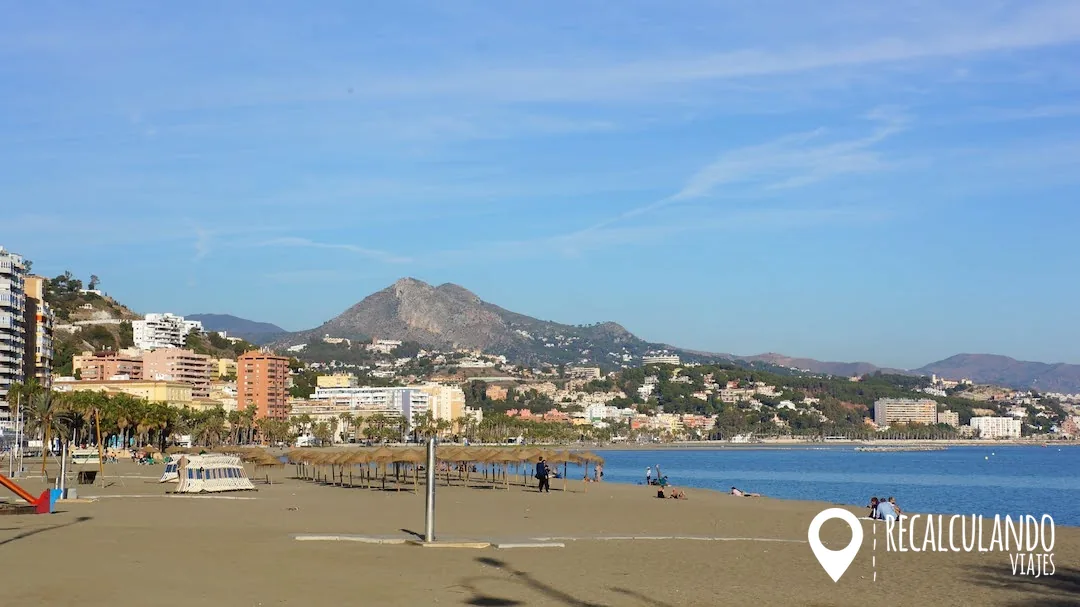
The fact that Málaga has a beach a ten-minute walk from the historic center still seems like a luxury to us. La Malagueta is the most central and well-known, with its promenade, palm trees, and that giant sign with the beach’s name where everyone takes their photo.
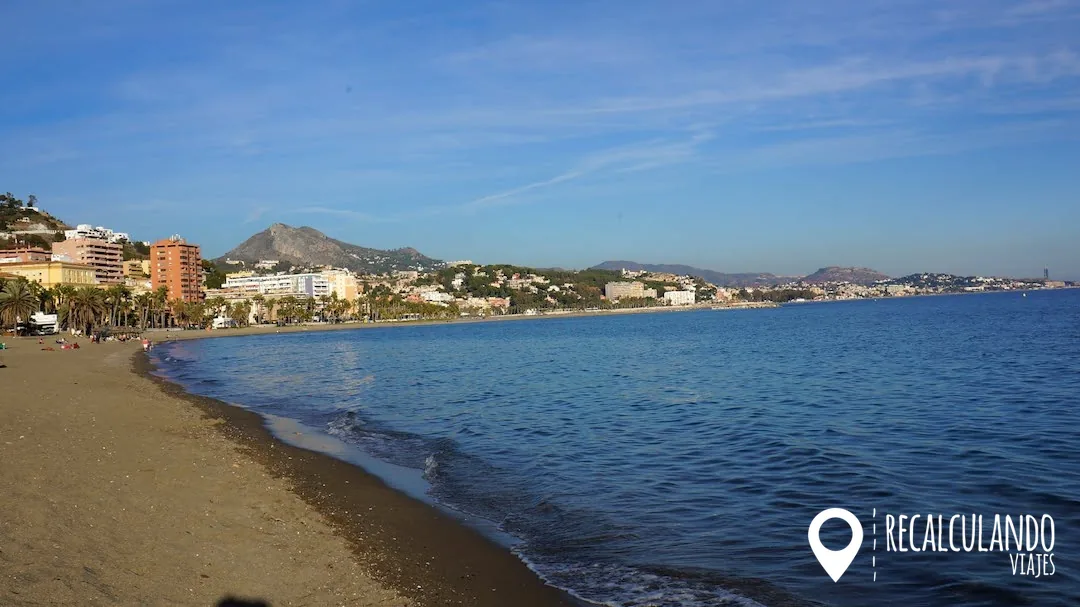
We went in late November, so no swimming, but there were people sunbathing, running, and playing volleyball. In summer it gets crowded, obviously.
Behind the beach is the La Malagueta bullring, which is fully visible from above Gibralfaro and is one of the most recognizable postcards of the city.
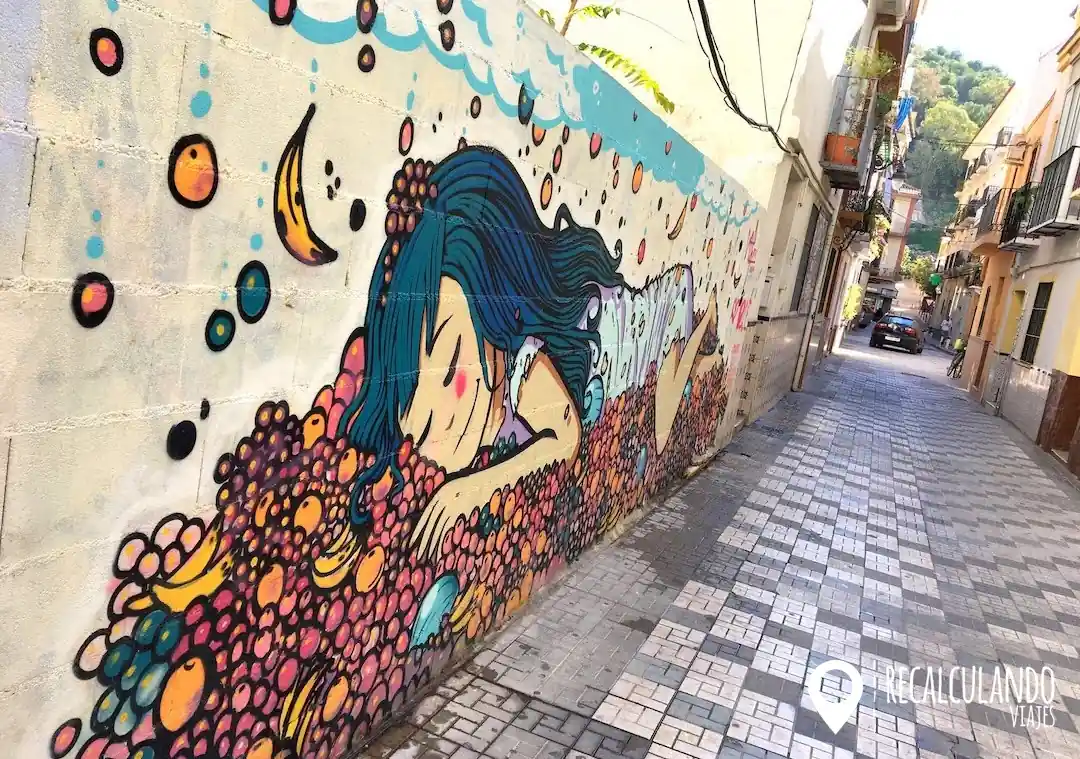
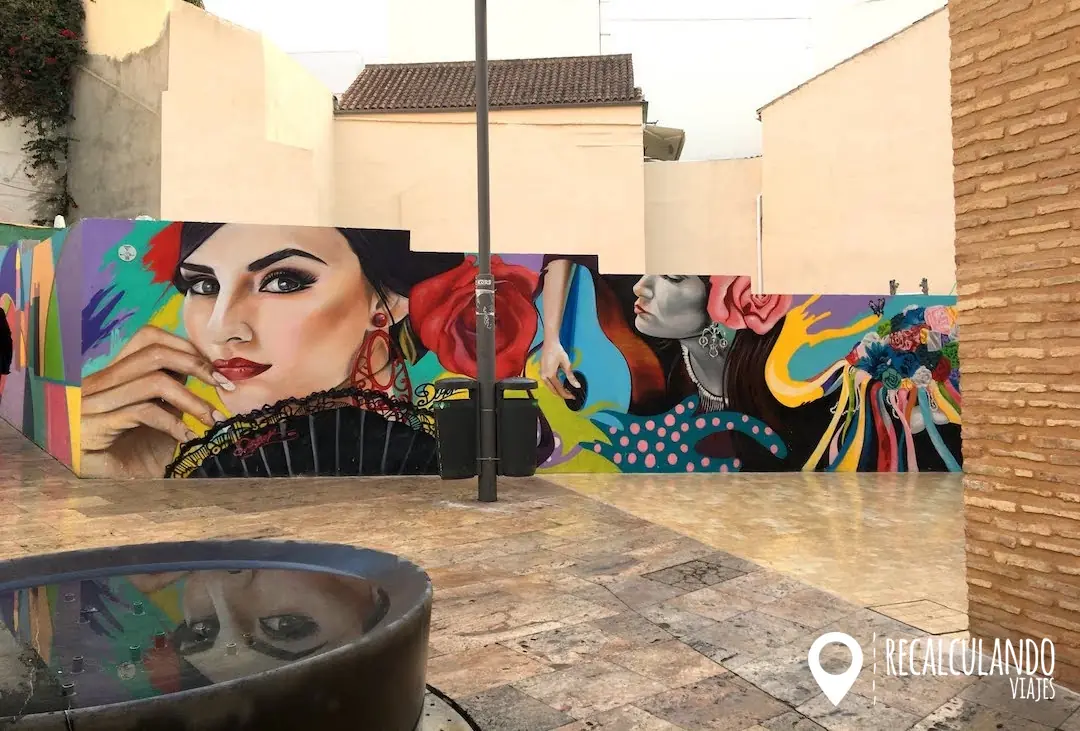
12. The Soho and Málaga’s street art
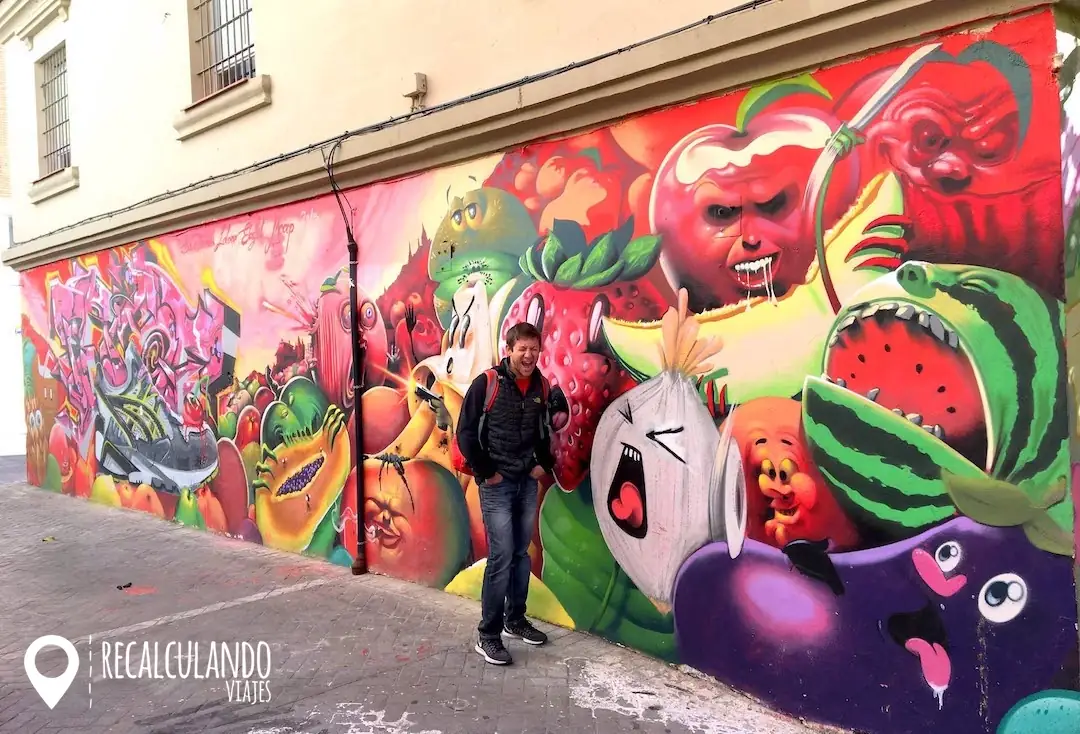
This was our unexpected discovery. Soho is the arts district, between Calle Larios and the port, and it is full of giant murals signed by urban artists from all over the world: Obey, D*Face, Boa Mistura, Dadi Dreucol.

We spent a whole morning walking aimlessly, turning at every corner to see what appeared. There are three-story tall works on entire side walls. And the best part: it’s free, it’s outdoors, and there was almost no one there.
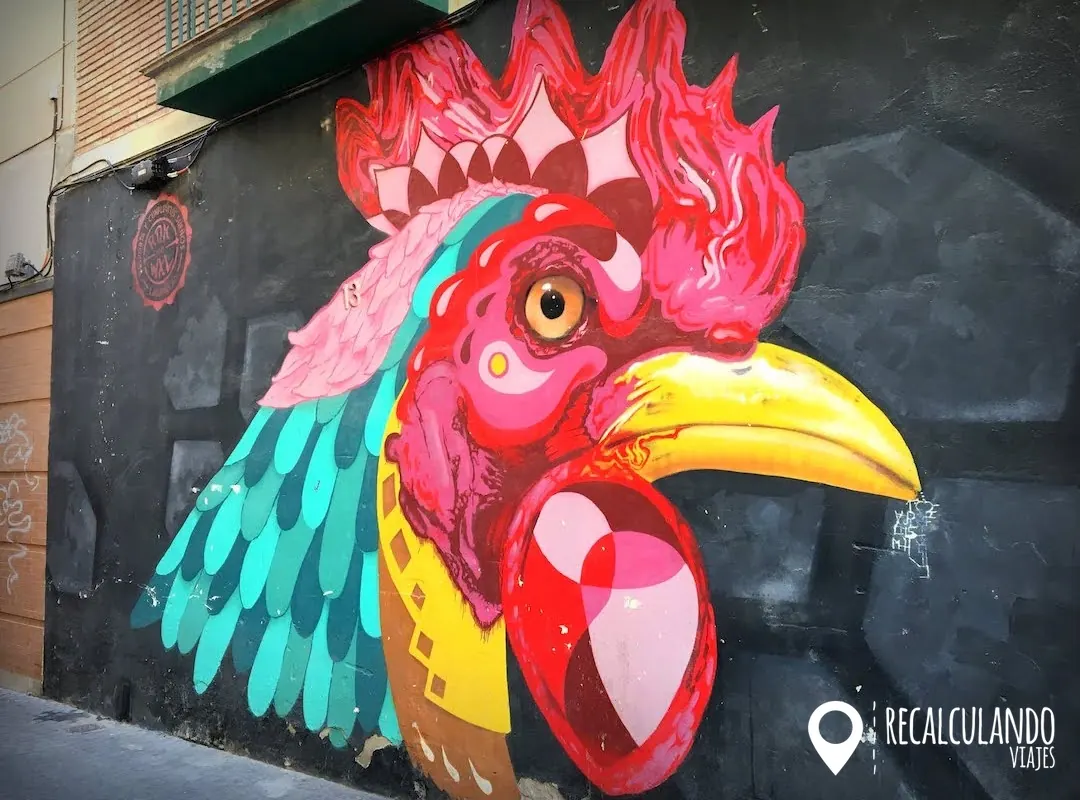
TIP: start at Calle Casas de Campos and Tomás Heredia. If you like photography, go with the morning light, as in the afternoon many walls are backlit.
13. The Pasaje de Chinitas and the historic center
One of the things we liked most about Málaga was getting lost in the old town without a map. The Pasaje de Chinitas is a cross-shaped alley (a convent of Discalced Augustinians once operated there) and it is one of those corners that doesn’t appear on lists of what to visit in Málaga but stays with you.
In the area are also the church of San Agustín and the Mudejar tower of the church of Santiago, where Picasso was baptized. It is a neighborhood of narrow streets, courtyards with tiles, and balconies with flower pots.
You don’t need an itinerary. Turn wherever catches your attention. It’s one of those things to do in Málaga that turns out better without planning.
14. Have a coffee like a local from Málaga
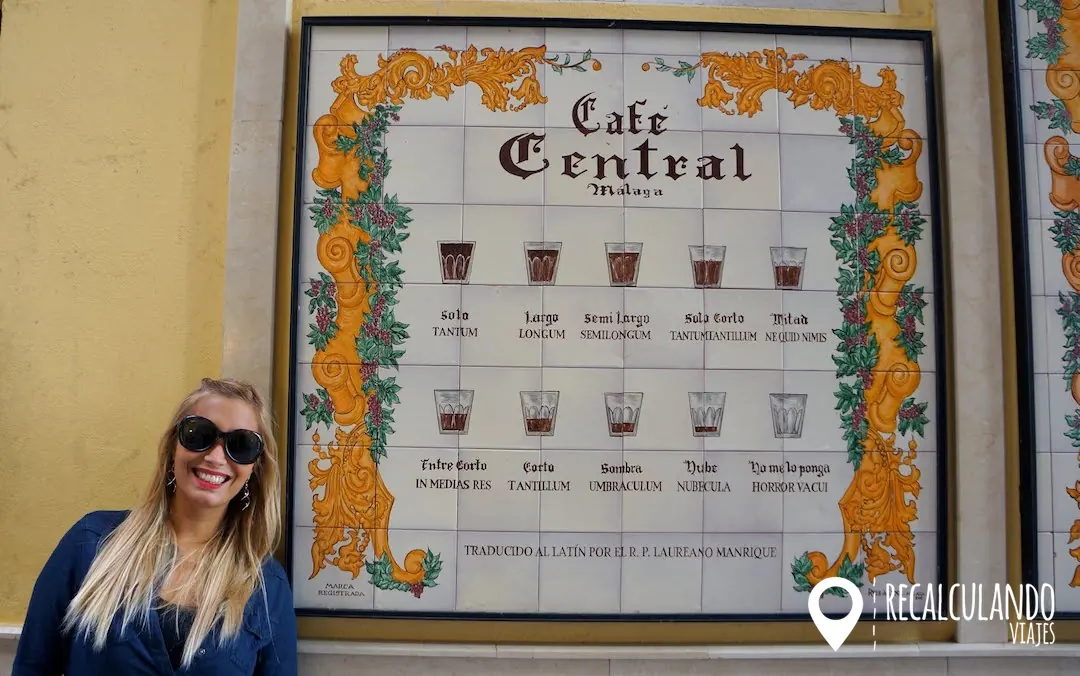
This is not a monument, but for us, it is one of the most fun points of interest in Málaga. In this city, coffee has its own language: nube (cloud), sombra (shade), corto (short), mitad (half), largo (long), semi largo (semi-long), solo (black)… there are nine different proportions of coffee and milk, and each has its own name.
The system was invented by Café Central almost a century ago and right there they have the sign with all the measurements drawn. We went several times and ordered almost all of them jajaja. Our favorite: the “sombra”, which is the mildest.
It’s a two-euro experience that connects you to the city more than many expensive entrance fees. Don’t miss it!
15. La Concepción Botanical-Historical Garden
About 6 km from the center is one of the most important subtropical gardens in Europe, created in 1855 by the Marquises of Casa Loring. We didn’t manage to go (time ran out between the center and excursions), but many travelers point to it as the great must-see in Málaga if you have more than two days.
It has more than 2,000 tropical species, collections of palm trees and bamboos, a carnivorous plant greenhouse, and several hiking trails, including the Viewpoint Route.
Practical details: general admission is €5.20 and reduced is €3.10. It is free on Sundays from 2:00 PM to 5:30 PM from October to March, and from 4:30 PM to 8:30 PM from April to September. Closed every Monday, December 25th, and January 1st. Accessible via EMT line 2 and then a 15-minute walk. Consult all updated info on the garden’s official website.
16. Málaga Park and Pedro Luis Alonso Gardens
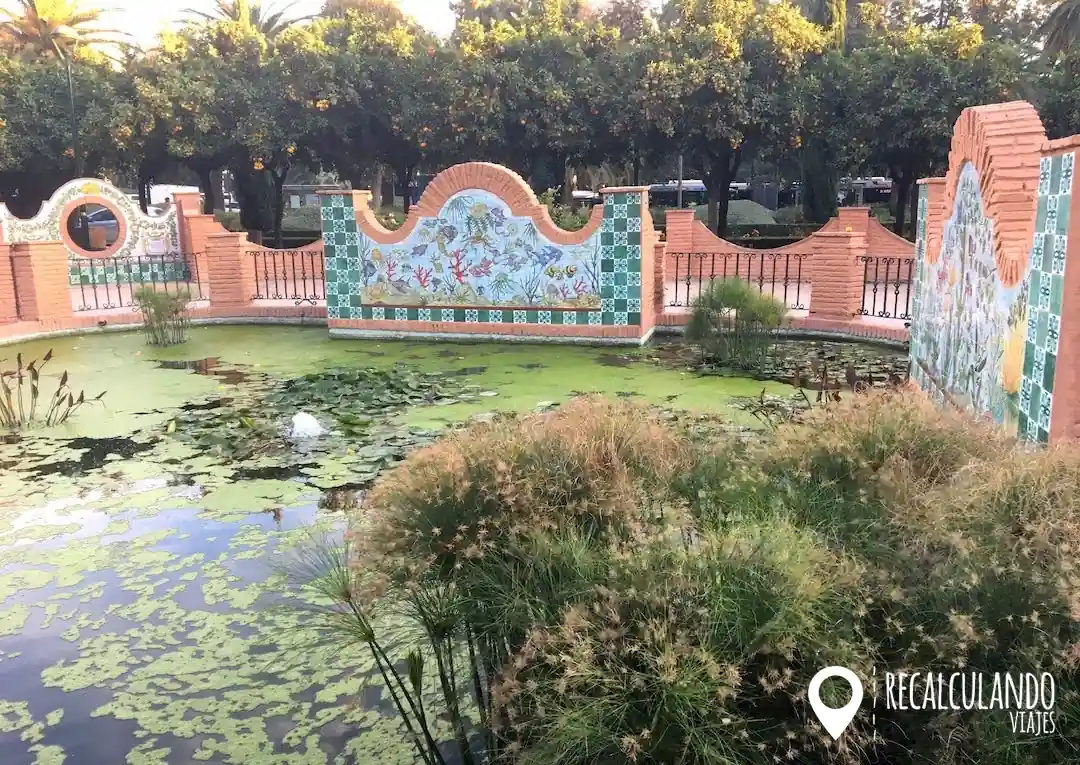
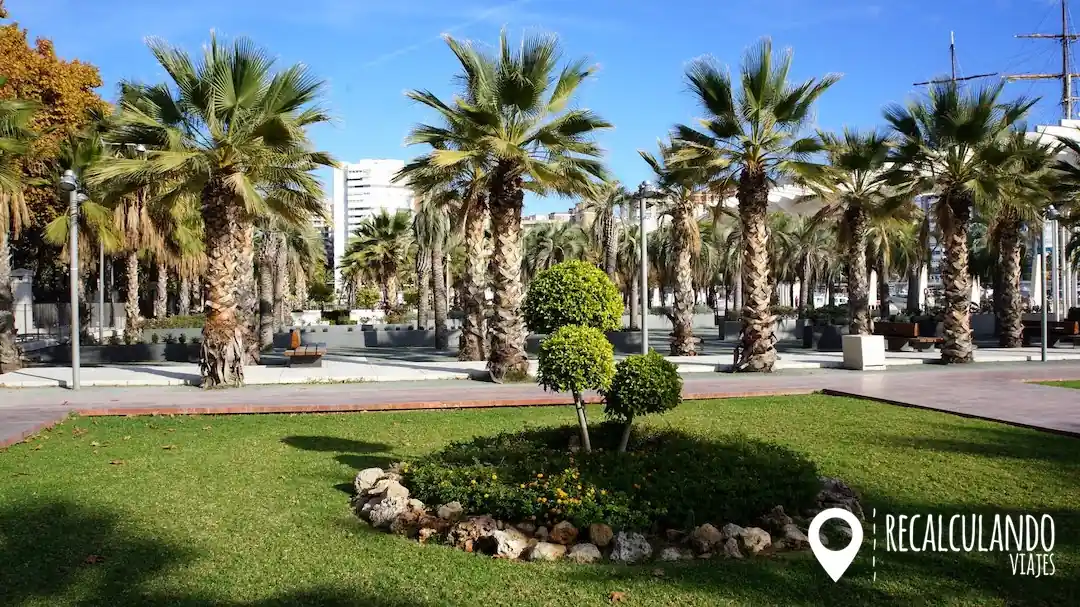
The Paseo del Parque is a tropical botanical garden almost 800 meters long between the port and City Hall, and we walked through it practically every day without realizing how special it was. It has more than 2,000 species of subtropical plants, huge ficus trees, palm trees, and benches with tiles.
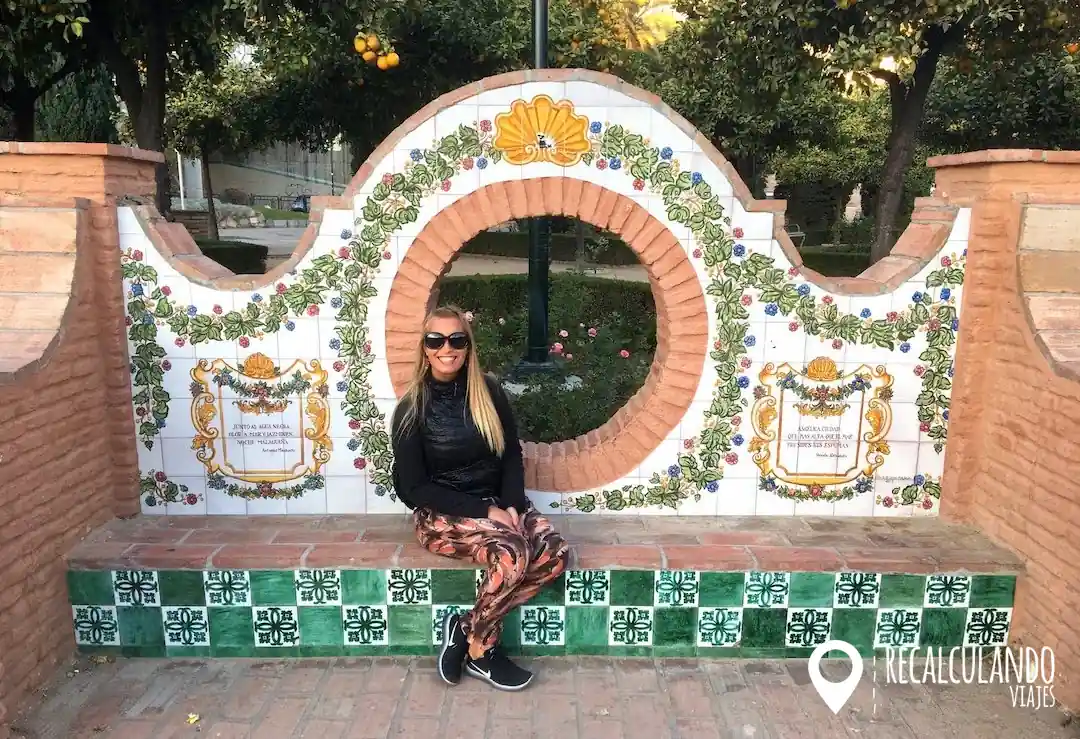
Next to City Hall are the Pedro Luis Alonso Gardens, with trimmed hedges, rose bushes, and cypress trees, and from there starts the path that goes up to Gibralfaro Castle.
It is free, is always open, and is the best shade in the city in summer. One of the most underrated things to do in Málaga.
17. Plaza del Obispo and the Episcopal Palace
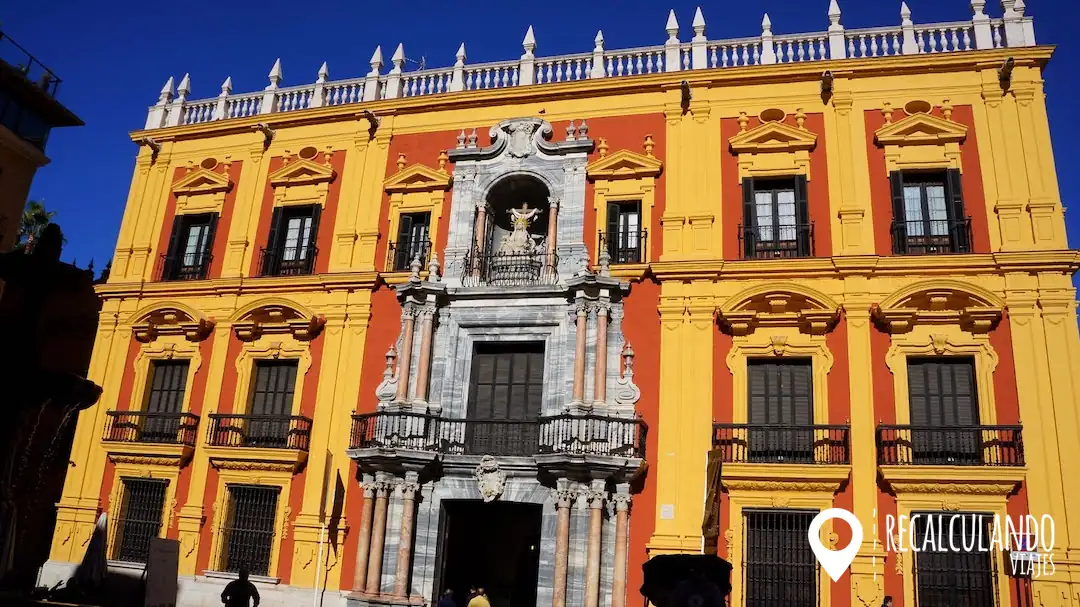
Right in front of the cathedral’s main door is the Plaza del Obispo, a small paved space with an 18th-century marble fountain in the middle. It is the best place to see the complete facade of La Manquita without going too far.
What takes your breath away there is the Episcopal Palace: a three-bodied Baroque facade painted in deep red, with a gray and pink marble doorway. Today it operates as an exhibition hall and admission is usually free.
Many travelers point to it as the most photogenic square in Málaga and, seeing the contrast between the red of the palace and the stone of the cathedral, you understand why.
18. The other museums of Málaga (beyond Picasso)
Málaga is called “the city of museums” and it is no exaggeration: there are more than 35. We aren’t big on museums, so we give you this as data, not a personal recommendation. These are the ones most recommended by those who explored them:
- Carmen Thyssen Museum: 19th-century Andalusian painting in a Renaissance palace in the center. It is the one that appears most as “the second must-see museum” after Picasso.
- Automobile and Fashion Museum: classic cars combined with haute couture, in the old Tabacalera. It is the favorite of those traveling with teenagers.
- Glass and Crystal Museum: an 18th-century house-museum with a private collection and guided tour included. One of the best-rated in the city.
- Russian Museum Collection: Russian art from the 15th to the 20th century, also in the Tabacalera. Free on Sundays from 4:00 PM.
- Málaga Museum: archaeology and fine arts in the Customs Palace. Admission is free for European Union citizens.
Budget TIP: almost all municipal museums have a free window on Sunday afternoons. If you plan your Sunday with that in mind, you easily save €25-30 per person.
19. Pedregalejo and El Palo, the fishing neighborhoods
To the east of the center, following the promenade, are the two fishing neighborhoods of Málaga. They were independent fishing villages and still retain the low-colored houses and boats on the sand.
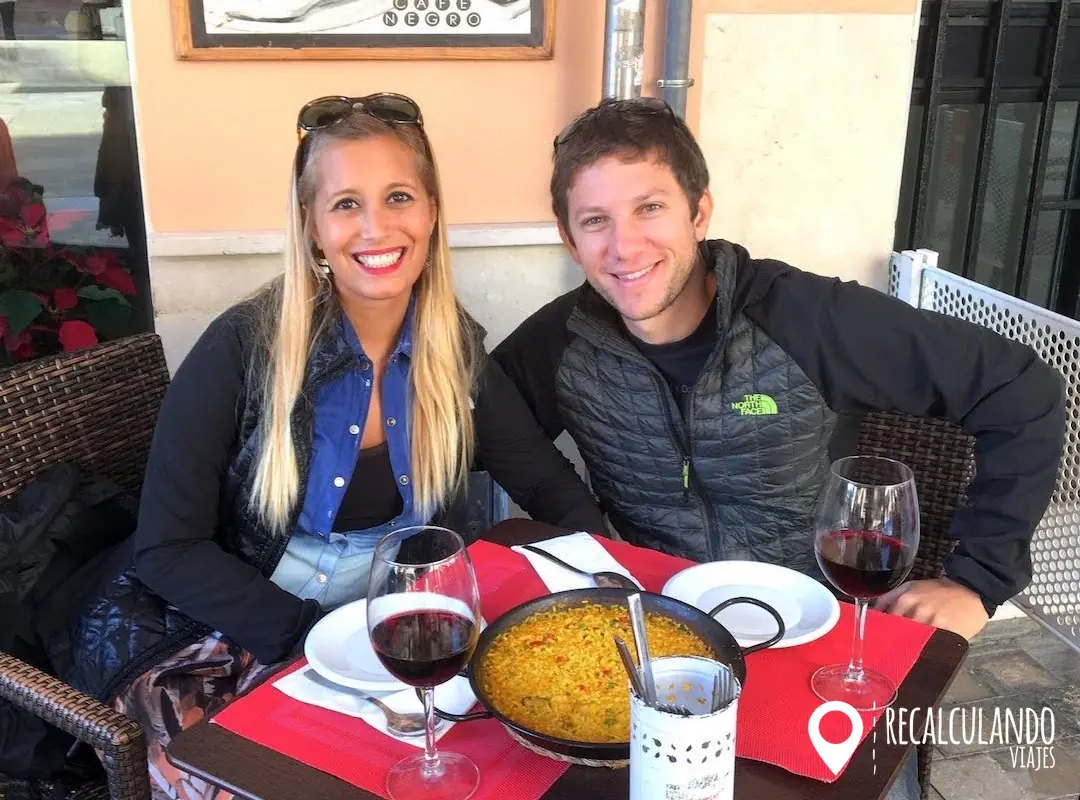
This is the area where the people of Málaga go to eat espetos: the boats pulled up on the beach are used as grills, with firewood inside and sardines skewered on canes around the fire. Many travelers put them as the number one gastronomic plan in the city, above any restaurant in the center.
How to get there: bus 11 leaves from Paseo del Parque and takes you there in about 20 minutes. You can also go walking or biking along the promenade, which is about 4 km from La Malagueta and is a beautiful walk.
20. Plaza de la Constitución and the Genoa Fountain
It is the point where Calle Larios ends and Málaga’s kilometer zero: the City Hall was here for centuries and today it is the place where everything happens. Holy Week, Fair, Christmas lighting, concerts… everything starts or passes through this square.
In the center is the Genoa Fountain, made of marble and from the 16th century, and around it are terraces where we sat several times to watch the movement. The Pasaje de Chinitas also starts here, so it is a good starting point to enter the old town.
It is free, is always open, and is the best place in the city to sit and do nothing.
Things to do in Málaga in one day, 2 days, or 3 days
One of the questions we are asked most is how much time is needed to see everything. We organized things to do in Málaga into three different itineraries, put together according to what we actually walked.
Things to do in Málaga in one day
If you only have one day, the plan is this: start early at the Atarazanas Market, continue to the Cathedral, walk down Calle Larios to Plaza de la Constitución, have lunch in the historic center, and in the afternoon go up to the Alcazaba by elevator. Exit by the Roman Theatre and end by walking the Muelle Uno to La Malagueta to watch the sunset. It is intense but doable.
Things to do in Málaga in 2 days
With two days you can breathe. The first day, the same as above. The second you dedicate to Gibralfaro Castle (go up mid-morning, with good light), then the Picasso Museum or the Centre Pompidou according to your taste, and in the afternoon the Soho and its murals. If it is Sunday, accommodate the museums in the free window.
Things to do in Málaga in 3 days
The third day is to leave the city. Our recommendation: Nerja and Frigiliana on the same day (they are 15 minutes apart). If you prefer to stay close, the La Concepción Botanical Garden and the Pedregalejo neighborhood are a quieter plan.
Free tours and guided visits in Málaga
If it is your first time in the city, starting with a free tour of the historic center organizes the rest of the trip for you. In two and a half hours, they tell you the history of the Alcazaba, the cathedral, and the old town, and you leave knowing what you want to return to see at your leisure.
There are also specific guided tours to the Alcazaba (with access to the Roman Theatre included and skip-the-line, around €15 with admission) and thematic tapas, Picasso, or night tours. We usually do the free tour on the first day and then decide which paid visits are worth it.
Other things to do in Málaga that aren’t monuments
Beyond the list of places to see in Málaga, there are plans that give the trip a different color. These are the ones most repeated among travelers and the ones we would add if we return:
See a flamenco show
Málaga has tablaos with daily shows of about an hour, and also more traditional flamenco clubs where the atmosphere is much less touristy. Prices start around €25 and include a drink. It is advisable to book, because the rooms are small and fill up.
An Arab bath right in the center
Arab baths are one of the most requested plans in the city, especially for a rainy afternoon or to close the trip. The water circuit lasts about 90 minutes and is around €40-50 depending on whether you add a massage. It is booked with a fixed appointment and you have to go with plenty of notice in high season.
Go up to a terrace with views
Several hotels in the center have rooftops open to the public where you can see the cathedral, the port, and Gibralfaro from above. You have to consume something (a drink is around €8-12) and they tend to be full at sunset. Many travelers mention them as the best last-minute plan of the day.
Try sweet wine in a historic tavern
Málaga’s sweet wine has its own designation of origin and there are 19th-century taverns where they serve it straight from the barrel, still recording the tab with chalk on the wooden counter. Pajarete and moscatel are the classics. A glass costs between €2 and €3. Careful, they go down easily.
The tourist bus
If you come with little time or with people who don’t walk much, the two-story tourist bus does a circuit around the city with stops at Gibralfaro, the Botanical Garden, and the center. The 24-hour ticket is around €22. It is not our style, but to get to the Botanical Garden without changing urban buses, it solves quite a bit.
Holy Week and Málaga Fair: when the city gets intense
There are two times of the year when Málaga changes completely and you should know it before booking.
The Málaga Holy Week is declared of International Tourist Interest and is one of the most impressive in Andalusia: the thrones are huge and carried by hundreds of people on their shoulders. The streets of the center are closed, accommodation prices skyrocket, and you have to book with plenty of notice.
The Málaga Fair is in August, lasts a week, and has two versions: the daytime one in the historic center, with people dancing in the street from noon, and the nighttime one at the Cortijo de Torres fairgrounds, with stalls and music until dawn.
TIP: they are unique experiences, but if your priority is to tour the monuments in peace, those two weeks are not the best dates. Choose according to what you are looking for.
Málaga at Christmas: why we chose November
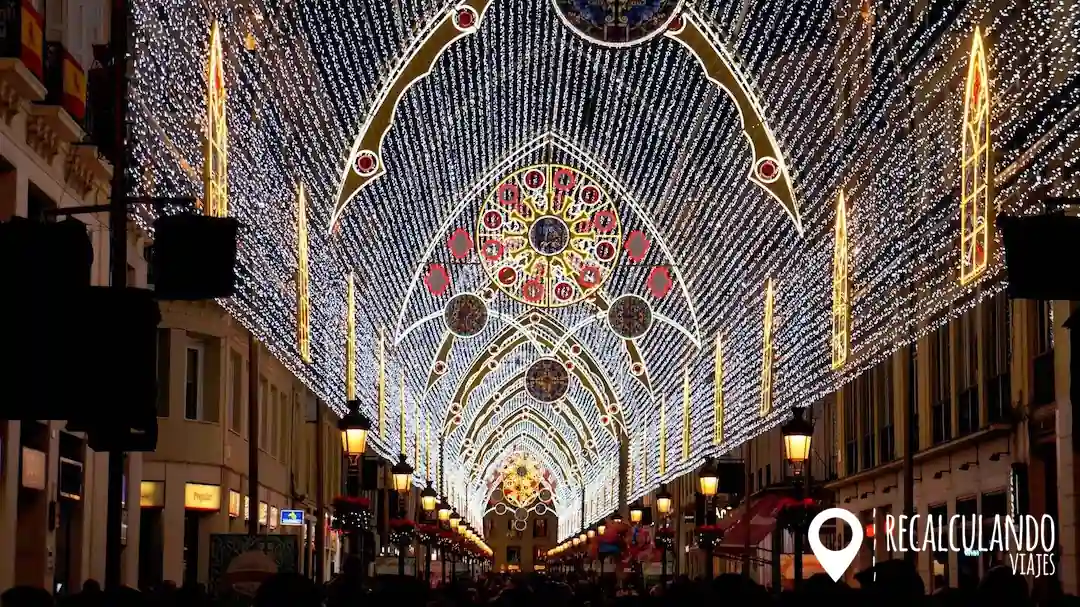
We were there at the end of November and coincided with the installation of the Christmas lighting. And we tell you: if you can, come at this time.
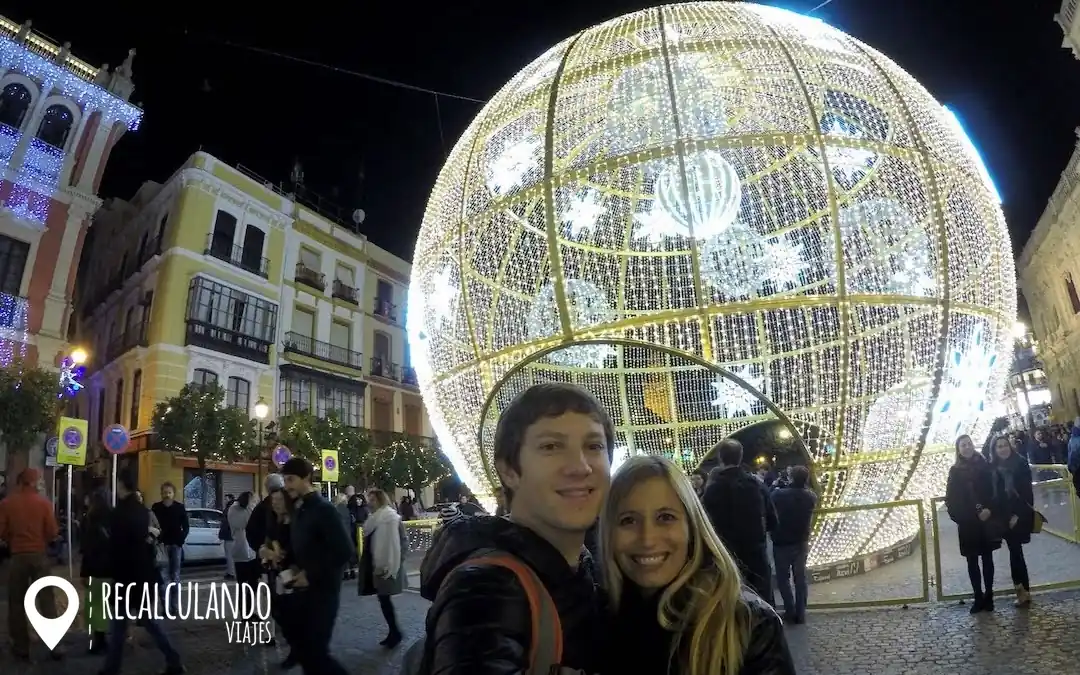
The lights on Calle Larios are famous throughout Europe. They are turned on the last Friday of November and remain until January 6th, with synchronized light and sound shows to music three times a night. There is also usually videomapping projected onto the cathedral’s facade.
➜ More info: Malaga at Christmas Guide
Tips if you come in December: arrive about 30 minutes before the show to grab a good spot, choose Monday to Thursday to avoid the crowds, and get around by public transport because the center becomes pedestrian-only. If you like these plans, on the blog we have more Christmas destinations that we visited.
What to eat in Málaga
Andalusian gastronomy is reason enough for the trip and, for us, as important as any list of things to do in Málaga. These are the things we tried and that we recommend without hesitation:
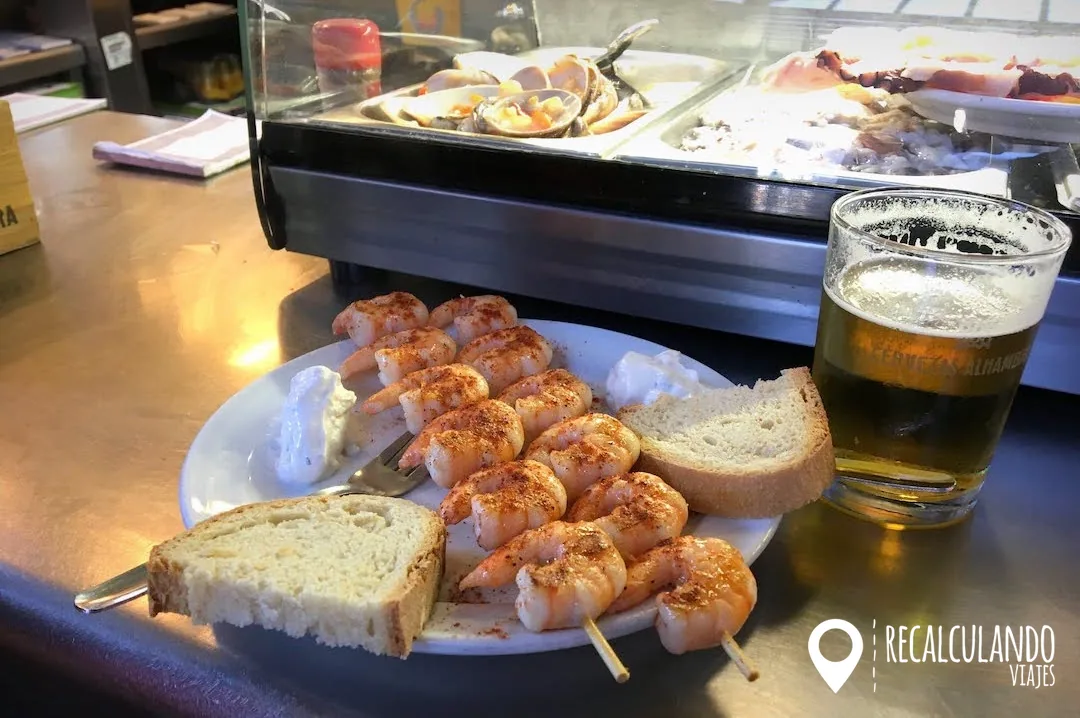
- Espetos de sardinas: sardines skewered on a cane and roasted over embers in the sand. This is THE dish of Málaga. They are eaten at beach bars (chiringuitos), especially in Pedregalejo and El Palo.
- Victorian anchovies: fried with flour and lemon. Another local institution.
- Porra antequerana: a cousin of salmorejo, thicker, with hard-boiled egg and tuna on top.
- Eggplant with cane honey: our weakness. Fried, crispy, with the sweetness of cane honey. Incredible!
- Málaga salad: potato, cod, orange, and olives. Sounds weird, works perfectly.
- Málaga sweet wine: pajarete and moscatel. They go down like water, be careful with that.
- Ajoblanco: cold soup of almonds, bread, and garlic. Ideal if you come in summer.
- For dessert: bienmesabe and tortas locas, with puff pastry and custard.
For breakfast, the typical thing is the “pitufo” (a small sandwich) or the mollete with manteca colorá (lard). And churros with chocolate are a classic mid-afternoon snack.
Where to sleep in Málaga
Choosing the right neighborhood changes your trip, because almost everything to do in Málaga is concentrated in the same radius. The ideal area is the historic center: you save on all transport and go from your accommodation straight to Calle Larios. It is the most expensive option, but also the one that pays off most if you only come for a few days.
The Soho neighborhood is the alternative with the best price-location ratio: it is five minutes from the center, has the street art right at the door, and tends to be significantly cheaper. And if you come in summer and want a beach, La Malagueta and Pedregalejo put the sea right next to you.
We stayed in the center and didn’t regret it one bit: in ten nights we used the bus twice.
On the map below, you can compare prices and availability in all areas at once:
How to get to Málaga
By plane: Costa del Sol airport is 8 km from the center and is one of the best connected in Spain. From the airport, you have a commuter train (line C1, about 12 minutes to María Zambrano station, around €2), the A urban bus, and taxis. The train is the fastest and cheapest.
By train: the AVE connects Málaga with Madrid in about 2 hours and 30 minutes, and with Córdoba in less than an hour. María Zambrano station is a 15-minute walk from the center.
By car: if your plan is to tour the Costa del Sol and the white villages, a car gives you enormous freedom. We rented it precisely to do Nerja, Frigiliana, and Mijas on our own. Watch out for parking in the center: it is a restricted zone and it is advisable to leave it in a public parking garage.
And if you come from outside the European Union and don’t want to fight with roaming, we use Holafly eSIM with the code RECALCULANDOVIAJES, which gives you a discount and activates in five minutes.
Travel insurance for Málaga
Although Spain is a quiet destination with good public health, we don’t go out without insurance. In these nine years of traveling, we have had to use it more than once, and the difference between having it and not having it is sleeping peacefully.
We always travel with IATI Insurance because it covers medical expenses without advancing money, includes trip cancellation, and has 24-hour assistance in Spanish.
➜ Calculate your IATI insurance with a 5% exclusive discount
If you want to compare coverage before deciding, we leave you our guide on the best travel insurance for Europe, where we analyze the options one by one.

Day excursions from Málaga
Málaga is a perfect base to explore the province. These are the getaways we made during those ten days:
Nerja and Frigiliana
One hour to the east. Nerja has the Balcón de Europa, a viewpoint over the Mediterranean that is pure postcard, and its famous caves. 7 km away, going up the mountain, is Frigiliana: white houses, steep stone streets, and flower pots everywhere. It is one of the prettiest towns we saw in Andalusia. You can do both in the same day easily.
Mijas Pueblo
Another white town hanging from the mountain, about 30 km away. It has viewpoints with views of the entire Costa del Sol and a very well-kept old town. It is quite touristy, yes, but the views justify the trip.
Colomares Monument Castle (Benalmádena)
This was our weird and wonderful discovery of the trip. A castle built between 1987 and 1994 by a doctor and two bricklayers, dedicated to Christopher Columbus, which mixes Byzantine, Romanesque, Mudejar, and Gothic styles. It has the smallest church in the world (less than 2 square meters). It looks like fantasy. Admission costs €3, closes on Mondays, and all info is on its official website.
Marbella
We went more out of curiosity than anything else. The old town with the Plaza de los Naranjos is really nice and has nothing to do with the luxury image of Puerto Banús. Worth a turn if you go by car.
Other options we didn’t get to do
The Caminito del Rey is the most requested excursion from Málaga: walkways hung more than 100 meters high over the Gaitanes gorge. Open Tuesday to Sunday all year round, and tickets with a guide start around €18. It sells out weeks in advance, so book as soon as you have dates. Also pending are El Acebuchal, an abandoned and recovered town near Frigiliana, and Ronda, which many travelers consider the best day excursion from Málaga.
If you want to continue touring Andalusia, we leave you our guides on what to visit in Granada and Vejer de la Frontera, two destinations that blew our minds.
Map of things to do in Málaga
We put together this map with the 20 places from the article plus the excursions we made throughout the province. Save it on your phone and organize your days by proximity, as in Málaga almost everything is done walking.
Frequently asked questions about things to do in Málaga
How many days are needed to see Málaga?
2 full days are enough to tour the city’s must-sees: Alcazaba, Roman Theatre, Gibralfaro, cathedral, historic center, port, and Soho. If you want to add excursions to Nerja, Frigiliana, or the Caminito del Rey, calculate 3 or 4 days. We stayed 10 nights using Málaga as a base and we didn’t have time to spare.
What is the best time to visit Málaga?
Spring (April to June) and autumn (September to November) are the best times: pleasant temperatures, fewer people, and lower prices. Summer is very hot and full of beach tourism. We went at the end of November and found sunny days of 18-20 degrees and the Christmas lighting being installed.
What can you do for free in Málaga?
Quite a bit more than it seems. The Roman Theatre, Gibralfaro Viewpoint, the Palmeral de las Sorpresas promenade, La Malagueta beach, the Soho murals, and the entire historic center are free. Additionally, the Alcazaba is free on Sundays from 2:00 PM, the Picasso Museum during the last two hours on Sundays, and the Centre Pompidou on Sundays from 4:00 PM.
Is it worth going up to the roofs of Málaga Cathedral?
It is worth it for the up-close views of the only finished tower and the historic center from above. However, if you have to choose only one viewpoint, we stick with Gibralfaro: it is free, the panoramic view is much wider, and the sunset from there is on another level.
Can you visit Málaga without a car?
Yes, perfectly. The entire historic center is pedestrian and almost all the places in this guide are reached by walking, except for the Botanical Garden and the neighborhoods of Pedregalejo and El Palo, which are reached by urban bus. You only need a car if you want to do excursions to the white towns on your own, and even then, there are buses and organized tours.
What typical food must you try in Málaga?
Sardine skewers grilled on the beach are the most representative dish of the city. We also recommend the fried Victorian anchovies, porra antequerana, eggplant with cane honey, and the local sweet wine. And ask for coffee with its Málaga name: nube, sombra, mitad, or corto, depending on how much milk you want.
Things to do in Málaga with children?
The plans that work best with children are La Concepción Botanical Garden, the Automobile Museum, the Palmeral de las Sorpresas promenade, and La Malagueta beach. The Alcazaba also tends to be liked because it is explored like a labyrinth of walls and courtyards. Almost the entire center is pedestrian, so getting around with a stroller is comfortable.
When are Holy Week and the Málaga Fair?
Holy Week falls between March and April depending on the year and is declared of International Tourist Interest. The Málaga Fair is in August, lasts a week, and has a daytime version in the historic center and another at night at the fairgrounds. On both dates, accommodation prices rise a lot and you have to book months in advance.
Our conclusion about things to do in Málaga
Málaga won us over little by little. It is not a city that impacts you in the first hour like Granada or Seville: it conquers you while you walk, while you have a coffee with a weird name, while you go up to Gibralfaro and see the sea appear behind the walls.
If we had to stick with three things from everything we told you: the sunset from the Gibralfaro Viewpoint, the Alcazaba first thing in the morning, and the aimless afternoons in the Palmeral de las Sorpresas. And if you come in November or December, the illuminated Calle Larios… is something else.
Before you leave, don’t forget to look at our guide on how to plan your trip and the luggage checklist, which always save us. Have you already been to Málaga? Tell us in the comments what you thought and what you would add to this list!
Articles for your trip to Spain
- Seville at Christmas 2026: Guide with 24 must-see places (map)
- Málaga at Christmas: 20 essential things to do in (with map)
- 20 essential things to do in Vejer de la Frontera (with map)
- Fuerteventura or Lanzarote? Everything you need to know to choose | 2026 Guide
- Things to do in Gran Tarajal Fuerteventura: 2026 Complete Guide and MAP to fall…
- 9 Fuerteventura Markets You Can’t Miss (Days / Hours MAP) 2026 Guide
ℹ️ **Total Transparency**
This article contains affiliate links. If you book through these links, we may receive a small commission at no additional cost to you. We only recommend services we use on our trips and trust. This helps us keep this blog free and continue creating useful content for you. Thank you for your support!
🔗 Resources & Useful Links for your trip to Málaga
Do you have questions or want to add your own recommendations on things to do in Málaga?
💬 Leave your comment or write to us, we love reading the experiences of other travelers.
Thank you very much for being part of this adventure!— Nanu & Facu 🌎 | Recalculando Viajes 💜