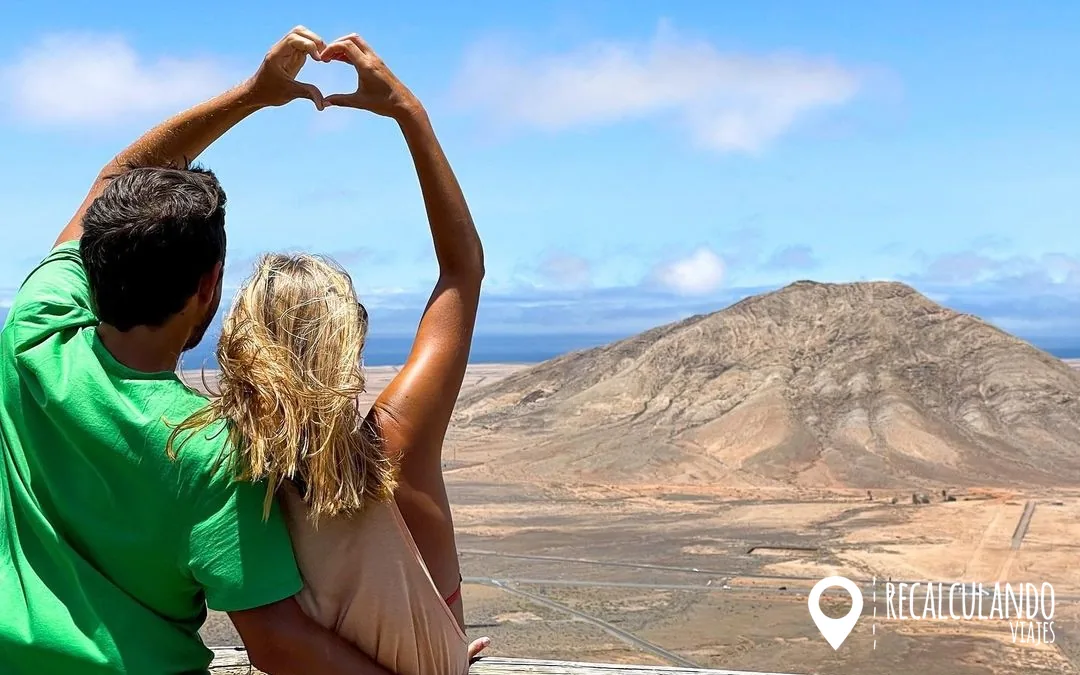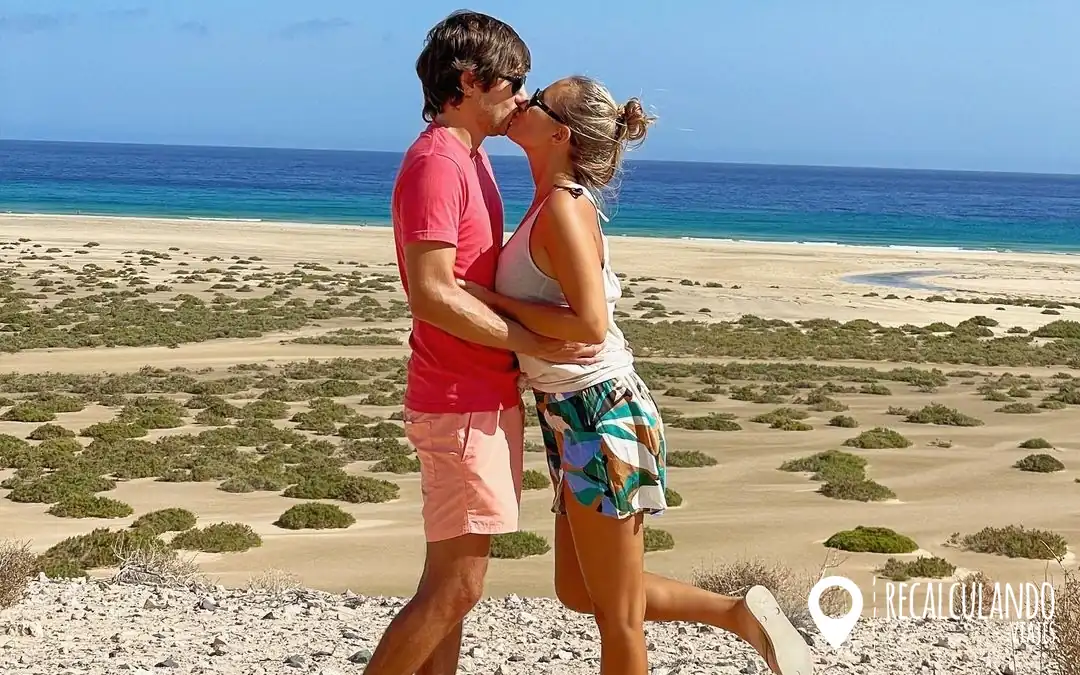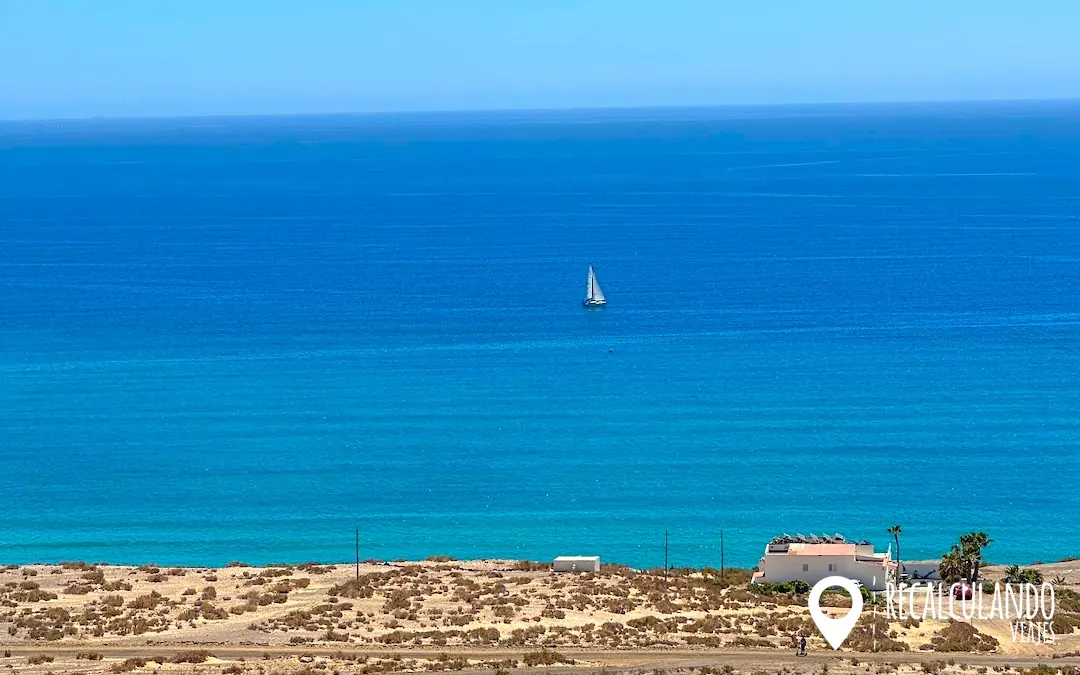
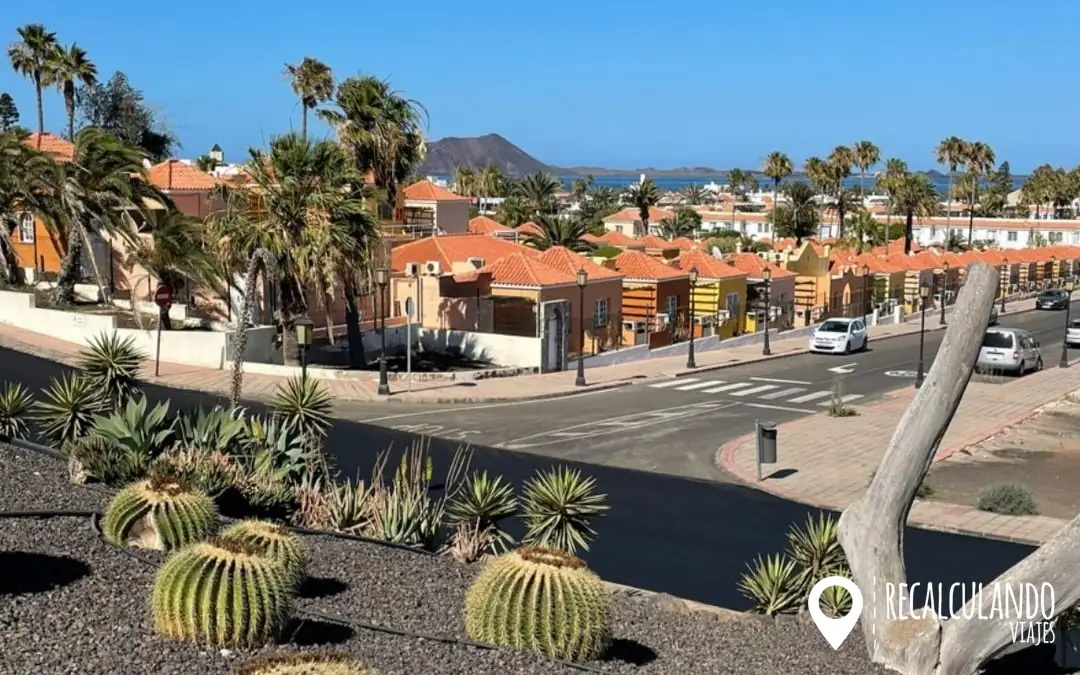
Fuerteventura has much more than beaches, even if they are spectacular. Its villages tell the real history of the island: that of shepherding, fishing, droughts, and Majorero resilience. And if you travel by car—which we recommend without hesitation—in a single day you can experience completely different realities.
Your content goes here. Edit or remove this text inline or in the module Content settings. You can also style every aspect of this content in the module Design settings and even apply custom CSS to this text in the module Advanced settings.
🌍 Travel Insurance: 5% Off with IATI Seguros! 🌟
Take advantage of this offer and travel safe.
Overview of Fuerteventura’s Villages
| Category | Details |
|---|---|
| Best time | March–May / September–November |
| Recommended days | Minimum 3–5 days |
| Transport | Rental car (essential) |
| Currency | Euro (€) |
| Language | Spanish |
| Highlights (Top 3) | Betancuria, El Cotillo, and Corralejo |
| Key gastronomy | Majorero cheese, papas arrugadas, fresh fish, and sancocho |
1. Betancuria — the most beautiful village in Fuerteventura
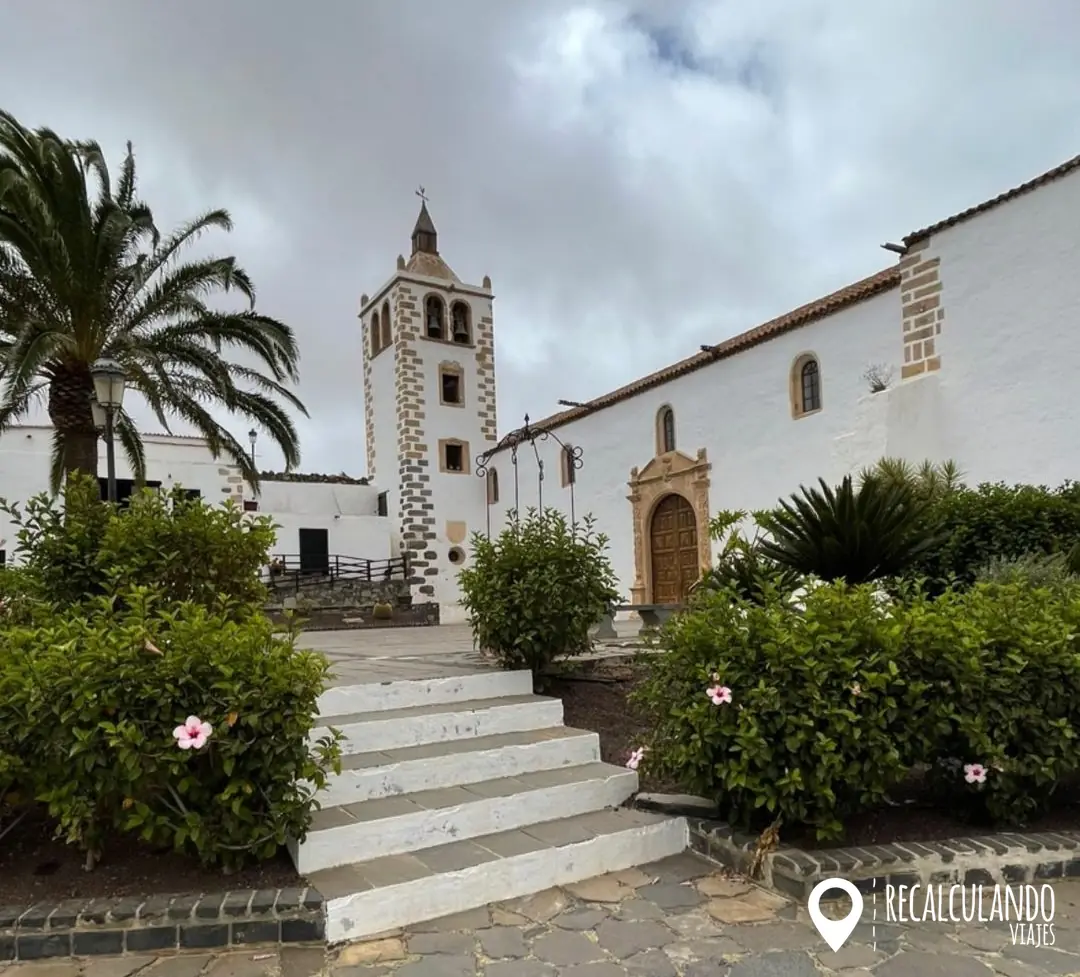
If there is one village in Fuerteventura you cannot miss, it is Betancuria. Founded in the 15th century by the Norman conqueror Jean de Béthencourt, it was the first capital of the island and today is, without a doubt, the most beautiful of them all. It is officially recognized as one of the most beautiful villages in Spain, and when you walk through its cobblestone streets surrounded by whitewashed houses, you understand why.
What surprised us the most the first time was the contrast with the rest of the island: while Fuerteventura is arid and windy, Betancuria is nestled among mountains and has lush greenery, with palm trees and gardens that appear suddenly. It feels like another world. The Church of Santa María, rebuilt in the 17th century after a pirate attack, is the heart of the village and is well worth exploring from the outside (the interior has an entrance fee that many travelers skip). The Barranco de las Peñitas, accessible on foot from the village, is a beautiful hiking route.
TIP: arrive early or in the late afternoon to avoid the tour groups that go at midday. In low light, the village is absolutely photogenic.
2. Corralejo — the liveliest village in the north
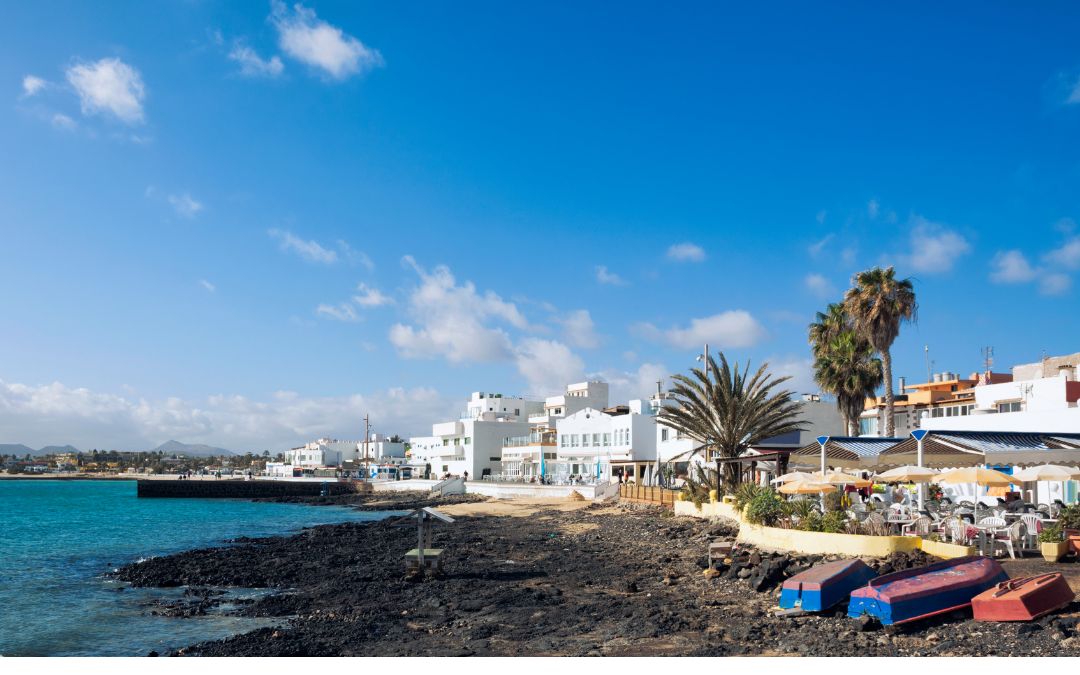
Corralejo was our first home in Fuerteventura, and we have a special fondness for it. It is the most touristy and lively village in the north of the island, with a promenade full of terraces, restaurants, and shops. But beyond the resort atmosphere, Corralejo retains some of its original fishing soul in the old harbor, where the locals’ boats share space with the ferries to Lanzarote.
The great draw of Corralejo is its dunes: the Corralejo Dunes Natural Park is one of the most impressive natural spaces in the Canary Islands, with kilometers of white sand and turquoise waters that look like the Caribbean. We spent countless afternoons there. Excursions to Isla de Lobos, an uninhabited nature reserve that you can constantly see from the coast and which is well worth a visit, also left from the port. You can read more about things to do in Corralejo in our complete guide, and also about its paradisiacal beaches.
TIP: if you go in November, Corralejo hosts the most famous kite festival in Europe. A free show on the beach.
3. El Cotillo — surf, lagoons, and top-tier sunsets
El Cotillo is, probably, the village we loved the most of all those we visited on the island. We lived there for a season, and it was one of the best experiences we’ve had. It is a fishing village in the northwest that grew slowly to the rhythm of surfing and kitesurfing, and maintains an authenticity that is no longer easy to find on the island.
South of the village is Playa del Castillo (or Piedra Playa), with strong waves and the old Tostón Castle guarding the coast. But the true magic is to the north: a series of natural lagoons with crystal-clear waters formed by rock reefs that protect the shore from the waves. The best-known is La Concha, but there are several more towards the Tostón Lighthouse. We used to sit there to watch the sunset, and time would simply stop. You can see our complete guide on things to do in El Cotillo so you don’t miss anything.
TIP: on Friday mornings, there is a local producers’ market in the square. Freshly cut Majorero cheese, palm honey, tomatoes… unmissable.
4. Morro Jable — the south with everything
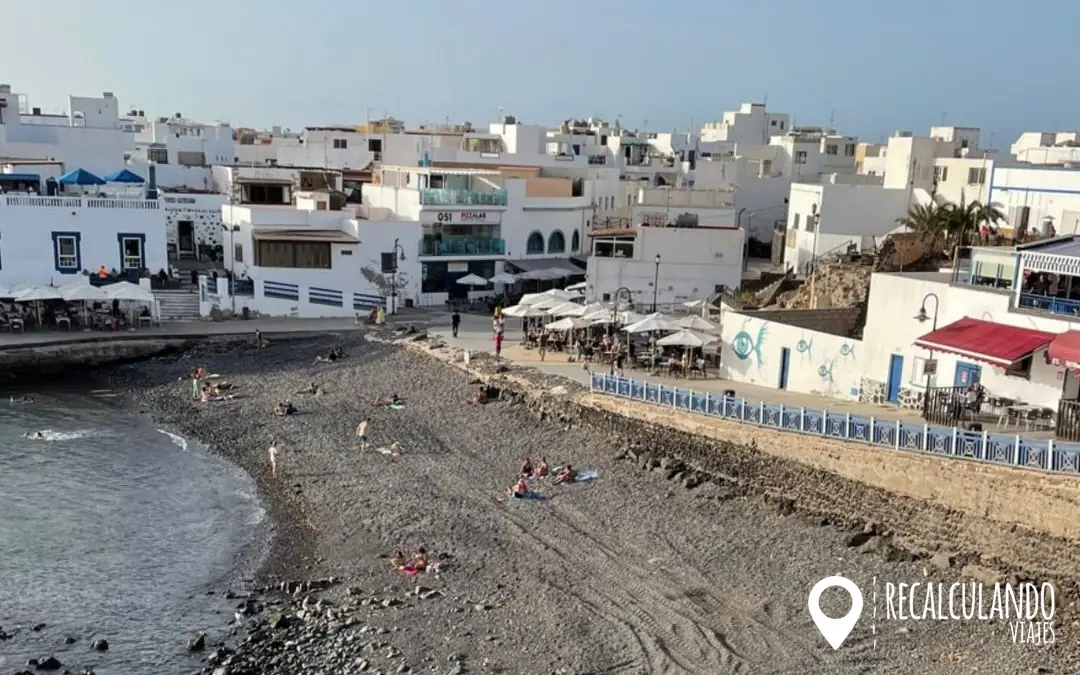
Morro Jable is the great village of southern Fuerteventura, and since we lived a season in Costa Calma, we have visited it dozens of times. It is at the end of the Jandía road, surrounded by Playa del Matorral —one of the longest and most beautiful beaches on the whole island— and with an old town of narrow streets and white houses that most tourists never get to explore.
The new promenade is lively and has a good gastronomic offer, but what we like most is going down to the fishing port at dawn when they unload the fish, or sitting on the terraces in the old town to watch the afternoon pass by. The Sotavento Lagoon and the famous viewpoint of the same name are within a short distance; in our guide to Morro Jable we tell you everything. There are also dolphin and whale watching excursions that leave from the port: one of the nicest experiences we had in Fuerteventura.
TIP: the old town of Morro Jable is in the upper part, towards the mountain. Many tourists only see the new promenade and miss the best part.
5. Ajuy — the village of caves and black sand
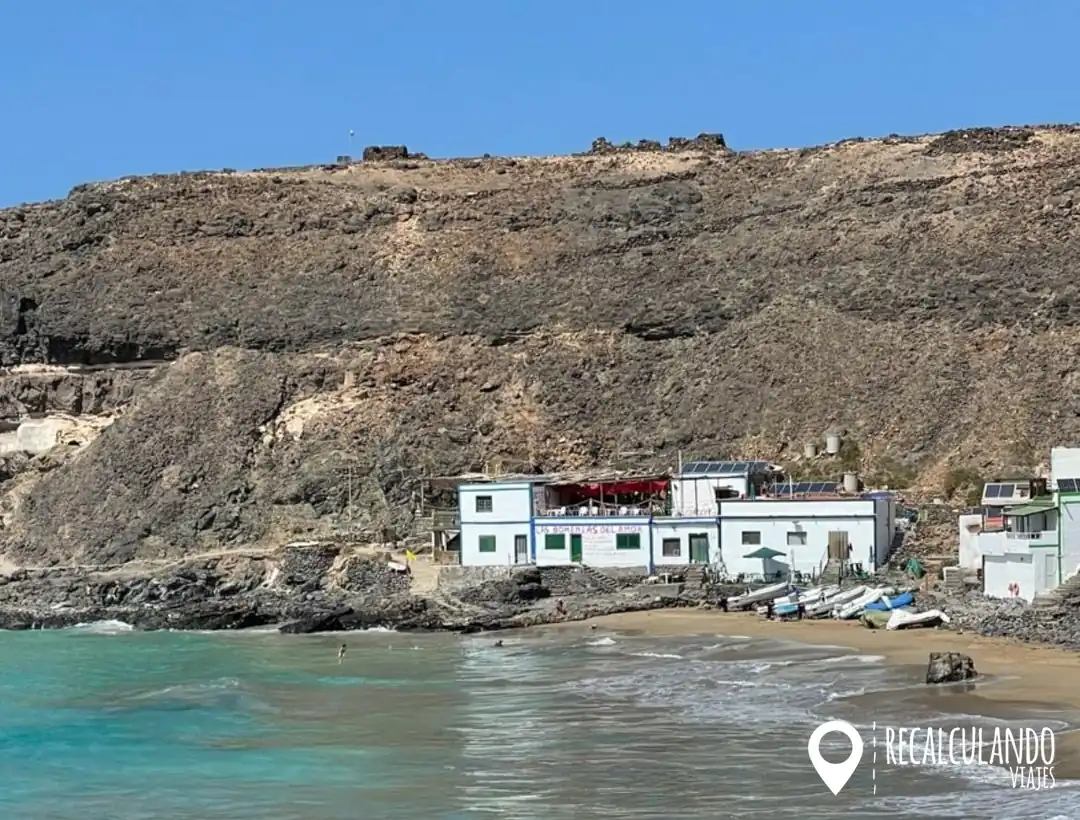
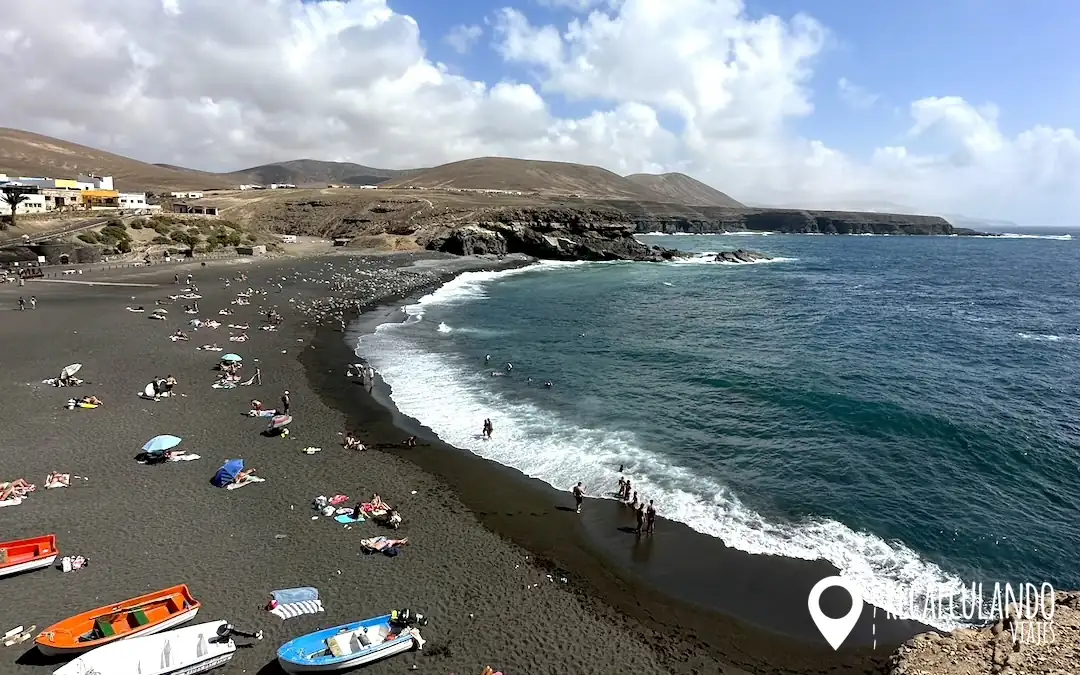
Ajuy is one of those places you didn’t expect and that leaves you speechless. A tiny fishing village on the west coast, with white and blue houses overlooking the Atlantic and a black volcanic sand beach that is absolutely unique on the island. We walked it several times and it always gave us that strange feeling of being in a place out of time.
But the great attraction of Ajuy is the Ajuy Caves, declared a Natural Monument. A short trail from the beach leads to impressive grottoes formed in cliffs more than 40 meters high, where the oldest rocks of the entire Canary archipelago are preserved: more than 100 million years old. Many travelers also recommend the fresh fish restaurants at the port; they are small and charming. Ajuy belongs to the municipality of Pájara and is about a 35-minute drive from Corralejo.
TIP: wear comfortable footwear for the cave trail. The cliffs are impressive, but you have to be careful with the waves on rough days.
6. La Oliva — history and architecture in the north
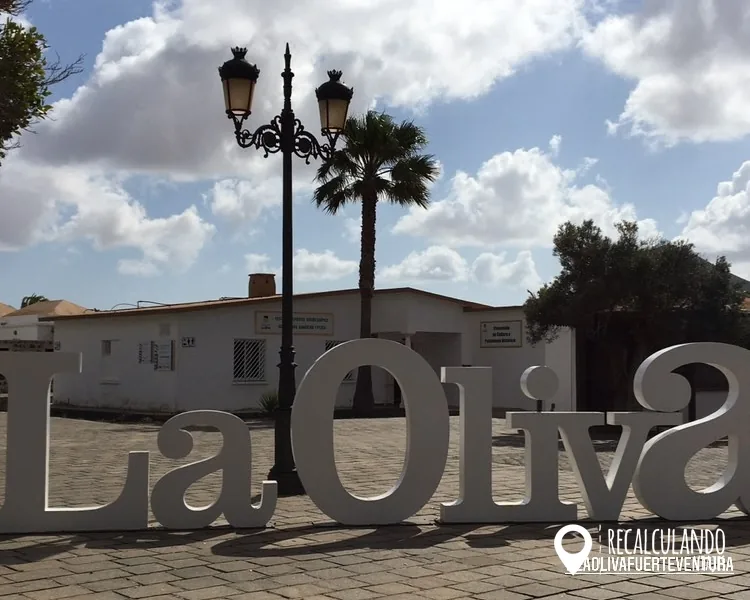
La Oliva is the capital of the northern municipality and a village that many pass by on their way to Corralejo, which is a mistake. It has a historic center with a stately architecture that you won’t find anywhere else on the island, a result of having been the seat of military power during the 18th century.
The star is the Casa de los Coroneles, an 18th-century palace that for decades was the seat of colonial power in Fuerteventura. It is one of the most unique buildings in all the Canary Islands, and many travelers recommend visiting it, although we admired it from the outside. The Church of Nuestra Señora de Candelaria, with its black volcanic stone tower that contrasts with the white walls, is another point you cannot miss. The village itself is small and quiet, ideal for a half-hour stop on the road.
TIP: the combination of La Oliva + Lajares + El Cotillo is a perfect route for a full day in the north of the island.
7. Lajares — the village of surf art and slow breakfasts
If Fuerteventura had a “cool” village, it would be Lajares. A few kilometers from El Cotillo, this small inland village has been transformed in recent years into a meeting point for the surfing community, with specialty cafes, yoga studios, vegetarian restaurants, and surfboard and beachwear shops. A very strange mix with the traditional stone windmills that surround the village.
We had breakfast there countless times when we lived in El Cotillo: the atmosphere is relaxed, the prices are reasonable, and the people —a mix of local Canarians, Europeans who have been there for years, and passing digital nomads— are very friendly. There is also a lace-making school, traditional island craftsmanship still practiced by the older women of the village. Lajares is small, you can walk around it in twenty minutes, but those twenty minutes are worth a lot.
TIP: the Lajares market on Saturday mornings is one of the best on the island. Local crafts, Canarian food, and great vibes.
👩⚕️👨⚕️ A must-have for stress-free travel! 🌎✈️ ➜ Get a Quote, Compare & Buy
8. Gran Tarajal — the tourist-free city in the south
Gran Tarajal is the second largest city in Fuerteventura and, interestingly, one of the least touristy. It is on the east coast, south of the capital, and has a personality all its own: a dark sand beach with a Blue Flag, a beautiful promenade to walk along, and a 100% local atmosphere that makes you feel like you are really traveling.
We love Gran Tarajal precisely for that: there are no souvenir shops, there are no restaurants with menus in eight languages. There are fishermen’s guilds, local ice cream parlors, and street art murals on the walls. We have a complete guide to Gran Tarajal if you want to dive deeper. It is also the perfect starting point to reach Las Playitas, a small fishing village with a beautiful beach that many don’t know about.
TIP: the Arena Negra festival in summer turns the promenade into a live music stage. If you happen to be there on those dates, don’t miss it.
9. Antigua — windmills, cheese, and tranquility
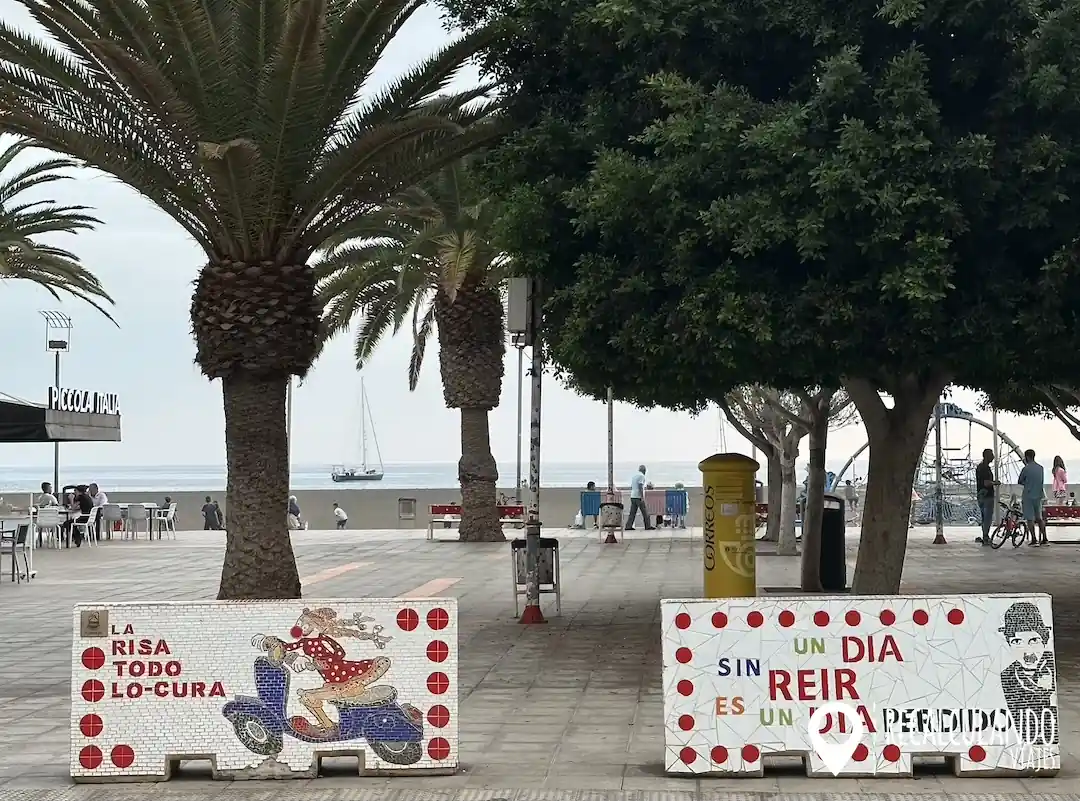
Antigua is one of those Fuerteventura villages that many travelers mention on the road but few actually stop at. And that is a mistake, because it has a very distinct character: streets with white and terracotta architecture, a 17th-century hermitage that gives the village its name, and a restored windmill that is one of the most photogenic on the island.
The great gastronomic attraction of Antigua is the Majorero cheese, the only cheese from the Canary Islands with a Protected Designation of Origin, which is produced in the area. Many travelers recommend visiting the Majorero Cheese Museum, which also has a windmill and a cactus garden nearby. As far as we are concerned, we stick with the experience of trying the cheese in one of the village shops, directly from the local producer, with a touch of mojo rojo on top. Brilliant!
TIP: Antigua is well combined with Betancuria and Tiscamanita on a route through the interior of the island.
10. Tiscamanita — windmills and aloe vera
Tiscamanita is a small village in the municipality of Tuineje that almost no one knows, but it has a very particular identity: its stone windmills dot the semi-desert landscape with a visual plasticity that mesmerizes. It is also an aloe vera growing area, and in the surroundings, you can see the plantations and buy handmade products directly.
It is not a village to spend the day in, but it is one to make a half-hour stop and enjoy the silence, the light, and that particular Canarian landscape where the sky and the arid earth seem to merge. If you are going to take the route through the interior of the island —which we highly recommend— Tiscamanita is one of those stops that rewards you with incredible photographs.
TIP: the wood-fired bread that some artisans in the village make is one of the most genuine delicacies we tried in Fuerteventura.
11. Caleta de Fuste — the family comfort of the east
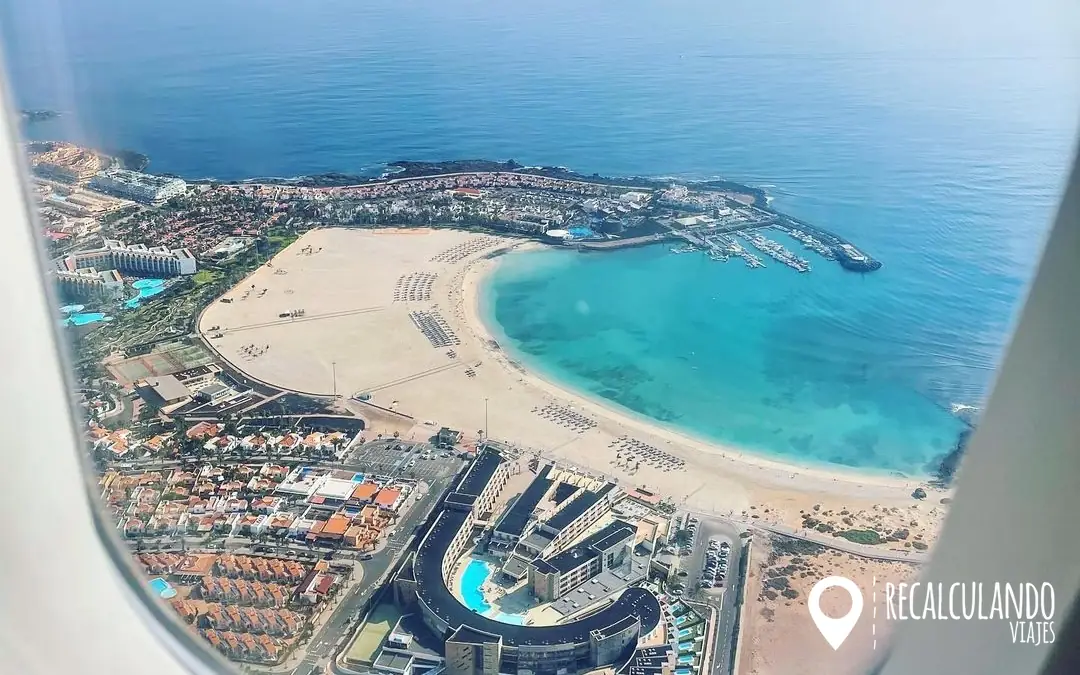
Caleta de Fuste is the most organized tourist area in the east of the island, and although it lacks the rustic charm of other Fuerteventura villages, it has a concrete offering that works very well: a beach with calm, horseshoe-shaped waters, a marina with all kinds of water activities, and a very complete hotel and restaurant infrastructure.
It is just 10 minutes from the airport, making it a very comfortable option if you arrive late or leave early. Many travelers also recommend the Salinas del Carmen, traditional salt flats with a small museum about the history of salt on the island, which are a few kilometers from Caleta. A different, free visit that is worth it if you are in the area.
TIP: Caleta de Fuste is the departure point for many boat excursions to the south. From the port, there are dolphin watching tours and sports fishing trips.
12. Puerto del Rosario — the capital without filters
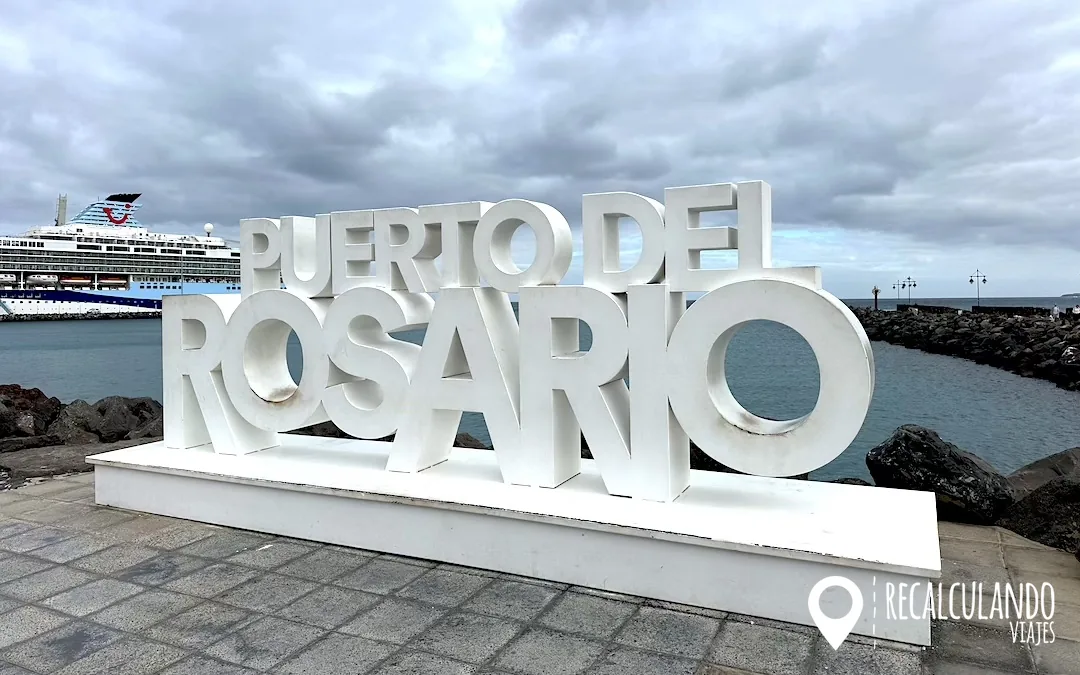
Puerto del Rosario has been the capital of Fuerteventura since 1860 and the administrative center of the island. It is not the most picturesque of stops, but it has its own energy: it is Fuerteventura without tourist filters, where people work, live, and go about their things in total normality. If you arrive by plane, you almost inevitably pass through it if you are going to the north.
What is surprising about Puerto del Rosario is the amount of street art it has. The walls of the city are practically an open-air gallery with murals by Canarian and international artists. Also notable is the Church of Nuestra Señora del Rosario and the Unamuno House Museum, which remembers the Spanish writer’s exile on the island. Many travelers also recommend the historic lime kilns on the promenade. We use it mainly as a transit and logistics point, it has the largest shopping center on the island and excellent restaurants, but if you have free time there, the coastal walk is also pleasant.
TIP: the Puerto del Rosario market on Saturdays in the central park is one of the largest and most varied on the island.
13. Pájara — the quiet village of the southwest
Pájara is the capital of the largest municipality in Fuerteventura and one of the least known to tourists. It is in the interior of the southwest, surrounded by mountains, and has an almost unreal tranquility. Its church —the Church of Nuestra Señora de Regla— stands out for having a facade decorated with pre-Columbian motifs that is absolutely unique in the Canary Islands and throughout Spain.
Many travelers recommend Pájara as a base to explore the Ajuy area and the wild beaches of the west coast. The village itself is small and serene, with a square with Indian laurels that provides plenty of shade and which the locals use to have their morning coffee. It is one of those places where you feel that life moves at a different pace, and sometimes that is exactly what you are looking for.
TIP: combine Pájara with a visit to Ajuy and the west coast. The access road is narrow, but the landscape is spectacular.
14. Puertito de los Molinos — the most hidden village
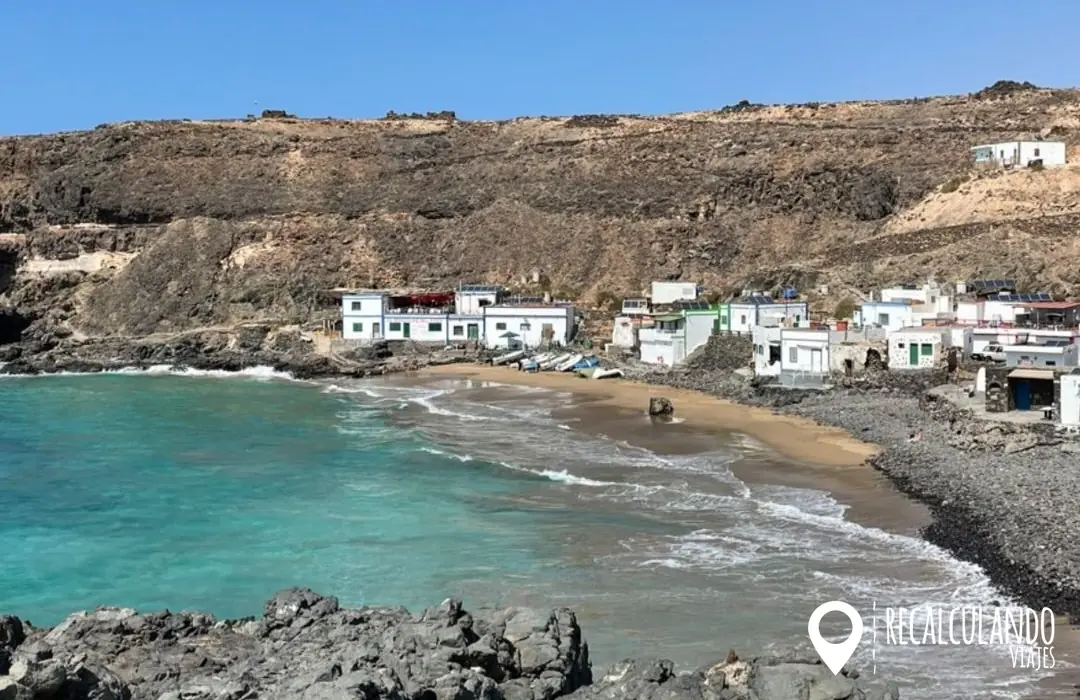
Puertito de los Molinos is, possibly, the most hidden place on this list. A small fishing village in the municipality of Puerto del Rosario, practically without tourism, with barely a handful of houses overlooking a bay of cliffs. The feeling of arriving there is one of having found a secret.
The great attraction is the Cueva de los Molinos, accessible only during low tide: the ocean retreats and reveals a sand path that leads to the cave. It is quite a unique experience. The two or three restaurants in the village serve fresh fish with sea views; many travelers who know it point to it as one of the best fish on the island at a reasonable price. If you are looking for an authentic Fuerteventura, Puertito de los Molinos is your place.
TIP: check the tide tables before going if you want to visit the cave. At high tide, it is not accessible.
15. Las Playitas — the village at the end of the Majorero world
Las Playitas is at the southeastern end of the island, in the municipality of Tuineje, and has that charm of places that mass tourism has not yet fully discovered. It is a fishing village with a dark sand beach, a port where fishermen still work, and an atmosphere of total tranquility. There is also a fairly large sports complex where many European teams do their preseason training, which gives it a quite particular character.
We visited it several times from Morro Jable and Gran Tarajal, and each time we liked it more. It doesn’t have major attractions, but it has something difficult to explain: authenticity. The village’s Fishermen’s Guild is a reference for eating in Las Playitas the best fresh fish in the southern area. To close the route of Fuerteventura’s villages, it is a perfect stop.
TIP: from Las Playitas you are very well located to go to the Cofete Viewpoint and the beach of the same name, one of the wildest and most spectacular on the island.
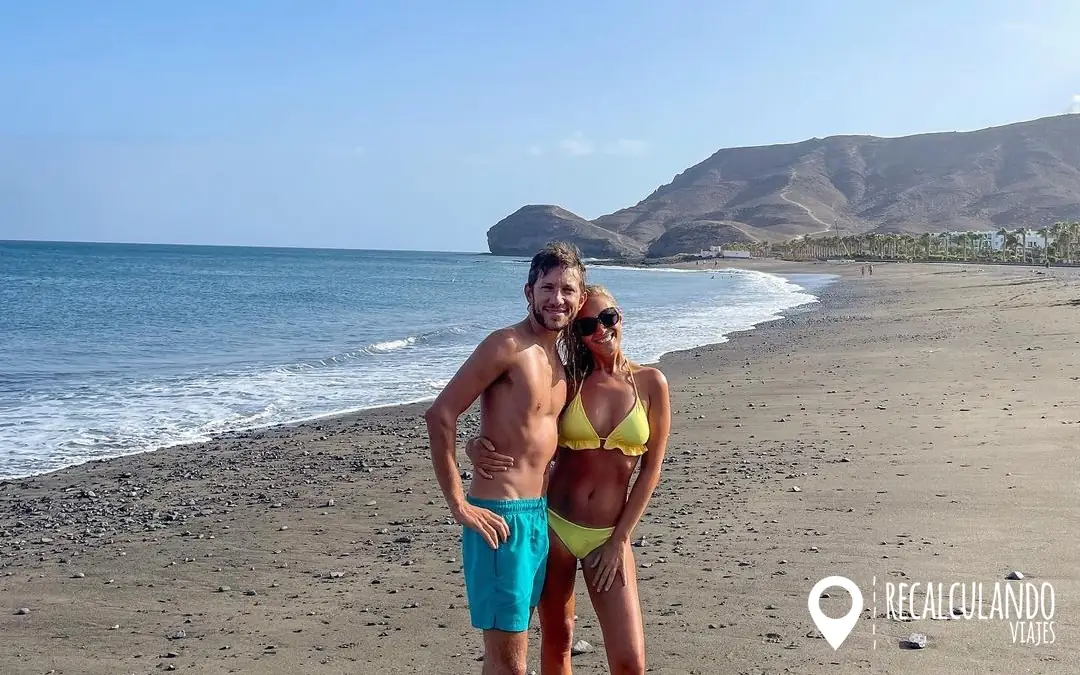



Itinerary through the villages of Fuerteventura
1-day itinerary through the villages of Fuerteventura
If you only have one day, do the classic inland route: start in Betancuria early (1.5 h), continue through Antigua to see the windmill and try the Majorero cheese (1 h), and close the afternoon in El Cotillo for the lagoons and the sunset (2 h). Take a car and supplies, as some sections of the interior have no services.
2-day itinerary through the villages of Fuerteventura
Day 1 (north): Corralejo → La Oliva → Lajares → El Cotillo with sunset at the lagoons. Day 2 (interior and south): Betancuria → Antigua → Tiscamanita → Gran Tarajal or Las Playitas to eat fresh fish.
3-day itinerary through the villages of Fuerteventura
With three days you can add Ajuy and Pájara (west), Morro Jable and Las Playitas (south), and also take advantage of excursions from the port of Corralejo to Isla de Lobos. It is the pace we recommend so you don’t feel rushed and really enjoy each stop.
4-day itinerary through the villages of Fuerteventura
With four days you can explore all of the above with more calm and add Puertito de los Molinos, Caleta de Fuste, and Puerto del Rosario (it is the capital, more for shopping, there is the shopping center or also very good restaurants). There is also time to do some of the hiking routes in the Betancuria Rural Park or the more distant beaches like Cofete.
March–May / Sept–Nov
Minimum 3–5 days
Rental car essential
Euro (€)
Spanish
Where to stay in Fuerteventura
The accommodation offer in Fuerteventura is enormous. From all-inclusive complexes in Morro Jable and Corralejo to rental apartments in El Cotillo or Lajares for a more local experience. We always prefer apartments to have a kitchen and more freedom of movement.
North Zone (Corralejo / Lajares / El Cotillo): ideal if you want surf, kitesurf, young atmosphere, and easy access to the north of the island. There are many rental apartments, especially in El Cotillo, which is where we stayed the longest and enjoyed the most.
South Zone (Morro Jable / Costa Calma / Jandía): perfect for long beaches, calm waters, and a more family-friendly atmosphere. All-inclusive complexes are very common here.
Interior / Capital: Puerto del Rosario and Antigua are more economical and central options to tour the island, although they have less tourist atmosphere.
You can search and compare options on the map below, which includes hotels, apartments, and other properties throughout the island, with prices included:
How to get to Fuerteventura
Fuerteventura has an international airport (FUE) located just 6 km from the capital, Puerto del Rosario. From Europe, there are direct flights from Madrid, Barcelona, London, Frankfurt, Amsterdam, and other cities. Low-cost airlines like Ryanair, Vueling, and EasyJet have frequent routes in high season.
You can also arrive by ferry from Lanzarote (30 minutes from Playa Blanca to Corralejo, with Baleària) or from Gran Canaria and Tenerife with Fred Olsen or Naviera Armas.
To move between villages, renting a car is practically essential. Agencies at the airport and in Corralejo have good rates, especially if you book in advance. Cicar is the main one that operates throughout the Canary Islands with fairly fixed prices without surprises of extra charges on cards and is quite recommended (you can book on their website at no cost).
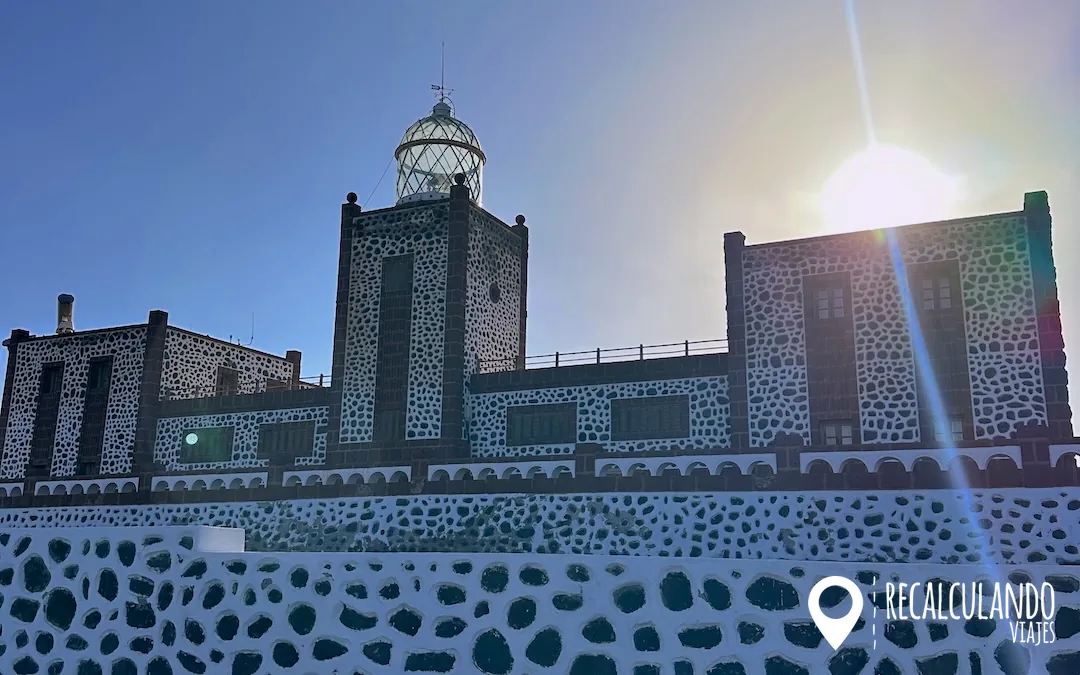
Faro de la Entallada – Fuerteventura
How to get around Fuerteventura
The best and most flexible way is a rental car. Without a car, inland villages like Betancuria or Ajuy are almost inaccessible. Tiadhe buses cover the main routes (Corralejo – Puerto del Rosario – Morro Jable), but schedules are limited and they don’t reach the smaller villages. Bicycles and motorcycles are interesting options for short distances, especially in the north. In Corralejo and El Cotillo, there are several rentals.
What to eat in the villages of Fuerteventura
Majorero gastronomy is simple, honest, and very tasty. The dishes you cannot stop trying in Fuerteventura’s villages are Majorero cheese with red or green mojo (the best version is in Antigua and the rural markets), papas arrugadas, grilled fresh fish (in the ports of Ajuy, El Cotillo, and Las Playitas), the Canarian fish broth —much tastier than the name suggests— and sancocho, a stew of salted fish with potatoes that is the most traditional dish on the island. The Fuerteventura markets are also an excellent place to try local products and crafts.
Travel insurance for Fuerteventura
Although Fuerteventura is Spain and European citizens have health coverage with the European Health Insurance Card, if you come from Argentina or another country outside the EU, you need travel insurance. And the truth is that we recommend it for everyone: activities like surfing, hiking, or water sports can generate unforeseen expenses that good insurance covers without a problem.
We always travel with IATI Insurance, which covers medical assistance, cancellations, and adventure sports. You can get a 5% discount from this LINK.

Excursions from the villages of Fuerteventura
From Fuerteventura, there are fantastic excursions that leave mainly from Corralejo and Morro Jable. The most popular are the visit to Isla de Lobos (from Corralejo, 30 minutes by boat, ideal for snorkeling and hiking), cetacean watching excursions from Morro Jable (dolphins and whales are frequent in the Jandía strait), and 4×4 excursions through the island’s interior and southern Jandía. There are also options to go to Lanzarote for a day, by ferry from Corralejo. You can compare organized excursions on Civitatis.
Excursiones y Tours en Fuerteventura
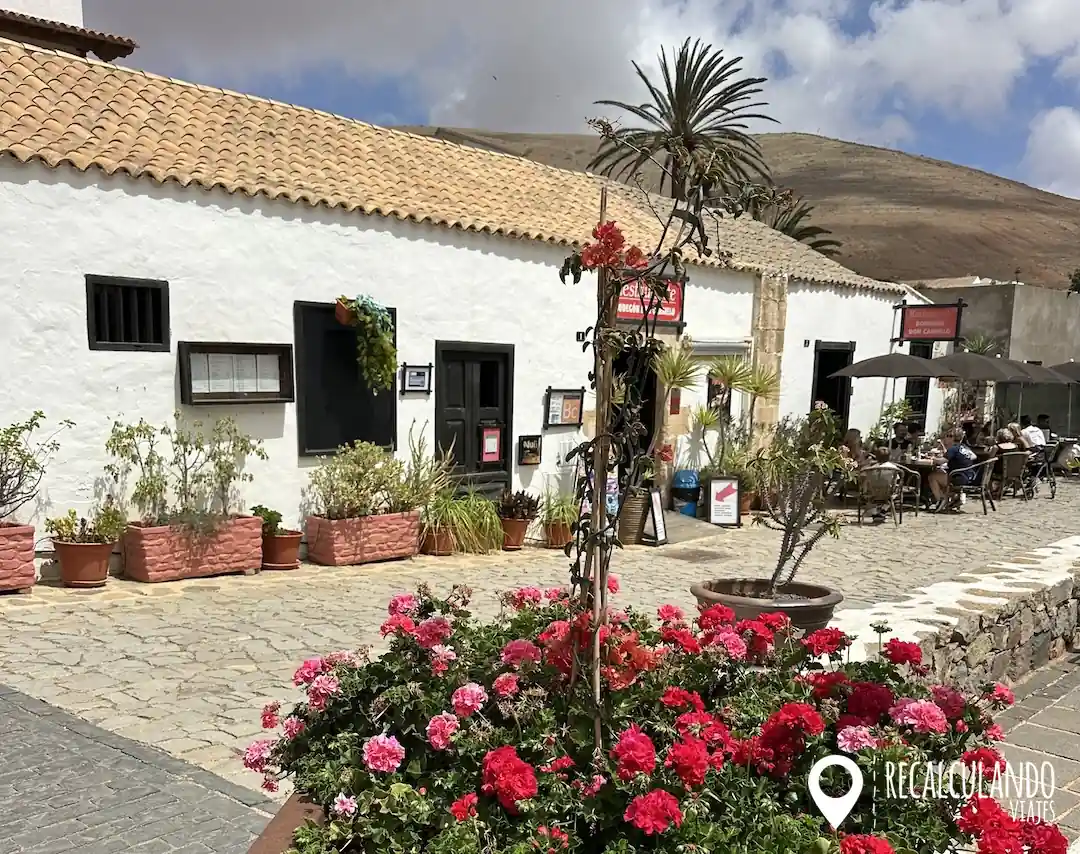
Map of Fuerteventura’s villages
So you can organize your route, we leave you the map with all the villages we mentioned in this guide. You can use it directly from your mobile phone to mark the day’s stops.
| Village | Zone | Best of | Traveler type | Car? |
|---|---|---|---|---|
| Betancuria | Center-west | Most beautiful village on the island, cobblestone streets, historic church | Culture and history | ✅ Yes |
| El Cotillo | Northwest | Natural lagoons, sunsets, surfing, authentic atmosphere | Surf, nature, nomads | 🟡 Recommended |
| Corralejo | North | Natural dunes, lively atmosphere, ferry to Lobos and Lanzarote | All types of traveler | 🟡 Recommended |
| Morro Jable | South | Matorral Beach, old town, whale watching | Families and couples | 🟡 Recommended |
| Ajuy | West coast | Caves declared Natural Monument, black sand beach | Nature and hiking | ✅ Yes |
| Lajares | North | Saturday market, surf atmosphere, cafes and windmills | Nomads and surfers | 🟡 Recommended |
| La Oliva | North | Casa de los Coroneles, church with black volcanic tower | History and architecture | ✅ Yes |
| Antigua | Center-east | Majorero cheese DOP, photogenic windmill, quiet village | Gastronomy and relax | ✅ Yes |
| Gran Tarajal | South-east | 100% local atmosphere, street art, dark sand beach | Authentic travelers | ✅ Yes |
| Pájara | South-west | Church with pre-Columbian facade unique in Spain, total silence | Culture and tranquility | ✅ Yes |
| Tiscamanita | Center | Windmills, aloe vera, photogenic volcanic landscape | Photography and nature | ✅ Yes |
| Caleta de Fuste | East | Horseshoe beach with calm waters, near the airport | Families, first visit | 🟡 Recommended |
| Puerto del Rosario | East (capital) | Street art, local atmosphere, logistics point | Transit and curious | ❌ Not necessary |
| Puertito de los Molinos | Northwest | Hidden hamlet, cave accessible at low tide, fresh fish | Adventurers and off the beaten path | ✅ Yes |
| Las Playitas | South-east | Authentic fishing village, best fresh fish in the south | Gastronomy and tranquility | ✅ Yes |
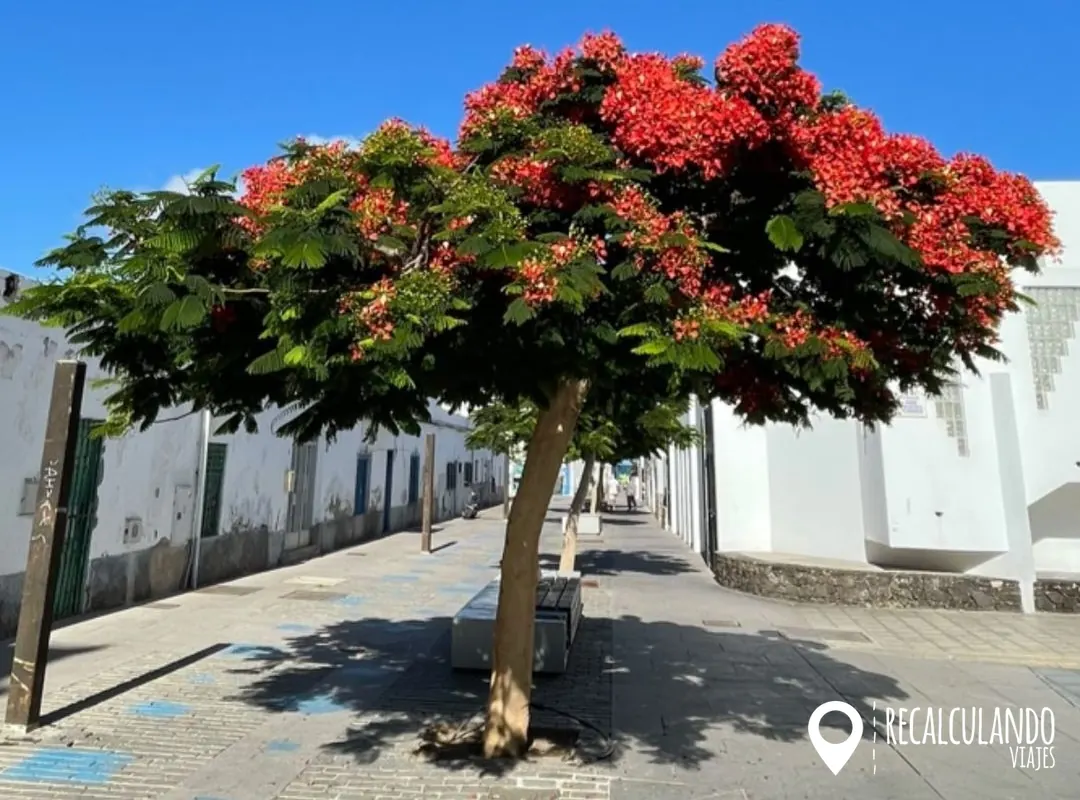
Frequently asked questions about the villages of Fuerteventura
Which is the most beautiful village in Fuerteventura?
Betancuria is considered the most beautiful village in Fuerteventura and one of the most beautiful in Spain. It is the old capital of the island, founded in the 15th century, and preserves its traditional architecture, cobblestone streets, and the church of Santa María almost intact.
How many municipalities does Fuerteventura have?
Fuerteventura has 6 municipalities: La Oliva (north), Puerto del Rosario (capital and east), Betancuria (center-west), Antigua (center-east), Pájara (south-west), and Tuineje (south-east). Within each municipality, there are numerous villages and hamlets with their own character.
At what time of the year is it best to visit the villages of Fuerteventura?
Fuerteventura has a pleasant climate all year round. To visit inland villages like Betancuria, the spring months (March-May) and autumn (September-November) are ideal: mild temperatures and fewer tourists. Summer is also very good but hotter in the interior.
Can you visit the villages of Fuerteventura without a car?
For the most touristy coastal villages like Corralejo, El Cotillo, or Morro Jable there are buses (Tiadhe), but for inland villages like Betancuria, Ajuy, or Tiscamanita you need a car or an organized excursion. We recommend renting a vehicle to be able to explore the island at your own pace.
What is the most surprising thing about the villages of Fuerteventura?
What is most striking is the variety: in a few kilometers you go from a black sand fishing village like Ajuy to a green oasis like Betancuria, or from the liveliness of Corralejo to the total solitude of Puertito de los Molinos. The island has much more than beaches to show.
Which is the quietest village in Fuerteventura?
The quietest and most authentic villages in Fuerteventura are Ajuy, Puertito de los Molinos, Tiscamanita, and La Ampuyenta. They are small hamlets almost without mass tourism where you can enjoy the most authentic Fuerteventura and the local rhythm of life.
Conclusion: the villages of Fuerteventura are worth the detour
After more than five years living seasons in Fuerteventura, we continue to discover new corners every time we return. The villages of Fuerteventura are, for us, the most honest and least known part of this incredible island. From the historical elegance of Betancuria to the solitude of Puertito de los Molinos, passing through the surfing and sunsets of El Cotillo or the fresh fish of Ajuy: there is a Fuerteventura for every type of traveler.
If you have any questions or want to know more about a particular village, leave us a comment below. And if you feel like continuing to explore the Canary Islands, don’t miss our comparison of Fuerteventura or Lanzarote and our guide to the best beaches in Fuerteventura. Have a good trip!
ℹ️ **Total Transparency**
This article contains affiliate links. If you book through these links, we may receive a small commission at no additional cost to you. We only recommend services we use on our travels and trust. This helps us keep this blog free and continue creating useful content for you. Thanks for your support!
🔗 Resources & Useful Links for your trip to Fuerteventura
Do you have questions or want to add your own recommendations about the Villages of Fuerteventura?
💬 Leave your comment or write to us, we love reading the experiences of other travelers.
Thank you very much for being part of this adventure!— Nanu & Facu 🌎 | Recalculando Viajes 💜