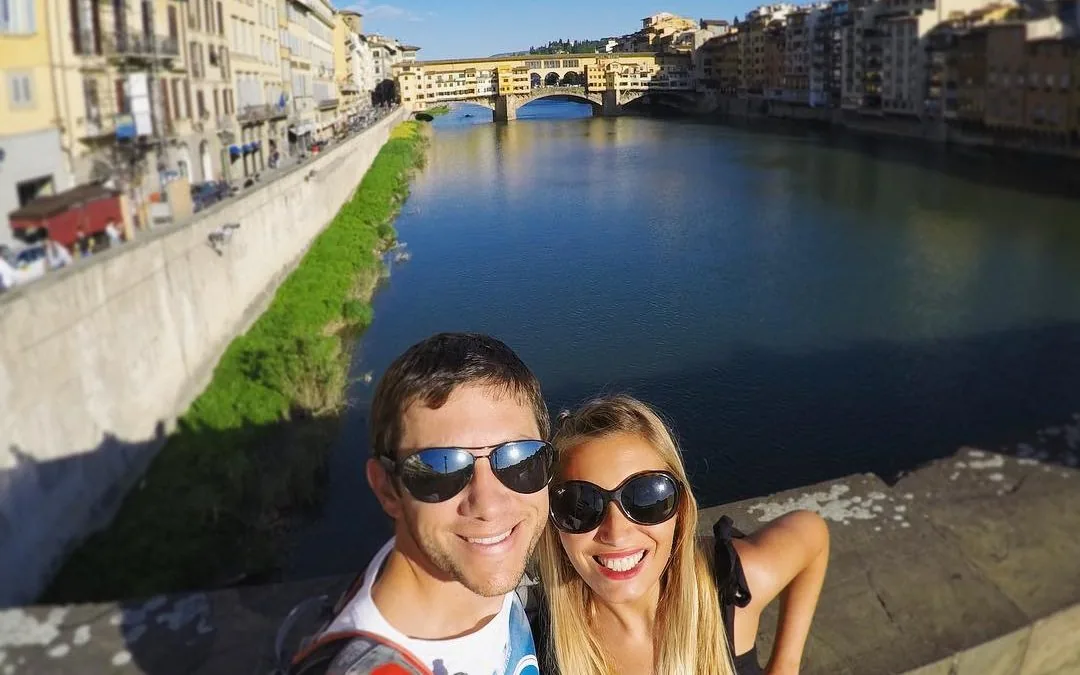
Florence stole our hearts. We lived there for a little over a month, in mid-spring, and took a four-week Italian course one block from the Basilica of Santa Croce. That gave us the luxury of exploring it with no rush: going back to the squares again and again, having breakfast on the benches of Santa Croce during our class breaks and walking about 30 blocks every day from our apartment to the center.
Florence is an open-air museum. In this guide we tell you about the best things to do in Florence: the 22 essential places, with what we experienced at each one, prices and opening hours updated for 2026, and our best money-saving trick: the first Sunday of the month.
FREE🚶♀️➡️Free walking tour of Florence in English ➜ Click Here🚶 — no cost, just the tip you want to leave.
🌍 Travel Insurance: 5% Off with IATI Seguros! 🌟
Take advantage of this offer and travel safe.
Summary: things to do in Florence
| Category | Key details |
|---|---|
| Must-sees | The Duomo and Brunelleschi’s Dome, Piazza della Signoria, the Uffizi, the Ponte Vecchio, the David and Piazzale Michelangelo |
| Recommended days | 2 days for the essentials · 3 or 4 to add the gardens and day trips |
| Money-saving trick | First Sunday of the month: state museums are free (Uffizi, Accademia, Pitti, Boboli) |
| Must book | The Duomo dome (timed slot and ID) and the Palazzo Vecchio tower |
| Getting around | On foot: the center is small. Watch out for the ZTL if you’re driving |
| Getting there | T2 tram from the airport (20 min) · train from Rome in 1 h 25 min |
| Day trips | Pisa, Siena and San Gimignano |
1. Piazza del Duomo and the Cathedral of Santa Maria del Fiore
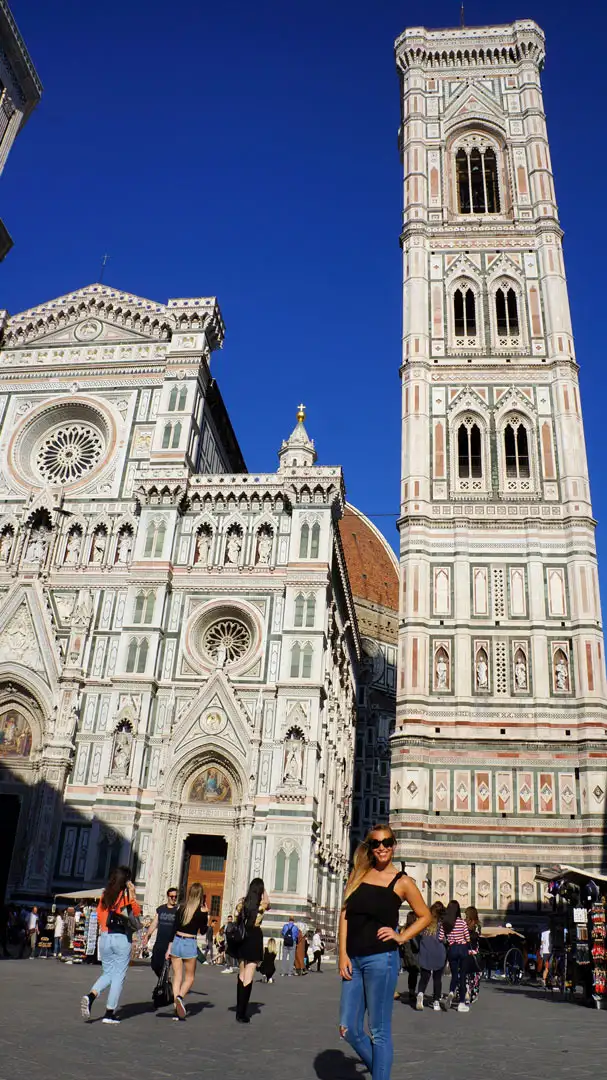
Arriving at Piazza del Duomo for the first time is one of those moments you never forget: the white, green and pink marble facade is so big that it’s hard to fit it all in one photo. The Cathedral of Santa Maria del Fiore is free to visit, with no booking, Monday to Saturday from 10:15 to 15:45 (it’s closed on Sundays and during religious services).
You do have to queue, though: we waited about 30 minutes. We recommend walking all the way around the outside of the cathedral before going in, to get a sense of how huge it is.
2. Brunelleschi’s Dome
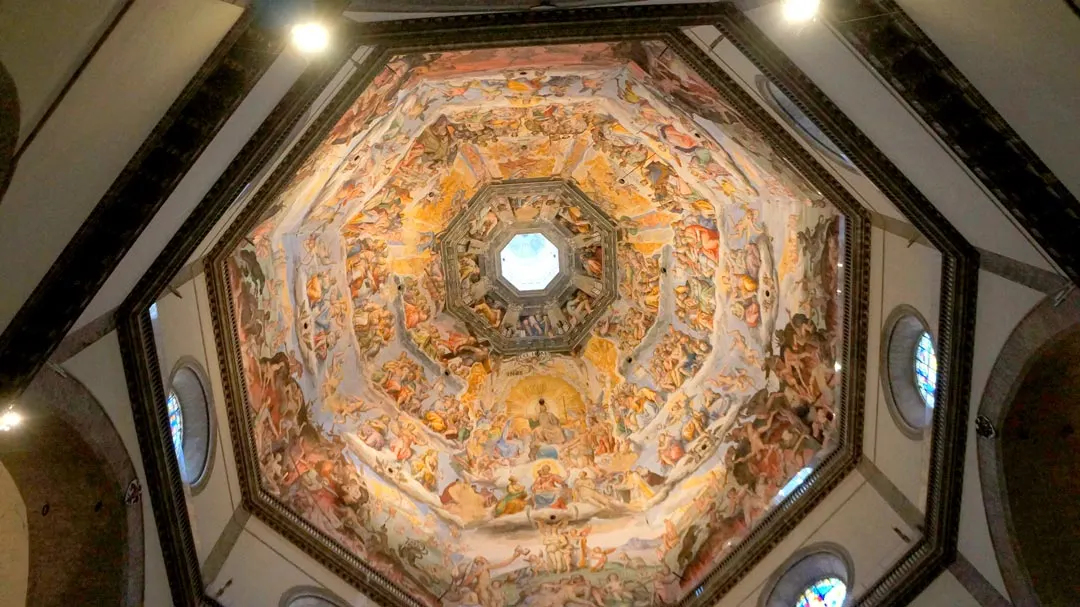
Climbing Brunelleschi’s Dome means 463 steps with no lift, through narrow passages between the two shells of the dome, but the view of Florence from the top is worth it. You can only climb it with the Brunelleschi Pass (€30, €12 for ages 7 to 14), which also includes the bell tower, the baptistery, the museum and the crypt of Santa Reparata, and is valid for 3 days.
Since 1 March 2025 you have to book a time slot for the dome and bring photo ID. Buy in advance on the official Duomo website.
3. Giotto’s Bell Tower
Next to the cathedral stands Giotto’s Campanile, the bell tower: 414 steps and one of the best views of the dome. If you don’t want (or can’t get) a slot for the dome, it’s the perfect alternative. It’s included in the Giotto Pass (€20), which adds the baptistery, the museum and the crypt.
4. The Baptistery of St John
Opposite the cathedral, the Baptistery is one of the oldest buildings in Florence, famous for its bronze doors. You can get in with any of the Duomo passes; the cheapest is the Ghiberti Pass (€15). Heads-up: in 2026 the mosaics on the ceiling are being restored and can’t be seen.
5. Piazza della Signoria and the Loggia dei Lanzi
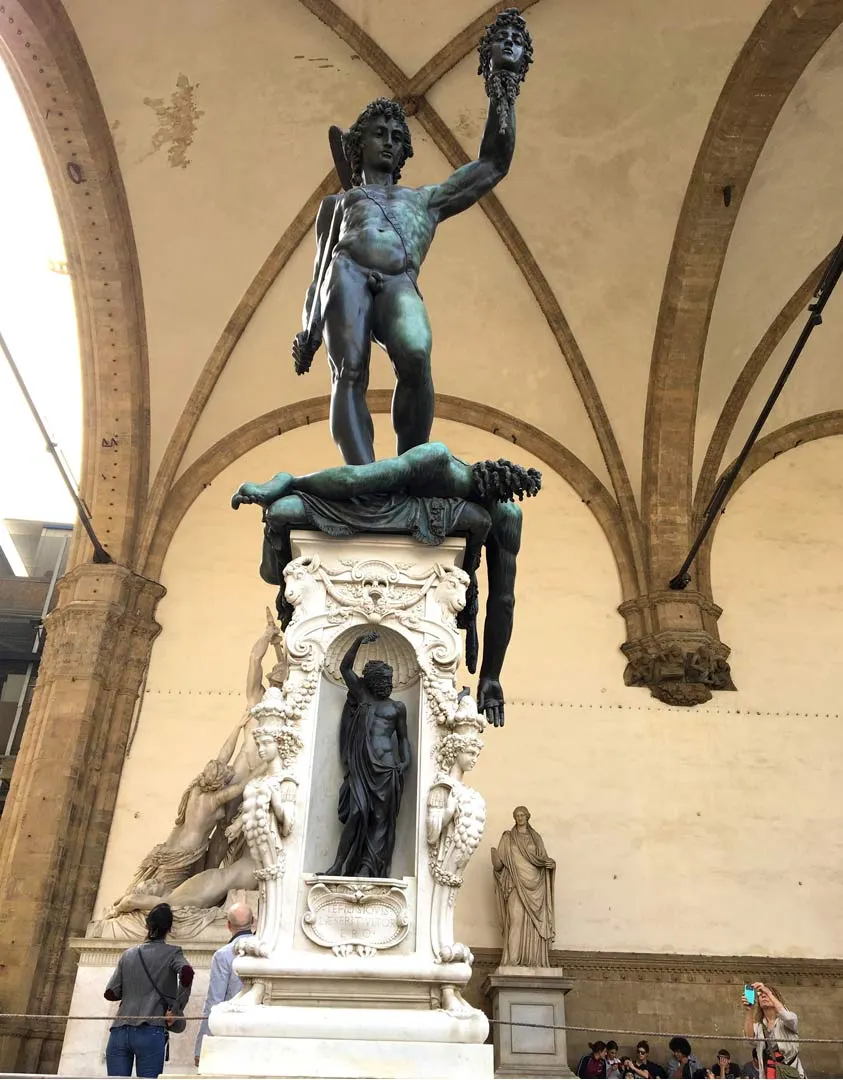
Piazza della Signoria is the political heart of Florence and one of our favorite squares: every time we walked through it we found something new. Here you’ll find the Palazzo Vecchio, the equestrian statue of Cosimo I de’ Medici, the Fountain of Neptune (which was under restoration the whole month we were there) and the Loggia della Signoria, a free open-air sculpture museum.
6. Palazzo Vecchio
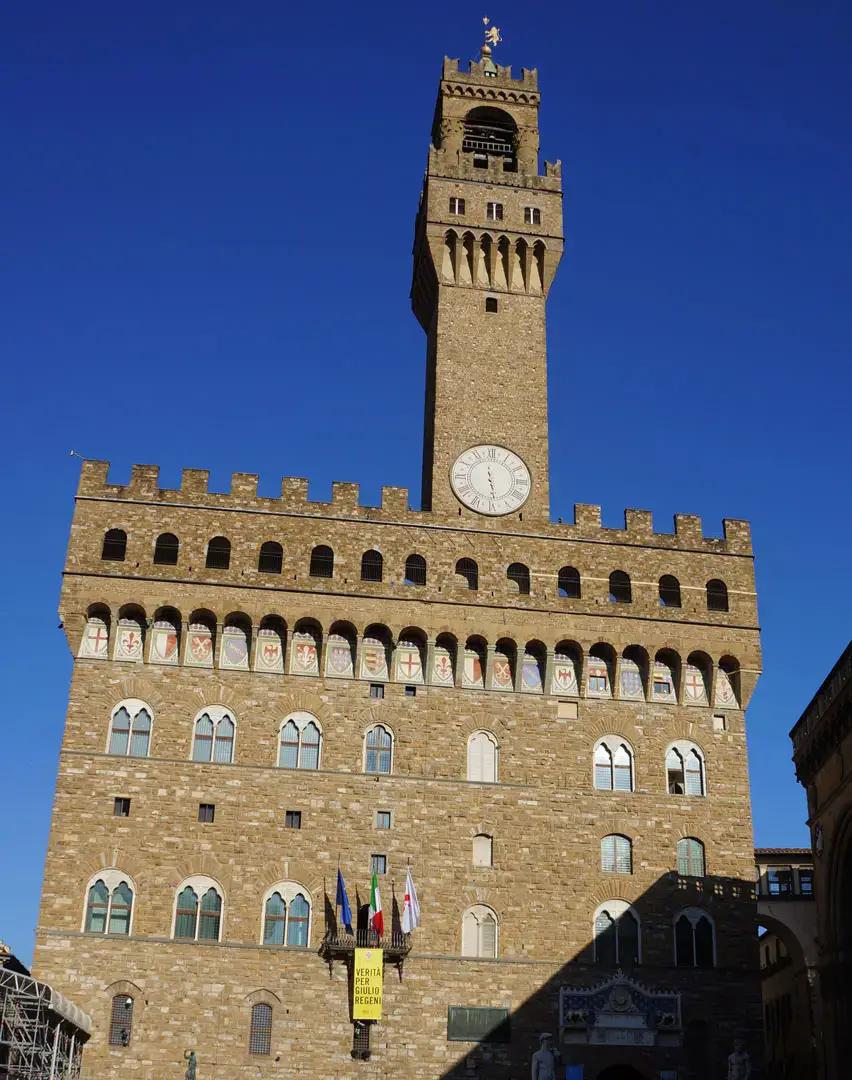
The Palazzo Vecchio, with its crenellated tower, has been the city hall for centuries. You can visit the museum (€18) and climb the Arnolfo Tower (€20, with booking; children under 6 aren’t allowed and it closes in rain or extreme heat). Prices valid since February 2026.
7. The Uffizi Gallery
The most important museum in Florence and one of the greatest in the world: Botticelli, Leonardo, Michelangelo, Raphael… We went on the first Sunday of the month, when entry is free, queued for about 20 minutes and got in. We were lucky.
| Uffizi Gallery (2026) | Price |
|---|---|
| On the day | €25 |
| Booked in advance | €29 |
| Entry from 16:00 | €16 |
| First Sunday of the month | Free, no booking |
It’s open Tuesday to Sunday from 8:15 to 18:30 and closed on Mondays. If you’d rather understand what you’re looking at, a guided tour is well worth it.
8. The Ponte Vecchio
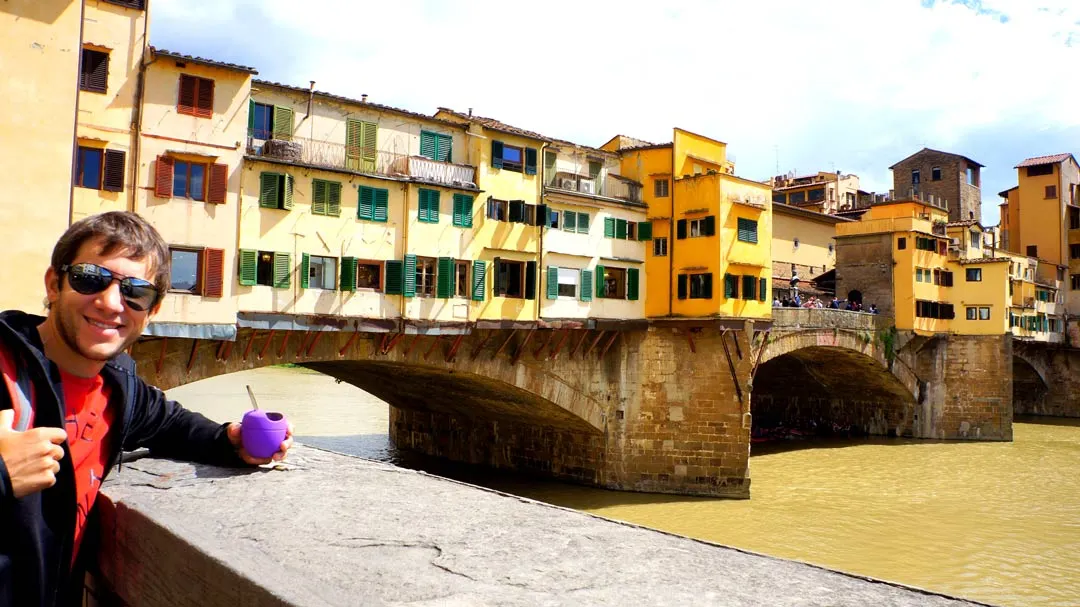
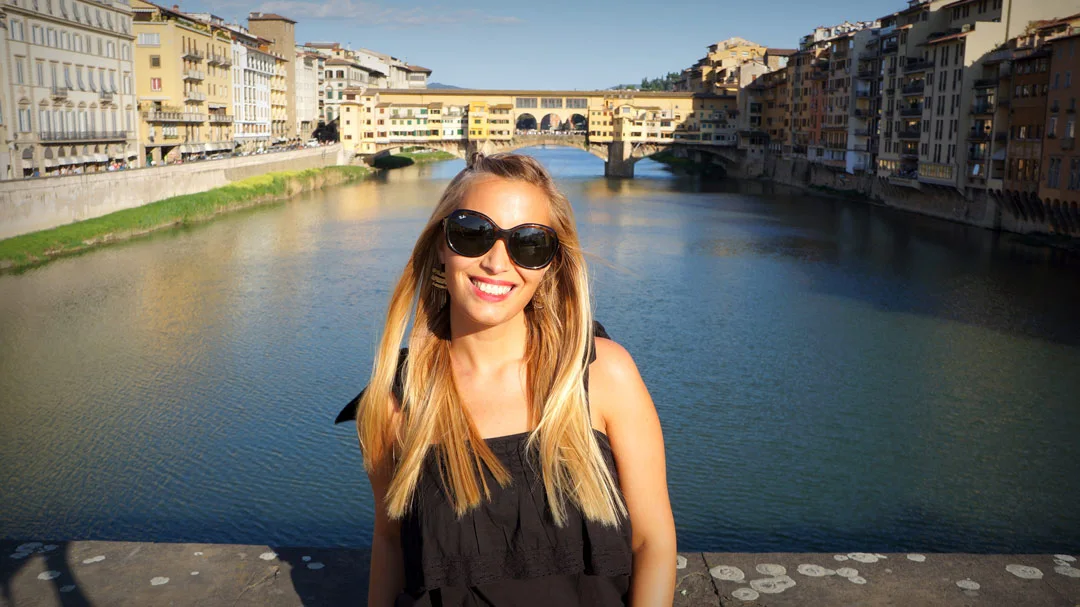
Florence’s most famous bridge, with its little houses hanging over the Arno and full of jewelry shops. Walking across it is lovely, but the real show is seeing it from outside, especially at sunset.
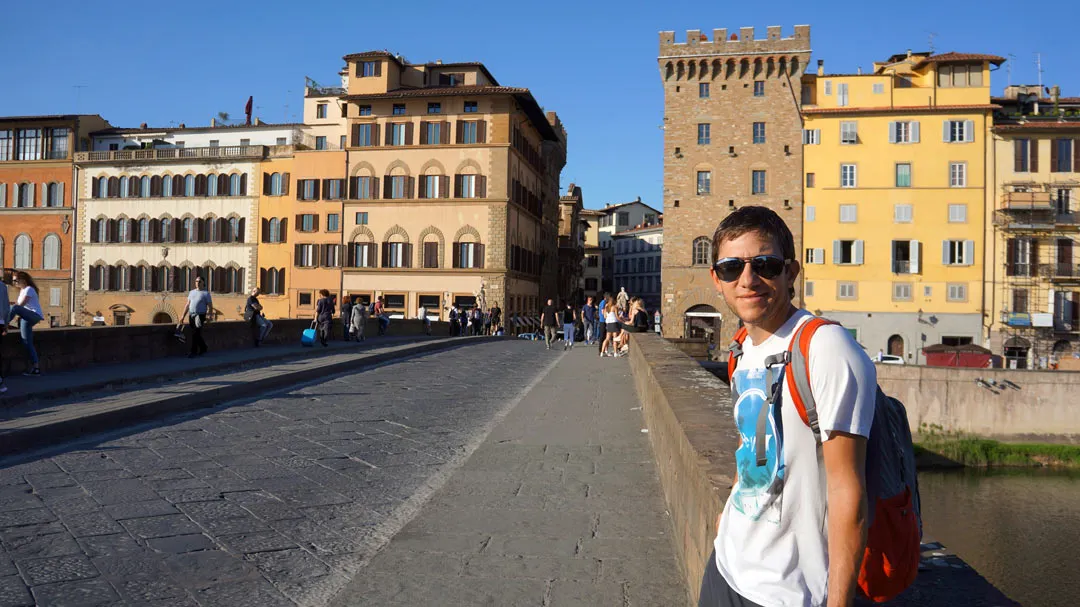
9. Ponte Santa Trinita, the best view of the Ponte Vecchio
This is a tip we love to share: for us, the best view of the Ponte Vecchio is from the Ponte Santa Trinita, the next bridge downstream. Go at sunset and you’ll understand why.
10. Piazza della Repubblica
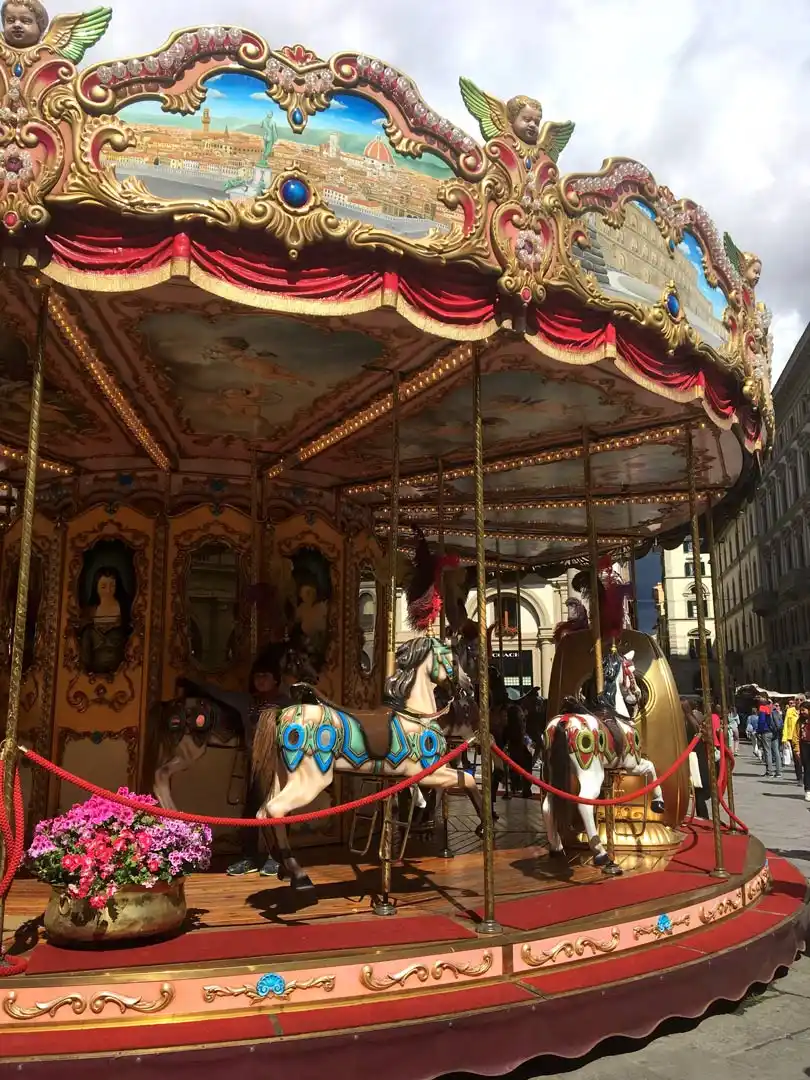
A wide, elegant square surrounded by historic cafés, with an old carousel decorated with paintings of Florence. Our favorite is the one showing the view from Piazzale Michelangelo.
👩⚕️👨⚕️ A must-have for stress-free travel! 🌎✈️ ➜ Get a Quote, Compare & Buy
11. The Galleria dell’Accademia and Michelangelo’s David
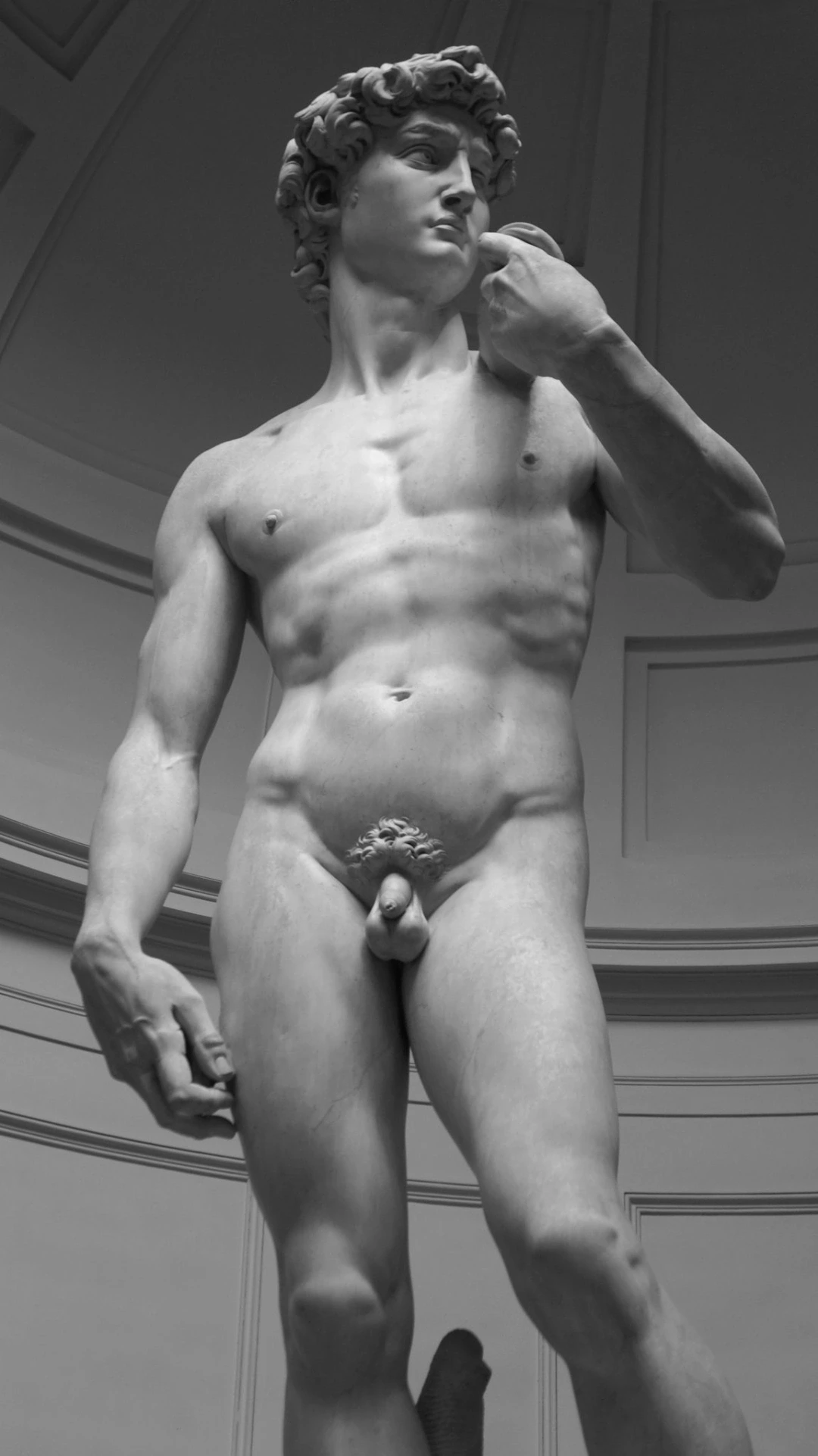
The David is striking: it amazes you from every angle and it’s worth seeing once in your life. It originally stood in front of the Palazzo Vecchio (today there’s a replica in its place). We went at midday on a weekday with a booking, because every time we walked down the street we saw huge queues.
Tickets cost €20 (€23 from 15 December 2026 to 2 May 2027); it’s open from 8:15 to 18:50 and closed on Mondays.
12. The Basilica of Santa Croce
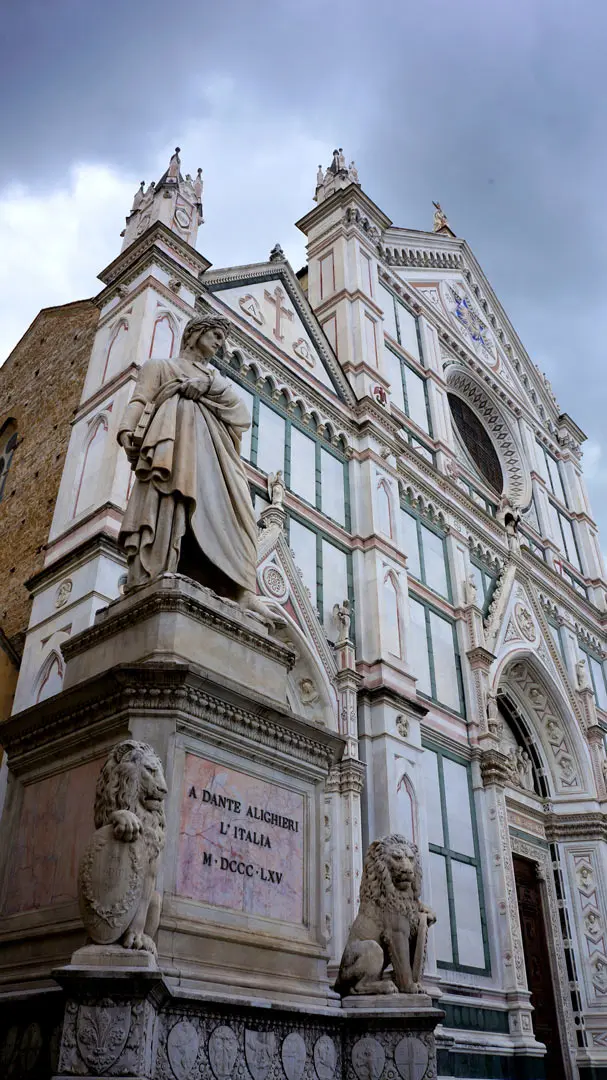
Santa Croce was one block from where we studied Italian, so we saw it every day; we often had breakfast on the benches in the square during our break. Inside are the tombs of Michelangelo, Galileo and Machiavelli, and the monument to Dante greets you at the entrance. Entry to the church and museum costs €10.
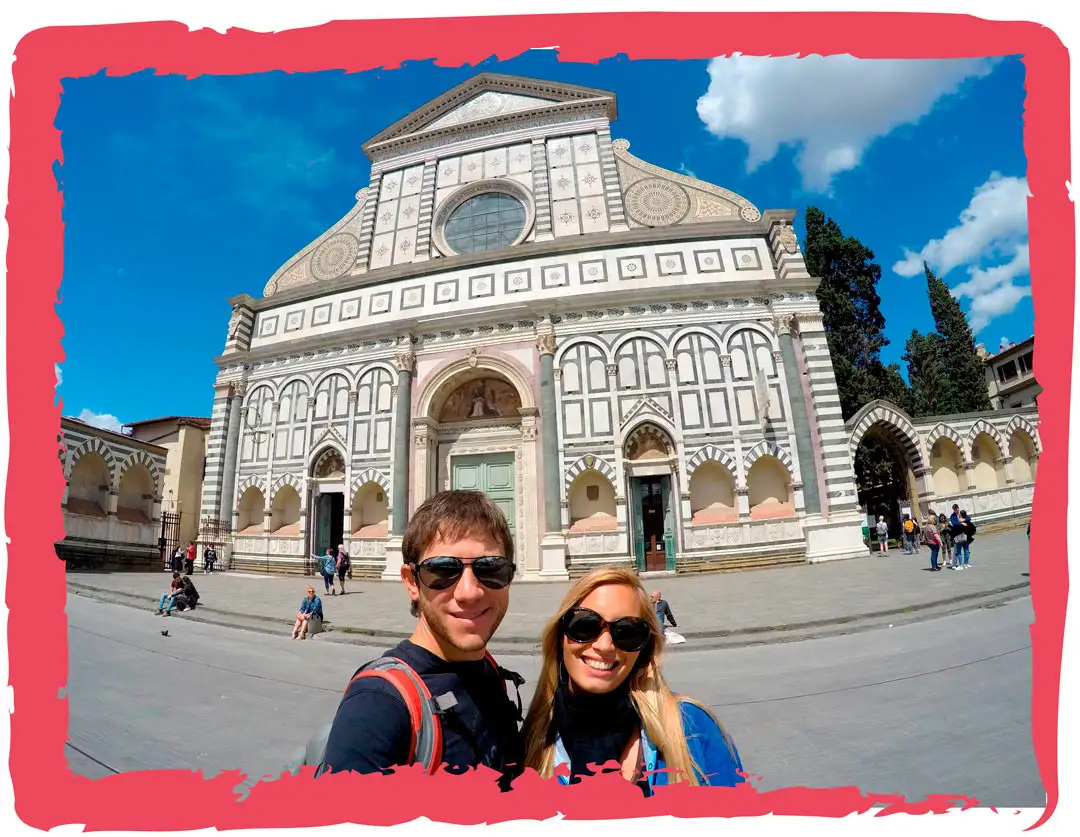
13. The Basilica of Santa Maria Novella
Right across from the train station, with one of the most beautiful facades in the city. Entry costs €7.50 (€5 for ages 11 to 18).
14. The Mercato Centrale
On the ground floor is the historic market for fruit, vegetables, meat and fish; on the first floor, a huge food hall that’s open every day from 9:00 to 23:00. Perfect for trying Tuscan food without overspending.
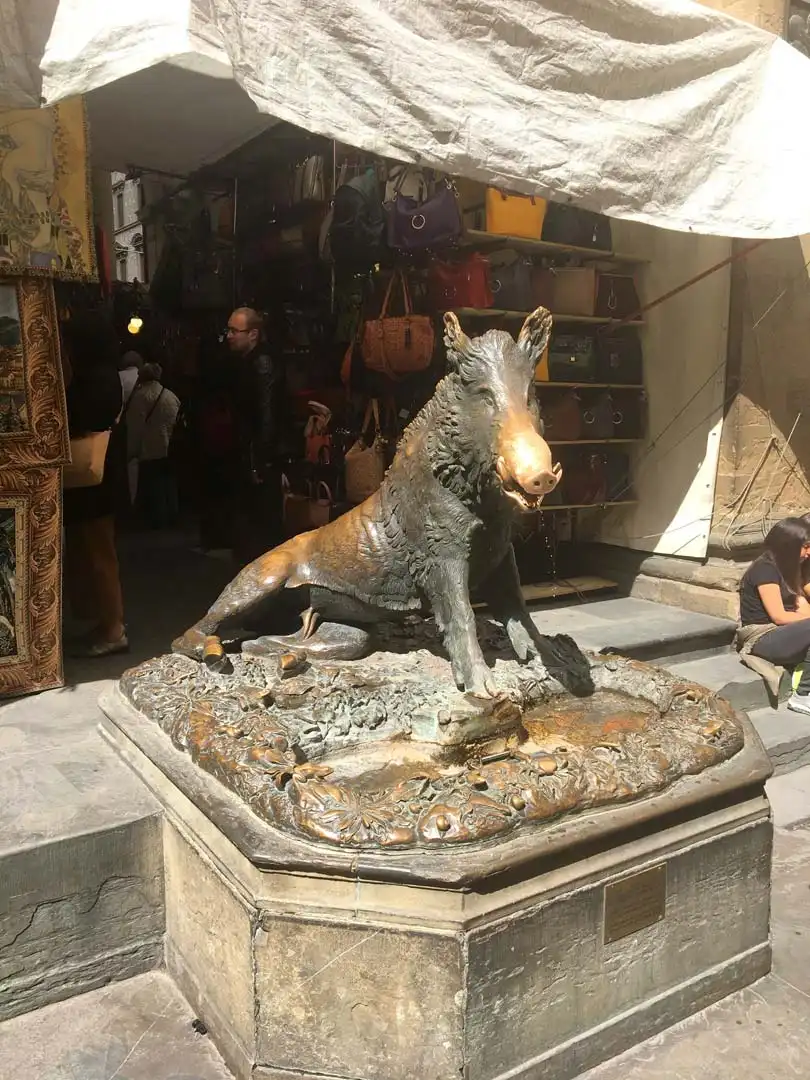
15. The Mercato Nuovo and the Fontana del Porcellino
Under a 16th-century loggia, the Mercato Nuovo is packed with stalls selling leather goods, handbags, scarves and souvenirs (Nanu’s downfall). Beside it is the Fontana del Porcellino, a bronze boar whose snout shines from being rubbed so much. Tradition says that if you drop a coin from its mouth and it falls through the grate, you’ll return to Florence. Nanu’s went in… Facu’s didn’t. A reason to go back!
16. Piazzale Michelangelo
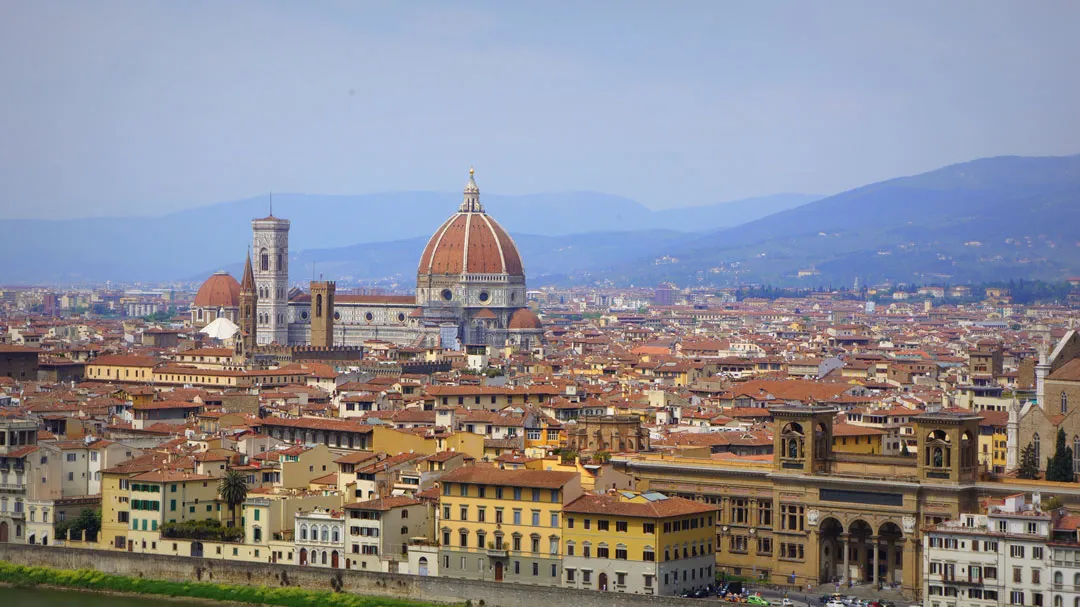
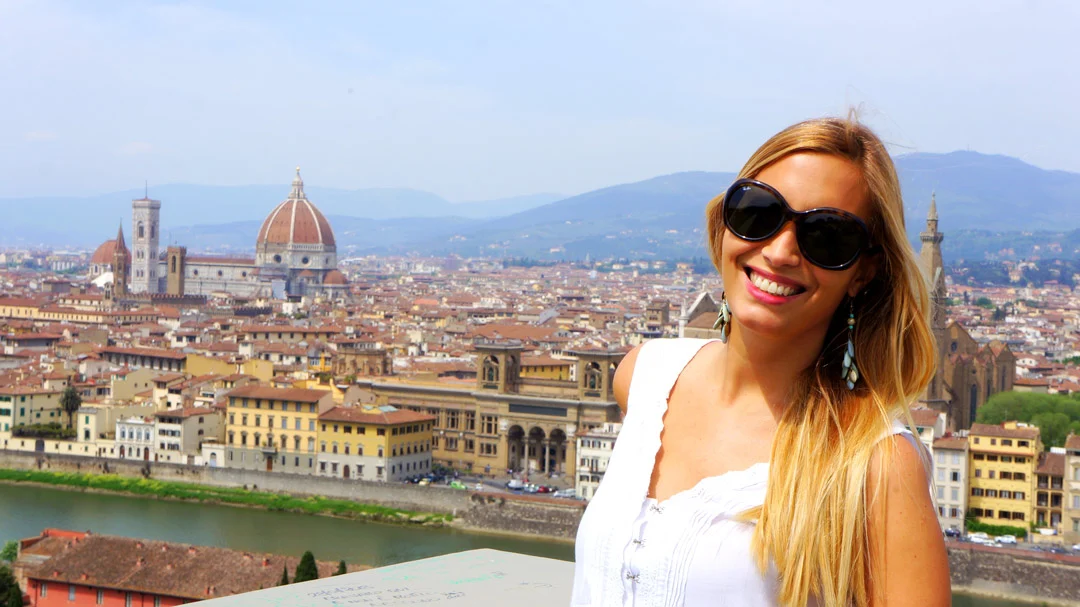
Florence’s most famous viewpoint: the whole city at your feet, with the dome and the river. We went so many times, sometimes on foot and sometimes by bus. There’s a bronze replica of the David, cafés and kiosks. The ideal time is sunset.
17. San Miniato al Monte
A little further up from the Piazzale is this Romanesque basilica, one of the most beautiful in the city, with even more peaceful views. Entry is free.
18. The Giardino delle Rose
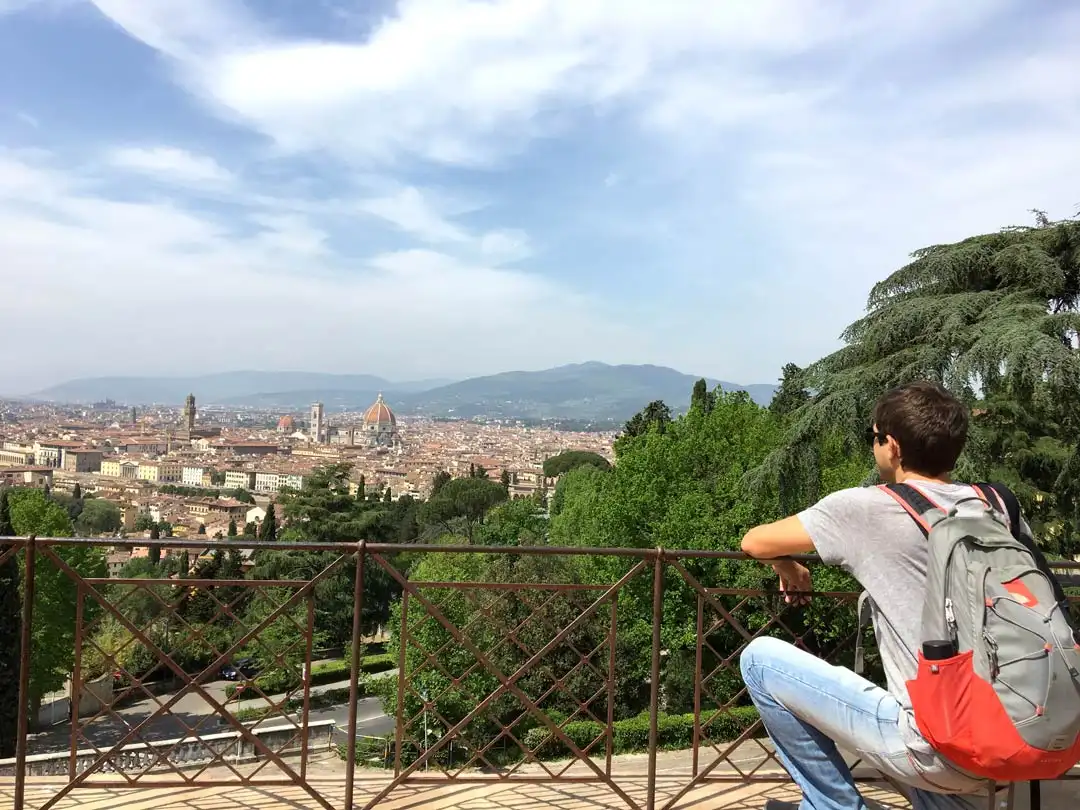
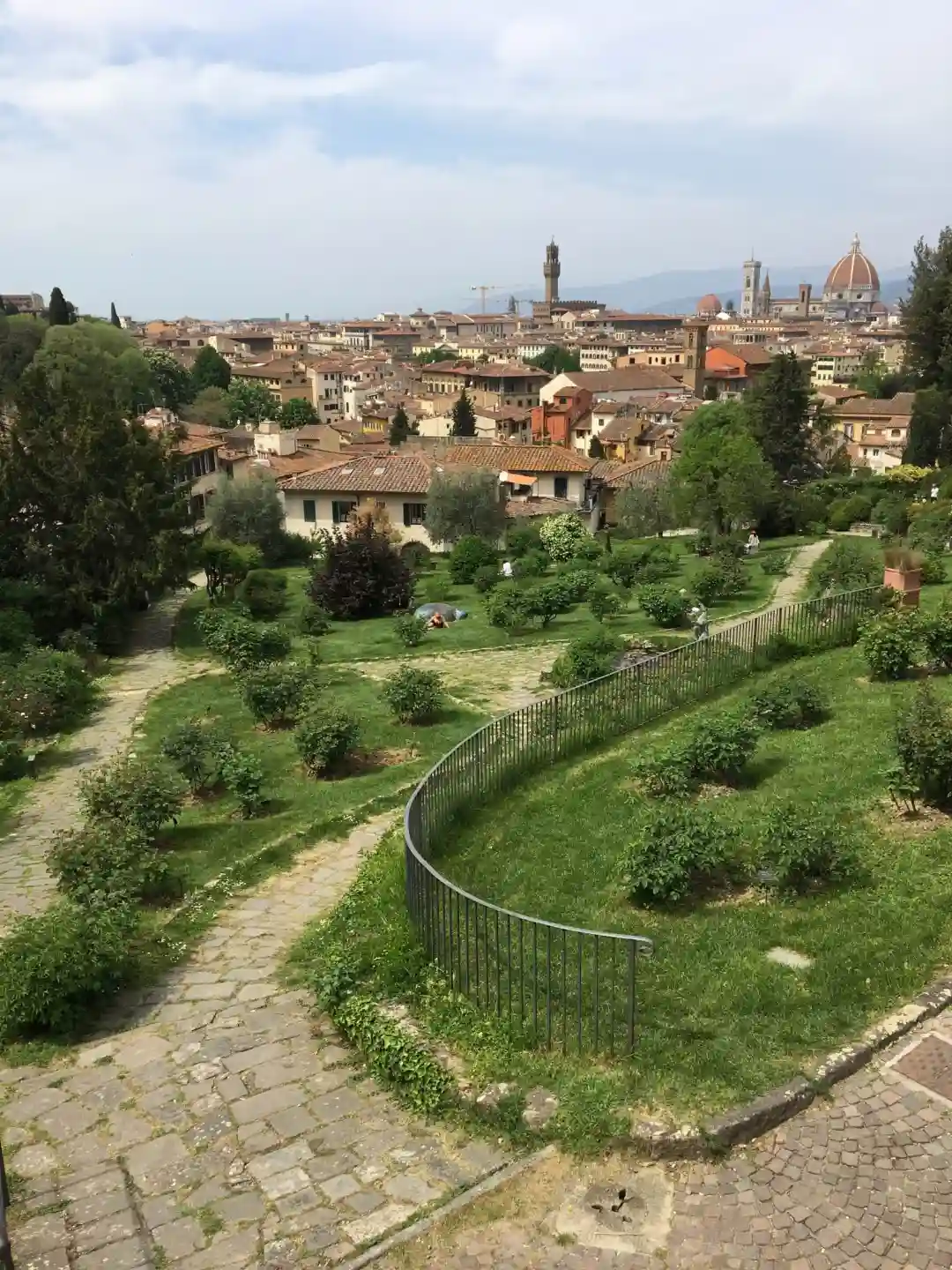
Just below Piazzale Michelangelo, in the Oltrarno, is this garden we visited several times; once with our Italian teacher, who showed us the purple iris that resembles the symbol of Florence. It has sculptures by Jean-Michel Folon, like a huge suitcase that’s perfect for photos. It’s open every day (in October from 9:00 to 18:00), and when we went, entry was free.
19. Palazzo Pitti
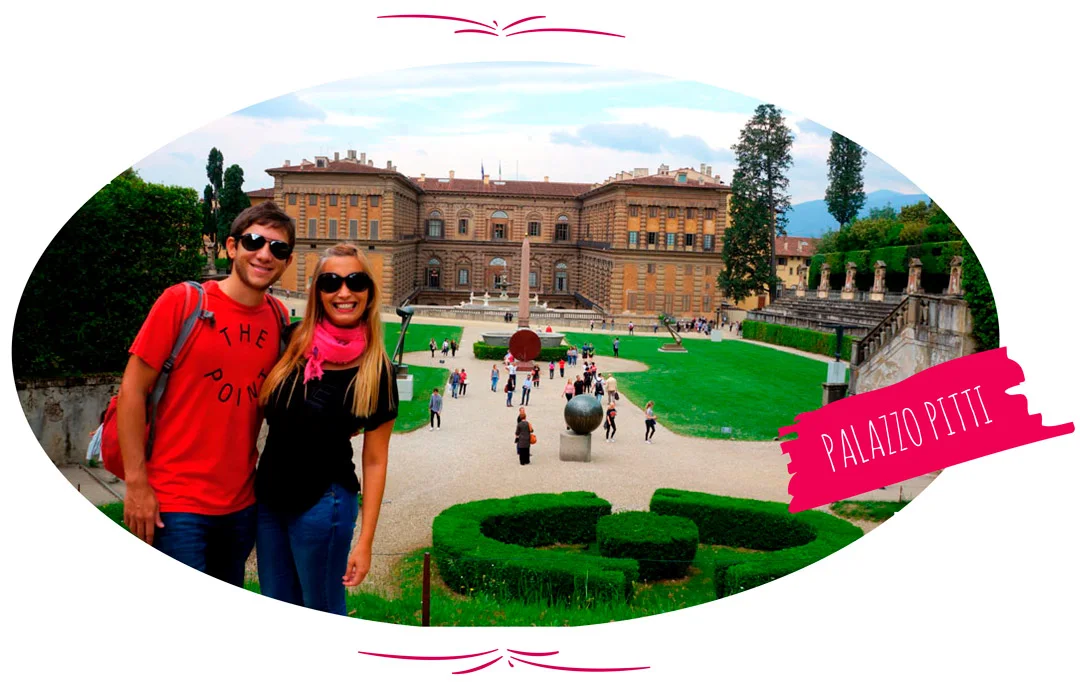
The Medici’s enormous residence, on the other side of the Arno, with several museums inside. It took us an hour and a half just to see the palace. Tickets: €16 on the day or €19 in advance; it’s open Tuesday to Sunday from 8:15 to 18:30.
20. The Boboli Gardens
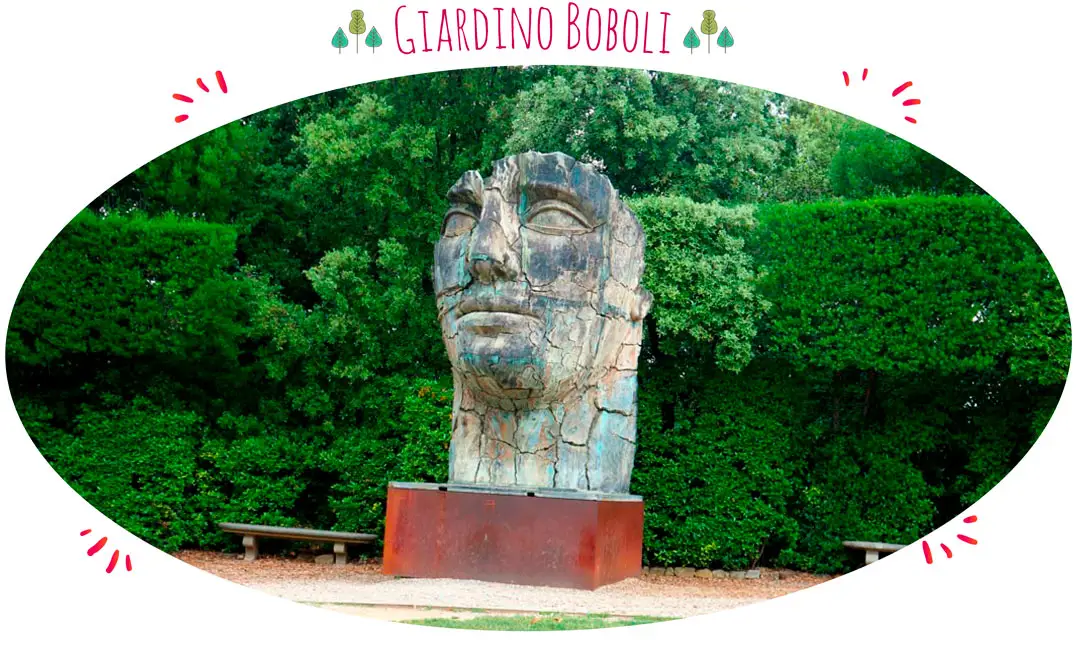
Behind Palazzo Pitti, a giant Renaissance garden with fountains, grottoes and statues. Entry costs €10 on the day (€13 in advance), and it’s closed on the first and last Monday of each month. If you’re also visiting the Uffizi and Pitti, there’s a 5-day PassePartout for €40.
21. The Giardino Bardini
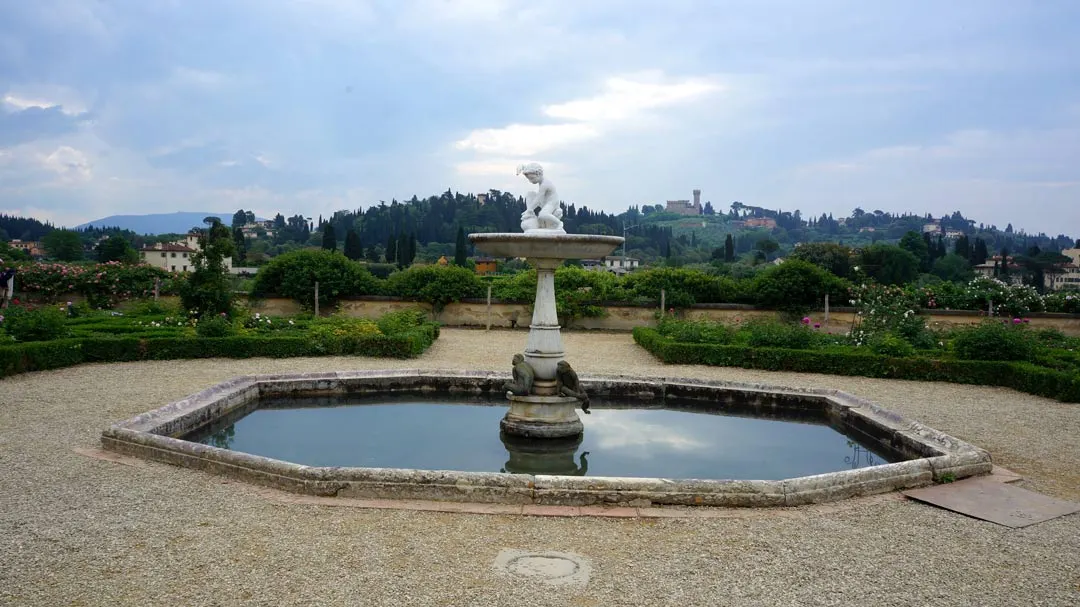
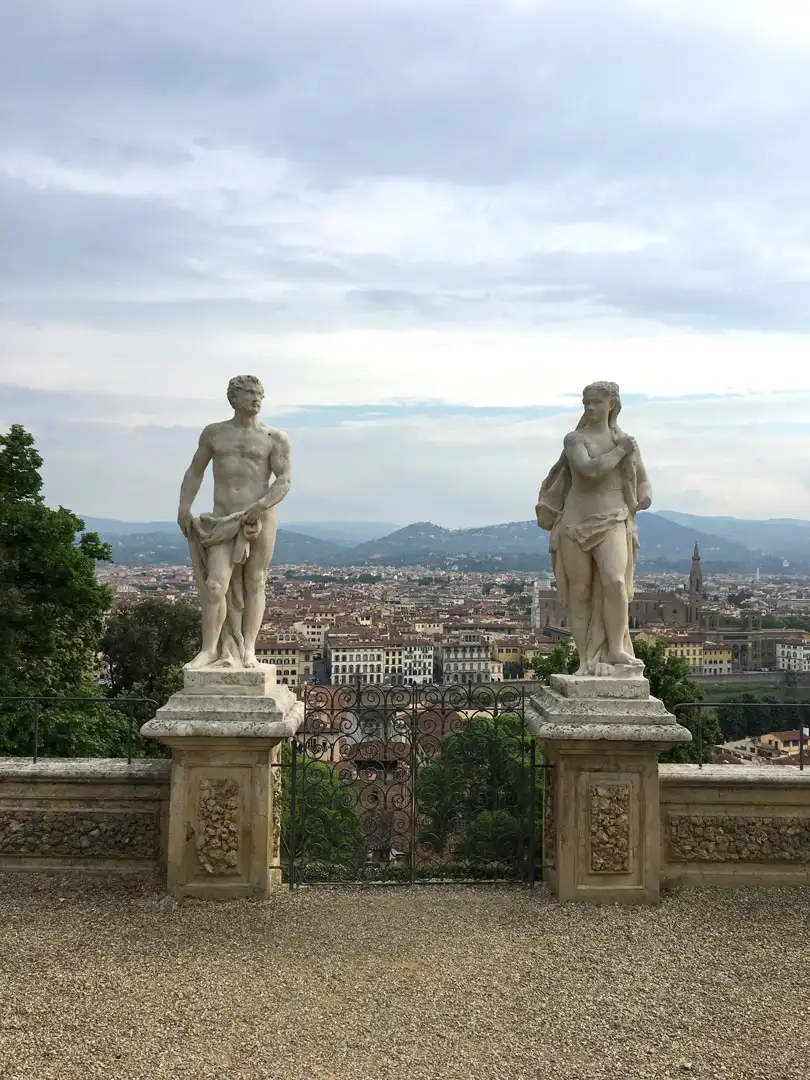
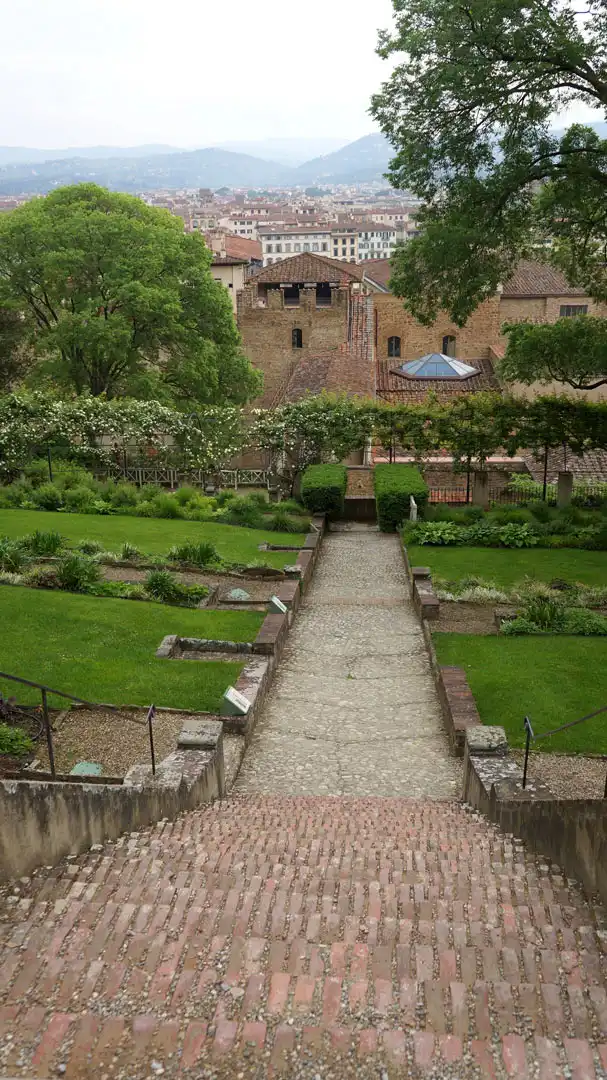
Practically unknown to tourists and, for us, a gem, with gorgeous views of the city. We discovered it thanks to a recommendation from the people at our language school. Entry costs €10, or €15 combined with Boboli (ticket office only).
Our top tip: on the first Sunday of the month, go in through the Bardini as soon as it opens, when nobody’s there, and carry on to Boboli and Palazzo Pitti: the gardens are connected. That’s how we skipped all the queues.
22. Florence’s street art
Something that really caught our attention was the street art: little figures painted on the walls, decorated manhole covers, altered road signs… We walked around looking everywhere because we knew we’d find something fun to photograph.



Day trips from Florence
Florence is the perfect base for exploring Tuscany. The easiest day trips:
Pisa
The Leaning Tower is just over an hour away; you can go on your own by train or on an organized trip.
Siena and San Gimignano
Two of the most beautiful towns in Tuscany in a single day.
If you’re planning your route around Italy, check out our Italy guide.
How many days to stay in Florence (itinerary)
With 2 days you’ll see the essentials; with 3 or 4 you can enjoy it at a relaxed pace and add a day trip.
| Day | What to do |
|---|---|
| Day 1 | Duomo and dome · Baptistery · Piazza della Signoria and Palazzo Vecchio · Ponte Vecchio · sunset on the Ponte Santa Trinita |
| Day 2 | Uffizi early · Mercato Nuovo · Santa Croce · sunset at Piazzale Michelangelo and San Miniato |
| Day 3 | The David at the Accademia · Mercato Centrale · Palazzo Pitti, Boboli and Bardini |
Best time to visit Florence
We went in spring and it was ideal: good weather, gardens in bloom and long days. According to Florence’s tourist office, the relatively low season runs from late October to early March (except Christmas and New Year): fewer people and better prices. Summer is very hot and it’s the busiest time of year.
How to get to Florence
From Florence airport
The T2 tram reaches the center in about 20 minutes, with departures every 5 minutes. Since August 2026 an urban ticket costs €2 (€3 if you buy it on board). By taxi there’s a flat fare of €28 plus surcharges to the historic center.
From Pisa airport
The PisaMover (€6.50) takes you to Pisa Centrale station in 3 minutes, and from there regional trains run to Florence.
By train from Rome
The high-speed train links Rome and Florence in 1 h 25 min on the fastest services, with dozens of departures a day (Italo and Trenitalia).
By car: watch out for the ZTL
The historic center is a limited traffic zone, with cameras, Monday to Friday from 7:30 to 20:00 and on Saturdays from 7:30 to 16:00. If your hotel is inside it, let reception know so they can register your license plate. The most practical option is to leave the car at the Ponte a Greve park-and-ride and take the tram in.
Where to stay in Florence
The center is small and walkable, so any central neighborhood works. We chose an apartment about 30 blocks away, in a quiet area with a supermarket and an ice-cream shop nearby: ideal for a long stay, although everything was a long walk for us.
Tourist tax: paid separately, per person per night (maximum 7 nights; under-12s exempt): from €3.50 at 1-star hotels to €8 at 5-star ones; €6 in B&Bs and holiday apartments.

Firenze Card: is it worth it?
The Firenze Card costs €85 and is valid for 72 hours from the first entry, for the main museums (once each). It pays off if you’re doing lots of museums in a few days; the Duomo complex isn’t included. We didn’t use it: the free first Sunday and a few specific bookings were enough for us.
Travel insurance for Italy
We never travel without insurance. We use IATI, and through our link you get a 5% discount. If you’re traveling from outside the European Union, check out our travel insurance guide.

Frequently asked questions about things to do in Florence
How many days do you need to see Florence?
With 2 days you can see the essentials (the Duomo, Piazza della Signoria, the Uffizi, the Ponte Vecchio and Piazzale Michelangelo). With 3 or 4 you can add the David, Palazzo Pitti, the gardens and a day trip to Pisa or Siena. We lived there for a little over a month and we were always finding something new.
Can you visit the Florence Duomo for free?
Yes: the Cathedral of Santa Maria del Fiore is free to visit, with no booking, Monday to Saturday from 10:15 to 15:45 (it’s closed on Sundays and during religious services). To climb the dome or the bell tower, or to visit the baptistery and the museum, you need one of the passes: Brunelleschi (€30), Giotto (€20) or Ghiberti (€15).
Which museums in Florence are free on the first Sunday of the month?
State museums such as the Uffizi Gallery, the Galleria dell’Accademia, Palazzo Pitti and the Boboli Gardens are free on the first Sunday of every month, with no booking. We took advantage of it and it’s a great option, but go early because of the queues.
How much is the Uffizi Gallery ticket?
In 2026 it’s €25 if you buy on the day or €29 if you book in advance. Since 2026 there’s also a €16 ticket for entry from 16:00. It’s closed on Mondays.
Is the Firenze Card worth it?
It costs €85 and is valid for 72 hours from the first entry, for the main museums (once each). It pays off if you’re visiting lots of museums in a few days; note that the Duomo complex isn’t included. We didn’t use it.
How do you get from Florence airport to the city center?
The T2 tram links the airport with the center in about 20 minutes, with departures every 5 minutes; an urban ticket costs €2. By taxi there’s a flat fare of €28 plus surcharges.
Can you drive into the center of Florence?
Not freely: the historic center is a limited traffic zone (ZTL), with cameras that read license plates, Monday to Friday from 7:30 to 20:00 and on Saturdays from 7:30 to 16:00. The best option is to leave the car at a park-and-ride, such as Ponte a Greve, and take the tram in.
Conclusion: Florence, an open-air museum
Florence is one of those cities you enjoy slowly: a coffee in the square, a sunset over the Arno, a little street full of street art. Book what you need to, make the most of the first Sunday of the month and let yourself wander. We left with our hearts full… and Facu with a promise to come back and try his luck with the Porcellino again.
Other articles for your trip to Italy
- 15 essential things to do in Lido di Venezia (with map)
- 22 must-visit things to do in Sardinia: beaches, towns, and map
- Marinella di Zambrone: the secret beach of Calabria | 2026 Guide
- Things to do in Ravello: 10 unmissable places in one day (2026 Guide)
- Things to do in Amalfi: 12 Must-Sees That Will Make You Fall in Love (2026…
- Things to do in Alberobello: Essential Guide with the 10 Best Places
- Things to do in Vietri sul Mare: the definitive guide to visiting the gateway…
- Things to do in Tropea in one day: Essential guide with the best places 2026 |…
- Things to do in Capo Vaticano | Complete 2026 Guide The Coast of the Gods |…
- Tropea Beach, Calabria: The Unmissable Complete Guide 2026 | Italy
ℹ️ **Total Transparency**
This article contains affiliate links. If you book through these links, we may receive a small commission at no additional cost to you. We only recommend services that we use on our trips and that we trust. This helps us keep this blog free and continue creating useful content for you. Thank you for your support!
🔗 Resources & Useful Links for your trip to Florence
Do you have questions or want to add your own recommendations on things to do in Florence?
💬 Leave a comment or write to us, we love reading about the experiences of other travelers.
Thank you very much for being part of this adventure!— Nanu & Facu 🌎 | Recalculando Viajes 💜