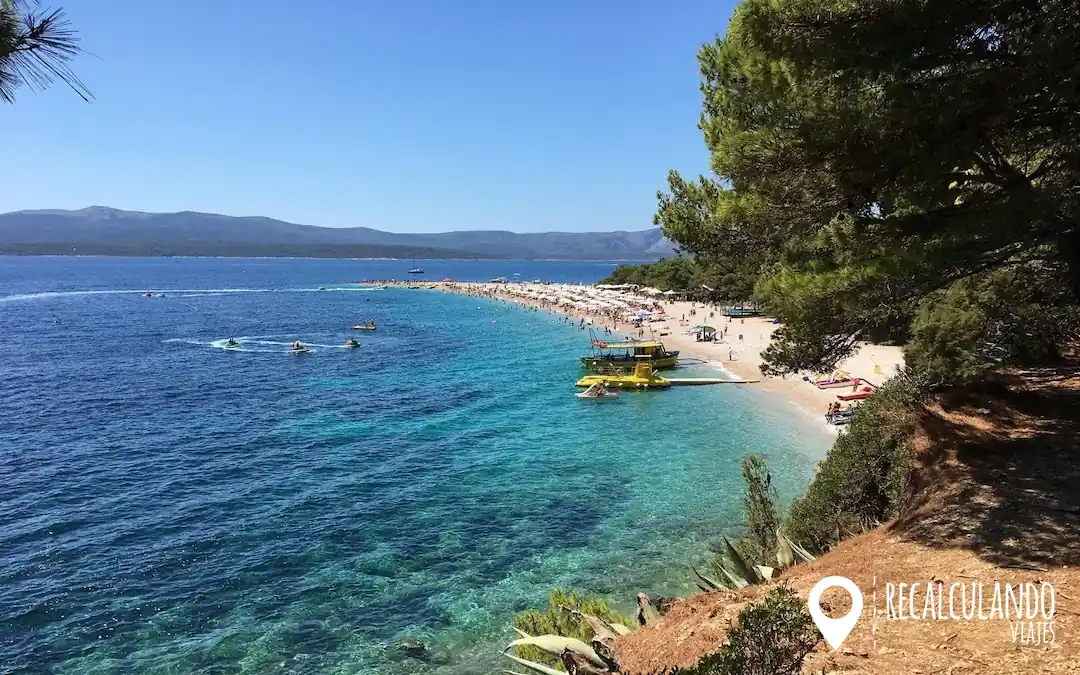
If you’re looking for things to do in Croatia, you’ve come to the right place: we spent almost two months traveling through the country from top to bottom, by car, ferry, and with plenty of enthusiasm. In this guide, we share the 15 places we liked the most, complete with a map, accommodation tips, and everything you need to organize your trip. Croatia fascinated us… and we’re sure it will happen to you too.
🌍 Travel Insurance: 5% Off with IATI Seguros! 🌟
Take advantage of this offer and travel safe.
Things to do in Croatia Summary
| Category | Key details |
|---|---|
| Best time to visit | May, June, and September (optimal weather, lower prices, and fewer crowds). |
| Recommended duration | Minimum 7 days; 10 to 14 days is ideal for a complete route. |
| Daily budget | From €70-90 per person in the mid-season. |
| Currency and language | Euro and Croatian (English is widely spoken). |
| Transport | Rental car (recommended), Jadrolinija ferries, and bus network. |
| Must-sees | Dubrovnik, Plitvice Lakes, Split, Hvar, Zadar, Rovinj, and Krka waterfalls. |
| Top tip | Book accommodation and tickets (like Plitvice) months in advance if traveling in summer. |
1. Dubrovnik, the Pearl of the Adriatic
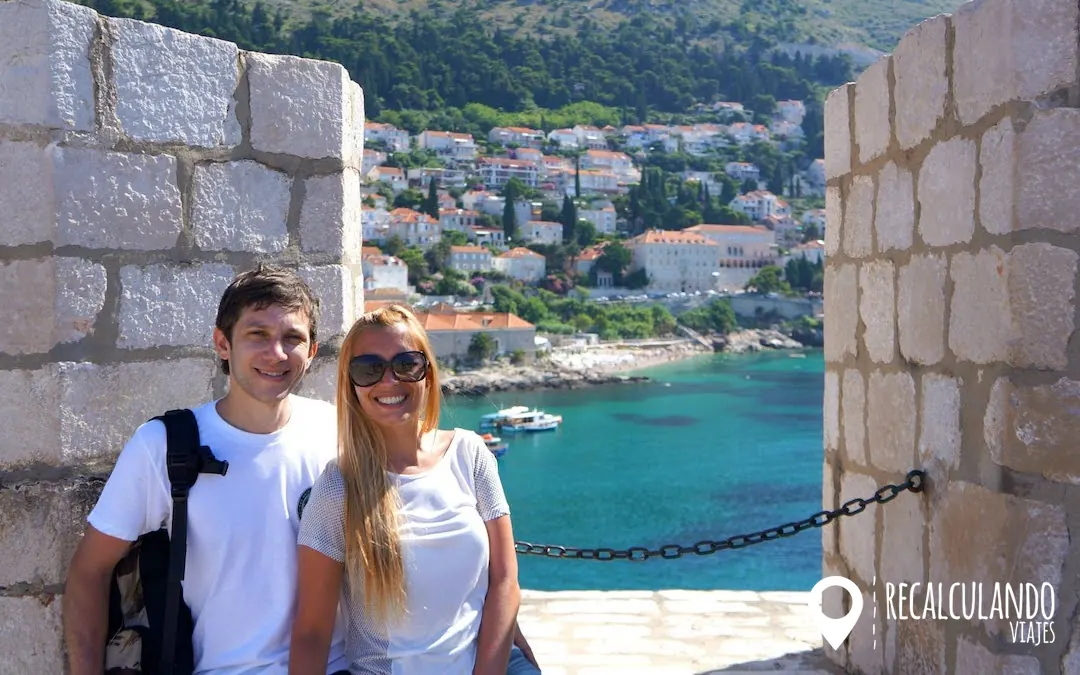
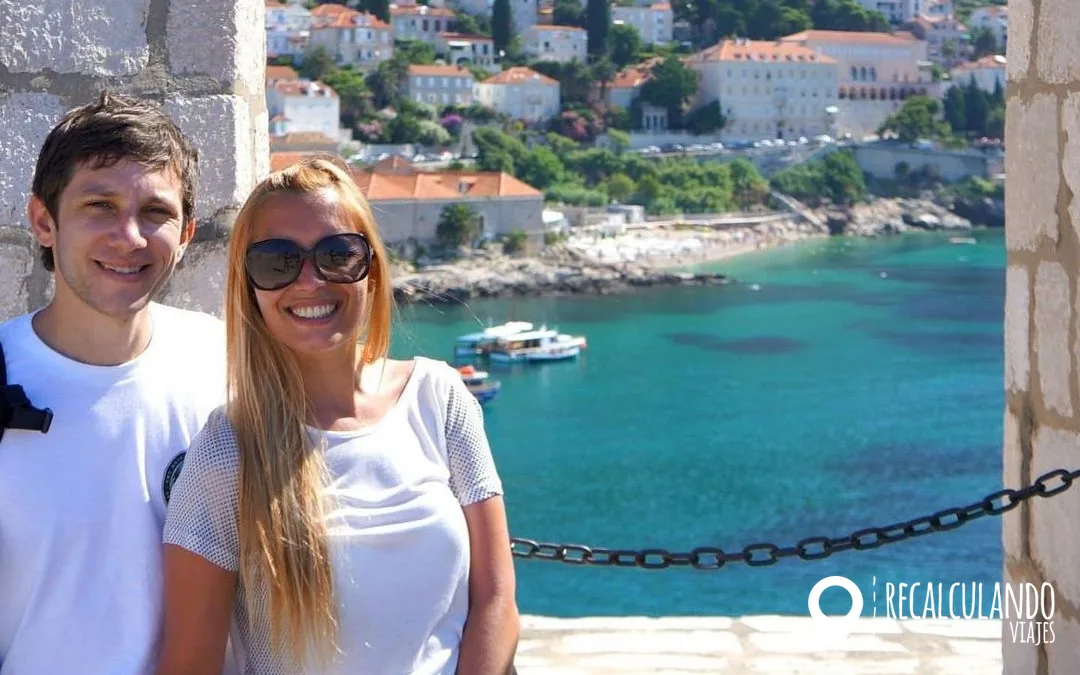
We’re starting strong: Dubrovnik is one of those must-see things to do in Croatia. Its walled old town, a UNESCO World Heritage site, is one of those places that looks like a movie set… and it actually was: a good part of Game of Thrones was filmed here.
Walking along the Stradun, getting lost in its polished stone alleys, and climbing the walls is a plan you can’t miss. However, keep in mind: the entrance to the walls costs €40 per adult and includes the Lovrijenac fortress if visited within 72 hours. It’s not cheap, but the views of the old town and the sea from above are worth every euro. Our tip: go very early or near sunset, because the sun is strong at noon and there’s no shade. And if you’re a fan of the show or want to learn the city’s history in depth, you can book a guided tour of Dubrovnik.
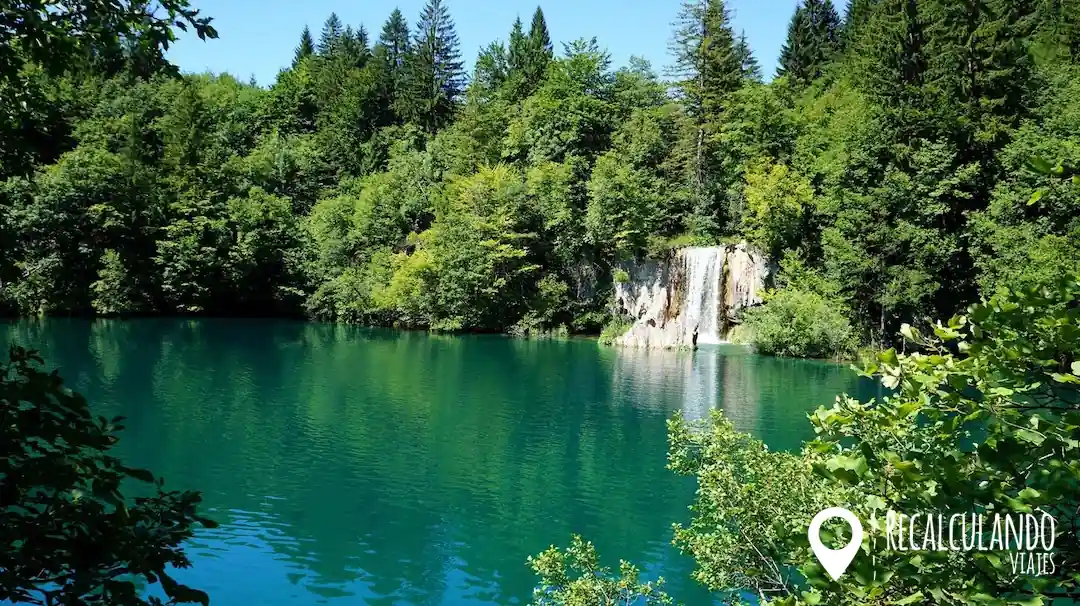
2. Plitvice Lakes, the most famous landscape among things to do in Croatia
If there’s one place in Croatia that left us speechless, it’s Plitvice. Sixteen lakes connected by turquoise waterfalls that don’t seem real, with wooden walkways winding through the water. It’s the most famous national park in the country and one of the most sought-after things to do in Croatia… for good reason.
Important fact: entry is by time slot and it is best to buy it in advance on the official website, as spots sell out in summer. Prices vary greatly depending on the season: €10 in winter, €23.50 in April, May, and October, and €40 from June to September. The ticket includes the electric boat and the panoramic train inside the park. Allow a full day to explore it at a leisurely pace. If you don’t want to drive or deal with tickets, you can book an excursion to Plitvice from Zagreb, Split, or Zadar with entry included.
An extra that many travelers recommend: the small town of Rastoke, just half an hour from the park, with wooden houses built literally among waterfalls. If it’s on your way, it’s a very photogenic stop. And since we’re talking about wet walkways and all-day hikes: this is the kind of trip where it’s best to be covered, we tell you why in our guide to the best travel insurance for Europe.
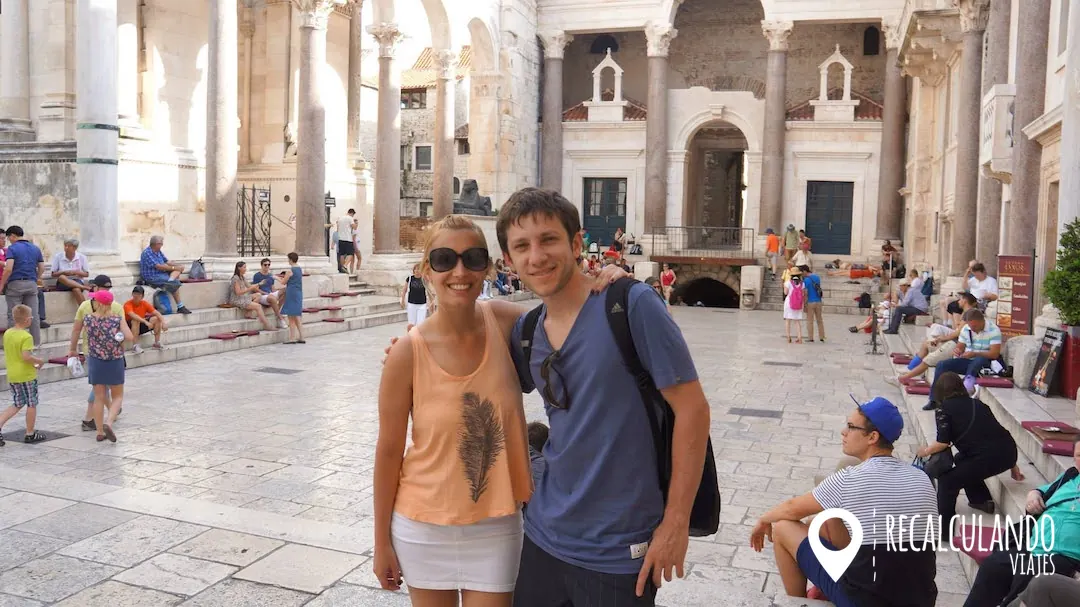
3. Split and Diocletian’s Palace
Split is the second-largest city in the country and the great gateway to the Dalmatian islands. What’s incredible is that its old town is built literally inside Diocletian’s Palace, a Roman palace from the year 305 that is still alive: there are houses, bars, and shops within its walls. We used it as a base to travel by ferry and we loved its atmosphere.
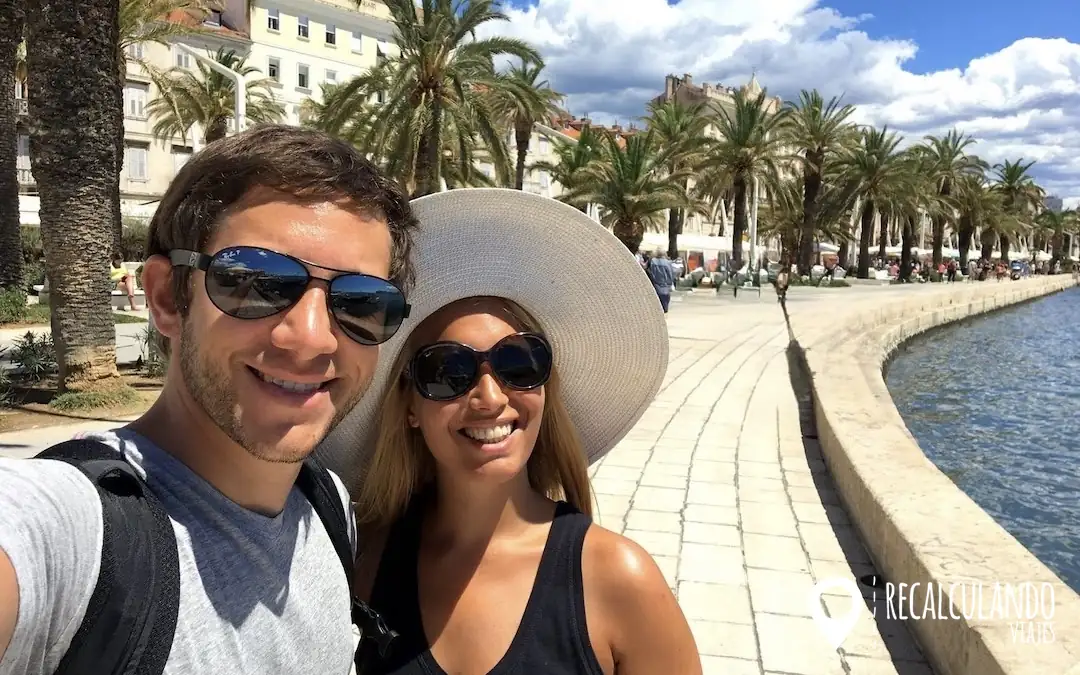
Don’t miss the Peristyle (the palace’s central square), the Cathedral of Saint Domnius, and the Riva, the waterfront promenade where everyone ends up having a drink at sunset. If you have extra energy, climb up to the Marjan hill viewpoint: the view of the city and the islands is spectacular. To understand the history of the palace (which is fascinating), many travelers choose a guided tour of Split.
4. Hvar, one of the islands you must visit in Croatia
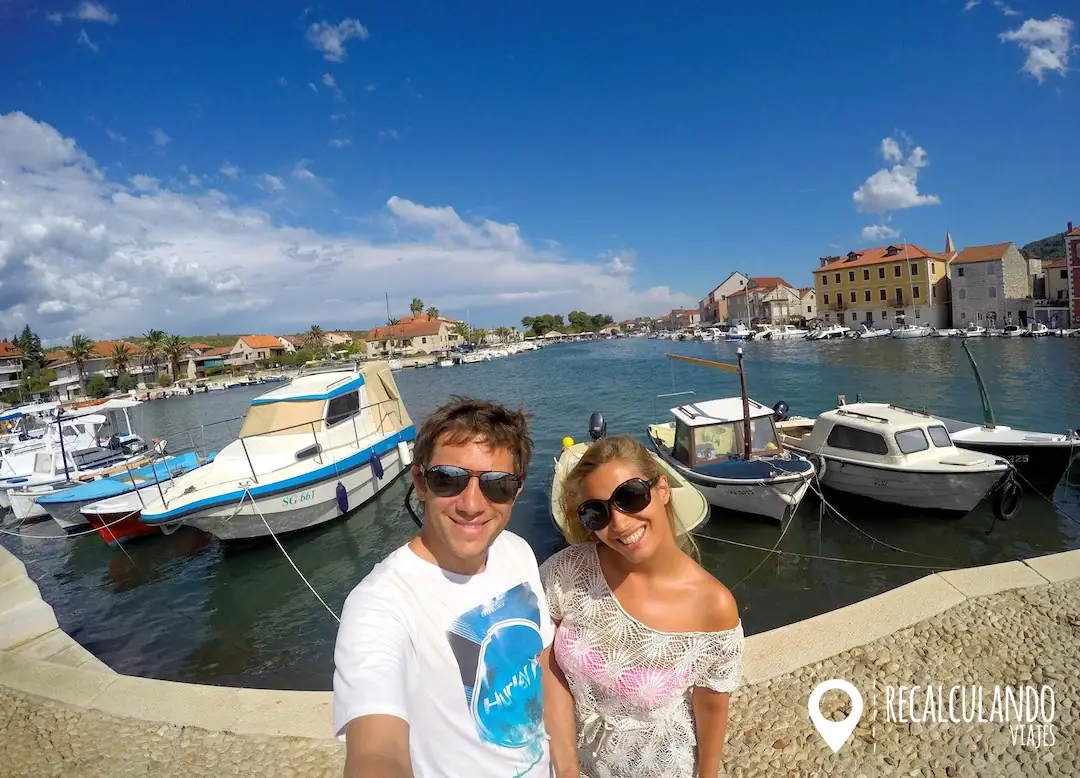
Hvar is one of the most famous islands in the Adriatic and one of the essentials of Croatia. We spent a week exploring it, based in Stari Grad, a stone village much quieter than Hvar town, and it was a total success: friendlier prices and a charm that makes you fall in love.
Hvar town has the Spanish fortress with views of the Pakleni islands, a harbor full of life, and great nightlife. But the island is much more than that: lavender fields, villages like Vrboska, and crystal-clear coves. We tell you everything in detail in our guide to things to do in Hvar.
5. Trogir, a fairytale old town
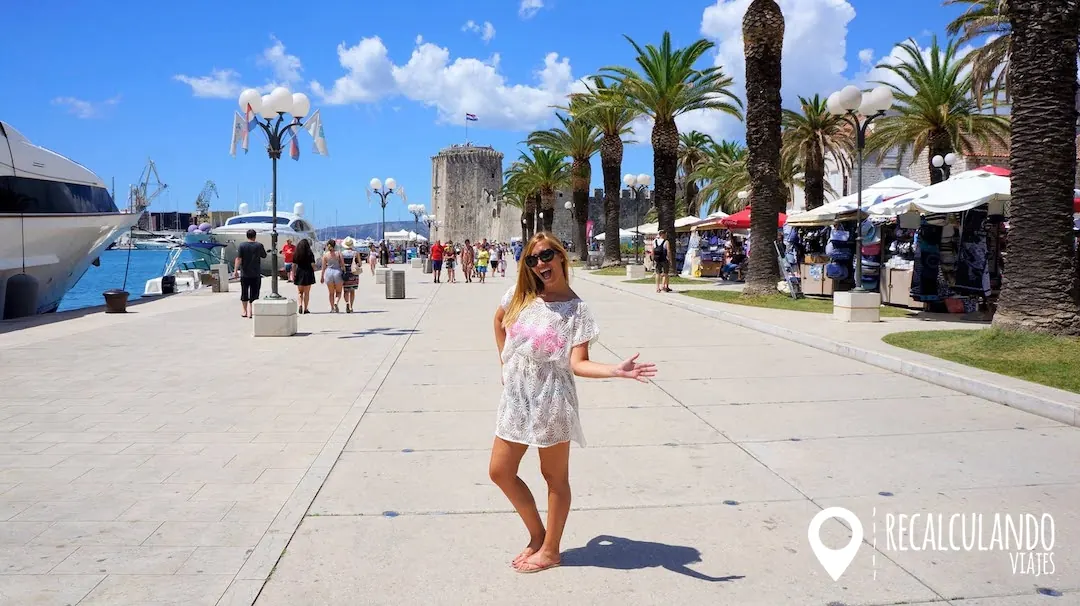
Just 30 minutes from Split is Trogir, a medieval citadel built on a small island, also a World Heritage site. It’s small, you can explore it in half a day, but it has an impressive concentration of beauty per square meter: the Cathedral of St. Lawrence, the Kamerlengo fortress, and a labyrinth of stone alleys.
In our case, we visited it on the road between Split and the north, and it seemed like a perfect stop. If you want to plan the visit well, here is our complete guide to things to do in Trogir.
6. Brač and Zlatni Rat beach
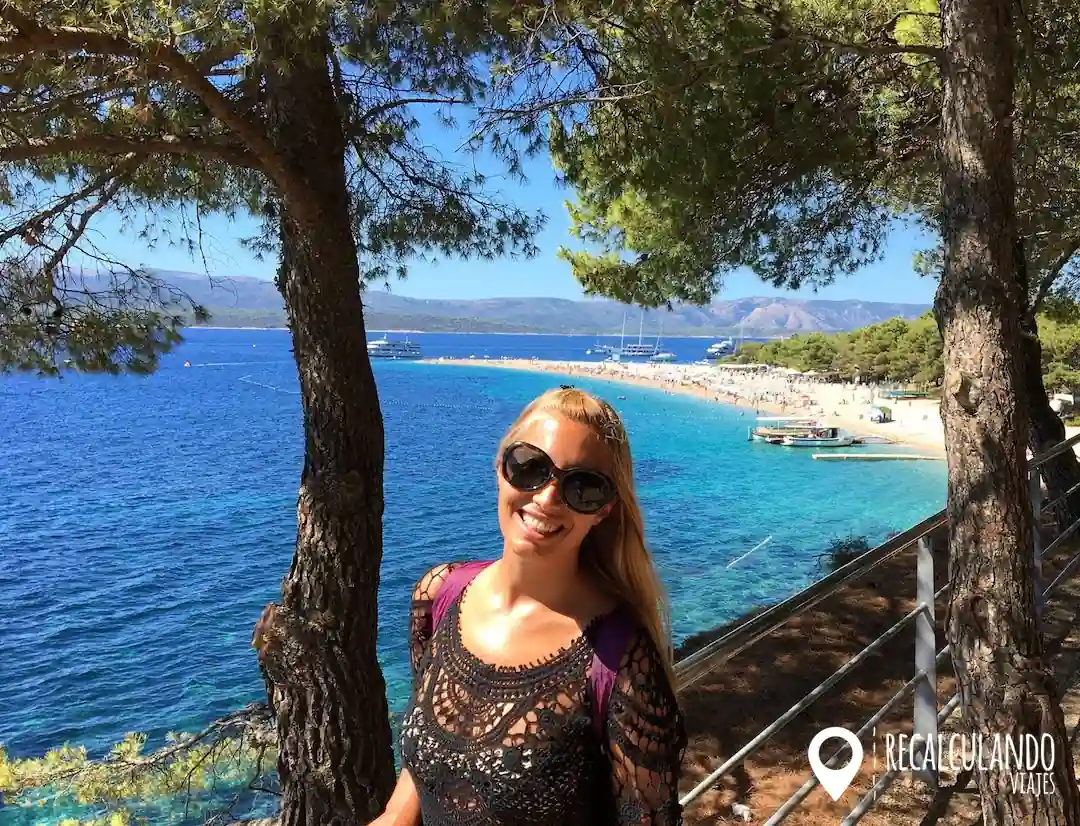
Brač was our home for ten nights and we toured the whole thing with a rental car, so we tell you with authority: it’s an island that deserves much more than a day trip. Its most famous postcard is Zlatni Rat, the “golden horn” in Bol, that tongue of white pebbles that changes shape according to the wind and appears in all photos of Croatia.
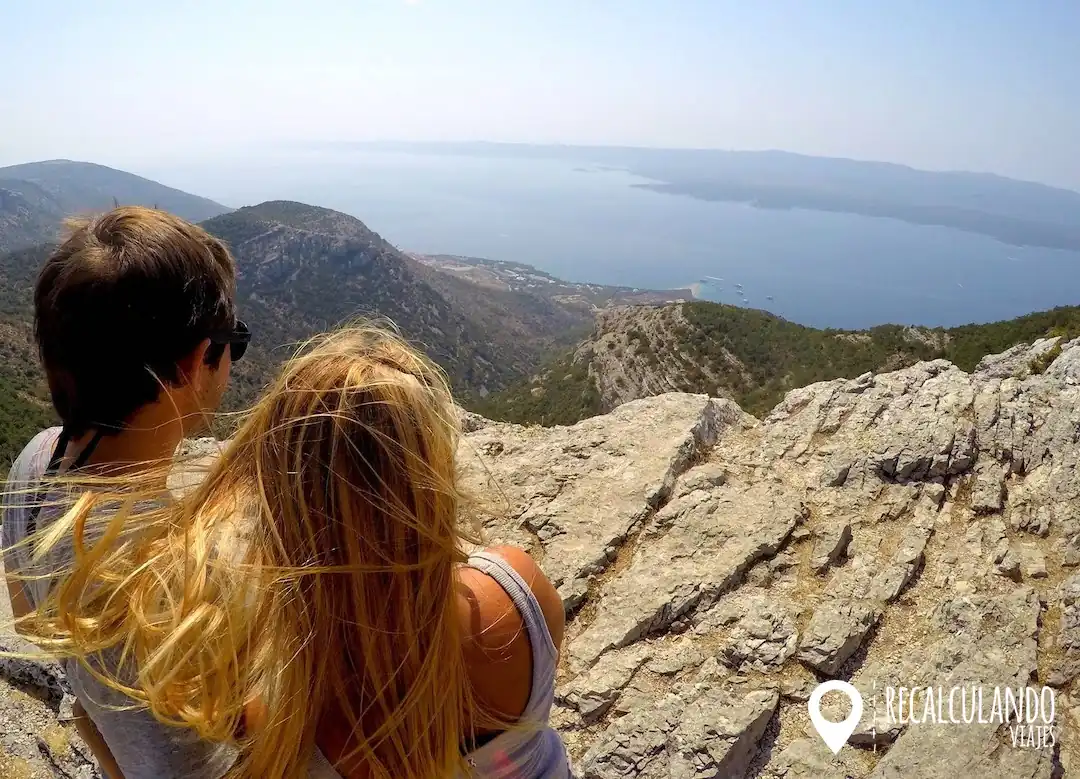
But Brač hides much more: stone villages like Škrip and Pučišća, the Vidova Gora viewpoint (the highest point of the Adriatic islands), and hidden coves that almost no one reaches. We leave you our complete guide to things to do in Brač so you don’t miss anything.

7. Krka Waterfalls, nature for a perfect day
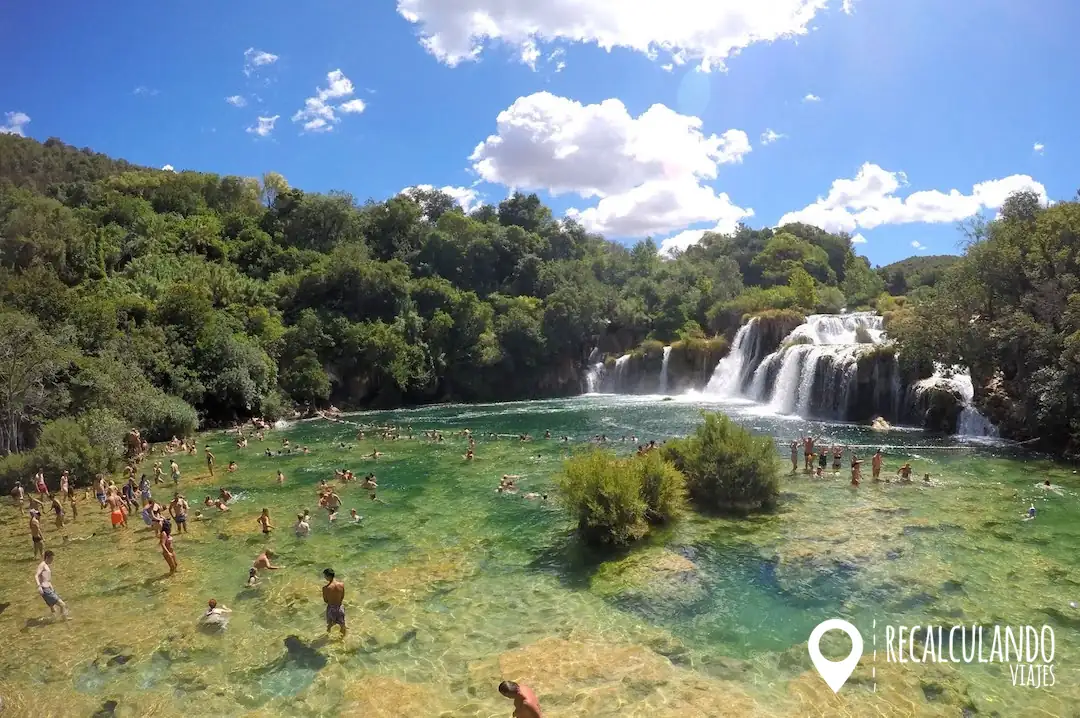
Krka National Park is the ideal complement to Plitvice: smaller, easier to visit, and with the imposing Skradinski Buk waterfall as the star. The walkways take you between waterfalls, old mills, and vegetation you wouldn’t expect in the middle of Dalmatia.
Keep in mind: admission costs €7 in winter, €20 in April, May, and October, and €40 in peak summer (discounted to €30 after 3:00 PM). From April to October, the ticket includes the boat from Skradin or the bus from Lozovac. Important: swimming is no longer allowed at Skradinski Buk, so go with the idea of walking and taking pictures, not swimming. If you are on the coast without a car, the most practical thing is an excursion to Krka from Split or Trogir.
A plus: the park is right next to Šibenik, a city that many travelers recommend combining with the visit for its Cathedral of St. James (World Heritage site, built entirely of stone) and the St. Michael’s Fortress with sea views.
8. Korčula, the island of Marco Polo
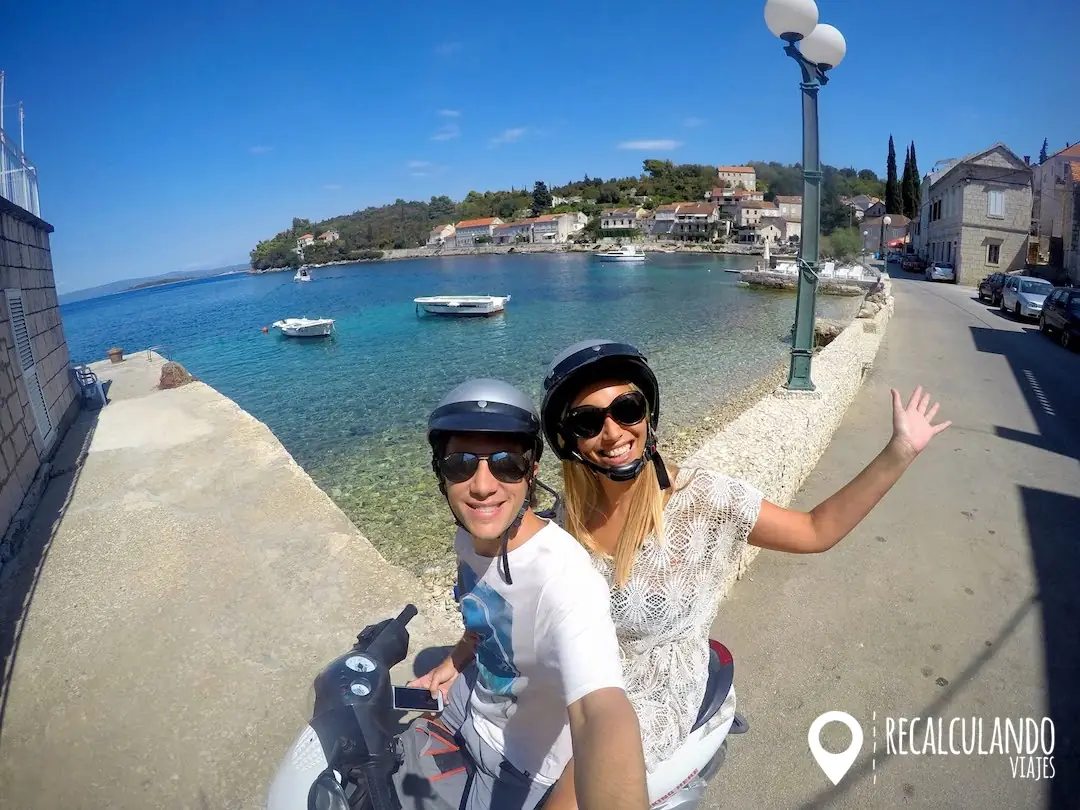
Korčula is another one of the islands that we loved. Its walled old town looks like a mini Dubrovnik, but without the crowds, and the narrow streets are designed in a fishbone shape to protect against the wind. Also, they say Marco Polo was born here… the Venetians don’t quite agree, haha.
We crossed by ferry from Orebić with the car and it was lightning fast. A tip if you take that same route along the Pelješac peninsula: many travelers stop in Ston, a town with a 5-kilometer-long wall (they say it is the second-longest defensive system in the world after the Great Wall of China) and famous for its oysters. The island has vineyards (try the Pošip or Grk white wine, typical of here), beaches like Pupnatska Luka, and very charming villages. You have all the details in our guide to things to do in Korčula.
9. Zagreb, the surprising capital
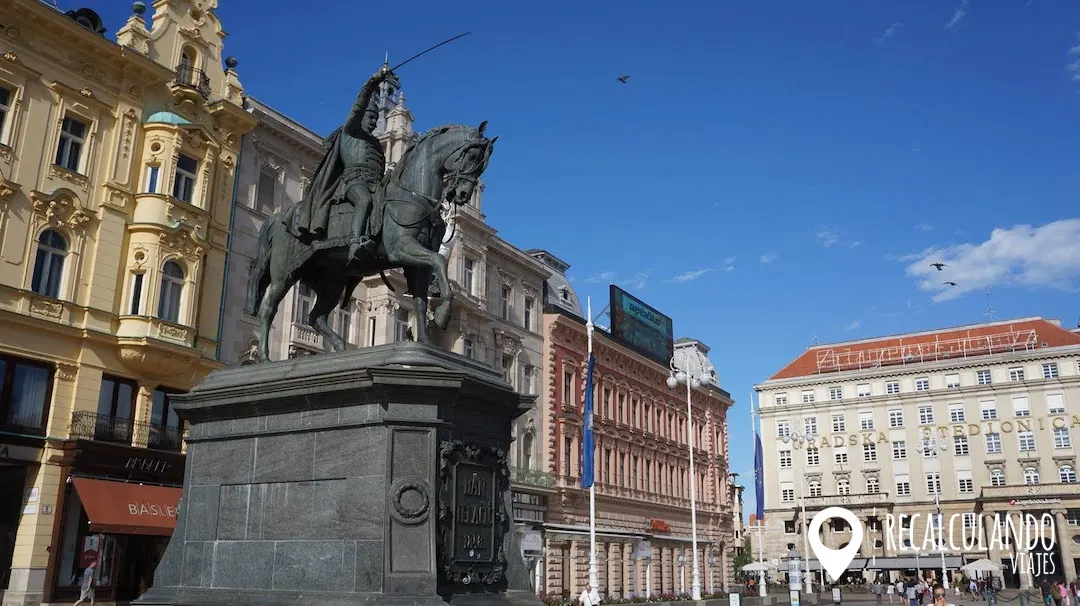
Many travelers skip Zagreb to go straight to the coast, and that’s a mistake. The Croatian capital has a Central European feel that contrasts totally with Dalmatia: the upper town with St. Mark’s Church and its famous colorful tiled roof, the cathedral, the Dolac market, and a café life we loved.
It is also the perfect starting point if you arrive by plane from Europe, and it’s about two hours from Plitvice, so it pairs perfectly with the park. One full day is enough to see the essentials, two if you want to take your time.
10. Brela Beach and the Makarska Riviera
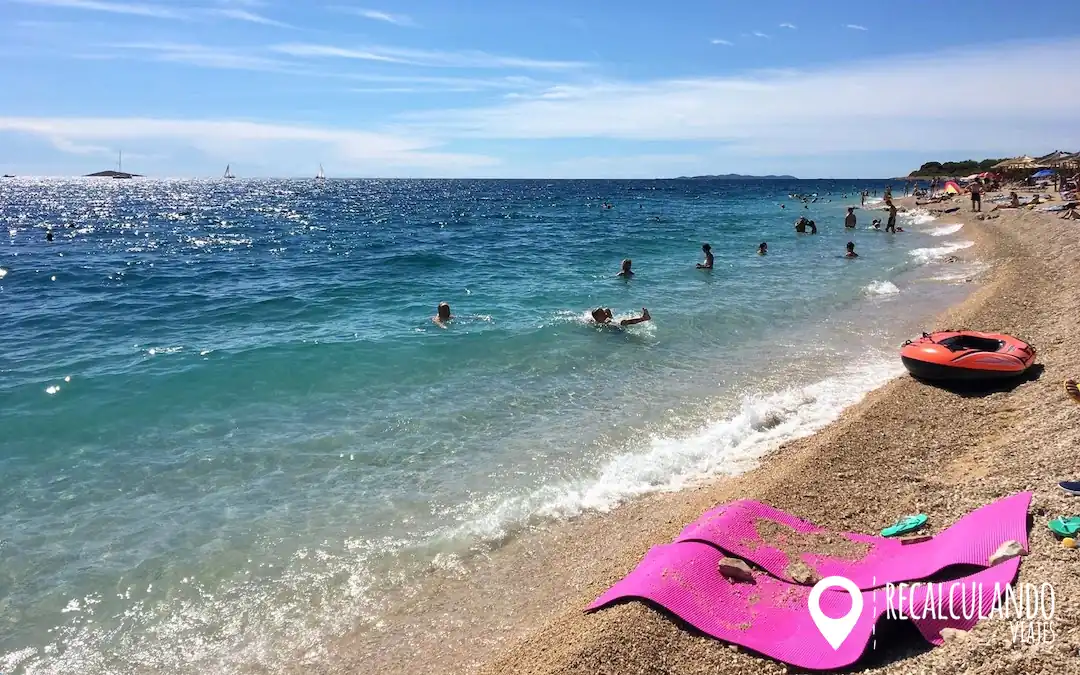
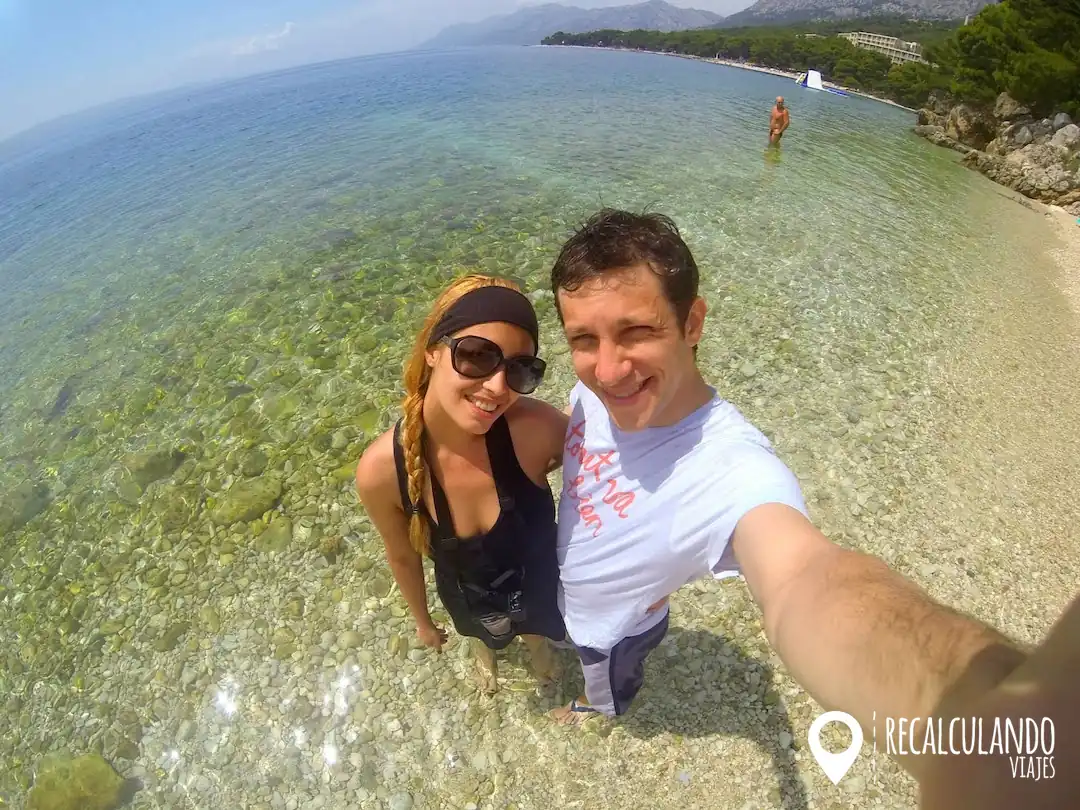
Between Split and Makarska, one of the most beautiful stretches of coast in the country is hidden: the Makarska Riviera, with Mount Biokovo falling almost directly into the sea. And there is Brela, with white pebble beaches, transparent water, and pine trees reaching the shore. You’ll recognize the photo of the Kamen Brela rock: it’s one of Croatia’s most repeated postcards.
We went by car along the D8 coastal road and the viewpoints along the way are a beauty. However, arrive early in summer because the parking lot fills up very quickly. We tell you all the corners in our post about Brela beach.
👩⚕️👨⚕️ A must-have for stress-free travel! 🌎✈️ ➜ Get a Quote, Compare & Buy
11. Dugi Otok and Telašćica Nature Park
If you’re looking for a quieter, more authentic Croatia, Dugi Otok is your island. We toured it by car and it seemed like one of the best-kept secrets of the Adriatic: Sakarun beach with its white sand and Caribbean water, the cliffs of Telašćica Nature Park, and the Mir saltwater lake.
You arrive by ferry from Zadar and it is ideal for two or three days of total disconnection. There is almost no mass tourism here, and that shows in the prices and the peace that is breathed. Everything you need to know is in our guide to things to do in Dugi Otok.
12. Primošten, the village by the sea
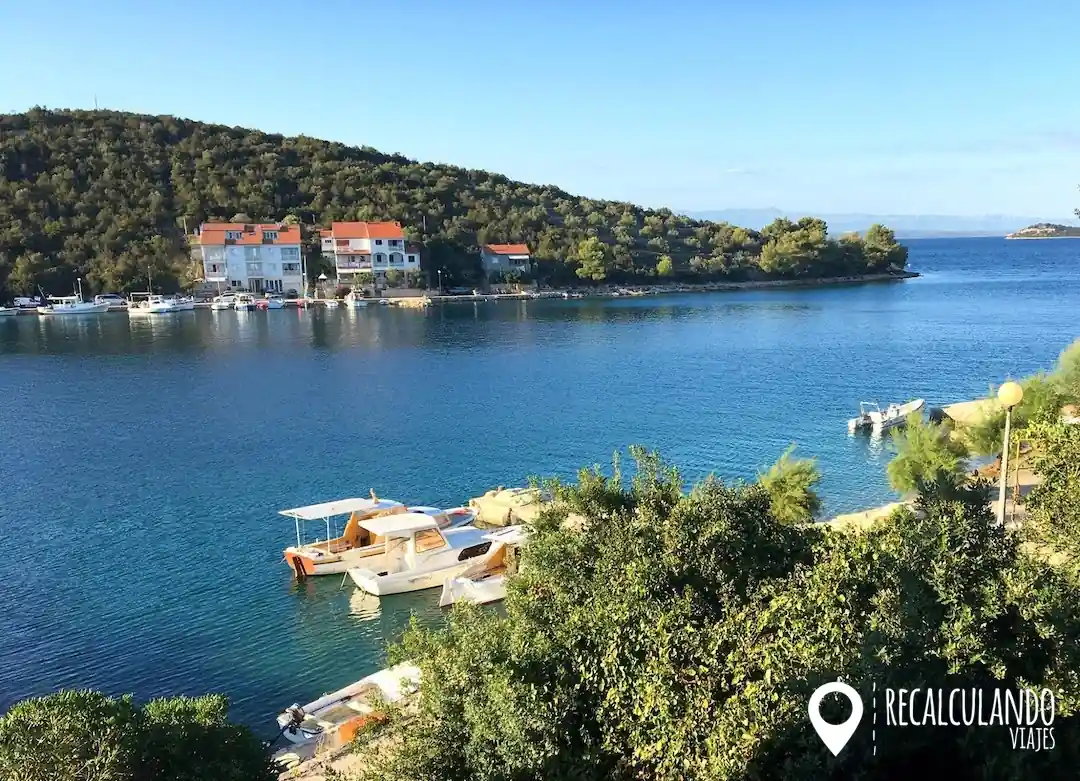
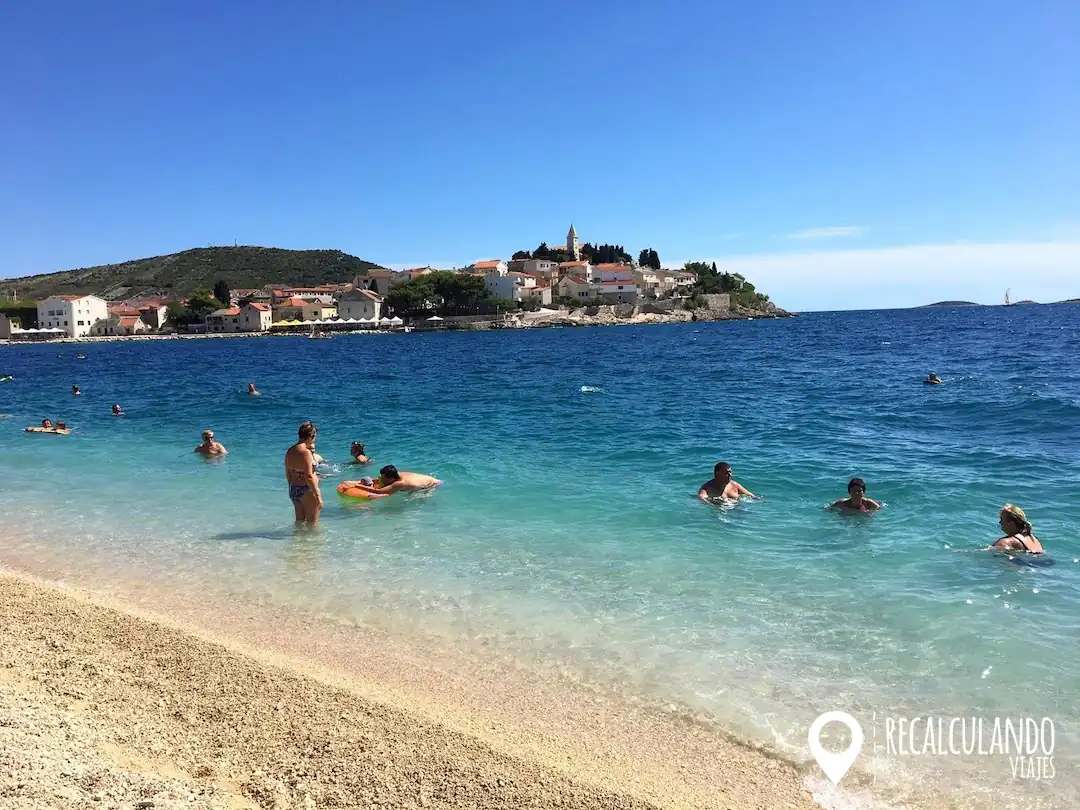
Primošten is one of those places that you see once and never forget: a stone village built on a round peninsula, surrounded by sea on all sides, and crowned by the Church of St. George. We stopped to see it while going along the coast and thought it was a perfect postcard.
It’s a short visit, two or three hours: walk its alleys to the church, go around the peninsula along the coastal promenade, and take a dip at Raduča beach. If you’re driving between Šibenik and Trogir, be sure to stop.
13. Rab, the island of sandy beaches
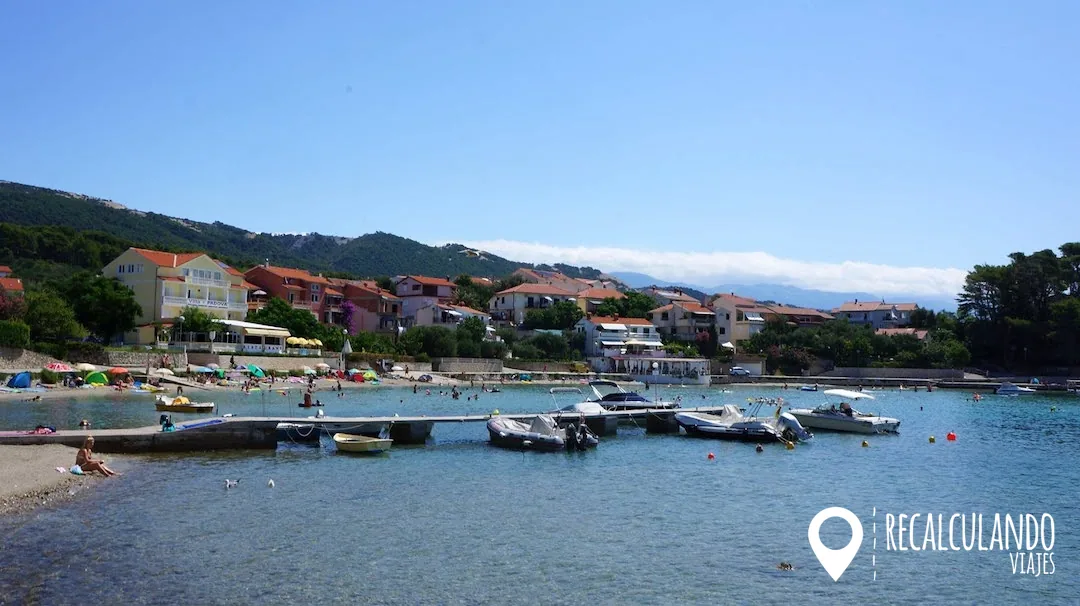
In the northern Adriatic, the island of Rab was one of the surprises of our trip. Its old city is famous for the four bell towers that stand out against the sea, one of the prettiest silhouettes in Croatia. And it has something rare in this country: real sandy beaches, like Rajska Plaža (Paradise Beach) in Lopar.
It’s a destination frequented more by locals and European tourism from nearby than by Spanish-speaking travelers, and precisely for that reason, it retains a relaxed atmosphere that we liked a lot. Ideal if you are touring the Kvarner area or coming down from Istria.
14. Zadar, another point of interest in Croatia
Zadar is the gateway to northern Dalmatia and the islands of the Zadar archipelago: we passed through its port to cross to Dugi Otok. Its Roman old town has a lot to offer, and its two most original attractions are on the waterfront: the Sea Organ, which converts the movement of the waves into music, and the Greeting to the Sun, a light installation that turns on at dusk.
Many travelers recommend staying just for the sunset: Alfred Hitchcock himself said that Zadar’s was the most beautiful in the world. Also, boat trips to the Kornati archipelago, a national park of almost virgin islands, depart from here.
15. Rovinj and the Istrian Peninsula
We close the list with a pending task we have in Croatia: Istria. This northern peninsula has an unmistakable Italian air, and its jewel is Rovinj, a village of colorful houses piling up over the sea with the Church of St. Euphemia on top. Many travelers describe it as the most romantic city in the country.
The region also includes the Roman amphitheater in Pula (one of the best-preserved in the world), medieval villages like Motovun, and top-notch gastronomy with truffles and good wine. We didn’t get to tour it on this trip… but it’s already noted for the next one, and if your route passes through the north, don’t leave it out.



10-day itinerary in Croatia
If this is your first trip and you have 10 days, this is the route we would put together based on what we learned in almost two months of traveling:
- Days 1-2: Zagreb and transfer to Plitvice.
- Day 3: full day at Plitvice Lakes.
- Days 4-5: Split, with a getaway to Trogir and the Krka waterfalls.
- Days 6-8: one or two islands: Hvar and Brač are the perfect combination from Split.
- Days 9-10: Dubrovnik, stopping in Ston along the way.
Do you have two weeks? Add Korčula, the Makarska Riviera with Brela beach, or go up to Istria. With less than a week, concentrate on Dalmatia: Split as a base, one island, and Dubrovnik.
May, June, and September (good weather, fewer people, and better prices)
Minimum 7 days; 10-14 days ideal to combine coast, islands, and parks
From €70–90 per day per person in mid-season
Croatian / Euro (€)
Where to stay in Croatia
Croatia is long and narrow, so it’s best to divide the trip into two or three bases. Our recommendation based on our experience: Split as a central base (perfect for ferries to the islands, Trogir, and Krka), Dubrovnik for the south, and Zagreb or the Plitvice area if you start in the interior. On the islands, look for villages like Stari Grad in Hvar or Bol in Brač: better prices than the main cities and lots of charm.
👉 Find your accommodation in Croatia Here
Keep in mind: in July and August, accommodations on the coast and islands fly off the shelves, especially those near the sea. Book at least two or three months in advance. If you travel in May, June, or September, you get much better prices and much quieter beaches. A tip for tight budgets: look for “sobe,” private rooms in family homes, a Croatian classic that is much cheaper than a hotel (you recognize them by the blue “sobe/rooms” signs in every town).
How to get there and how to get around Croatia
Croatia has several international airports: Zagreb, Split, Dubrovnik, and Zadar are the main ones, with low-cost flights from all over Europe. Since 2023, the country has been part of the Schengen area, so if you come from another European country there is no border control.
To get around, these are the options:
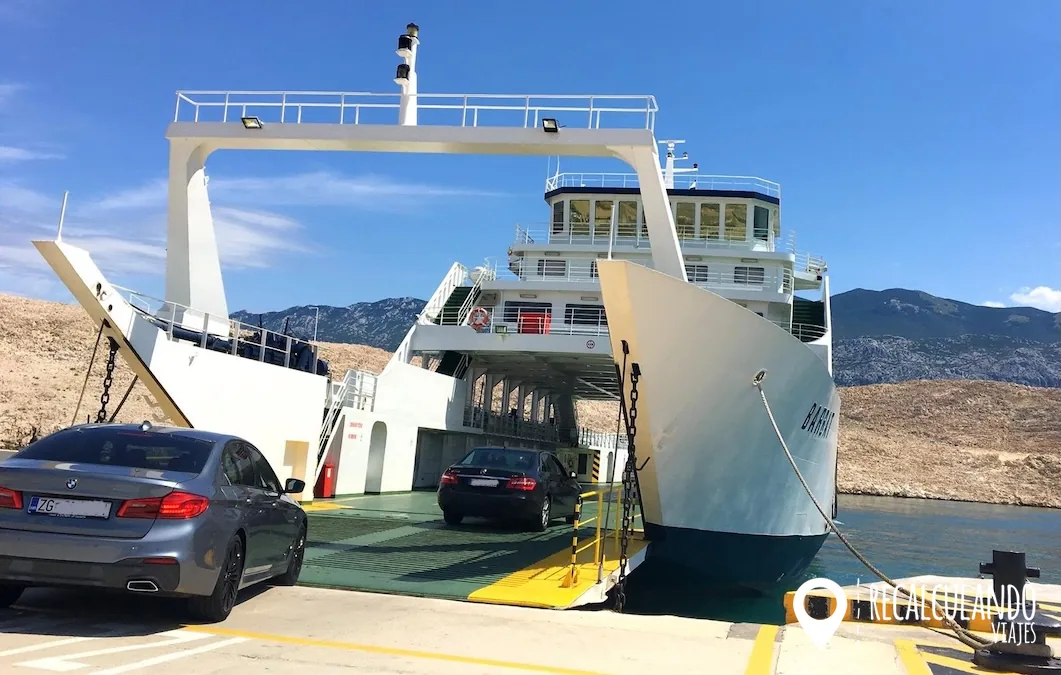
- Rental car (what we did): it’s the best way to travel around Croatia with freedom. The roads are impeccable and the D8 coastal road is a spectacle in itself. Also, Jadrolinija ferries allow you to cross to the islands with the car. You can compare rental prices here. Keep in mind: highways (the “autoceste”, with green signs) are toll roads, although you can dodge them via much more picturesque secondary roads. And watch out for this: the alcohol tolerance for driving is 0.0.
- Ferries and catamarans: they connect Split, Dubrovnik, and Zadar with all the islands. Fast catamarans (passengers only) are ideal if you travel without a car. Check updated schedules on the official Jadrolinija website.
- Bus: the bus network is very good and connects all cities. FlixBus and Arriva are the main companies, with accessible prices.
A route tip: if you go towards Dubrovnik by land, you no longer need to pass through Bosnia thanks to the Pelješac bridge. And if you have time left, Lake Bled in Slovenia is only a couple of hours from Zagreb: we tell you everything in our guide to things to do in Bled. To organize routes, reservations, and budget, our guide on how to plan your trip might be useful.
Map of things to do in Croatia
So you can easily orient yourself, here we leave you the map with the 15 things to do in Croatia from this guide. You can save it in your Google Maps and use it during the trip: it’s what we do in each destination and it always saves us.
Money and internet in Croatia
Croatia has used the euro since 2023, so forget about the old kuna and changing currency. Cards are accepted almost everywhere, but to avoid giving money away in bank commissions (especially if you travel with Argentine cards), what we use is a multi-currency account like Wise: you load dollars or euros and pay with the real exchange rate, without surprises in the statement.
For internet, if you come from outside Europe you don’t have free roaming, so the simplest thing is an eSIM: you activate it before traveling and land with data. We use Holafly, with unlimited data in Croatia and a discount with our code RECALCULANDOVIAJES. Key for using Google Maps on the road and ferry schedules up to date.
What to eat in Croatia
Croatian gastronomy was another surprise of the trip: a mix of Mediterranean cuisine and Balkan influence that in almost two months gave us plenty to try everything. These are the dishes you can’t miss:
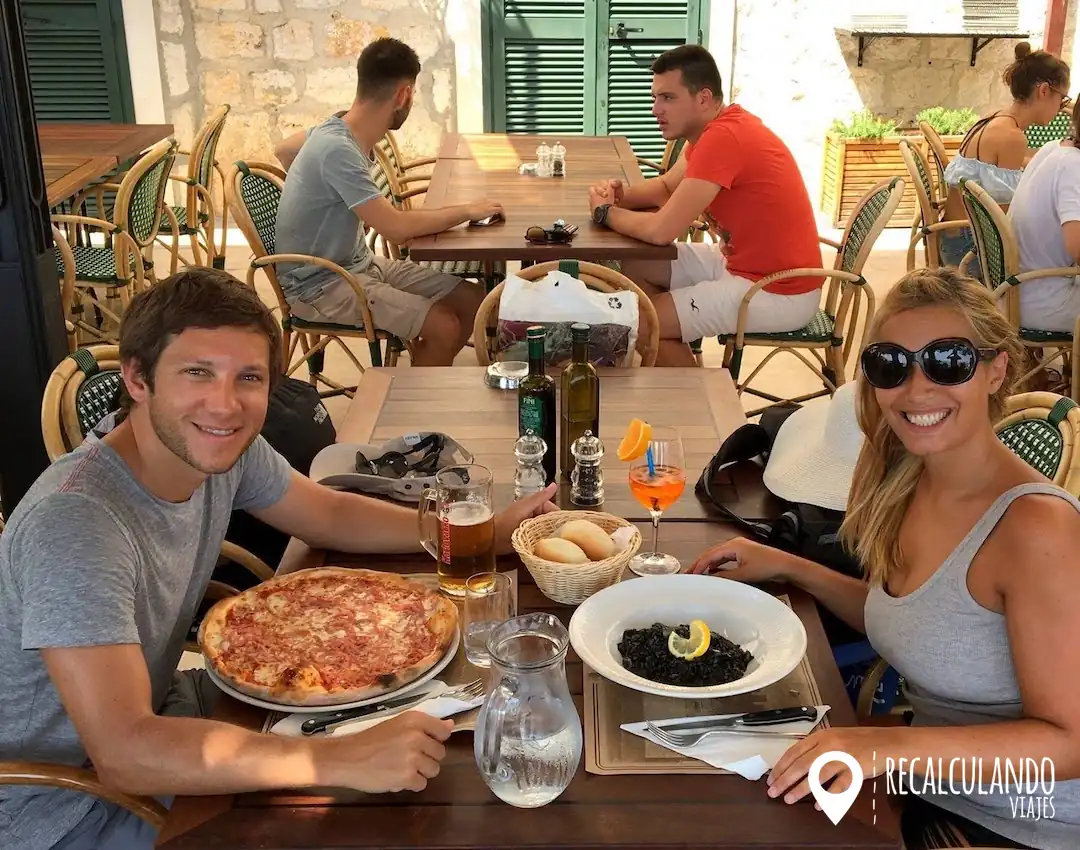
- Crni rižot: black risotto with squid ink, a classic of the entire Dalmatian coast. The color is impressive, the flavor is winning.
- Ćevapi: grilled minced meat rolls served with bread and onions. Simple, cheap, and addictive, the street food of the Balkans.
- Peka: meat or octopus cooked slowly under an iron bell with embers. In many restaurants, you have to order it hours in advance… and the wait is worth it.
- Fish and seafood: fresh in any konoba (traditional taverns) on the coast, and the famous Ston oysters if you pass through Pelješac.
And for dessert, ice cream: there are great ice cream parlors on every corner, a legacy of Italian influence. We don’t know how they do it, but they compete head-to-head with those in Italy, haha.
Travel insurance for Croatia
Something we never leave aside in these 9+ years of traveling is travel insurance, and Croatia is no exception. Between rental car, ferries, hikes on wet walkways in Plitvice, and whole days at the beach, an unforeseen event can ruin your trip (and your wallet). We always travel with IATI Seguros, which has coverage designed for Europe and service in Spanish.
As a Recalculando Viajes reader, you have a 5% discount on your IATI travel insurance with our link. Better to prevent and enjoy Croatia without worries.
Excursions and things to do in Croatia
If you prefer to add guided plans or travel without a car, there are excursions in Spanish that solve very well the visits most complicated to organize on your own:
- Excursion to the Plitvice Lakes from Zagreb, Zadar, or Split (you save driving and the issue of tickets).
- Excursion to the Krka waterfalls from Split or Trogir.
- Boat ride through the Pakleni islands from Hvar or the Kornati from Zadar.
- Game of Thrones Tour in Dubrovnik, a classic for fans of the show.
Stories, photos, Guides, places, tips, and advice for traveling to Croatia

Things to do in Dublin at Christmas: 2026 Guide with 18 Magical Experiences
Introduction: Dublin at Christmas, a city with soul If you are planning to travel to Dublin in December, you are probably wondering about things to do in Dublin at Christmas and whether it's really worth braving the cold. Spoiler: yes, it is absolutely worth it....

From Montreal to Quebec City: train, bus, car, or excursion
Getting from Montreal to Quebec City is one of the easiest trips in Canada: it's about 250 km, and you can choose between train, bus, car, or a day trip. Here we compare the four options with duration, estimated prices, and which one is best depending on your trip. We...

Where to stay in Quebec: best areas and 12 hotels
Choosing where to stay in Quebec is more important than it seems: with snow and sub-zero temperatures, having a hotel within the old town completely changes the trip. Here we tell you about the 4 best areas, 12 top-rated accommodations on Booking, and a map to compare...
Fuerteventura Airport to Corralejo: how to get there
To get from Fuerteventura airport to Corralejo you have four options: bus with a transfer, taxi, private transfer, or rental car. It is about 36 km towards the north of the island, and depending on which one you choose, it will take you from half an hour to over an...

Japanese Food: The 2026 Guide with 10 Incredible Secrets to Enjoy its Cuisine
Introduction to Japanese food and our experience traveling through Japan Japanese food always had that air of mystery, simplicity, and elegance that we heard so much about before traveling. But the reality is that nothing prepared us for what we would experience when...

Things to do in Chiang Mai: Essential guide with 25 must-sees
Introduction to Chiang Mai If you are planning a trip through northern Thailand, this question is surely already on your mind: things to do in Chiang Mai. And we'll let you in on a secret: much more than you imagine. This city was one of our favorites in Southeast...
Frequently asked questions about things to do in Croatia
How many days are needed to see Croatia?
With 7 days you can see the essential parts of Dalmatia: Split, Dubrovnik, an island, and a national park. The ideal is 10 to 14 days to add more islands, Zagreb, and Plitvice without rushing. We were there for almost two months and still had places left pending.
What is the best time to travel to Croatia?
May, June, and September are the ideal months: good weather for the beach, lower prices, and much fewer people than in the middle of summer. July and August are the hottest and busiest months, with high-season prices throughout the country.
Is it expensive to travel around Croatia?
Croatia stopped being the cheap destination it was years ago, especially since the adoption of the euro. In mid-season, you can calculate from €70-90 per day per person with accommodation, food, and transport. Dubrovnik and Hvar are the most expensive destinations; the interior and the less touristy islands are much more economical.
Is a car needed to travel around Croatia?
It’s not mandatory, but we highly recommend it: the car gives you total freedom to stop at viewpoints, beaches, and small towns, and ferries allow you to cross to the islands. If you travel without a car, the bus network is very good and catamarans connect the main islands from Split and Dubrovnik.
What currency is used in Croatia?
Croatia has used the euro since January 2023, so if you come from another eurozone country you don’t need to change money. Cards are accepted almost everywhere, although it’s convenient to carry some cash for markets, parking lots, and small towns.
Is Croatia in the Schengen area?
Yes, Croatia has been part of the Schengen area since January 2023. If you enter from another Schengen country there is no border control, and the days you spend in Croatia count within the 90-day limit of tourist stay in the area.
Is it safe to travel around Croatia?
Yes, Croatia is one of the safest countries in Europe and we felt calm at all times during almost two months of travel. As in any tourist destination, it’s advisable to take care of your belongings in crowded areas like stations, beaches, and historic centers, but common sense is more than enough.
Our conclusion on things to do in Croatia
After almost two months touring the country, we can say it without hesitation: Croatia is one of the most complete destinations in Europe. Walled cities, islands with waters that seem like the Caribbean, national parks from another planet, and a coast that never ends. Of all the things to do in Croatia on this list, our favorites were Plitvice, Brač, and Korčula… but the truth is there isn’t one that isn’t worth it.
Plan your route in time, book in advance if you travel in summer, and prepare the camera, because you’re going to take pictures at every turn of the road. Do you have any questions left? Leave us a comment and we’ll help you plan your trip. Happy travels!
ℹ️ **Total Transparency**
This article contains affiliate links. If you book through these links, we may receive a small commission at no additional cost to you. We only recommend services that we use on our trips and that we trust. This helps us keep this blog free and continue creating useful content for you. Thank you for your support!
🔗 Resources & Useful Links for your trip to Croatia
Do you have questions or want to add your own recommendations about things to do in Croatia?
💬 Leave your comment or write to us, we love reading about other travelers’ experiences.
Thank you very much for being part of this adventure!— Nanu & Facu 🌎 | Recalculando Viajes 💜