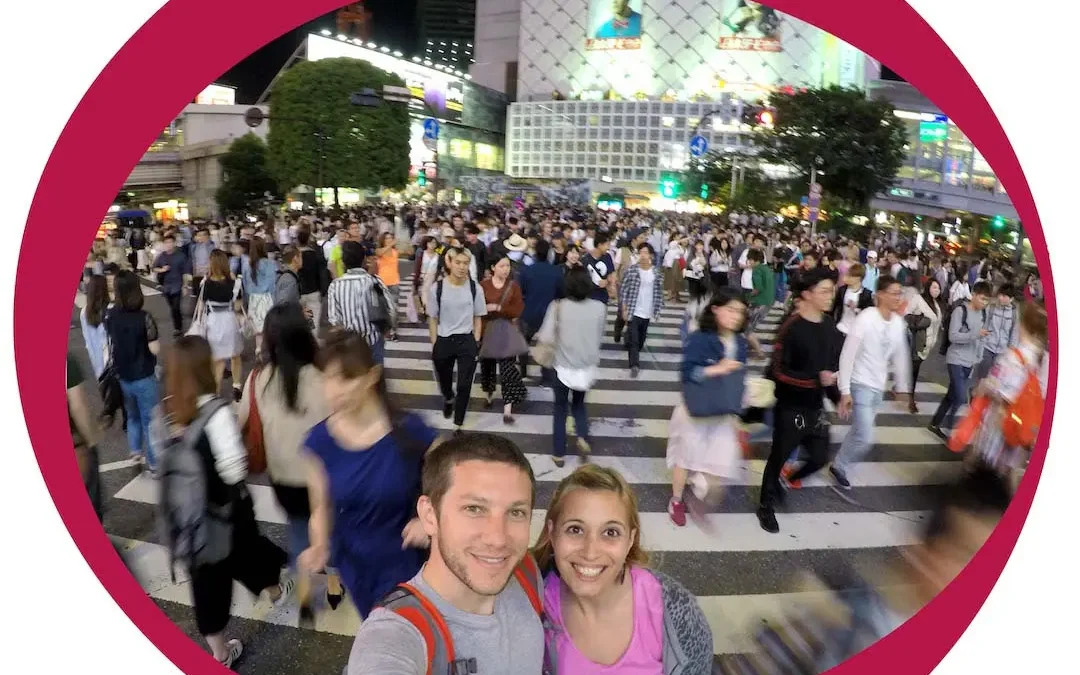
Tokyo was our first stop in Japan and it left us spellbound. Everything amazed us: the ultra-punctual trains, the food, the order, the respect, the giant skyscrapers right next to centuries-old temples… We based ourselves for 9 nights in a small apartment near JR Otsuka Station and from there we explored the city and its surroundings, always by public transport.
In this guide we share the best things to do in Tokyo: the 20 places you can’t miss, with what we experienced at each one and information updated for 2026 (prices, opening hours and important changes, such as the new tax-free system). At the end you’ll find the map, how many days to stay, an itinerary, how to get around, where to stay and everything you need to plan your trip.
FREE🚶♀️➡️Free walking tour of Asakusa in English ➜ Click Here🚶 — no cost, just the tip you want to leave.
🌍 Travel Insurance: 5% Off with IATI Seguros! 🌟
Take advantage of this offer and travel safe.
Summary: things to do in Tokyo
| Category | Key details |
|---|---|
| Must-sees | Shibuya Crossing, Senso-ji in Asakusa, Harajuku and Takeshita Street, Shinjuku Gyoen, the Imperial Palace, Odaiba |
| Recommended days | 3 days for the essentials · 5 days or more to add day trips |
| Best time to go | Spring (cherry blossoms, late March) and autumn (red leaves, late November) |
| Getting around | Trains and subway with Suica or PASMO; Tokyo Subway Ticket from ¥1,000 for 24 h |
| Currency and language | Japanese yen (¥) · Japanese |
| Visa | Argentina and Spain: no visa for up to 90 days as tourists |
| Where to stay | Shinjuku, Shibuya, Asakusa-Ueno or any neighborhood on the JR Yamanote Line |
| Top day trips | Mount Fuji, Kamakura and Nikko |
1. Shibuya Crossing, the most famous crossing in the world
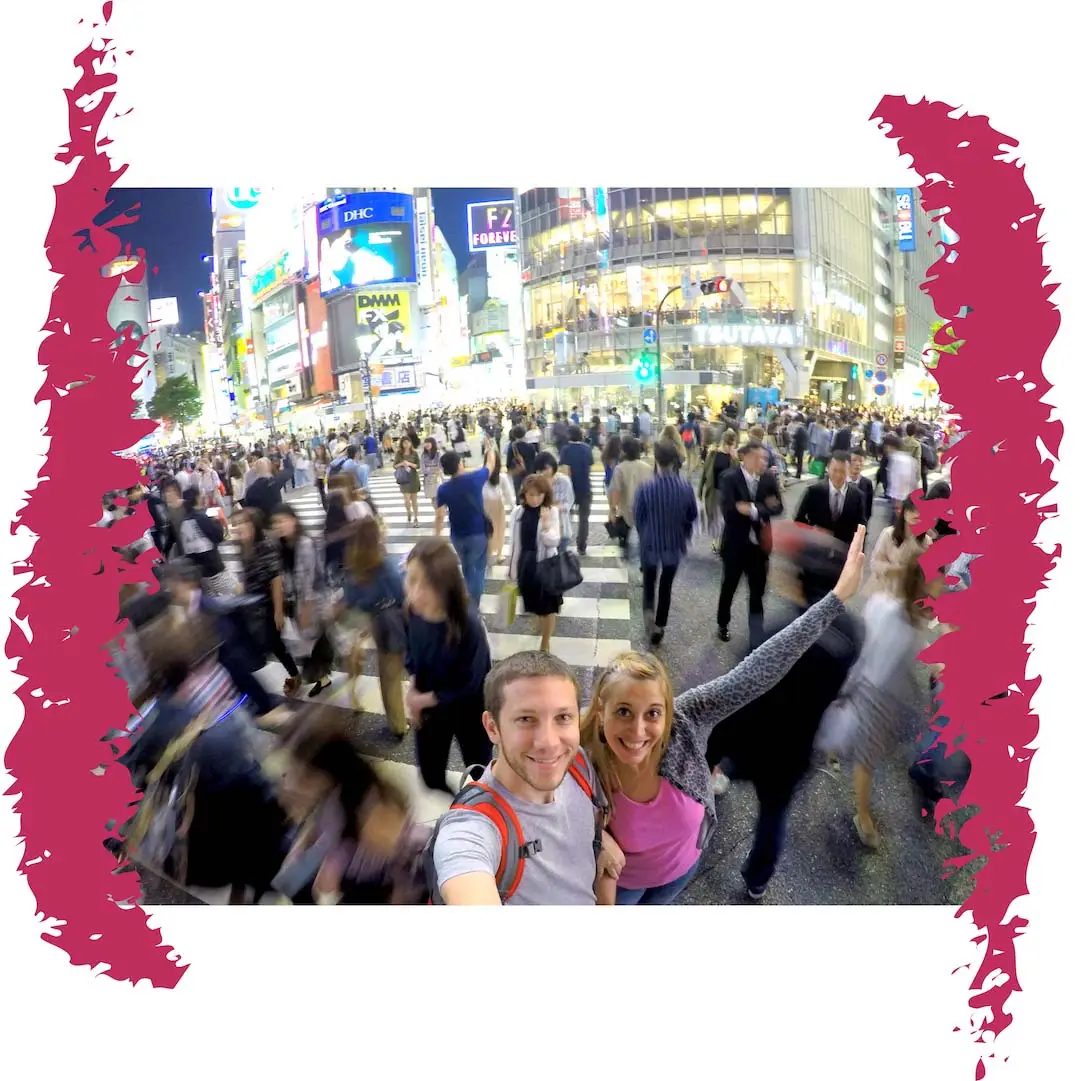
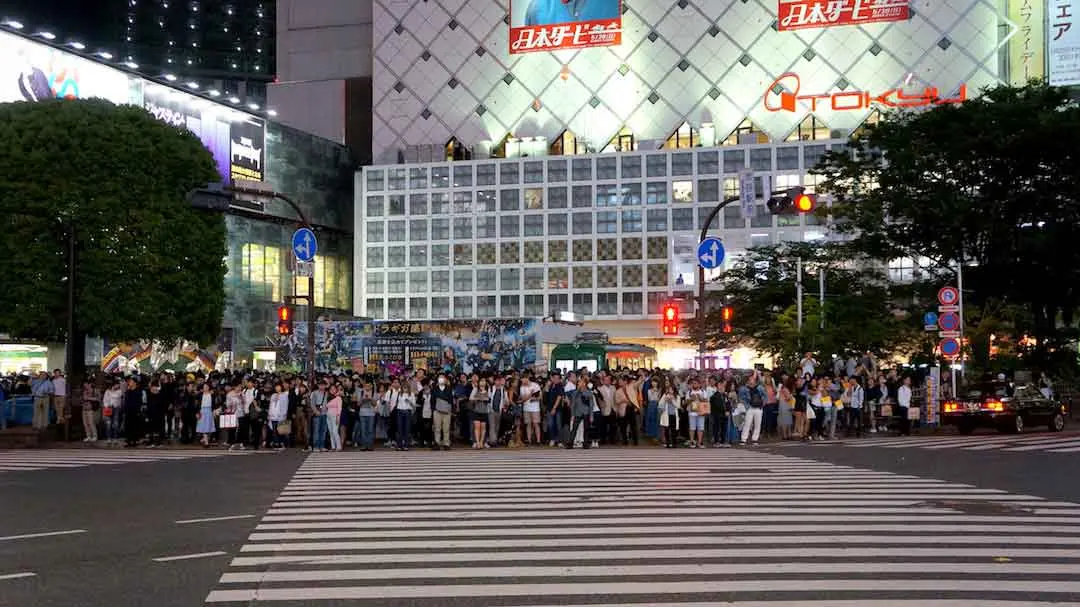
We’ll never forget Shibuya Crossing. It’s a scramble crossing: the traffic lights turn red for cars in all four directions at the same time and pedestrians cross every which way, diagonally too. According to Tokyo’s official tourism website, more than 1,000 people can cross it at once.
We arrived in the afternoon to see it by day and stayed until it got dark, with all the screens lit up: it’s really worth seeing at both times. We knew there was a camera streaming live, so we ran and jumped across so our families could spot us on the screen. There were loads of people doing crazy things just like us!
The Hachiko statue
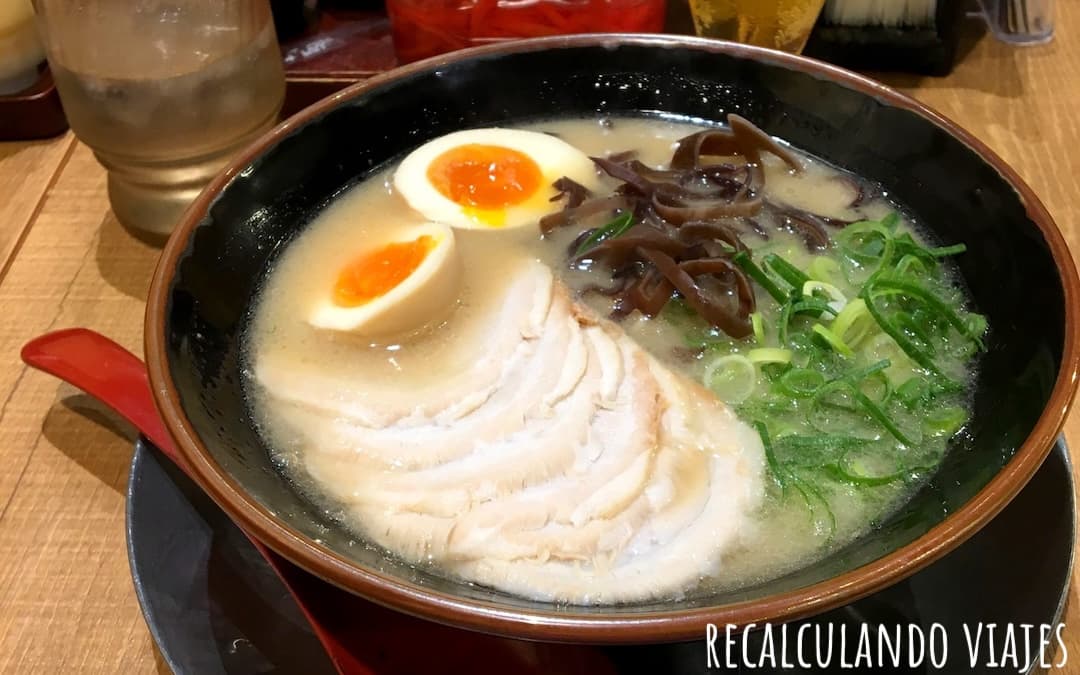
Right next to the station is the statue of the dog Hachiko, one of the most famous meeting points in the city. To kill some time, there are hundreds of restaurants around the crossing: we ended up having a delicious ramen.
2. Shibuya Sky: the observation deck above the crossing
It didn’t exist for us when we went, but today it’s one of the most sought-after observation decks in Tokyo. Shibuya Sky is on the rooftop of the Shibuya Scramble Square skyscraper, right above the station, and from up there you can see the crossing and, on clear days, even Mount Fuji.
| Adult ticket | Online | At the ticket office |
|---|---|---|
| Before 15:00 | ¥2,700 | ¥3,000 |
| From 15:00 | ¥3,400 | ¥3,700 |
It’s open from 10:00 to 22:30 (last entry 21:20). Sunset tickets sell out fast: if you want that time slot, buy them online well in advance. The rooftop may close in bad weather.
3. Takeshita Street, the heart of Harajuku
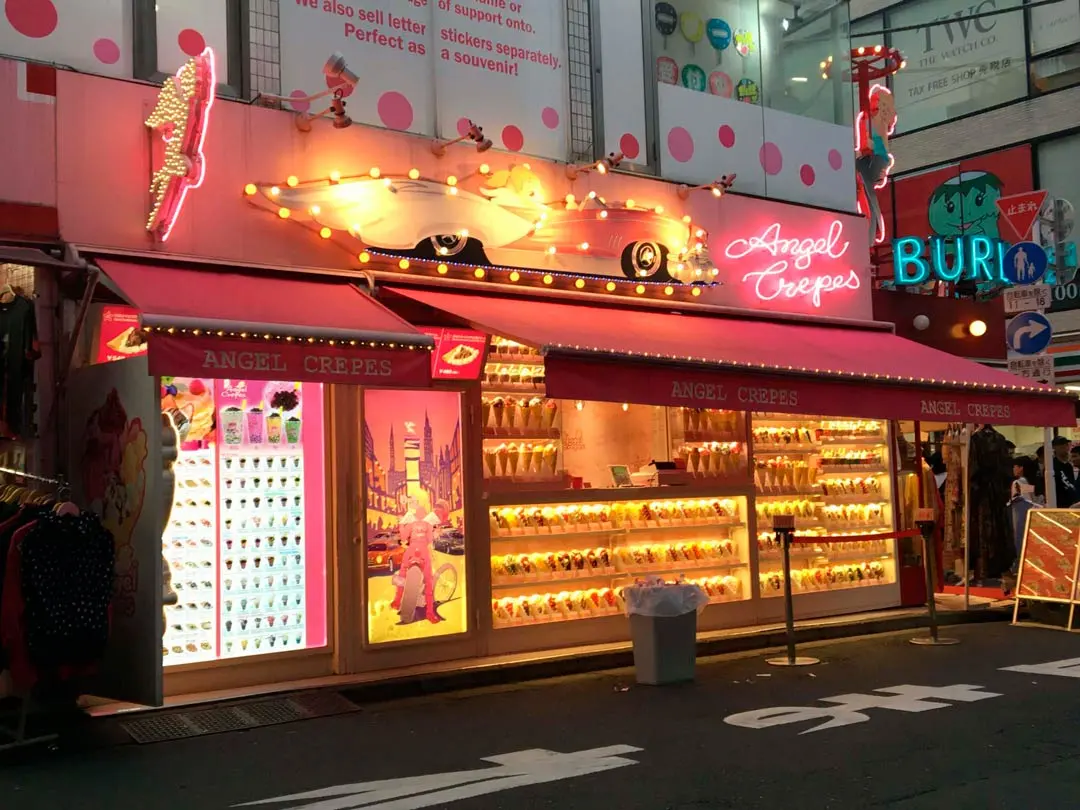
Harajuku is a shopping area with two main streets that couldn’t be more different. The first, Takeshita Street, is a must for us: a short, quirky pedestrian street packed with teen fashion, cosplay, goth and gothic lolita style. On weekends it gets so crowded it’s hard to walk.
You’ll also find Japanese socks of every kind: with little animals, with lace, short, long… Nanu couldn’t leave without buying a pair with little animals (Japanese socks are the best). And don’t leave without trying the Japanese crepes, rolled up like a cone and filled with all sorts of things.

4. Omotesando Avenue
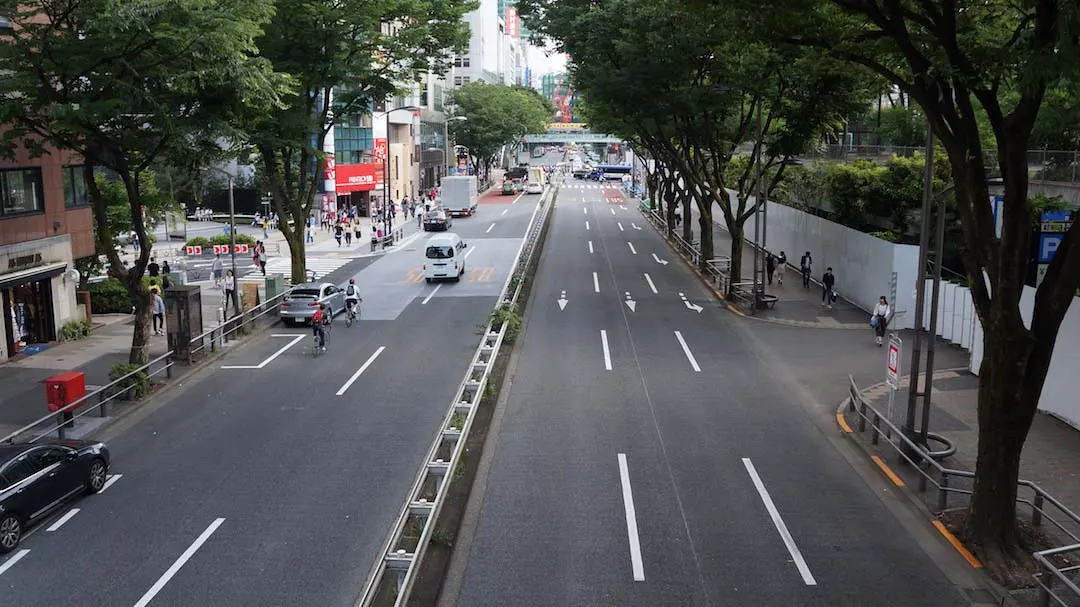
A few minutes from Takeshita, the atmosphere changes completely. Omotesando is a large tree-lined avenue with stores from the best-known brands in the world and very modern architecture; there’s a reason it’s called “the Champs-Élysées of Tokyo”.
5. Meiji Shrine
Right next to Harajuku is Meiji Shrine (Meiji Jingu), one of the most important Shinto shrines in Tokyo, in the middle of a huge forest. Entry is free and it’s open every day from sunrise to sunset (for example, in October from 5:40 to 16:40).
Combine it with Yoyogi Park, which is right beside it: between the two you get a morning of nature in the middle of the city.
FREE🚶♀️➡️Free tour of Meiji Shrine and Yoyogi Park in English ➜ Click Here🚶 — no cost, just the tip you want to leave.
6. Yoyogi Park
Yoyogi Park is one of the most visited places to breathe in a bit of green. In spring it’s one of the classic spots for hanami (cherry blossom viewing) and in autumn for momiji (the red leaves). Entry is free.
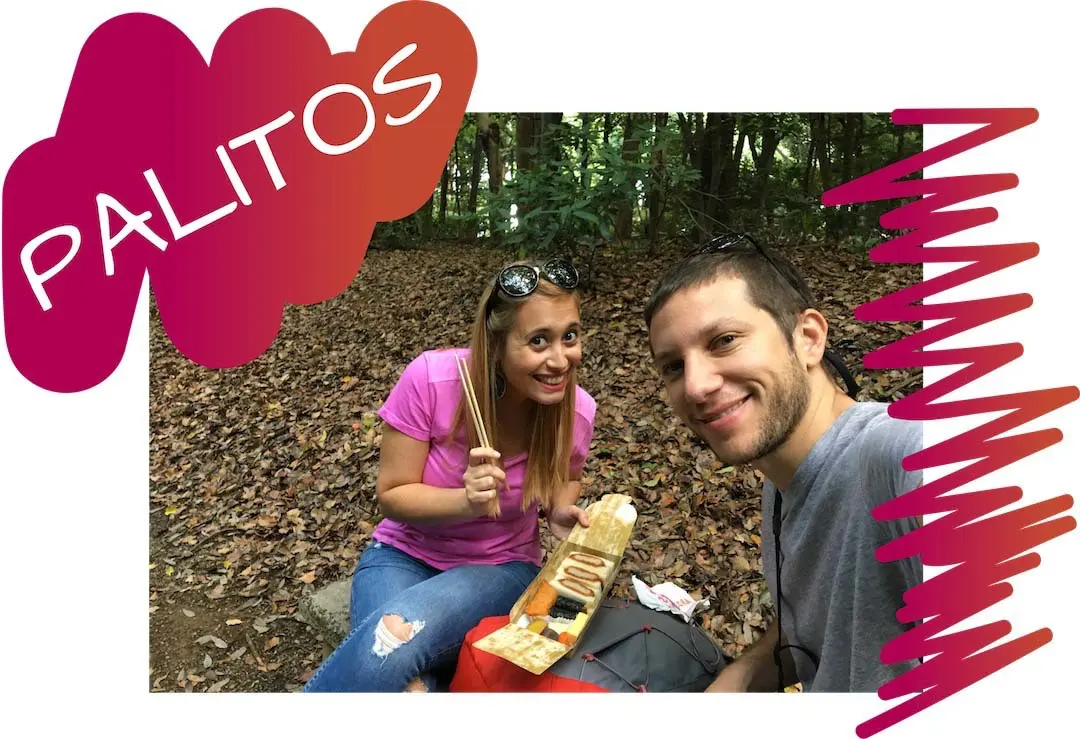
We took the chance to have a picnic with our bento box and rest for a while: it’s the perfect plan between Harajuku and Shibuya.
7. Shinjuku Gyoen National Garden
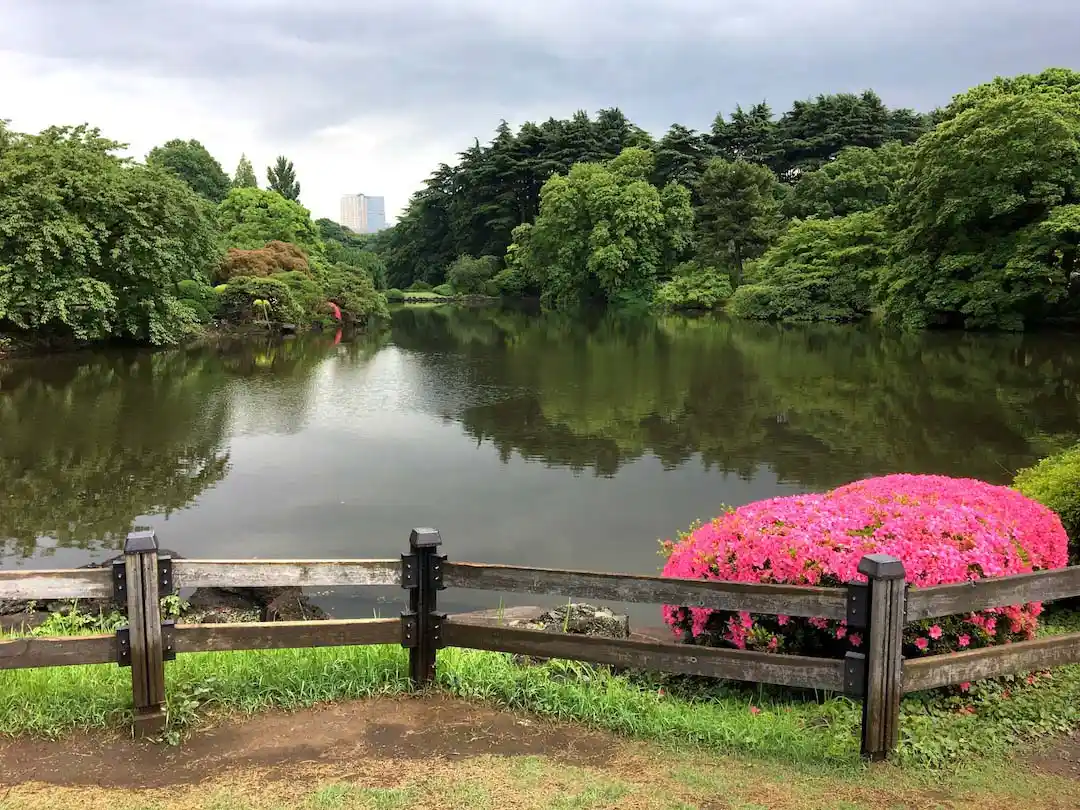
If you have to choose one Japanese garden in Tokyo, make it Shinjuku Gyoen. It’s divided into three styles: a traditional Japanese garden, a French garden and an English garden.
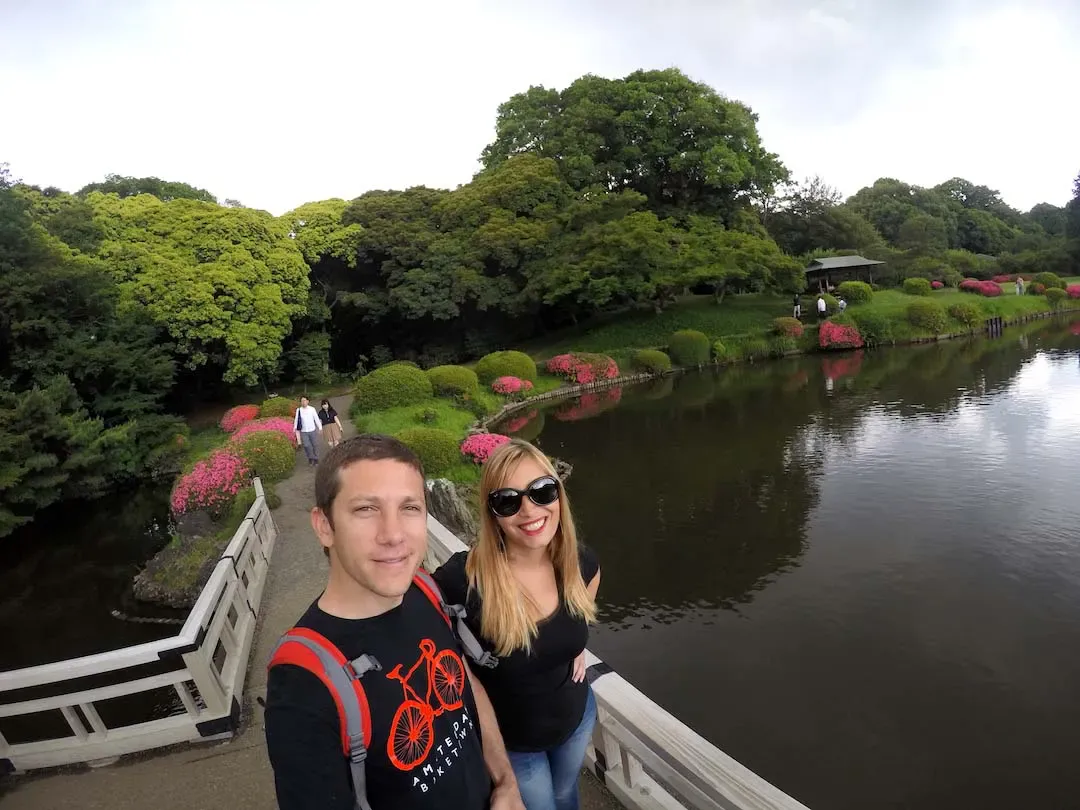
It rained on us almost the whole time, but we were prepared and laughed a lot at ourselves in the middle of the park in the storm. In the end the sun came out and we enjoyed it anyway. In 2018 the entrance cost 200 yen; today it’s quite a bit more expensive, but it’s still worth it.
| Shinjuku Gyoen (2026) | Details |
|---|---|
| Admission | Adults ¥500 · students and over-65s: ¥250 · up to 15 years old, free |
| Opening hours | October 1 to March 14: 9:00-16:30 · March 15 to September 30: 9:00-18:00 (June 11 to July 31, until 19:00) |
| Closed | Mondays (except during cherry blossom season, March 25 to April 24, and November 1 to 15) |
8. Nishi-Shinjuku and the LOVE sculpture
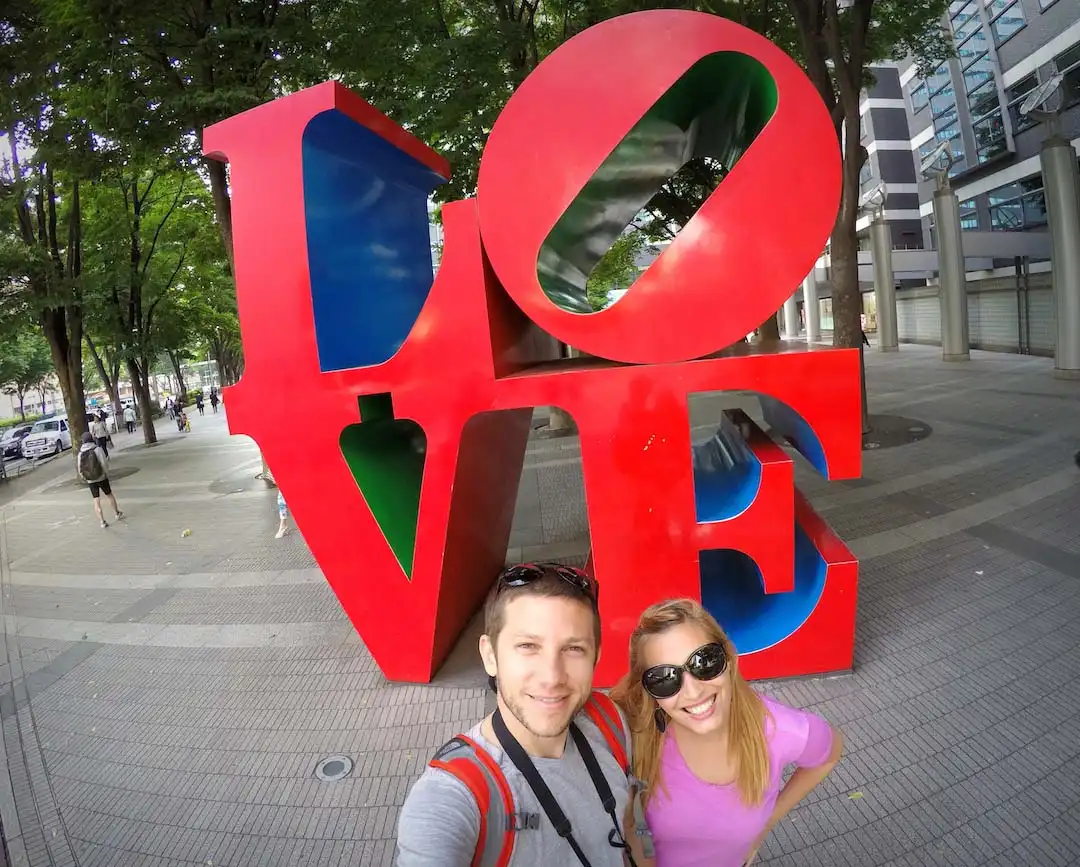
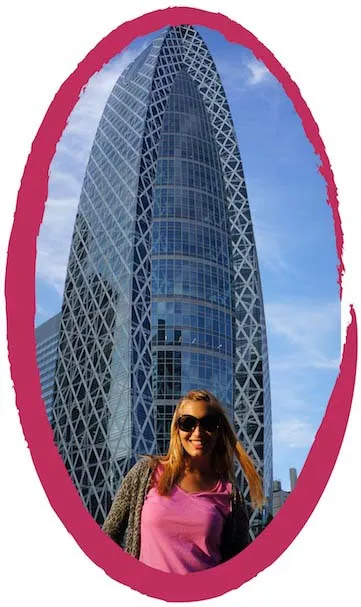
On the other side of Shinjuku Station is the financial district of Nishi-Shinjuku, with its giant, ultra-modern skyscrapers, like the cocoon-shaped tower. We explored it on foot until we reached the famous LOVE sculpture, another classic Tokyo photo.
9. Asakusa and Senso-ji Temple
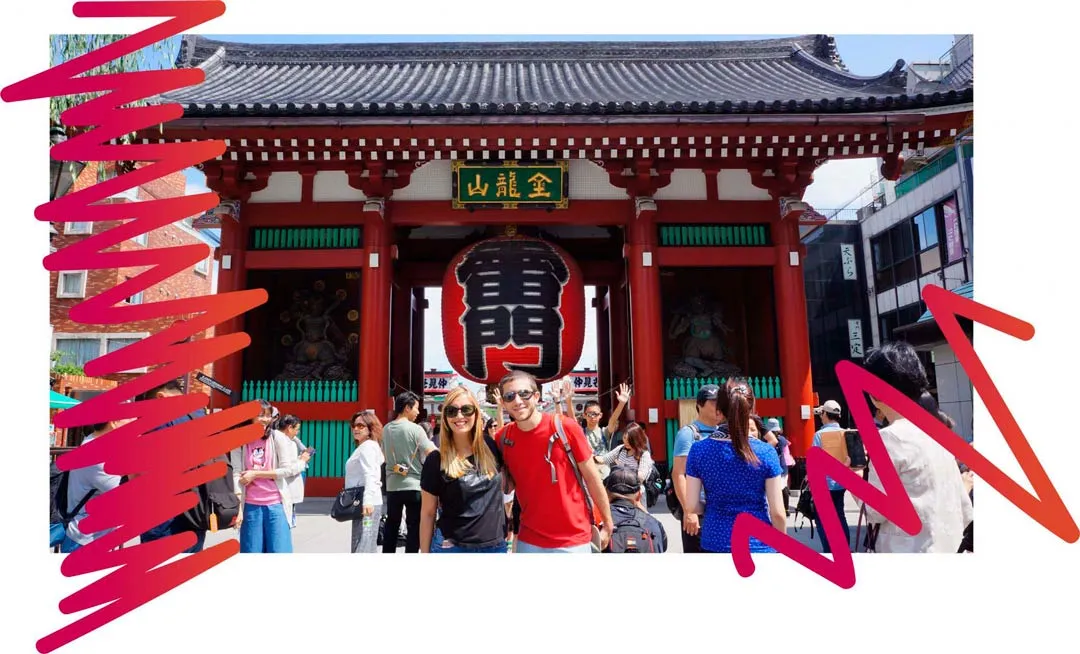
Senso-ji was our first encounter with Japanese temples, and it couldn’t have been better. It’s the oldest Buddhist temple in Tokyo, it’s in the Asakusa neighborhood and it’s dedicated to Kannon. Entry is free and the main hall is open from 6:00 to 17:00 (from October to March, from 6:30).
Kaminarimon Gate and Nakamise Street
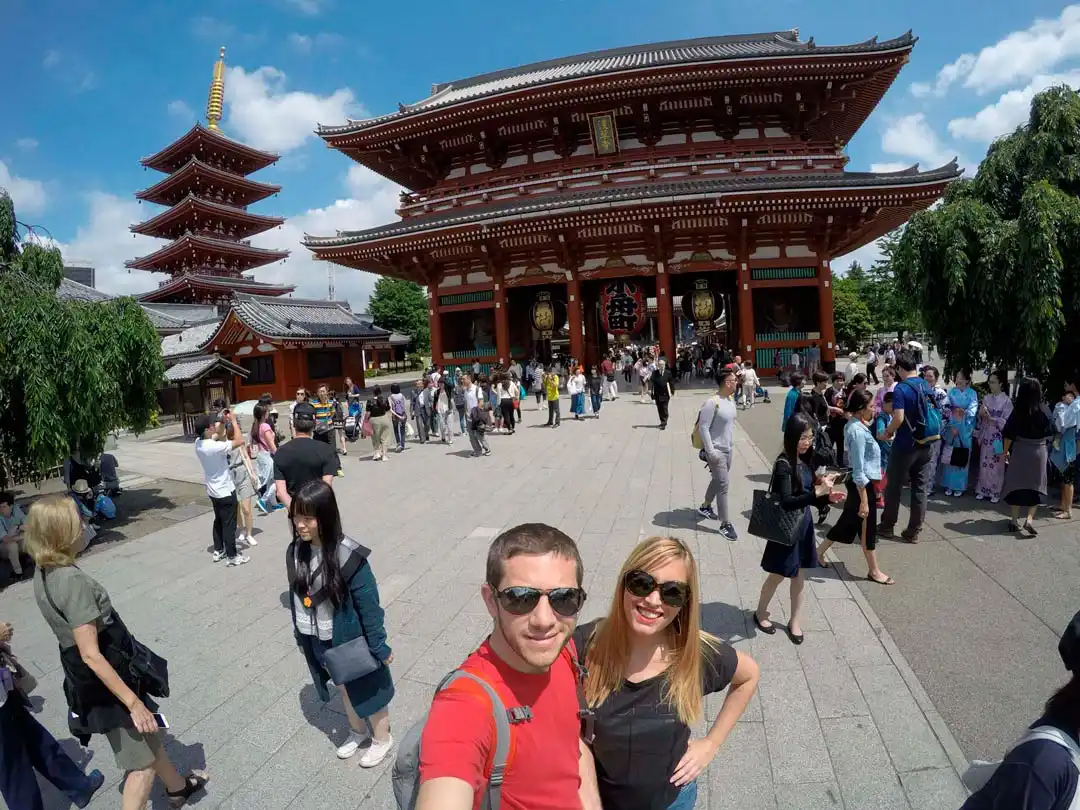
Go in through the Kaminarimon, the “Thunder Gate”, with its huge red lantern 3.9 meters tall and weighing about 700 kilos. From there you walk toward the temple along Nakamise-dori, a street full of stalls selling souvenirs, sweets and traditional items. Then a second gate appears, the Hozomon, and finally the main hall, where you’ll see lots of people praying in front of the altar.
To one side stands the five-story pagoda, about 53 meters high from the ground. Go early: by mid-morning Nakamise fills up with people.
➜ BOOK THE FREE WALKING TOUR OF ASAKUSA IN ENGLISH (CLICK HERE)
10. Tokyo Skytree
Very close to Asakusa, across the Sumida River, you can see the Tokyo Skytree, the tallest tower in Japan. We didn’t go up, but if you like observation decks it’s another option to see the city from way up high. The price varies by day: a ticket to the Tembo Deck costs from ¥1,800 for adults, and the combo ticket with the Tembo Galleria, from ¥3,000. Buy it online on the official website.
11. Akihabara, the district of electronics and video games
Akihabara is the center of electronics, anime and video games in Japan. Its main street, Chuo-dori, is lined with entire buildings of stores: some are seven stories tall. For tech lovers, it’s dangerous territory. You’ll also find the famous maid cafés, where the staff are girls dressed as maids or anime characters.
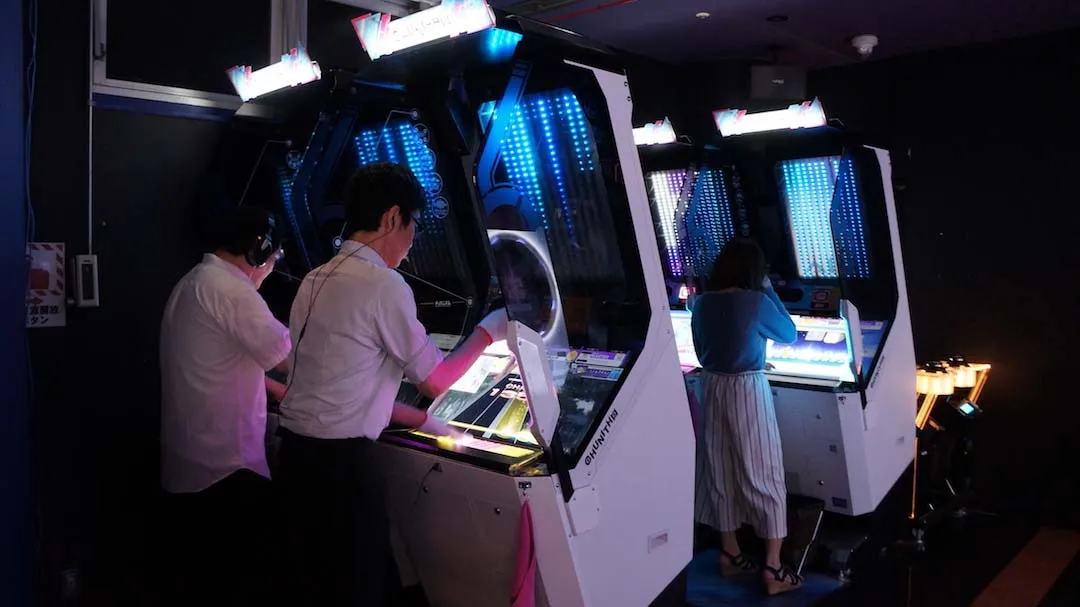
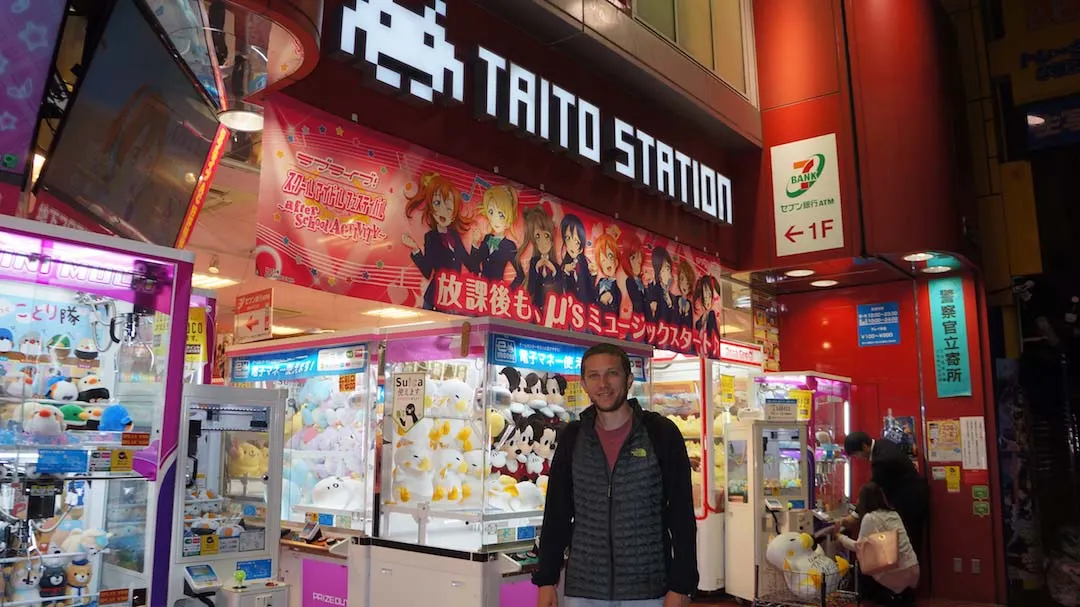
The game centers
The SEGA and TAITO game centers take up whole buildings: virtual reality, dance, music, card games… Facu couldn’t leave Tokyo without playing at least once. Some games are hard to figure out, but you have to try your luck with a few tokens. We had no luck with the claw machines: we left without the Pikachu.
If you’re going shopping, read what we explain further down about the new tax-free system that starts in November 2026 first.
👩⚕️👨⚕️ A must-have for stress-free travel! 🌎✈️ ➜ Get a Quote, Compare & Buy
12. The East Gardens of the Imperial Palace
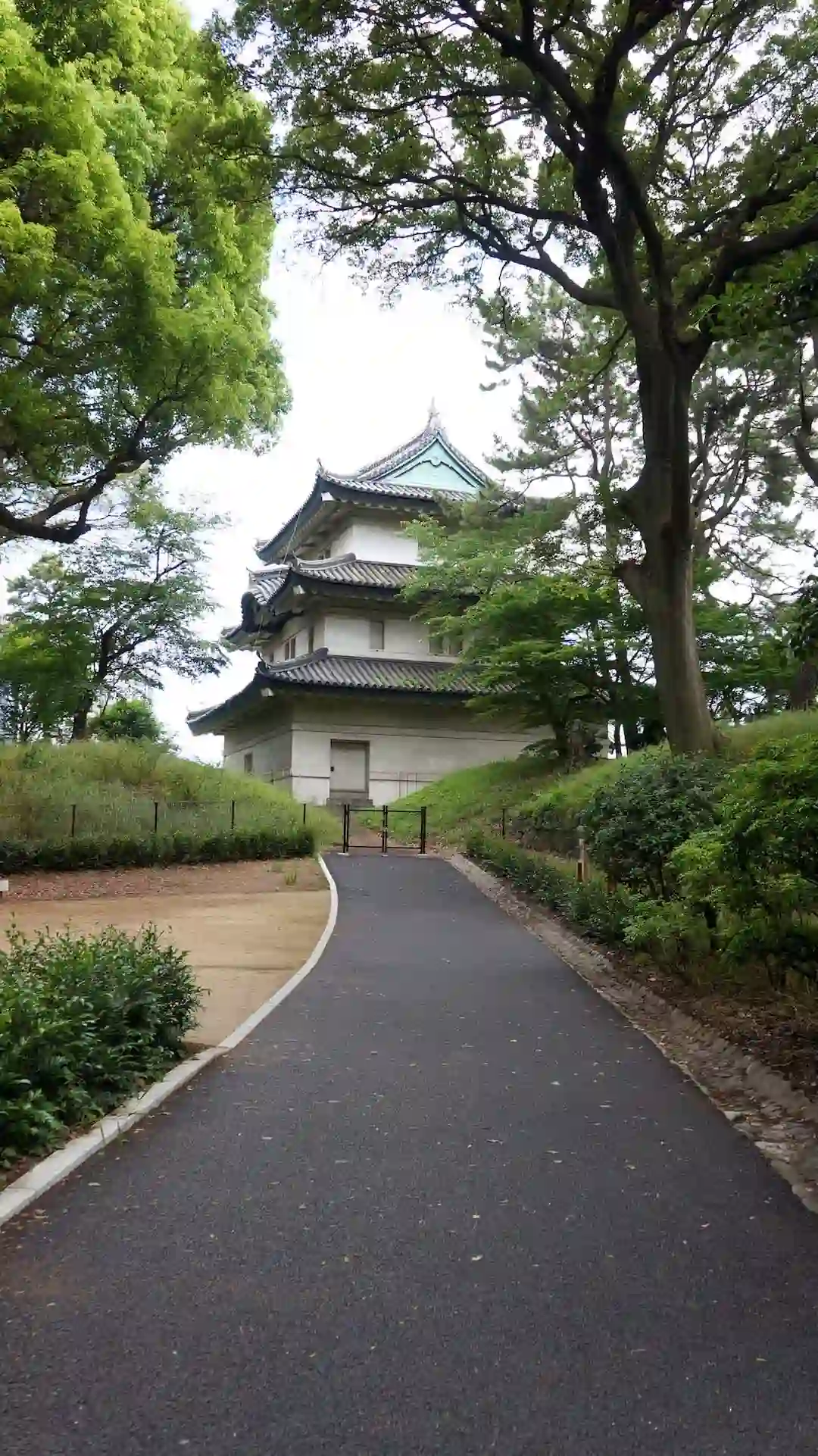
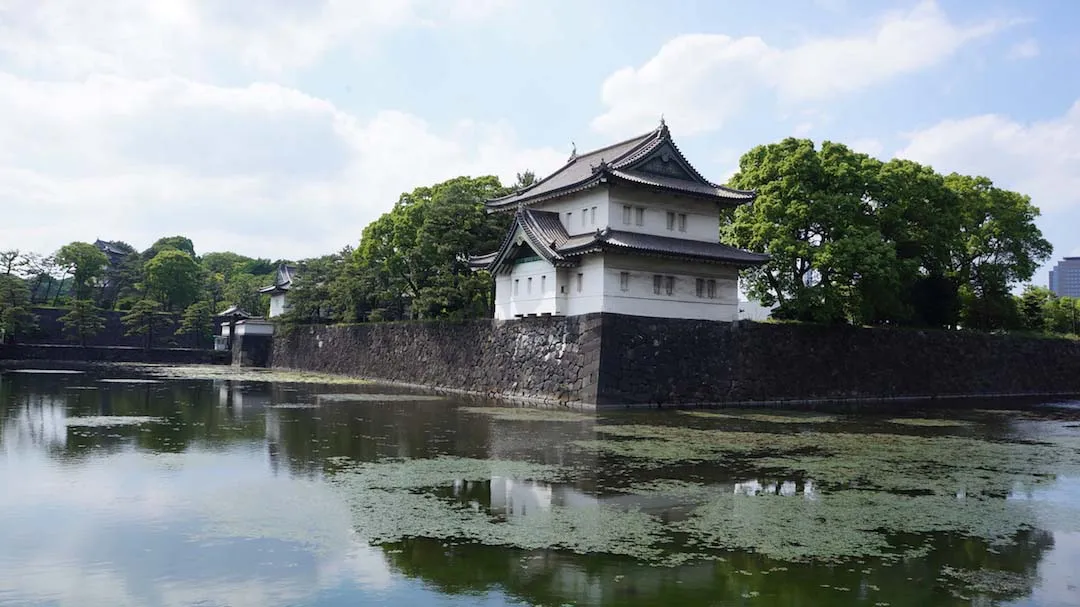
The Imperial Palace (Kokyo) stands on the grounds of the former Edo Castle and is the residence of the Emperor of Japan. The palace itself can’t be visited inside, but the East Gardens (Higashi Gyoen) can, and entry is free.
We loved them: they’re full of flowers and green areas to rest. We even took a nap on the grass. And it was there that we came across the famous Japanese toilets with a thousand buttons for the first time.
| East Gardens | Details |
|---|---|
| Admission | Free |
| Closed | Mondays and Fridays (and December 28 to January 3) |
| Opening hours | October: 9:00-16:30 · November to February: 9:00-16:00 · March to mid-April and September: 9:00-17:00 · mid-April to August: 9:00-18:00 (last entry 30 min before closing) |
13. Ginza, Tokyo’s most elegant district
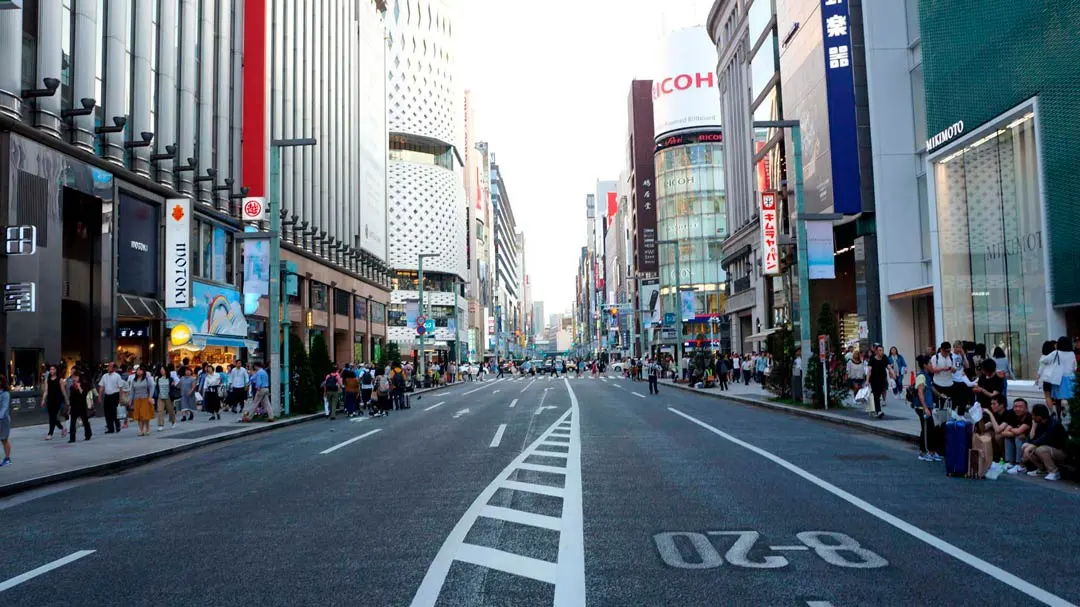
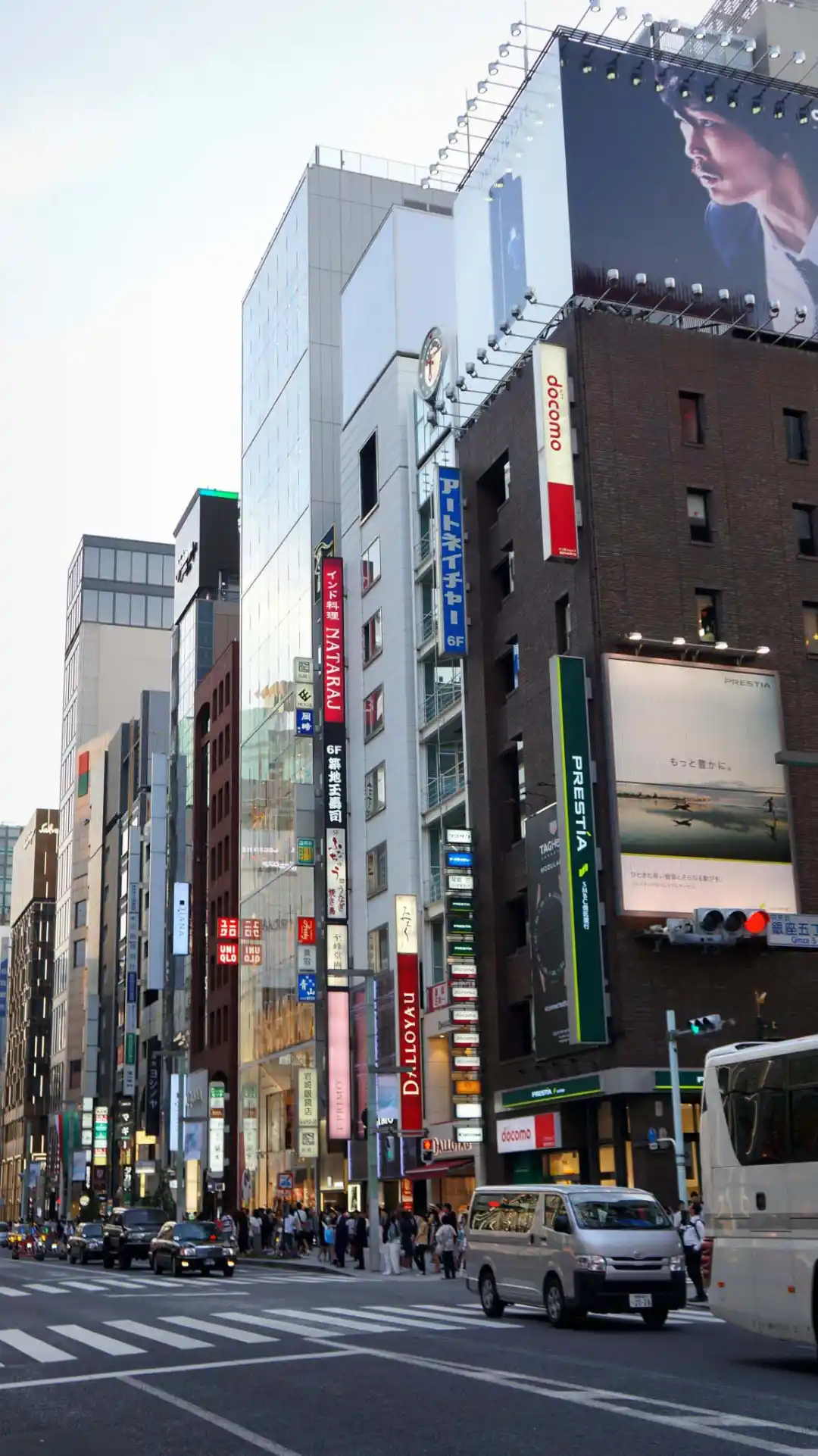
Ginza is the most elegant shopping area in the city: stores from the big fashion, tech and car brands, huge department stores and immaculate shop windows. Even if you don’t buy anything, it’s worth a stroll, especially on weekends, when the main street is closed to traffic.
14. Tsukiji Outer Market
The wholesale fish market moved to Toyosu, but the Tsukiji Outer Market is still one of the best places to eat in Tokyo: sushi stalls, tamagoyaki (Japanese omelet), grilled seafood and Japanese knives. The recommended hours for the general public are 9:00 to 14:00; many stalls close on Sundays, public holidays and some Wednesdays, so check the official calendar before you go.
15. Odaiba Island and the Rainbow Bridge
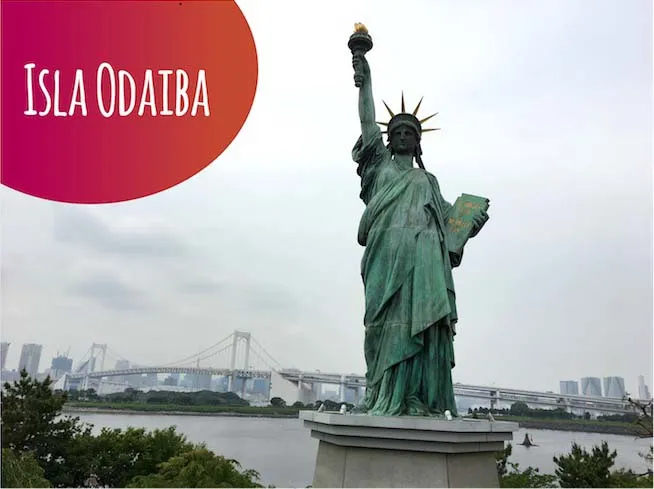
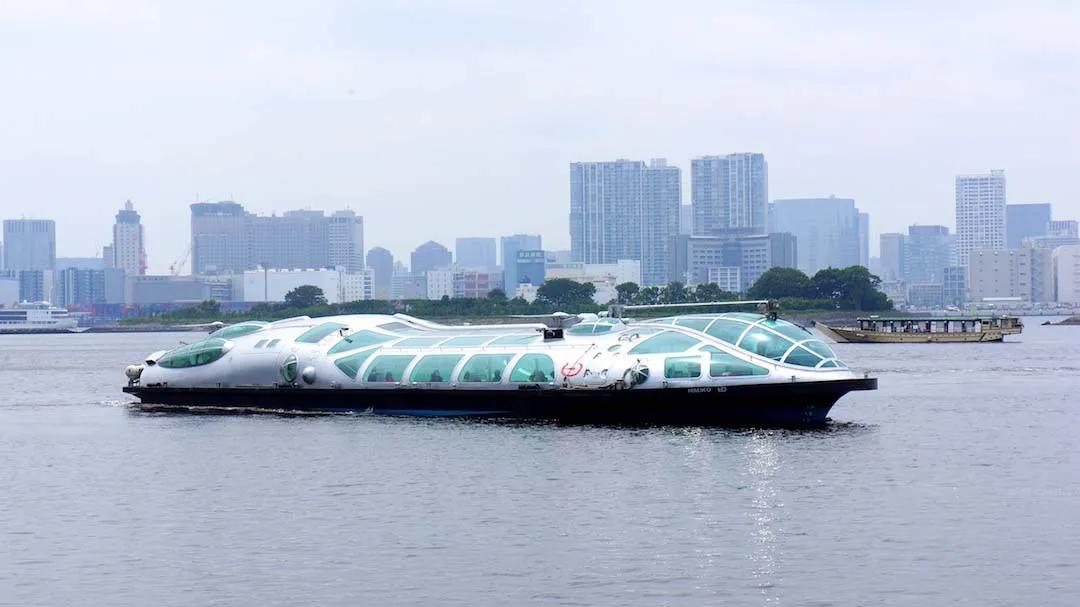
Odaiba is an artificial island in Tokyo Bay, connected to the city by the Rainbow Bridge. It’s one of the most futuristic neighborhoods, with an urban beach and a 12.5-meter replica of the Statue of Liberty, installed in 1998.
We didn’t get to see it at night, but if you have time, the illuminated bridge must be spectacular. You can also walk across it: the pedestrian walkway is 1.7 km long (20 to 30 minutes) and is open from April to October from 9:00 to 21:00 and from November to March from 10:00 to 18:00; it closes on the third Monday of every month.
Heads-up if you saw it in other guides: the giant Gundam at DiverCity Tokyo Plaza stopped being displayed on August 31, 2026.
16. teamLab Planets and teamLab Borderless
The teamLab digital art museums have been among the most popular things to do in Tokyo in recent years (they didn’t exist when we went). There are two:
- teamLab Planets, in Toyosu, near Odaiba: it will be open until the end of 2027. Adults from ¥3,800, depending on the date, and tickets are not sold on site.
- teamLab Borderless, at Azabudai Hills, near Roppongi: it’s permanent. Adults from ¥3,400, depending on the date.
For both, it’s best to buy online in advance on the official teamLab website.



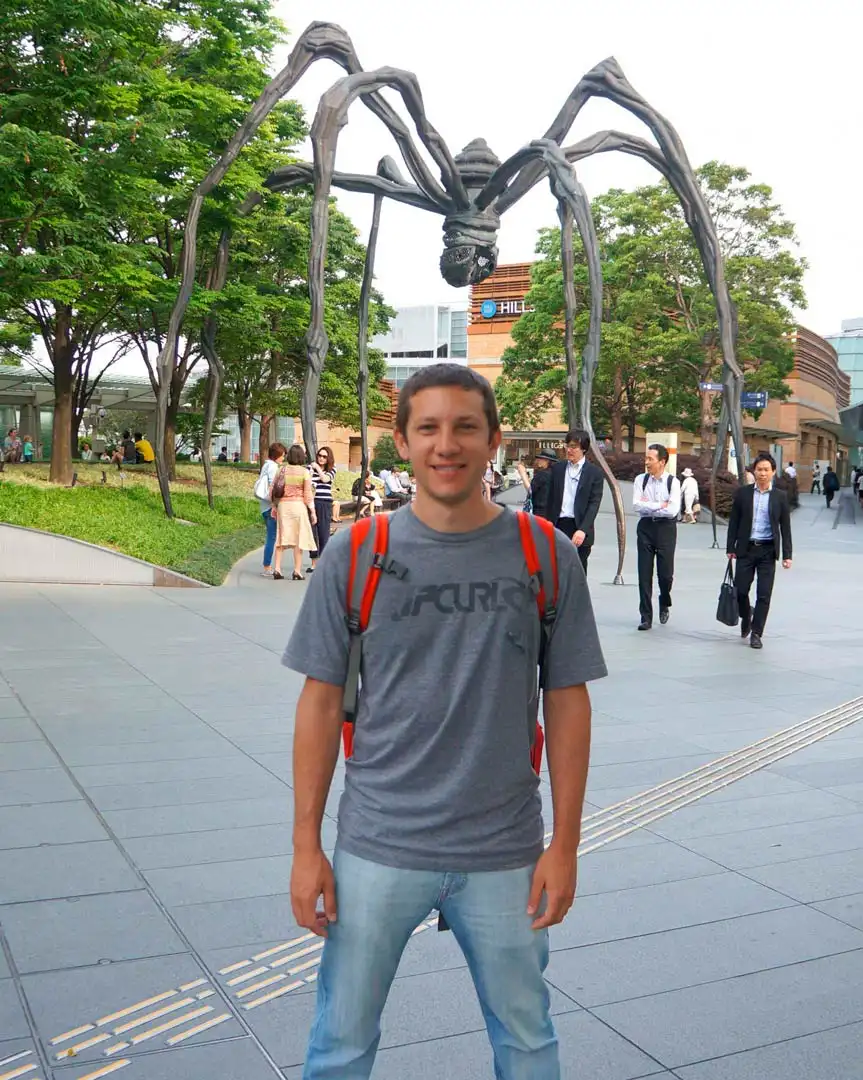
17. Roppongi Hills and the Tokyo City View observation deck
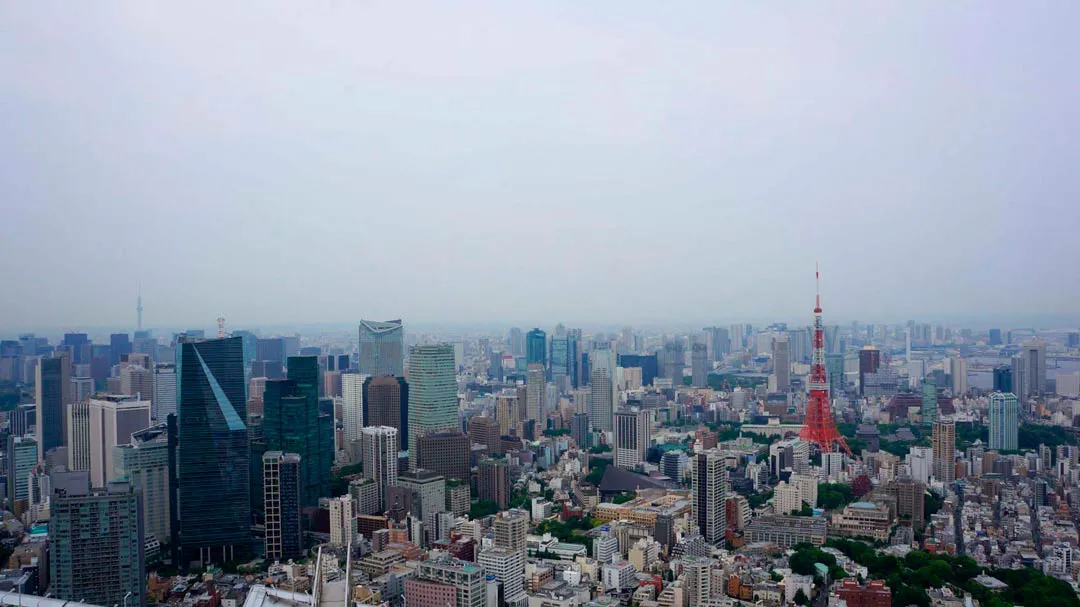
Given how much we love observation decks, we couldn’t miss Tokyo City View, on the 52nd floor of Mori Tower, in Roppongi Hills, 250 meters above sea level. From there you see all of Tokyo through the huge windows, with Tokyo Tower right in front of you. When we went there was a Marvel exhibition on the same floor, and the Mori Art Museum is on the 53rd floor.
| Tokyo City View (2026) | Online | At the ticket office |
|---|---|---|
| Adults | ¥2,200 | ¥2,400 |
| Students | ¥1,600 | ¥1,700 |
| Children | ¥1,000 | ¥1,100 |
It’s open from 10:00 to 22:00 (last entry 21:30). If you’re traveling in autumn 2026, keep in mind that it’s closed on October 27 and from November 10 to 12, and that the Mori Art Museum reopens on October 31 with a new exhibition.
18. Tokyo Tower
The red-and-white Tokyo Tower is one of the symbols of the city and can be seen from almost every observation deck. You can go up to the Main Deck for ¥1,500 (adults), from 9:00 to 23:00; there’s also a guided tour of the Top Deck from ¥3,300 if you buy online.
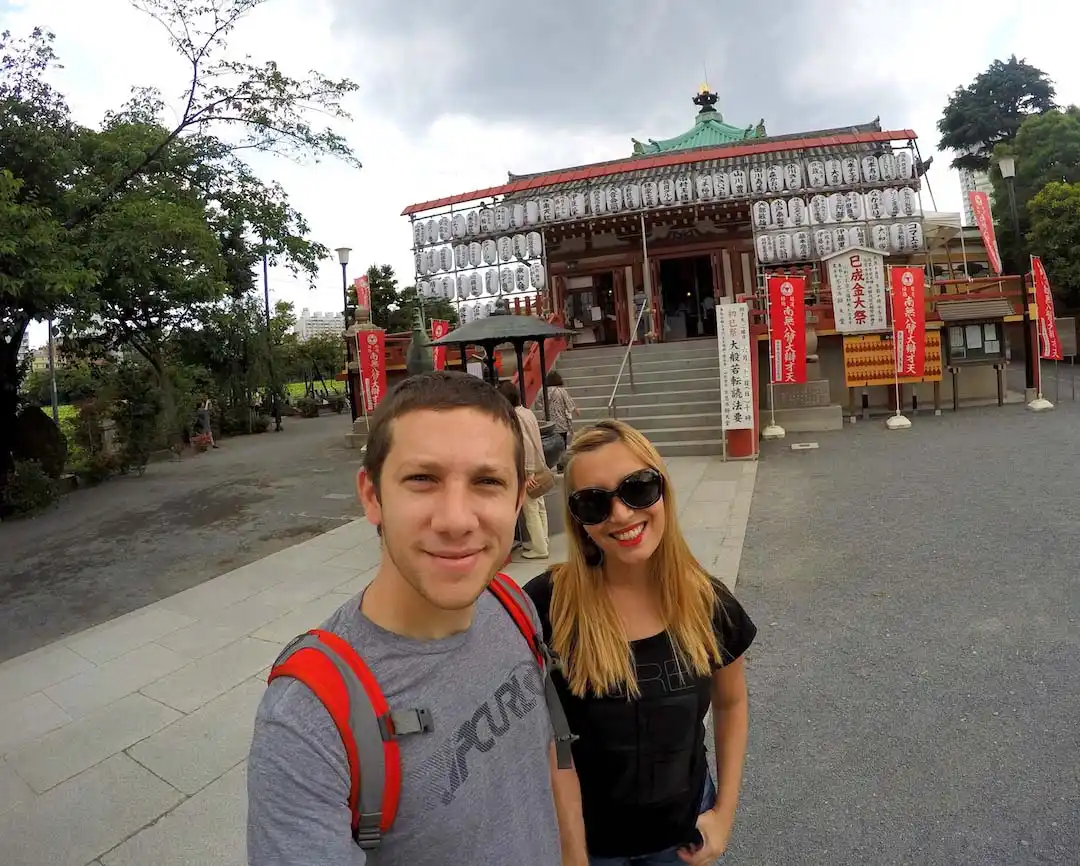
19. Ueno Park
For those who love green spaces, another great park is Ueno, with lakes, temples and several of the city’s most important museums. Entry to the park is free and it’s open from 5:00 to 23:00. In spring it’s one of the busiest places to see the cherry blossoms.
20. The Ghibli Museum, in Mitaka
The Ghibli Museum is a dream for fans of Hayao Miyazaki’s anime. It’s in Mitaka, far from the center, but the streets around it are very quiet and lovely. From Mitaka Station we walked about 15 minutes, along a small river.
Our mistake: we went without a reservation and were left at the door. Tickets are sold only with an advance reservation: from abroad, on Lawson Ticket, which releases the next month’s tickets on the 10th of each month at 10:00 (Japan time). Adults pay ¥1,000, it’s open from 10:00 to 18:00 and it’s closed on Tuesdays. All the info is on the official website.
Day trips from Tokyo
If you have more than three days, getting out of the city for a day is a great idea. These are the ones we recommend most:
Kamakura
Less than an hour away by train, with its Great Buddha and temples between the hills and the sea. We tell you all about it in what to see in Kamakura (in Spanish).
Mount Fuji and Lake Kawaguchi
Japan’s most famous postcard. With a clear view of the mountain it’s unforgettable; an organized day trip is the simplest way to go.
Nikko
Shrines declared a World Heritage Site in the middle of the mountains.
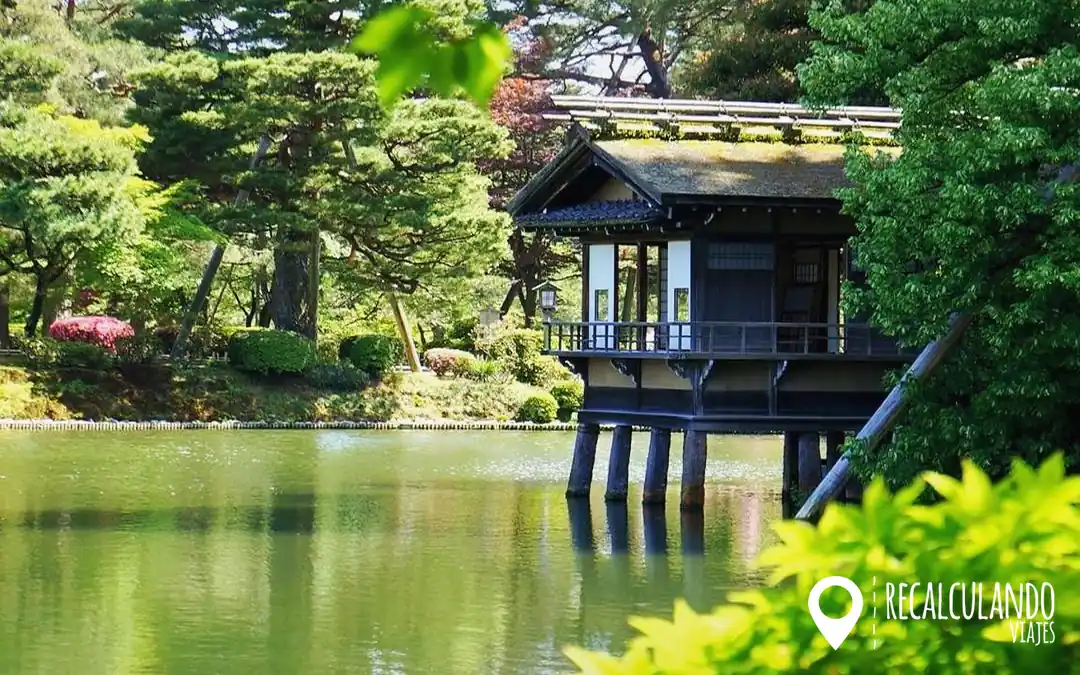
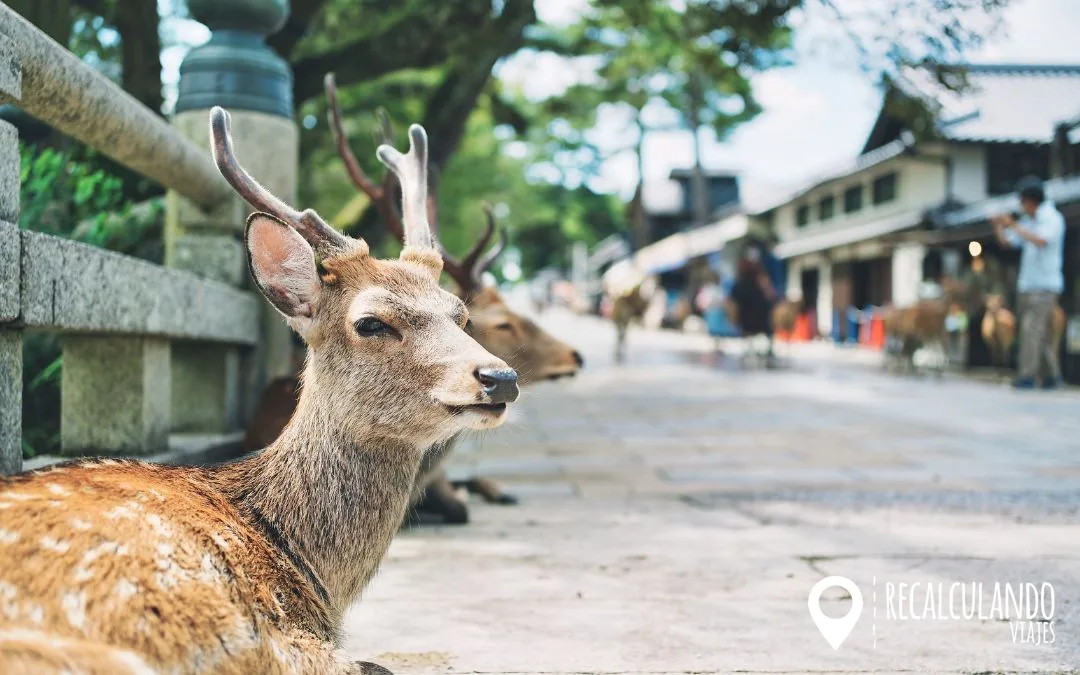
If you’re continuing your trip after Tokyo, also check out our guides to Kyoto, Nara and Kanazawa.

Best time to visit Tokyo
- Spring (March-April): cherry blossom season. According to the Japan Meteorological Agency, in Tokyo the blossoms start on average on March 24 and reach full bloom around March 31. It’s the most beautiful time, and also the most expensive and crowded.
- Rainy season (June-July): in the Tokyo region it usually runs from early June to mid-July.
- Summer: hot and humid.
- Autumn (November): the yellow ginkgo leaves and red maple leaves are at their best in late November. For us, the best time along with spring.
How many days do you need in Tokyo?
With 3 days you see the essentials; with 5 you can explore at a relaxed pace and add a day trip. We stayed 9 nights because we combined the city with the surroundings, and we didn’t have a single day to spare.
3-day Tokyo itinerary
| Day | What to do |
|---|---|
| Day 1 | Meiji Shrine and Yoyogi Park · Takeshita Street and Omotesando · Shibuya Crossing at sunset and Shibuya Sky |
| Day 2 | Asakusa and Senso-ji early · Tokyo Skytree · Akihabara in the afternoon |
| Day 3 | East Gardens of the Imperial Palace · Tsukiji Outer Market · Ginza · Odaiba at night |
If you have 5 days
Add a day for Shinjuku (Shinjuku Gyoen, Nishi-Shinjuku and the evening around the station) with Roppongi and Tokyo City View, and another for a day trip to Kamakura, Nikko or Mount Fuji. If you love anime, book the Ghibli Museum well ahead and combine it with Ueno Park.
How to get to Tokyo from the airports
From Narita
The Keisei Skyliner reaches Nippori in about 36 minutes and Ueno in about 41, for ¥2,470. The other option is JR’s Narita Express (N’EX), which goes to Tokyo Station, Shinagawa, Shibuya and Shinjuku: check the current price on the JR East website.
From Haneda
Haneda is much closer. The Tokyo Monorail reaches Hamamatsucho in 13 minutes for ¥520, and the Keikyu Line goes to Shinagawa in about 11 to 14 minutes.
How to get around Tokyo
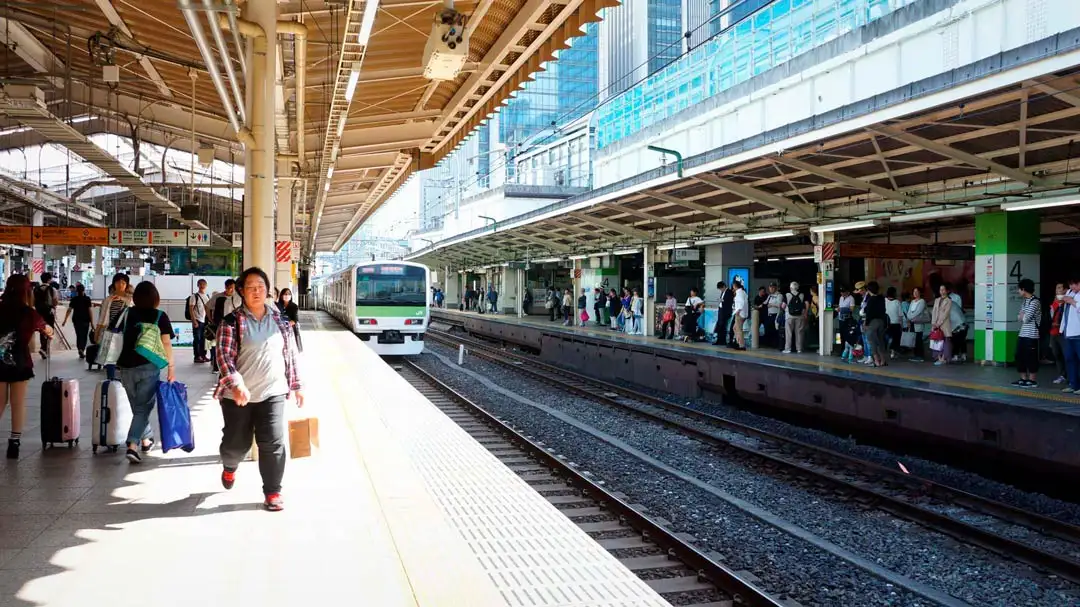
We always got around by public transport, mostly by train and subway, and also by ferry and bus. Japanese transport is incredibly punctual, clean and comfortable.
Suica and PASMO cards
These are rechargeable cards for trains, the subway, buses and even for paying in stores. Since March 2025 the regular Suica and PASMO cards are on sale again (with a ¥500 deposit), and for tourists there are the Welcome Suica and the Tourist PASMO, with no deposit and valid for 28 days.
Tokyo Subway Ticket
If you’ll be using the subway a lot, the Tokyo Subway Ticket gives you unlimited rides on the Tokyo Metro and Toei lines: ¥1,000 for 24 hours, ¥1,500 for 48 hours and ¥2,000 for 72 hours (prices from March 14, 2026).
Is the Japan Rail Pass worth it?
We used it for 21 days, the maximum, and found it super useful for getting around Japan. But today it costs quite a bit more than when we traveled: ¥50,000 for 7 days, ¥80,000 for 14 and ¥100,000 for 21 on the official website. It only pays off if you’re taking several long bullet train trips; for getting around Tokyo, it doesn’t.
Where to stay in Tokyo
Tokyo is huge, so choosing the right neighborhood saves you a lot of time. Our rule: stay near a station on the JR Yamanote Line, the loop line that connects the main neighborhoods. We stayed in an apartment near Otsuka and got everywhere in just a few minutes.

Where to Stay in Tokyo? Map & Prices
On the map below, you can zoom in, move around, and filter by your travel dates to see real-time accommodation prices in Tokyo.
Tips for your first time in Tokyo
These are the things that surprised us most and that we wish we’d known before arriving:
- Order and respect are everything. On the platforms people line up at the marks on the floor to board the train, and inside almost nobody talks on the phone. Copy what everyone else does and you’ll be fine.
- The trains really do leave on time. If the timetable says 10:02, the train leaves at 10:02. Plan your journeys with a transport app and don’t cut it close.
- Avoid rush hour if you have luggage: first thing in the morning and when people leave work, trains on the main lines are packed.
- The toilets are a world of their own. Clean everywhere, with heated seats and a panel full of buttons. Don’t panic!
- Carry a small bag for your trash. We were struck by how clean the city is, and on the street you won’t always find somewhere to throw things away.
- Walk a lot. Each neighborhood is a different world, and our best surprises came while walking from station to station.
- Book what sells out: the Ghibli Museum, teamLab and Shibuya Sky at sunset.
What to eat in Tokyo
Eating in Tokyo is part of the trip: ramen, sushi, tempura, gyoza, onigiri, bento boxes, the crepes of Harajuku… We tried everything and wrote about it in our guide to Japanese food. A tip: convenience stores (konbini) have tasty, cheap food to get you by at any time of day.
Shopping and tax-free in Tokyo: what changes in November 2026
If you’re planning to buy electronics, clothes or souvenirs, this matters to you. From November 1, 2026 Japan is changing its tax-free shopping system:
- The tax is no longer deducted at the register: you pay the full price.
- The tax is refunded afterwards, when customs checks the goods as you leave Japan (within 90 days of purchase).
- The minimum purchase is ¥5,000 before tax per store per day, and you need your passport.
More info on the official Japan Tourism Agency website.
Entry requirements for Japan
- Visa: citizens of Argentina and Spain can enter without a visa as tourists for up to 90 days.
- Visit Japan Web: before you fly you can enter your details and generate a QR code for immigration and customs; it makes arrival much faster.
- JESTA: in 2026 Japan approved an electronic travel authorization that will come into force later (by March 2029 at the latest). For now you don’t need to apply for it.
Always check the current requirements with the Japanese embassy in your country before you travel.
Travel insurance for Japan
Japan doesn’t require travel insurance to enter, but we never travel without it: on a trip so far away, a health problem without coverage can be extremely expensive. We use IATI and, through our link, you get a 5% discount.

Map of things to do in Tokyo
On our map we’ve marked the main places in Tokyo, the ones worth seeing with more time and where to try the local food.
Frequently asked questions about things to do in Tokyo
How many days do I need to see Tokyo?
With 3 days you can see the essentials (Shibuya, Harajuku, Shinjuku, Asakusa, the Imperial Palace and Ginza). With 5 days you can add Odaiba, Roppongi, Ueno and a day trip such as Kamakura or Nikko. We stayed 9 nights and combined the city with its surroundings.
Do I need a visa to travel to Japan from Argentina or Spain?
No. Citizens of Argentina and Spain can enter Japan without a visa as tourists for up to 90 days. It’s a good idea to fill in Visit Japan Web before your trip to speed up immigration and customs. In 2026 Japan approved an electronic travel authorization (JESTA) that will come into force later, by March 2029 at the latest.
How does tax-free shopping work in Tokyo from November 2026?
From November 1, 2026, when you shop tax-free you pay the full price including tax, and the tax is refunded after customs checks the goods when you leave Japan. The minimum is ¥5,000 before tax per store per day, and you need your passport.
Is the Japan Rail Pass worth it if I’m only visiting Tokyo?
No. The JR Pass (from ¥50,000 for 7 days) pays off if you travel around Japan by bullet train. To get around Tokyo, a Suica or PASMO card is enough and, if you’ll be using the subway a lot, the Tokyo Subway Ticket (¥1,000 for 24 hours).
What is the best time to visit Tokyo?
Spring, with the cherry blossoms (they usually start blooming in late March), and autumn, with the red and yellow leaves of late November. June and early July are the rainy season, and summer is hot and humid.
How do you get tickets for the Ghibli Museum?
Only with an advance reservation: tickets are not sold at the museum. From abroad you buy them online on Lawson Ticket, which releases the next month’s tickets on the 10th of each month at 10:00 (Japan time). We went without a reservation and were left outside.
How do I get from Narita or Haneda Airport to central Tokyo?
From Narita, the Keisei Skyliner reaches Nippori in about 36 minutes and Ueno in about 41 (¥2,470); there is also JR’s Narita Express. From Haneda, the Tokyo Monorail reaches Hamamatsucho in 13 minutes (¥520) and the Keikyu Line reaches Shinagawa in about 11 to 14 minutes.
Conclusion: why Tokyo will amaze you
Tokyo is a city unlike any other: you can go from an ancient temple to a seven-story game center in ten minutes by train. We left wanting to come back for more, and we’re sure the same will happen to you. Book ahead what needs it (Ghibli, teamLab, Shibuya Sky at sunset), get around by train and let yourself be surprised.
If you’re planning the whole trip, start with our Japan travel guide.
ℹ️ **Total Transparency**
This article contains affiliate links. If you book through these links, we may receive a small commission at no additional cost to you. We only recommend services that we use on our trips and that we trust. This helps us keep this blog free and continue creating useful content for you. Thank you for your support!
🔗 Resources & Useful Links for your trip to Tokyo
Do you have questions or want to add your own recommendations on things to do in Tokyo?
💬 Leave a comment or write to us, we love reading about the experiences of other travelers.
Thank you very much for being part of this adventure!— Nanu & Facu 🌎 | Recalculando Viajes 💜