🇦🇹 What to See in Austria: A Guide to Planning Your Dream Trip
Austria is one of those destinations that looks like it came straight out of a storybook. Between mountains, imperial palaces, and villages reflected in crystal-clear lakes, this European country has a charm that captivates you from the very first moment. In this complete guide on what to see in Austria, we take you through its most beautiful cities, alpine landscapes, and lesser-known corners, with the close and curious perspective of two Argentine travelers who have returned to the country several times.
Stories, photos, videos, places, tips, and advice for traveling to Austria.
Introduction to Austria: Culture, History, and Nature in Balance
Traveling through Austria means immersing yourself in a mosaic of imperial history, classic art, and untouched nature. Located in the heart of Europe, it borders eight countries and combines the best of the continent: German order, Italian elegance, and Slavic warmth. The official language is German, although many speak English in tourist areas, and the currency is the euro.
Austria stands out for its cleanliness, efficient transport, and profound respect for the natural environment, making it an ideal destination for travelers seeking authentic and sustainable experiences.
When to Travel to Austria: Best Times of the Year
Each season offers a different side of Austria.
- Spring (April-June): parks bloom and the weather is ideal for walking through the cities.
- Summer (July-August): festival season and lakes perfect for swimming.
- Autumn (September-October): spectacular colors in the Alps and fewer tourists.
- Winter (December-March): ski season, Christmas markets, and postcard-perfect snowy landscapes.
We visited during spring and in winter for the holidays. The Christmas season was a dream come true! Fresh air, snowy mountains, and beautifully decorated streets.
How to Get There and Get Around Austria
The main point of entry is Vienna International Airport, although Salzburg and Innsbruck also receive flights. From Argentina, it is most common to fly with a layover in Madrid, Frankfurt, or Paris.
Getting around within the country is very easy: the ÖBB railway system connects almost all tourist destinations and is comfortable, punctual, and clean. If you like the freedom to explore at your own pace, renting a car is an excellent option, especially for traveling through alpine villages or taking road trips.
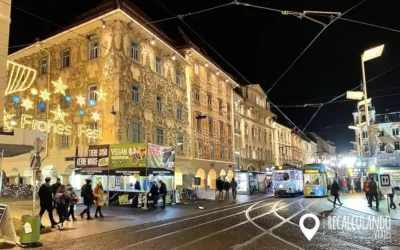
Christmas in Graz 2026: markets, map, dates and things to do in 🇦🇹
Last updated: October 2026 — with the official dates for the 2026 Graz markets now confirmed. Why visit Graz at Christmas From the moment we stepped into Graz at Christmas (Austria 🇦🇹), we felt the city transform. Warm lights, the scent of spices and mulled wine...
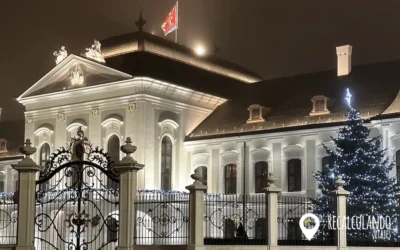
From Vienna to Bratislava: train, boat, bus, or tour
Going from Vienna to Bratislava is one of the easiest getaways in Europe: the two capitals are only 80 km apart and you can travel by train, by boat along the Danube, by bus, by car, or with a guided tour. In this guide, we compare the five options with travel times,...
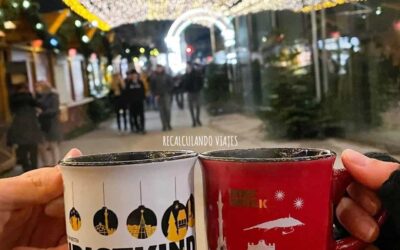
Things to do in Innsbruck at Christmas 2026: Complete Guide + Christmas Markets | Austria 🇦🇹
Last update: July 2026 — with the official 2026/2027 Christmas market dates already confirmed.Innsbruck at Christmas: A Fairytale Alpine City Do you want to discover things to do in Innsbruck at Christmas in an authentic and magical way? At Recalculando Viajes, we...
What to See in Vienna: Imperial Elegance and Art in Every Corner
Vienna, the capital, is a majestic city where every building looks like a work of art. Here you can breathe in classical music, imperial history, and culture at every turn.
Schönbrunn Palace and Its Gardens
The former summer residence of the Habsburgs, it is one of the most impressive palaces in Europe. We recommend going early and touring both the interior and the gardens, which are perfect for a picnic or simply getting lost among sculptures and fountains.
Vienna State Opera and the Ringstrasse
The Ringstrasse, a boulevard that encircles the center, brings together the most iconic buildings. Don’t miss attending a performance at the Vienna State Opera, or at least taking a guided tour: the acoustics and architecture are spectacular.
Viennese Coffee and Local Life
Trying a melange coffee in a classic Viennese café is almost an obligation. Places like Café Central or Café Sacher are institutions where history and flavor mix (don’t miss the famous Sacher torte).
What to See in Salzburg: The City of Mozart and the Alps
Salzburg combines Baroque elegance with the proximity of the mountains. It is the birthplace of Mozart and a destination that charms you with its manageable size and musical atmosphere.
Hohensalzburg Fortress and Old Town
The historic center, a World Heritage site, is dominated by the imposing Hohensalzburg Fortress. Going up to the viewpoint (on foot or by funicular) offers unique views of the Salzach River and the Alps.
Museums, Concerts, and Typical Gastronomy
Classical music concerts abound, and local markets are ideal for trying fresh pretzels, schnitzel, or apfelstrudel.
What to Do in Innsbruck: The Alpine Jewel of the Tyrol
Between mountains and colorful architecture, Innsbruck is perfect for those who love nature without giving up urban comfort.
Golden Roof and Old Town
The Goldenes Dachl is the icon of the city, but getting lost in the medieval little streets is what really makes you fall in love. In winter, the Christmas atmosphere is magical.
Climb to the Nordkette: Postcard Views
From the center, you can take a funicular that leaves you at the top of the Nordkette, with panoramic views of the city and the Alps. Ideal for photography or hiking lovers.
More info: What to see in Innsbruck (Click HERE)
What to Do in Hallstatt: The Most Picturesque Village in Austria
It looks like a postcard, and it is. Hallstatt rises between a crystal-clear lake and green (or snowy, depending on the season) mountains.
Hallstätter See Lake and Skywalk Viewpoint
Walking along the shore of the lake or going up to the Skywalk are unforgettable experiences. If you go early, you can enjoy the village before the tourist groups arrive.
Salt Mine and Historic Tour
The Salzwelten, a salt mine that has been active for over 7,000 years, offers guided tours and slides inside the mountain: a mixture of history and fun.
More info: What to see in Hallstatt (Click HERE)
Other Lesser-Known Austrian Gems
If you like to get off the beaten path, Austria has hidden treasures:
- Graz: a mix of modern and medieval, ideal for foodies.
- Linz: a destination for contemporary art and nightlife.
- Zell am See: turquoise lakes and spectacular alpine trails.
Routes and Road Trips in Austria: Ideas for Exploring the Country
- Classic Route (7 days): Vienna — Salzburg — Hallstatt.
- Alpine Route (10 days): Innsbruck — Zell am See — Graz.
- Cultural Route (15 days): Vienna — Wachau — Linz — Salzburg — Innsbruck.
Austrian Gastronomy: Typical Dishes You Must Try
- Wiener Schnitzel: giant breaded veal cutlet.
- Tafelspitz: boiled beef with vegetables, a Viennese classic.
- Apfelstrudel: apple pastry, ideal with coffee.
- Kaiserschmarrn: shredded pancake of the emperor.
Festivals and Cultural Events in Austria
- New Year’s Concert in Vienna
- Salzburg Festival (July-August)
- Christmas Markets (November-December)
- Snowbombing in Mayrhofen (April)
Practical Tips for Traveling in Austria
-
Currency: Euro (€)
-
Language: German, although English is widely spoken
-
Tipping: between 5% and 10%
-
Safety: one of the safest countries in Europe
-
Internet: good coverage and cheap local SIM cards
Budget and Approximate Costs
Austria is not cheap, but it can be enjoyed without overspending.
-
Accommodation: €40–80 per night
-
Meals: €10–25 per person
-
Transport: €30–50 per day by train
-
Attractions: many museums and parks offer discounts with the Vienna Pass or Salzburg Card
Where to Stay in Austria
-
Vienna: near the center or Naschmarkt.
-
Salzburg: Old Town or Leopoldskron.
-
Innsbruck: Altstadt or the university area.
-
Hallstatt: if there is no availability, look in Obertraun (10 minutes away).
Where to Stay in Austria
-
Vienna: near the center or Naschmarkt.
-
Salzburg: Old Town or Leopoldskron.
-
Innsbruck: Altstadt or the university area.
-
Hallstatt: if there is no availability, look in Obertraun (10 minutes away).
FAQs about What to See in Austria: Travel Guide
What can’t you miss in Austria?
You can’t miss Vienna with its Schönbrunn Palace, Salzburg and its old town, Hallstatt with its fairy-tale lake, and the alpine landscapes of Innsbruck. Each place offers a unique combination of history, art, and nature.
Which is the most beautiful place in Austria?
Hallstatt is often considered the most beautiful place in Austria for its setting between mountains and lake, although the Tyrol valleys and the Salzkammergut lakes are also impressive.
How many days are needed to tour Austria?
At least a week, although 10-15 days is ideal to enjoy it without rushing.
What is the best city to stay in?
Vienna is the most practical, but Salzburg and Hallstatt are more picturesque.
Is it expensive to travel through Austria?
A little more than Spain or Italy, but there are budget options if you plan well.
Can you travel in winter?
Yes, and it is magical: Christmas markets, ski slopes, and snowy landscapes.
Which is the most beautiful village in Austria?
The most beautiful village is Hallstatt, famous for its wooden houses, views of Hallstätter See lake, and fairy-tale atmosphere. It is a World Heritage site and a mandatory stop on any trip through Austria.
Conclusion: Why Austria Made Us Fall in Love and Why You Will Love It
Austria has that perfect mix of culture, nature, and order that makes everything work well. From the Viennese palaces to the alpine villages, every corner invites you to stop and enjoy. For us, it was a destination that exceeded all expectations—and we know it will surprise you too.
🧳 Ready to recalculate towards Austria? Because this country is not just visited… it is lived!
ℹ️ Total Transparency
This article contains affiliate links. If you book through these links, we may receive a small commission at no extra cost to you. We only recommend services we use on our own trips and trust. This helps us keep this blog free and continue creating useful content for you. Thanks for your support!
🔗 Recursos y Links Útiles para tu Viaje a Austria
Do you have any questions or want to add your own recommendations on what to see in Austria?
💬 Leave a comment or write to us, we love reading about other travelers’ experiences.
Thank you so much for being part of this adventure!— Nanu & Facu 🌎 | Recalculando Viajes 💜