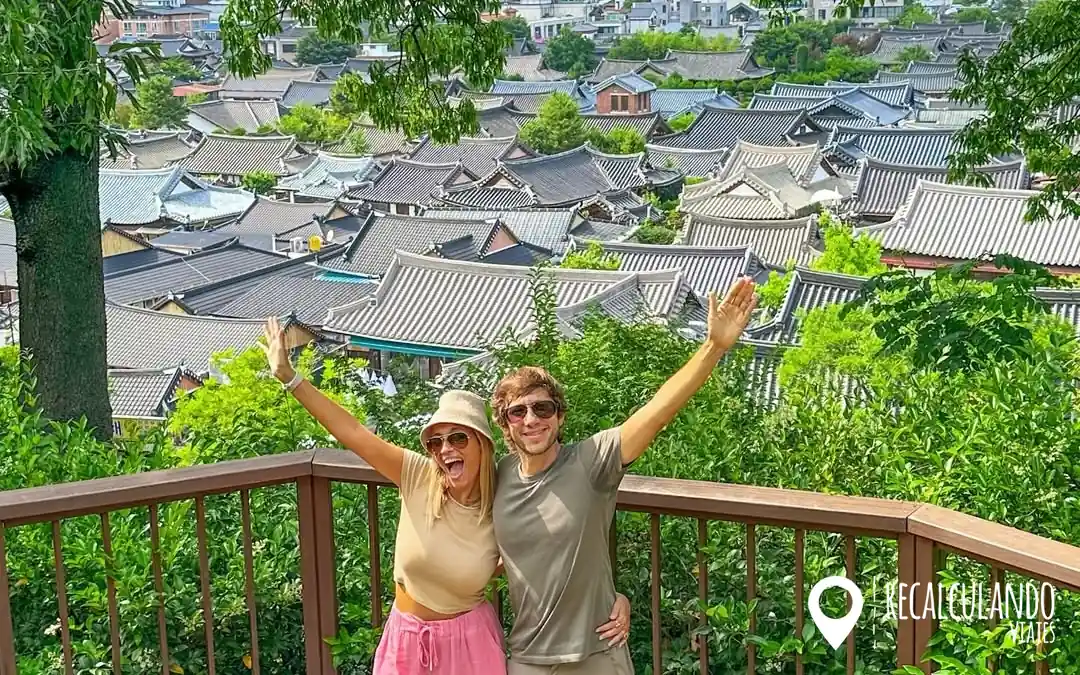
When we started planning our nearly 2-month trip through Jeonju and other cities in South Korea, we didn’t imagine this stop would become one of our favorites. We stayed 5 nights in this historic city and, honestly, it was one of the best decisions of the trip. We’ve been traveling as digital nomads for over 8 years, and few cities left us with that special feeling of tranquility and the desire to stay longer than planned (although it does happen to us often haha). Today we want to tell you everything we discovered during our 5 nights in this unique and unmissable destination in the east-central part of the Korean peninsula.
🌍 Travel Insurance: 5% Off with IATI Seguros! 🌟
Take advantage of this offer and travel safe.
What is Jeonju and why does it deserve a spot on your South Korea itinerary?
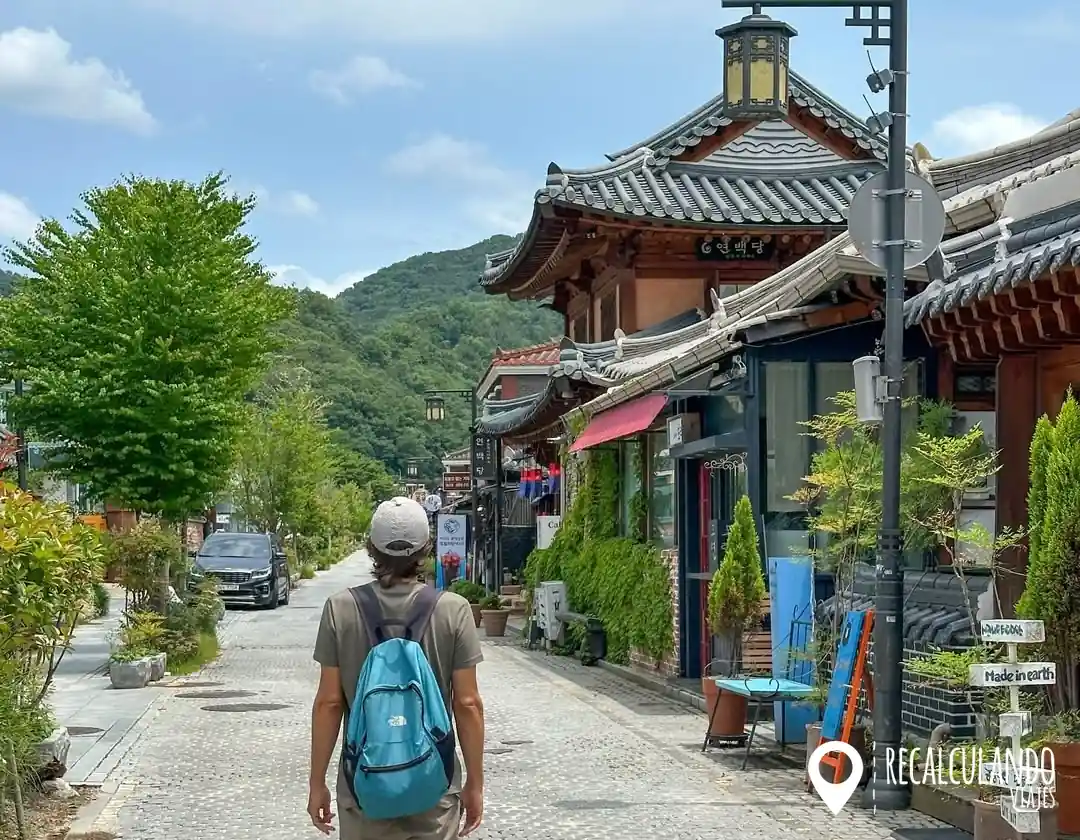
Jeonju is the capital of North Jeolla province, and is known primarily for three things: its impressive hanok village (Jeonju Hanok Village), its gastronomy recognized worldwide, and its cultural richness. Unlike Seoul, which is modern and fast-paced, Jeonju invites you to slow down. Here, the streets are explored on foot, cafes have views of traditional rooftops/houses, and the food is, without exaggeration, very delicious.
The city has a population of around 650,000, but its soul has the warmth of a small town. It is a very popular destination among Koreans, especially on weekends and holidays, when the Hanok Village fills up with domestic tourists looking for that connection to the country’s cultural roots. For foreign travelers, it is still a city relatively less crowded than Seoul or Busan, which makes it a more authentic experience.
Jeonju-si means “Jeonju City,” since “si” means city in Korean. Both names refer to the same place, though official signs and formal documents usually use Jeonju-si.
Jeonju in the context of South Korea
Historically, Jeonju was the capital of the ancient Jeolla province and has a central role in the history of the Joseon Dynasty, which ruled Korea for over 500 years. The Old Jeondong Cathedral (called the Church of the Sacred Heart of Jesus or Jeondong Catholic Church), built in 1914, and the Gyeonggijeon Shrine, which houses the portrait of King Taejo, founder of the Joseon Dynasty, are living testimonies to that history. This historical weight gives Jeonju a depth you won’t find in newer or more touristy cities.
Jeonju – Summary: What You Need to Know Before You Go
| Category | Key Information |
|---|---|
| 📍 Location | Capital of North Jeolla Province, South Korea. Also known as Jeonju-si (전주시). |
| 🏡 Main attraction | Jeonju Hanok Village: a historic neighborhood with over 700 traditional Korean houses. A must-see destination in Korea (KTO, 2025–2026). |
| 🍚 Food | Birthplace of bibimbap and a UNESCO City of Gastronomy. Don't miss: kongnamul gukbap, local makgeolli and street food. |
| 🎎 Unique experiences | Rent a hanbok (€6–€15), enjoy a tea ceremony in a hanok and visit Nambu Market (Night Market). |
| 🏨 Accommodation | In Jeonju Hanok Village: from €30/night up to €105+. We paid around €65 for a minimalist hanok with a private bathroom. |
| 🚌 Getting there | From Seoul: express bus (~2h 15min, 10,000–15,000 won). From Gyeongju: intercity bus ~3h 30min. |
| 🚕 Getting around | The Hanok Village is best explored on foot. For longer distances: cheap taxis or the Kakao T app. |
| 📅 Best time to visit | Spring (March–May) and autumn (September–November). Avoid Korean public holidays due to overcrowding. |
| 💰 Estimated budget | €35–€50 per person/day (60,000–80,000 won). Notably cheaper than Seoul and Busan. |
| 🗓️ Recommended days | At least 2 nights for the essentials. Ideally 3–5 nights to soak up the local pace without rushing. |
| 📱 Essential apps | Naver Maps (navigation), Kakao T (transport) and Google Translate with camera mode. |
| ✅ Is it worth it? | Yes. It's the third most visited city in Korea. It rounds out any trip with a one-of-a-kind cultural identity. |
Jeonju Hanok Village: the heart of the city
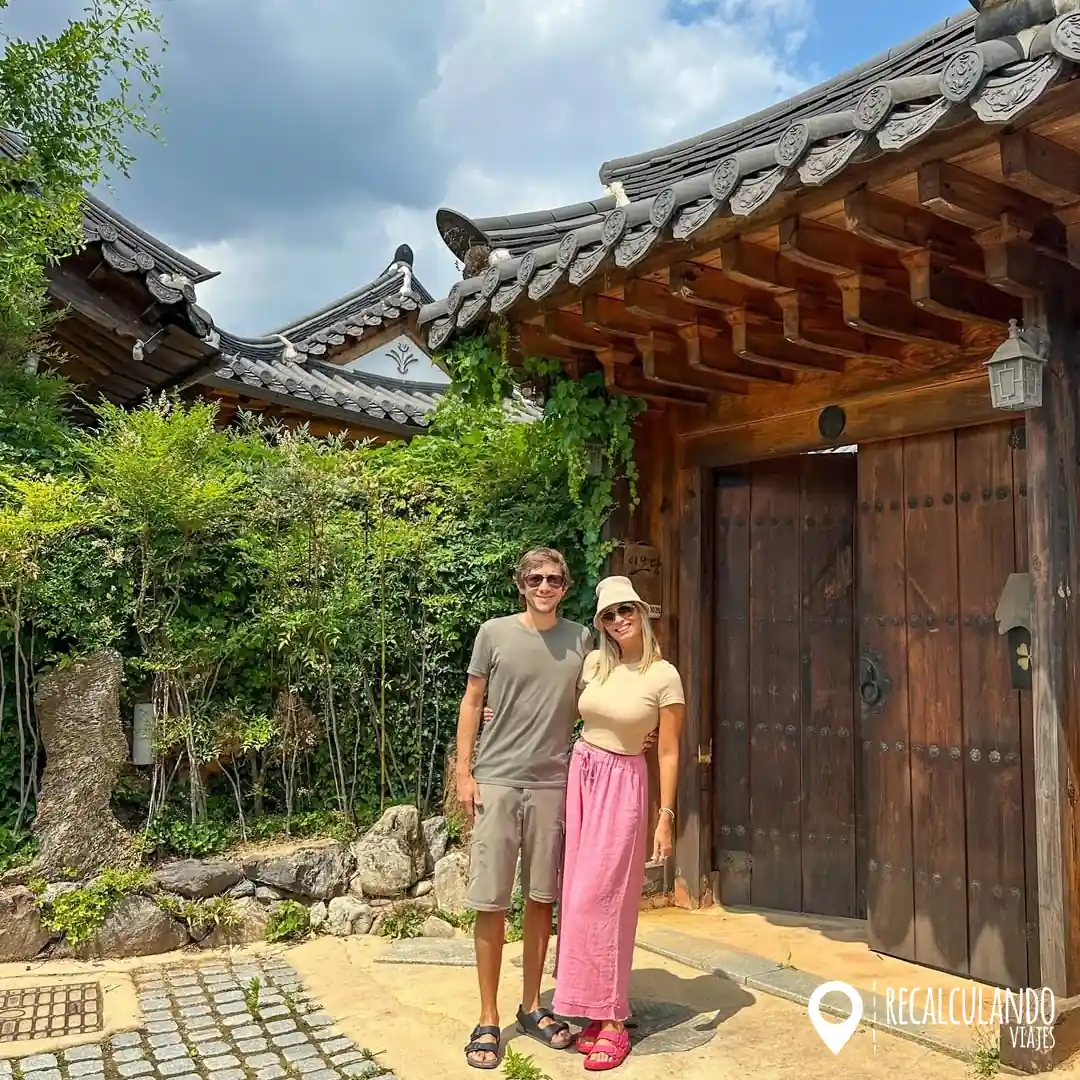
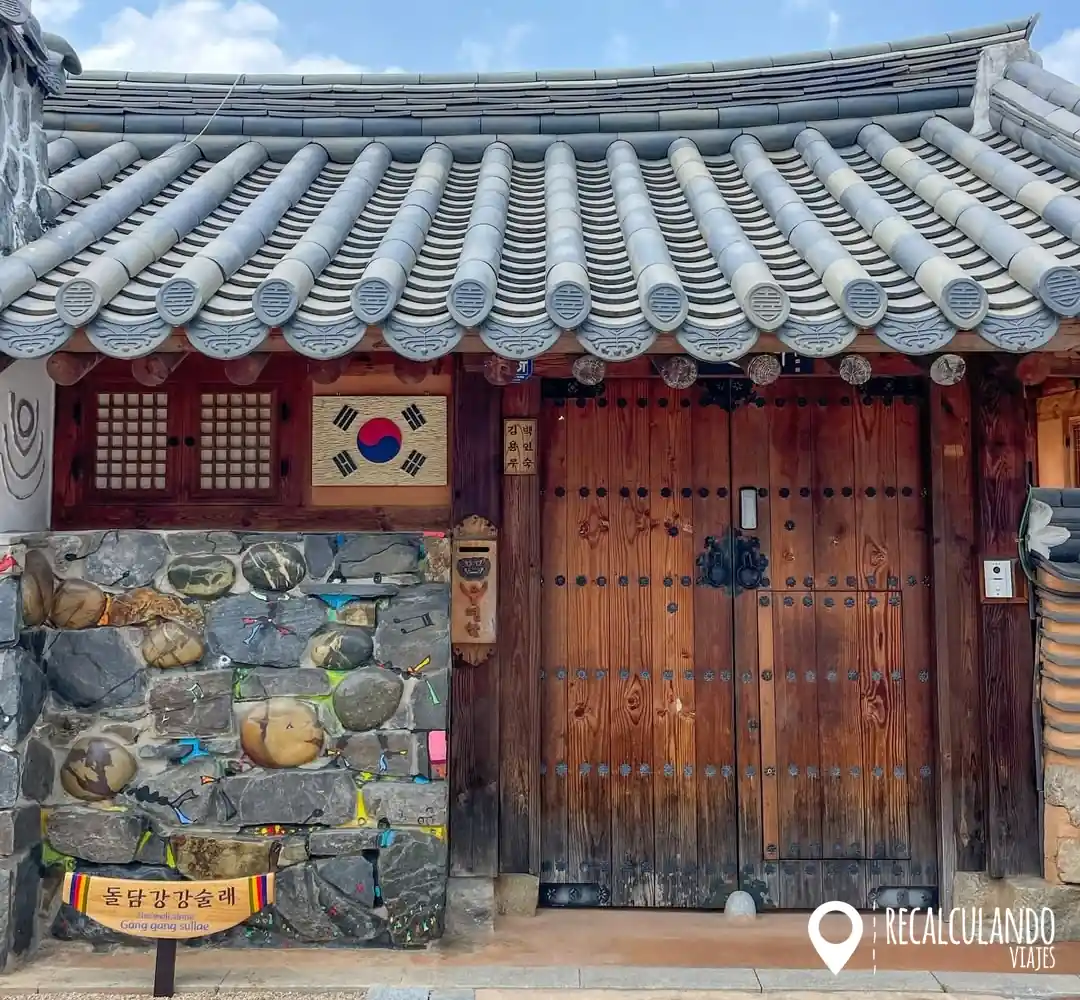
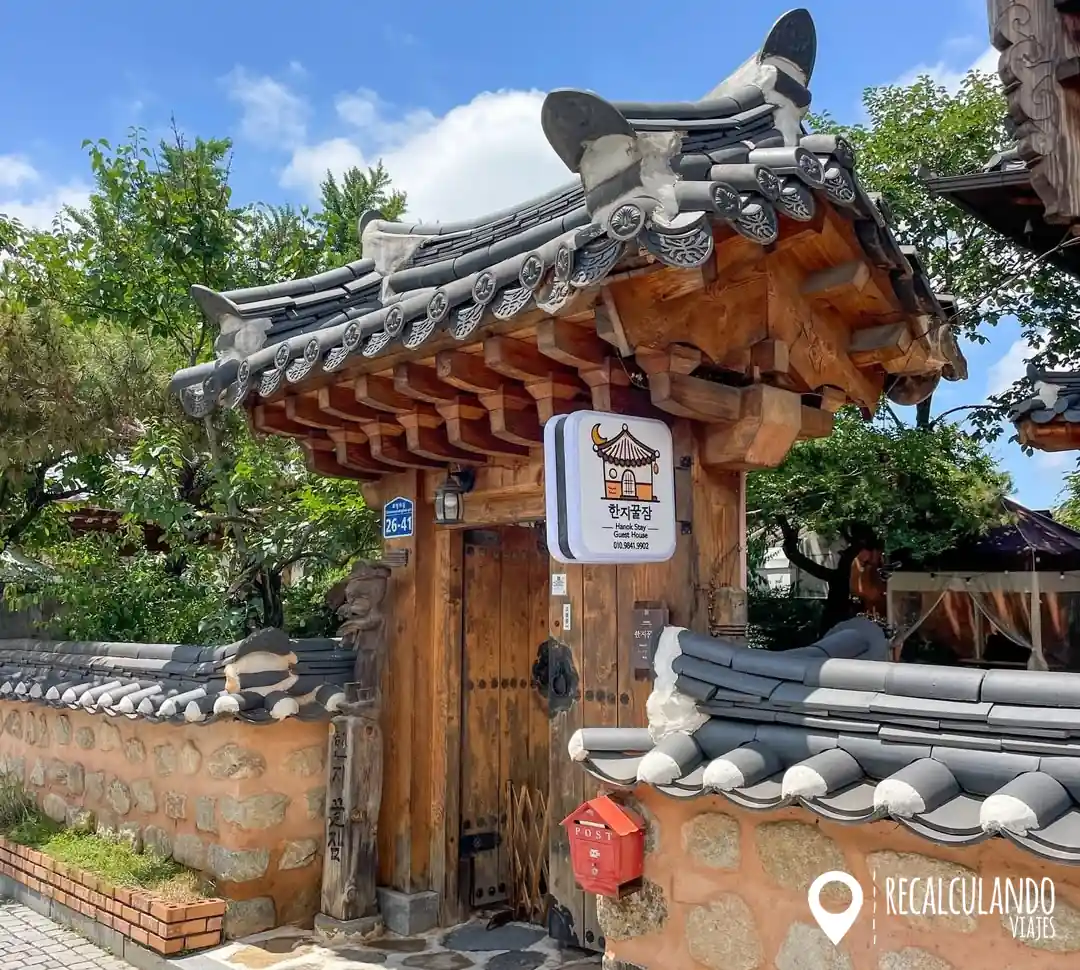
The Jeonju Hanok Village (전주 한옥마을) is, without a doubt, the city’s main attraction. It is a historic district that preserves over 700 traditional Korean houses, called hanoks, with their characteristic curved black tile roofs.
Walking through its streets is like entering another dimension in time: suddenly, the noise of cars disappears and you only hear the wind and your own footsteps.
What surprised us most was that the neighborhood is not a museum: people live there (please respect the area). There are families who inhabit those houses, local businesses, craft workshops, cafes, restaurants, and guesthouses that operate inside authentic or restored hanok buildings. It is a living place, not just a postcard.
Things to do in Jeonju inside the Hanok Village
Within the neighborhood, there are several activities and sites you shouldn’t miss.
Gyeonggijeon Shrine
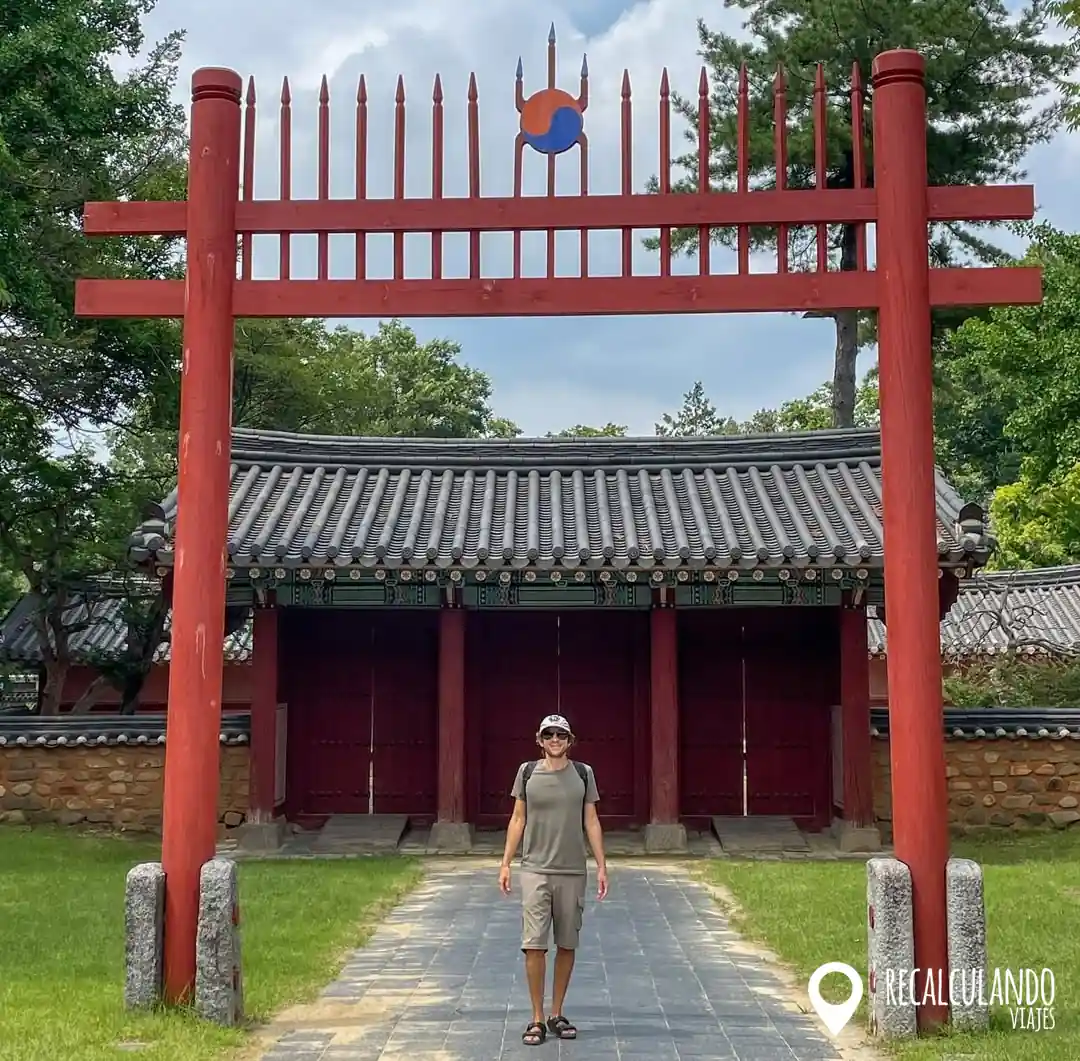
The Gyeonggijeon Shrine is a must-visit: it is a shrine built in 1410 to house the portrait of King Taejo. Entry costs about 3,000 won (1.75 EUR approx) and the grounds are quiet, wooded, and very photogenic. We were told there are certain free guided tours (we didn’t get to do one, we visited on our own).
TIP: If you rent a Hanbok (traditional Korean clothing), you can enter for free.
Jeondong Catholic Church
Another unmissable spot is the old Jeondong Catholic Church, a beautiful Gothic-style church built with red bricks that contrasts strikingly with the traditional rooftops surrounding it.
Walk through Taejo-Ro and Surroundings
Walk along the main street, Taejo-Ro, and get lost in the surrounding areas. Also, if you like crafts, look for the hanji workshops, the traditional Korean paper made by hand from mulberry bark. There are workshops where you can see the process and even make your own paper.
You will also find pottery shops, hanbok clothing (the traditional Korean costume), and souvenirs much more interesting than the typical Seoul magnets.
Renting a hanbok: a whole experience
If you want to have some fun, you can rent a hanbok (Traditional Korean clothing) for a few hours. In the Hanok Village, there are many shops that rent them for prices around 10,000-20,000 won (between €6 and €15 euros approx), depending on quality and time. With a hanbok on, entry to Gyeonggijeon and several other sites in the neighborhood is free. Plus, the photos look amazing. Don’t deprive yourself of doing this, even if you feel a bit silly at first.
The gastronomy of Jeonju: why this city is the culinary capital of Korea
If there is one thing Jeonju has in abundance, it’s food. The city is famous throughout the country for being the birthplace of bibimbap, one of the most iconic dishes in Korean cuisine. But the culinary scene goes far beyond that dish. In Jeonju, Korea, eating well is almost inevitable.
Culturally, the cuisine of the Jeolla region is known for being the most elaborate and tasty in the entire country. This has historical roots: the region was the breadbasket of Korea, with exceptional agricultural production that translated into a rich and varied cuisine. Even Koreans from other cities travel specifically to Jeonju to eat.
Jeonju bibimbap: an unmissable gastronomic experience
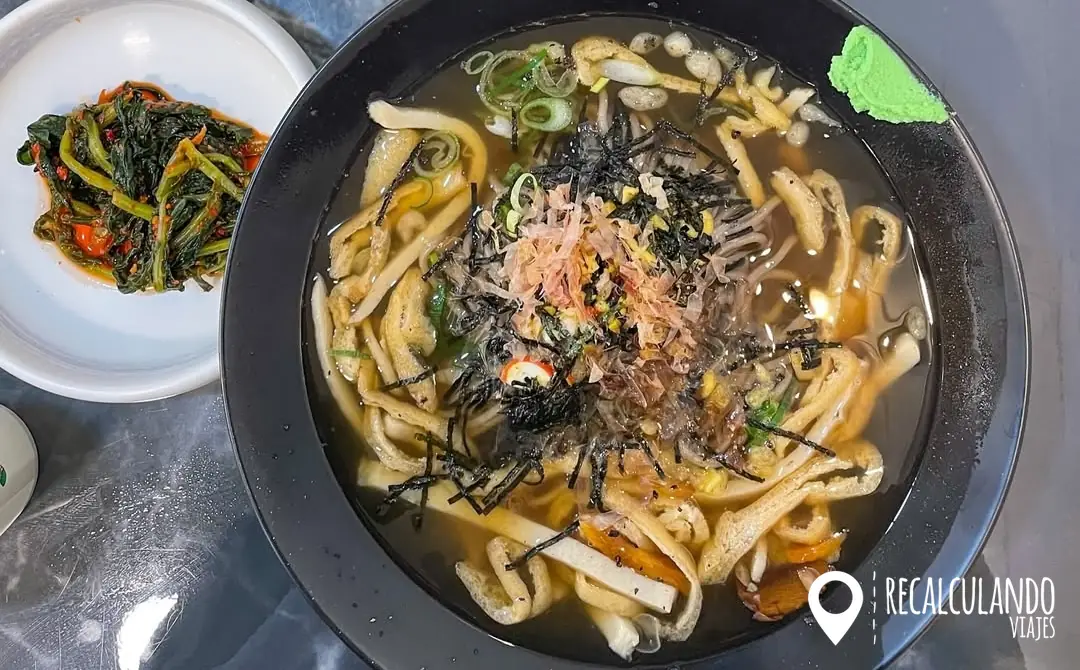
Jeonju’s bibimbap is not the same as what you might find in any restaurant in Seoul. Here, it is served in a hot stone bowl (dolsot), with fresh ingredients, it usually has bulgogi meat (there are vegetarian options in several places), egg, and gochujang chili paste. Everything is mixed with wooden paddles right before eating it. The texture, heat, and flavors are incomparable.
One of the most iconic restaurants to try this dish is Hankook-jip, located in the Hanok Village itself, although the line can be long on weekends. It is a place with a lot of history, but some say there are better places to eat bibimbap (you’ll have to try it yourself in different places to see which one you like best).
We also recommend looking for smaller local restaurants, where prices are more accessible and the experience is more intimate.
Other dishes you must try in Jeonju
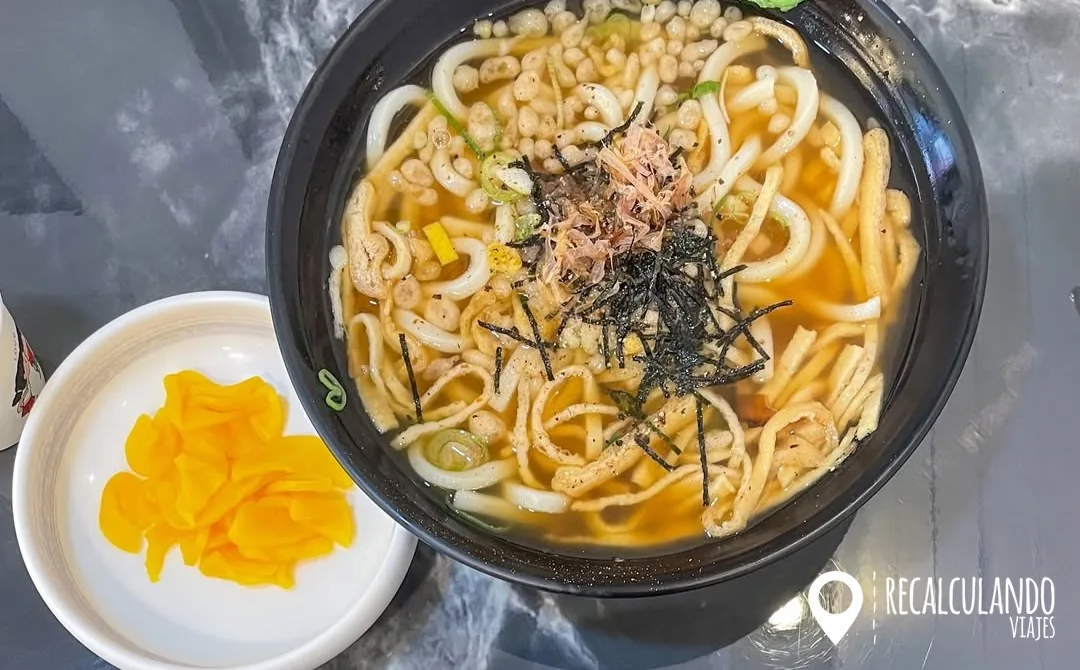
Beyond bibimbap, Jeonju-si has a lot to offer in terms of gastronomy. Some dishes and experiences you can’t skip:
- Kongnamul gukbap: a rice soup with bean sprouts, perfect for breakfast or to recover from a long walk.
- Jeonju makgeolli: the local rice wine, thicker and sweeter than what you find in other cities. It is usually served with small free dishes that keep arriving as you order more.
- Choco pie street: a street full of vendors selling artisanal choco pies, those cookies with marshmallow covered in chocolate. They are a Korean classic with a local twist.
- Street food at the entrance of the Hanok Village: rice empanadas, green onion pancakes (pajeon), french fries with cheese… the menu is endless and very affordable.
Traditional Korean tea ceremony in a hanok in Jeonju
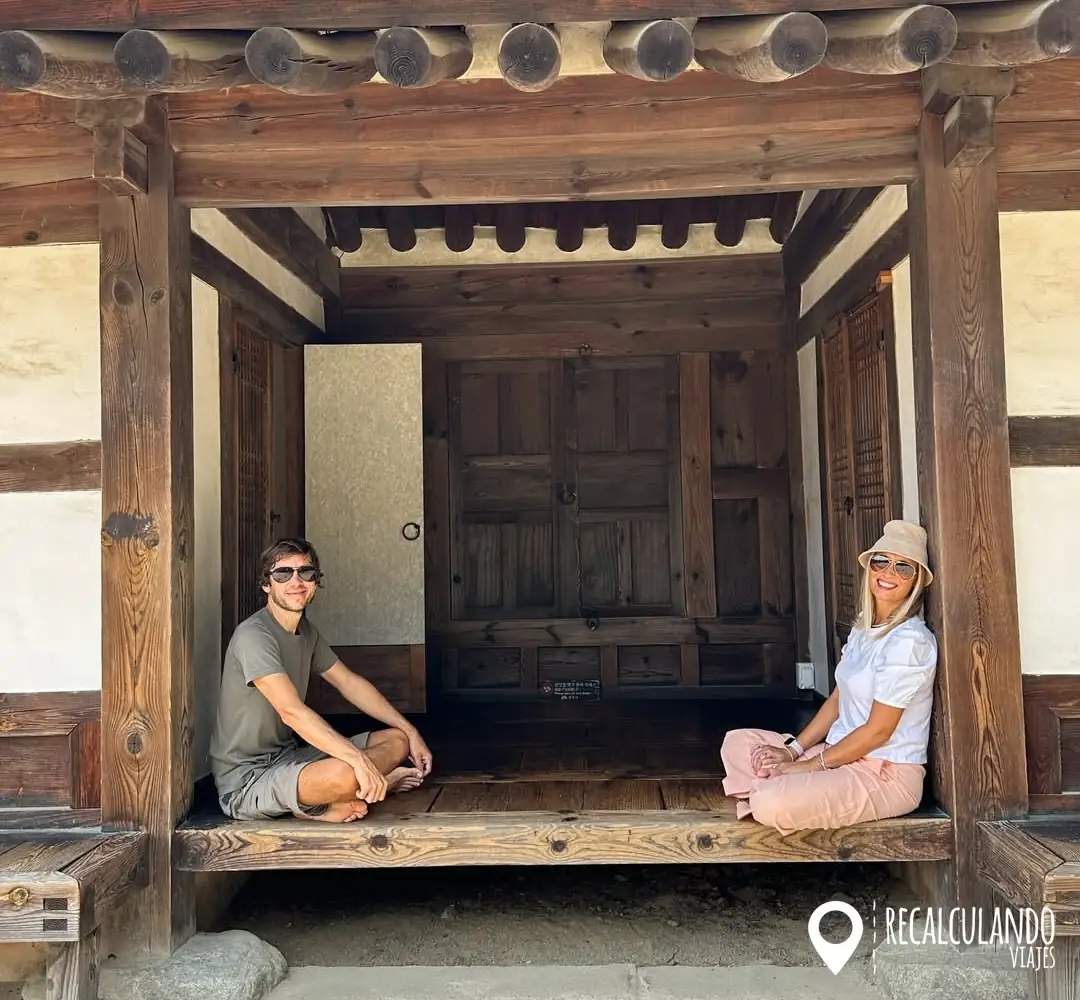
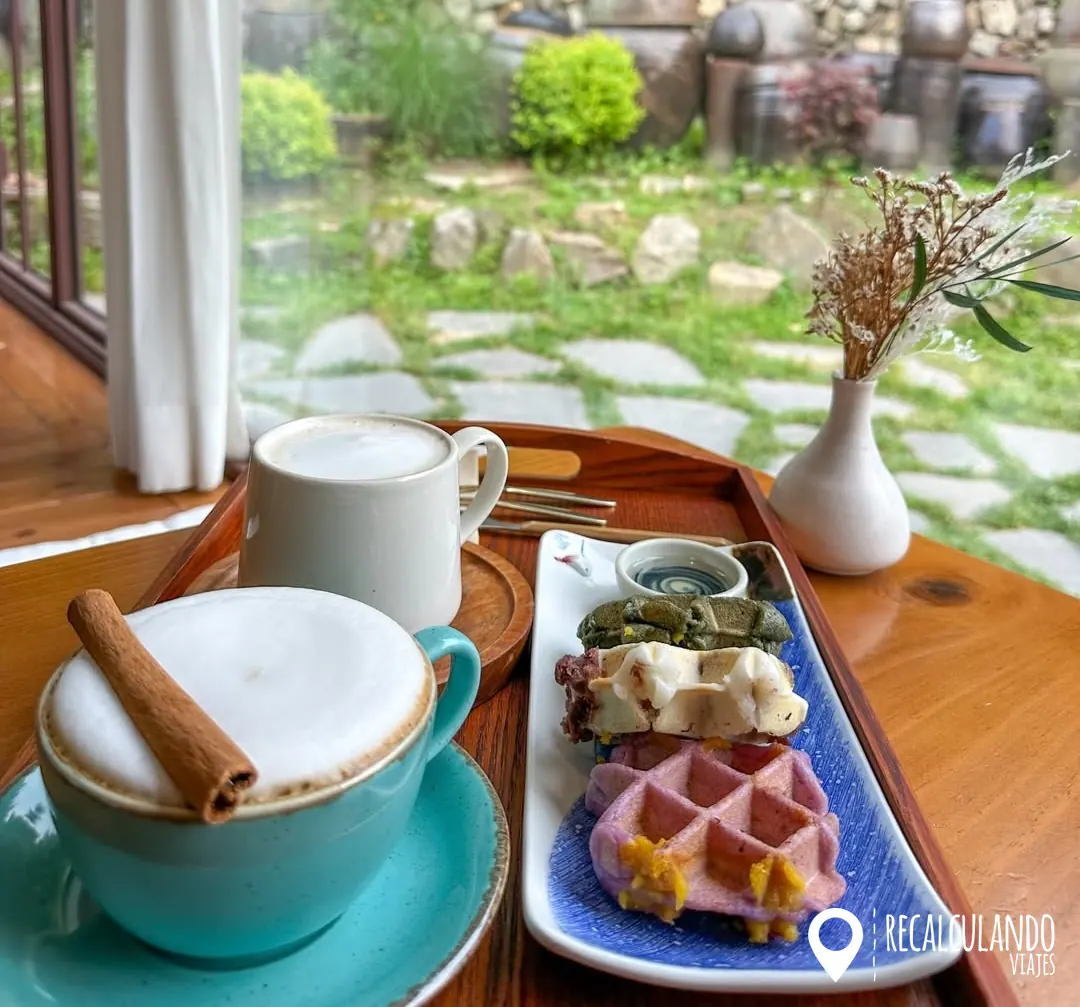
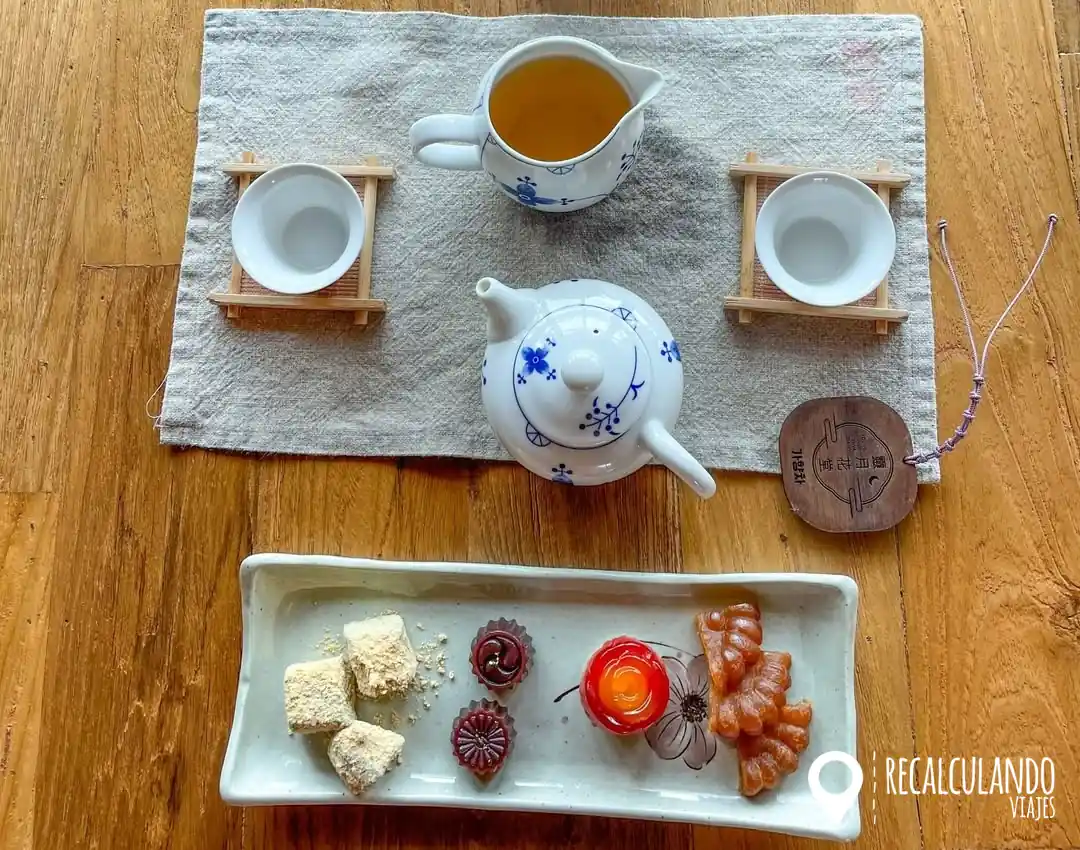
The traditional Korean tea ceremony in a hanok in Jeonju is a unique cultural experience to connect with Korea’s roots. In a traditional hanok house, you can participate in the tea ritual guided by a local host, learning about the preparation, timing, and spiritual meaning of this ancient practice. It is an ideal activity for those looking for things to do in Jeonju beyond the classic tours and who want to experience an authentic and relaxed moment.
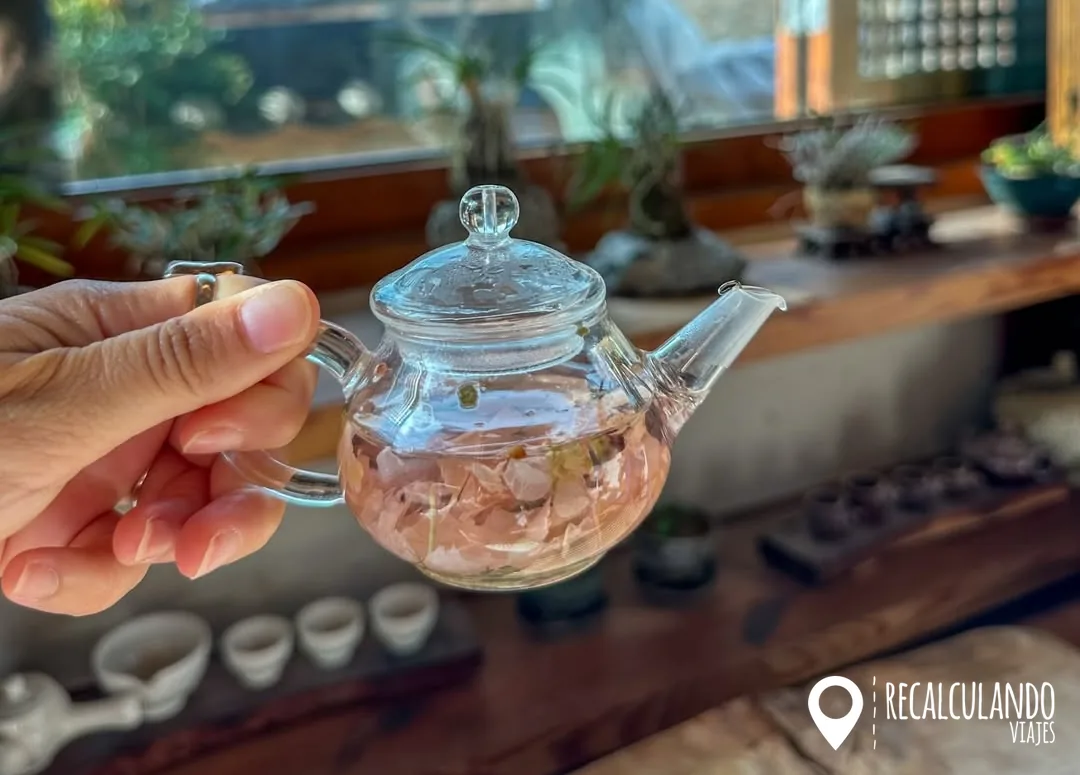
The tea moment became one of the most anticipated parts of our afternoons in Jeonju. It was a sacred pause after walking all day, a space of total calm in unique environments, surrounded by wood, silence, and tradition. A deeply relaxing experience that we enjoyed very much.
Where to stay in Jeonju: options for all budgets
In Jeonju, you have two distinct options: staying inside the Hanok Village or staying in the more modern part of the city. Each has its pros and cons, and we tried both perspectives through chats with other travelers we met during our 5 nights.
Staying in a hanok: the most authentic experience
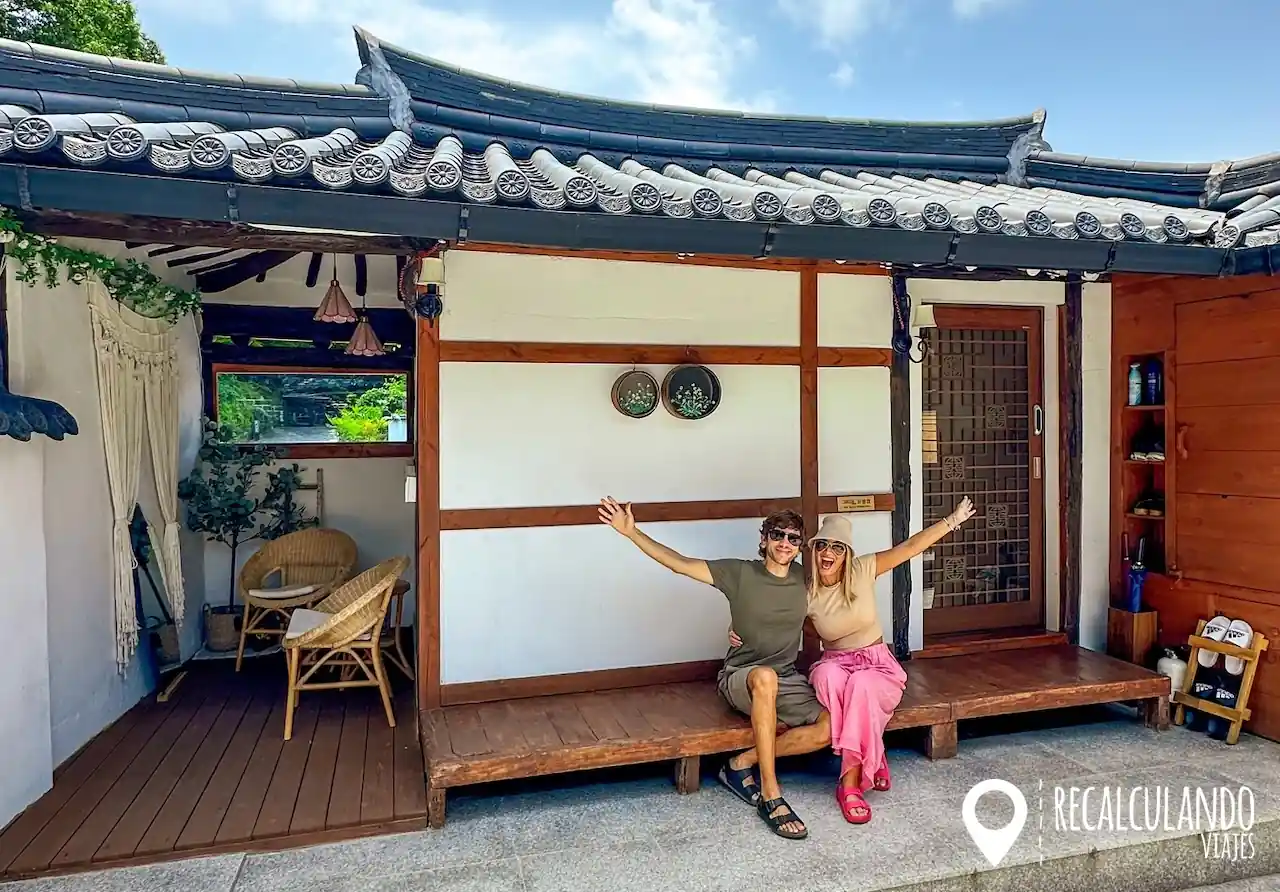
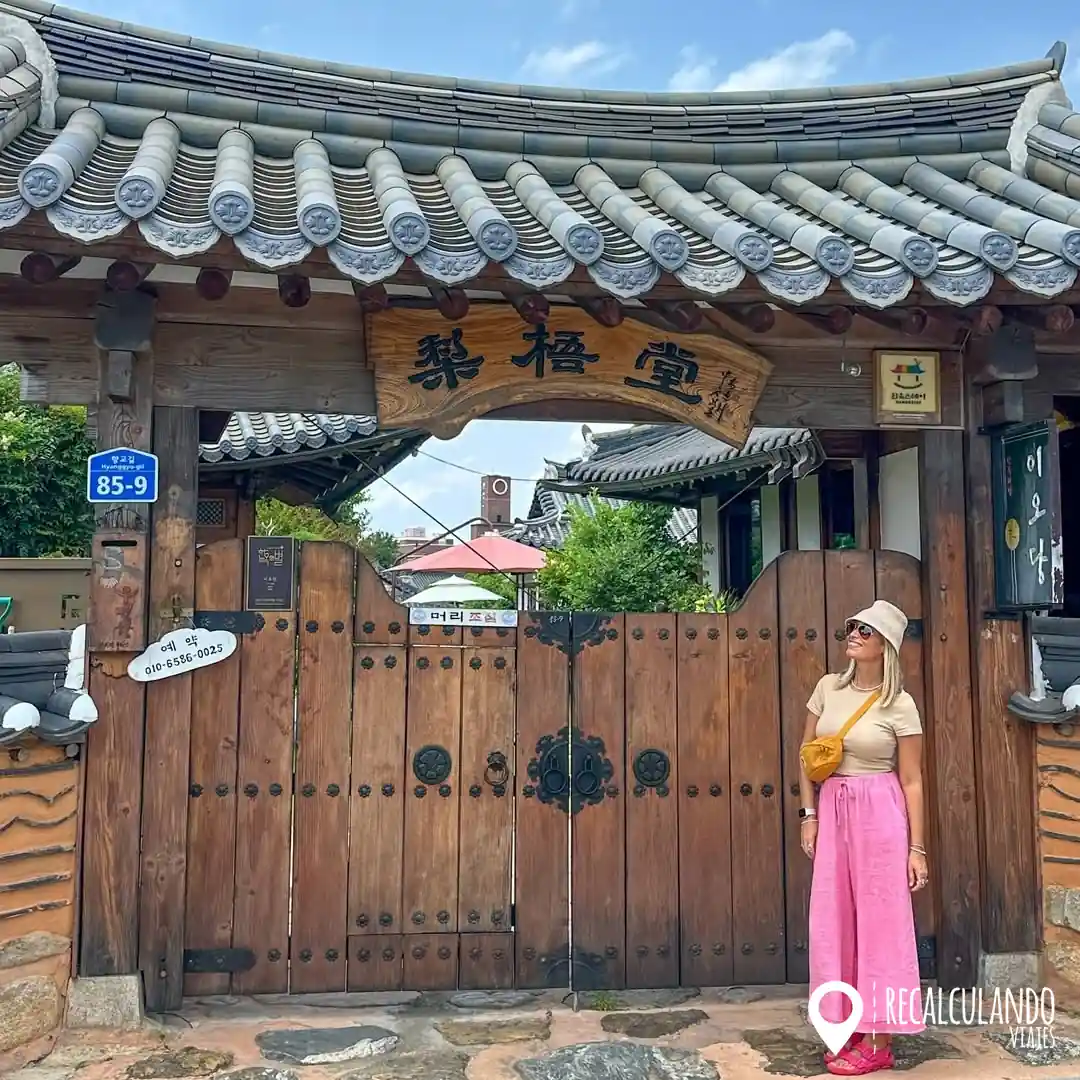
It was our first time and sleeping in a traditional hanok is a unique experience. 100% recommended. The room is usually minimalist: wooden or tatami floor, mattress on the floor (yo-mattress), simple wooden furniture. The bathroom may be shared in more budget-friendly options. Prices range from 50,000 (€30 EUR approx) to over 180,000 (€105 EUR approx) won per night, depending on the category. There are also larger rooms depending on the budget.
Things to do in Jeonju – Living in a Hanok (Video)
We paid about €65 EUR per night with a private bathroom.
Hanok Accommodation: (➜ Link Here)
👩⚕️👨⚕️ A must-have for stress-free travel! 🌎✈️ ➜ Get a Quote, Compare & Buy
The biggest advantage is the total immersion in the historic district: you wake up with the tranquility of the Hanok village and can go for a walk through the streets of the Hanok Village before the daily tourists arrive. Then at night, with the lights and calm of the town, it is very special and nightly strolls are highly recommended. Living in a Hanok is one of the most beautiful experiences of the entire trip through Korea.
TIP: If you plan ahead, weekdays are generally quite a bit cheaper than weekends (it can cost you almost half the price compared to the weekend).
Hotels and guesthouses in the modern area
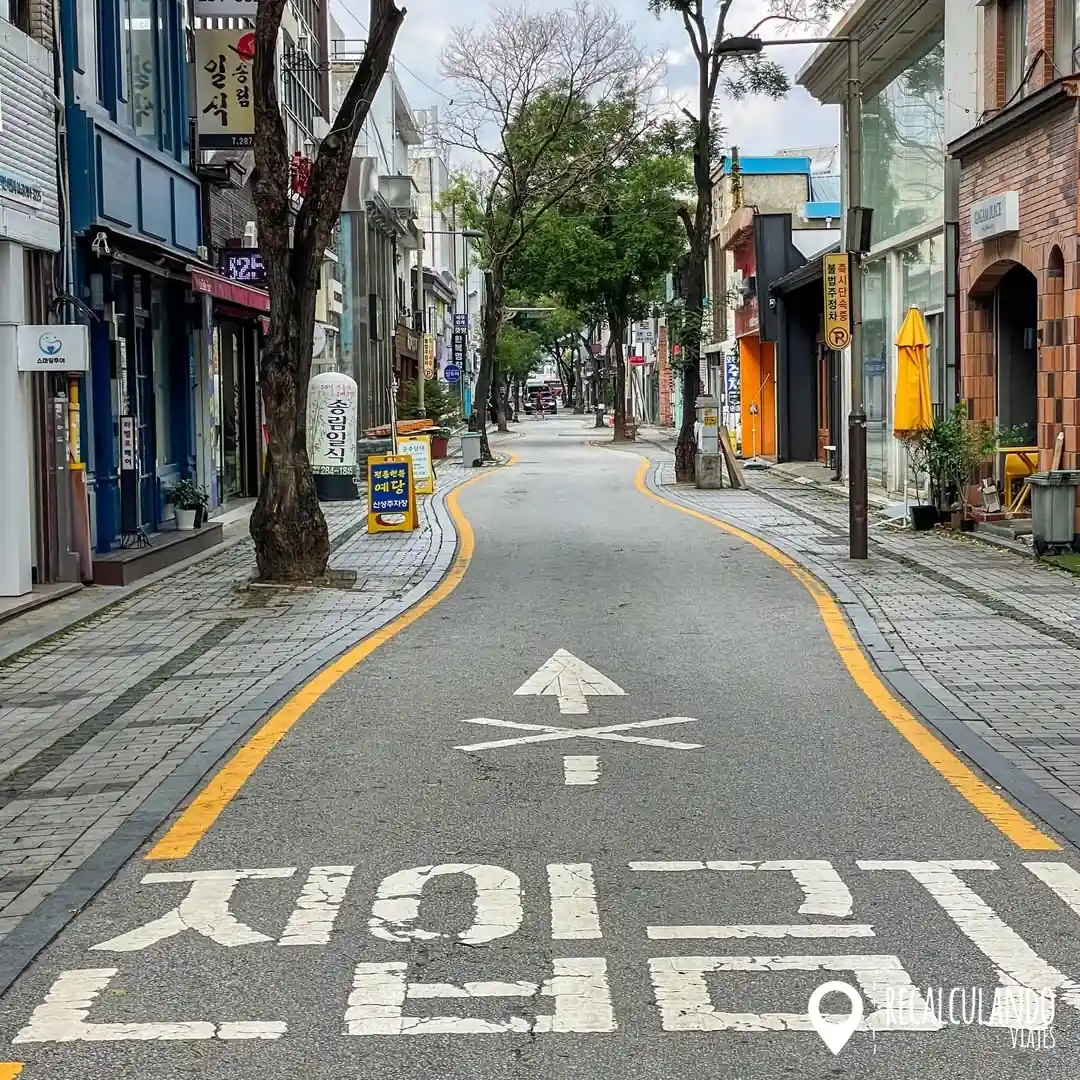
If you prefer more amenities, the modern area of Jeonju has standard hotels with all the facilities. They are about a 10-20 minute walk from the Hanok Village and prices are usually more affordable. Chains like Lotte City Hotel or various well-located guesthouses are good options for those who prioritize comfort.
Where to Stay in Jeonju: Map & Prices
On the map below, you can zoom in, move around, and filter by your travel dates to see real-time accommodation prices in Jeonju.
How to get to Jeonju-si from Korea’s main cities
How to go from Seoul to Jeonju?
Jeonju is very well connected to the rest of the country. From Seoul, the most comfortable and fastest way is the express bus (고속버스) from the Gangnam (Express Bus Terminal), with a duration of approximately 2 hours and 15 minutes. The price is around 10,000-15,000 won depending on the seat category.
There are also KTX trains from Seoul, although they require a transfer in Iksan. For those coming from Busan or Gwangju, there are also frequent bus or train connections.
We traveled from Jeonju to Seoul (Yongsan) by direct fast train. We booked online with Korail (€30 EUR approx each)
The most practical thing is to use the Naver Maps app or the Korail site to plan your transfers in advance.
How to go from Gyeongju to Jeonju by bus? / How to go from Jeonju to Gyeongju?
We took an intercity bus from Gyeongju to Jeonju, it is approximately 261 km and takes about 3:30 hours, a super comfortable and practical journey if you are traveling through the south of the country. There were 2 companies and, depending on the schedule, we chose Cheonma Express Inc., it cost us €32 EUR approx for 2 people.
We booked the tickets online through Bustago, an official, very easy-to-use platform. We chose the Premium Intercity Bus service. The seats were spacious, reclining, and with plenty of legroom, so the trip was relaxed and on time. Without a doubt, an excellent alternative for moving between cities in South Korea.
How to get around Jeonju
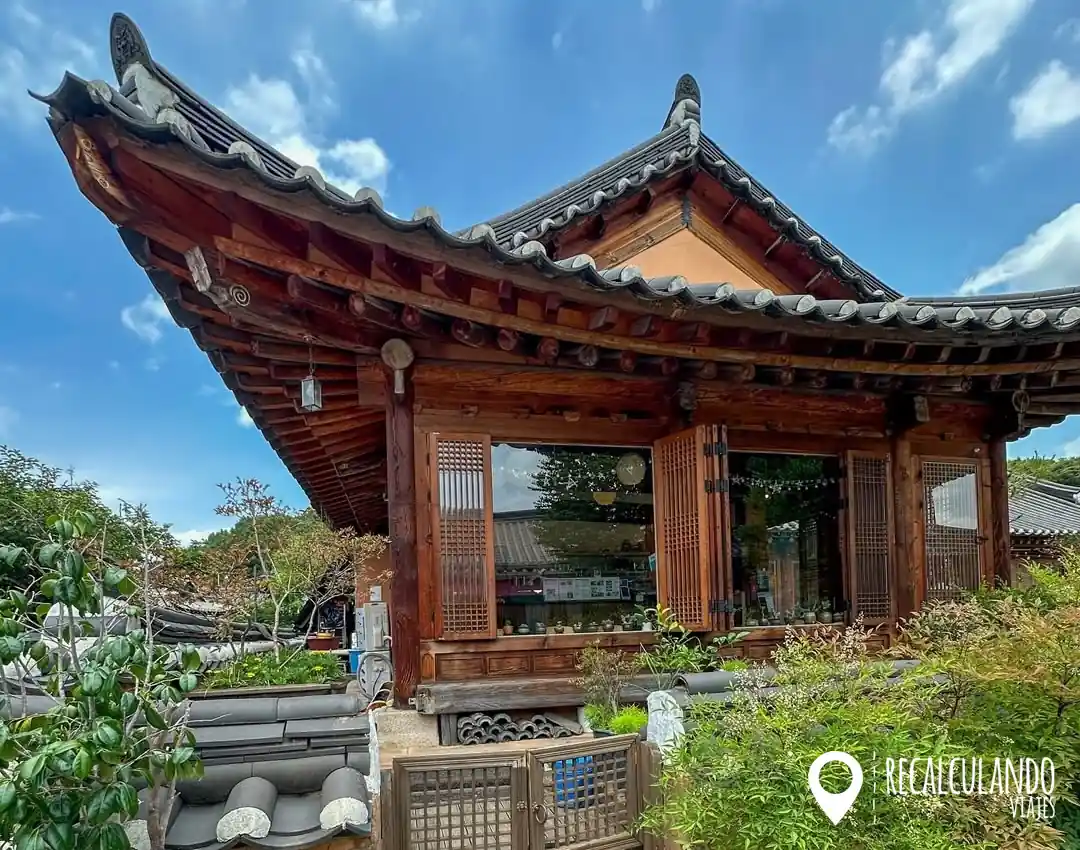
Once in the city, the Hanok Village is completely walkable. For other points of interest further away, taxis are cheap and the drivers, although they may not speak English, are usually friendly.
We took a taxi to arrive and to leave from the bus station to our accommodation in the Hanok Village.
There are also well-organized city buses, but for those who are not very fluent in Korean, taxis are the simplest option. Transport apps like Kakao T (the Korean Uber) work very well and allow payment by card.
Beyond the Hanok Village: other Jeonju attractions
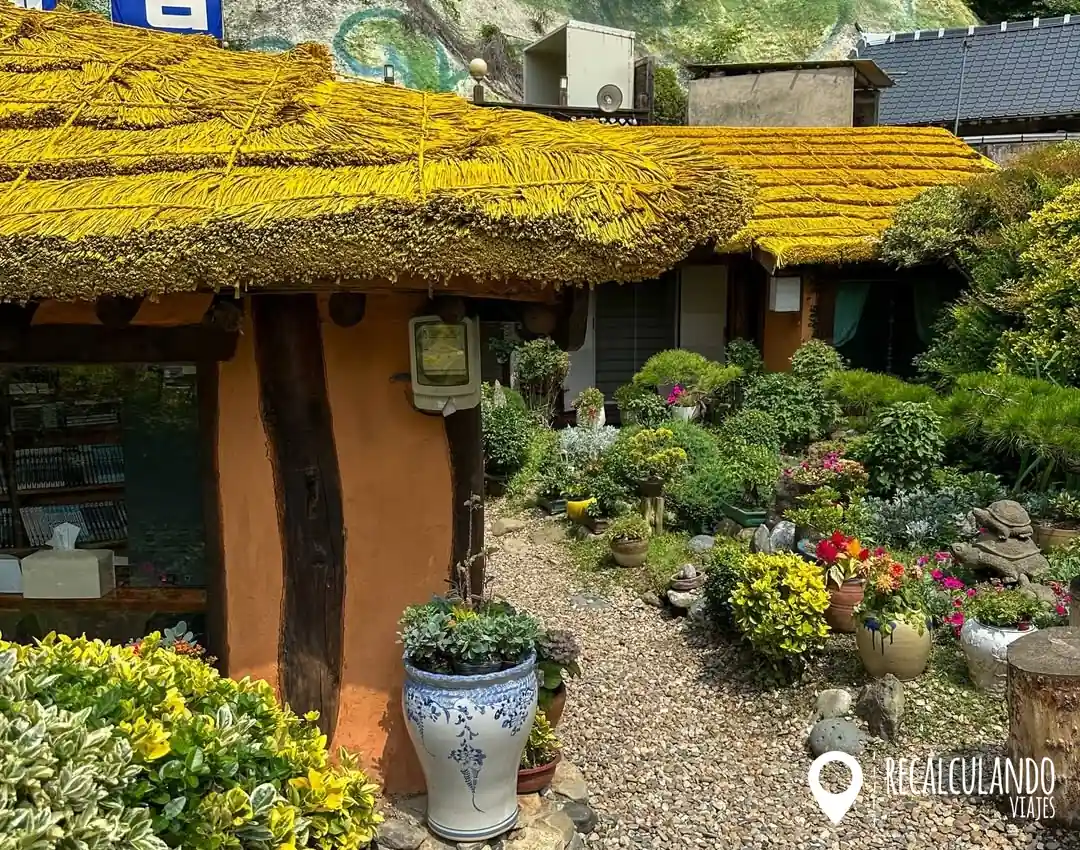
Although the Hanok Village is the big star, Jeonju has more things to offer for those who stay more than a couple of days. We, with 5 nights, were able to explore a bit more and found places that don’t appear as much in conventional guidebooks.
Nambu Market: where the real city lives
The Nambu Market (남부시장) is one of the largest traditional markets in the region (it preserves the essence of ancient Korea).
By day, it has the typical atmosphere of a Korean market: stalls with vegetables, meats, fish, spices, and all kinds of local products. But the most special thing is the Friday night, when the market transforms into a nocturnal gastronomic festival called Night Market Friday. Street food stalls, crafts, live music, and a very festive atmosphere that is worth experiencing.

Jeonju Hyanggyo: ancient traditional Confucian school of the Joseon Dynasty
The Jeonju Hyanggyo is an ancient Confucian academy located in the heart of historic Jeonju. Built during the Joseon Dynasty, this traditional educational complex offers a quiet environment surrounded by centuries-old trees and classic Korean architecture. Visiting the Jeonju Hyanggyo allows you to learn closely about the influence of Confucianism on the country’s education and culture, as well as enjoy one of the most serene and least crowded corners of the city.
Admission is Free
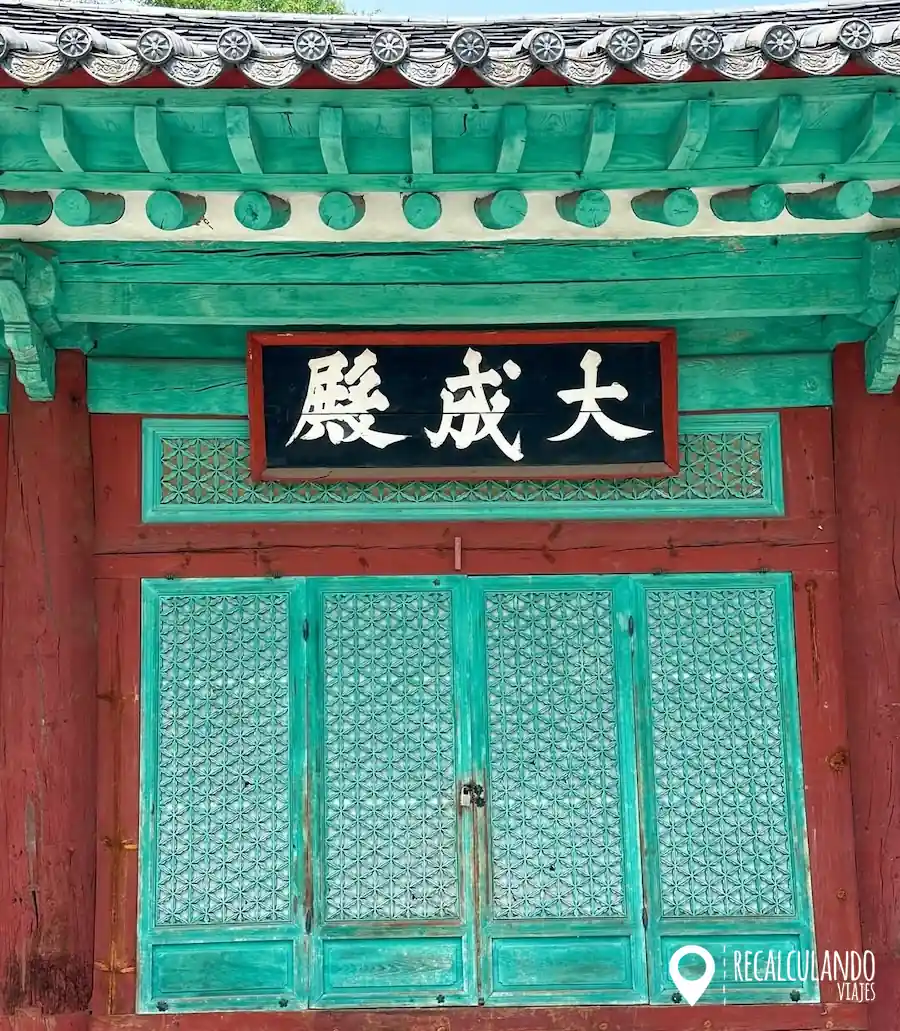
Deokjin Park: a green breathing space
For those who need a moment of nature, Deokjin Park is the green lung of Jeonju. The artificial lake surrounded by lotus flowers is especially beautiful in summer, but in any season it is a quiet place to walk, sit, and rest from the tourist rhythm. There is also a small zoo and picnic areas that locals use a lot. Mind you, it is quite a bit further from the Hanok Village (past the bus terminal).
Omokdae and Imakdae: panoramic views of the city
Omokdae is up on a small mountain that is easily reached by walking. These two observation platforms are located on a small hill above the Hanok Village and offer spectacular panoramic views of the black-roofed neighborhood with the rest of the city in the background. The climb is not very demanding and the landscape from above is worth every step. It is especially recommended at sunset.
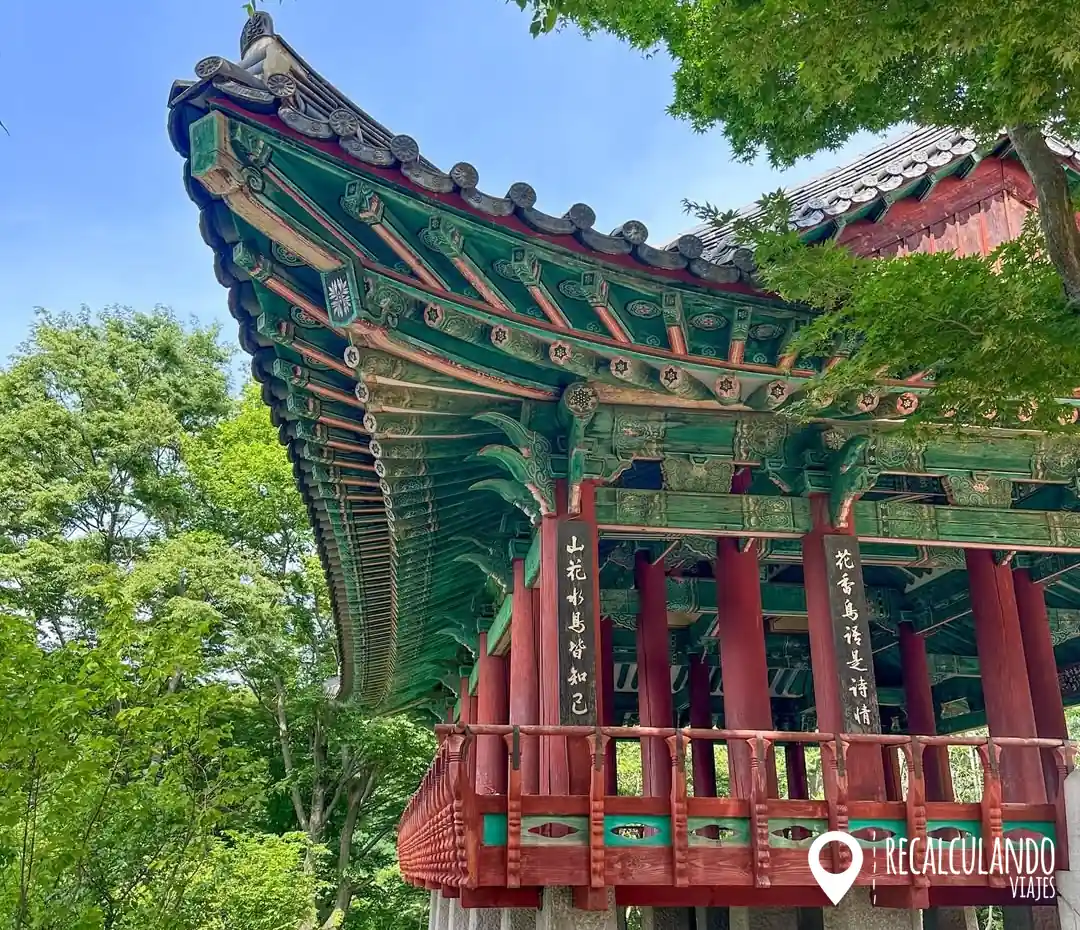
The other hill, Imokdae, is right in front. From the top of Omokdae, you can cross by a bridge that passes over the avenue and continue walking uphill to the Jaman Mural Village. Keep in mind that it has a fairly steep incline; it is located at the foot of Seungamsan mountain. There are small alleys with colorful murals on the walls and facades, each with its own style, some street art, and nice views of the city and the Jeonju Hanok Village (in the distance). Even so, if we have to choose one, we liked the other view from Omokdae more.
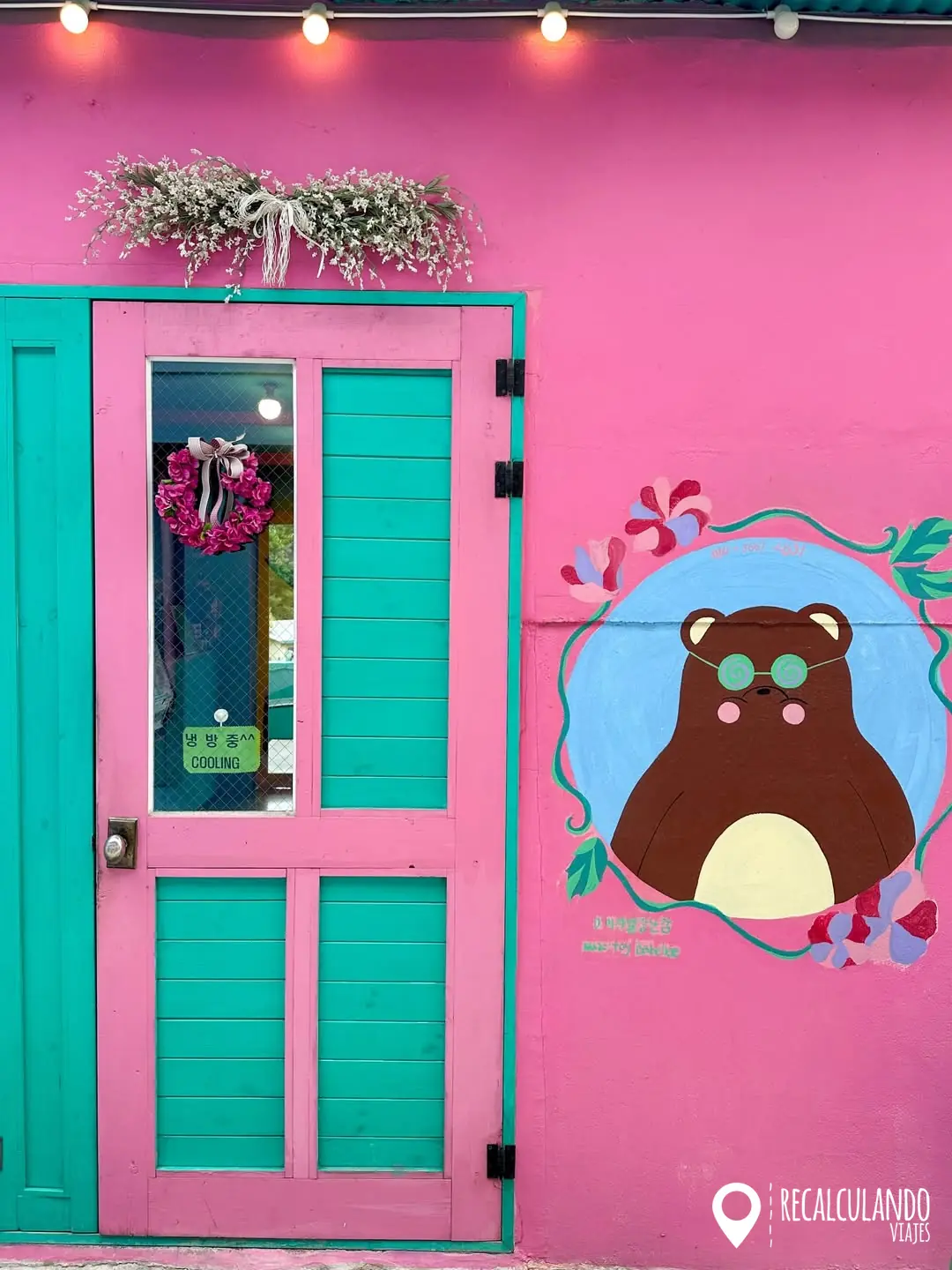



Nightlife and culture in Jeonju
Jeonju is not Seoul in terms of nightlife, but it has its own cultural and entertainment scene that is pleasantly surprising. The Taejo-ro Street area and the surroundings of the Hanok Village are filled with bars and themed cafes, many installed in historic buildings. Korean craft beer has gained a lot of ground in recent years and in Jeonju there are several bars where you can try local styles with a very good price-quality ratio.
For culture lovers, the Jeonju Daesaseupcheong (전주대사습청) cultural center is a space dedicated to preserving and disseminating local artistic traditions. There, you can experience the Jeonju Daesaseup Nori up close, a set of traditional Korean shows that combine different cultural expressions. Among them, pansori (narrative singing), nongak or peasant music, instrumental performances, traditional dances, and folk songs stand out.
There are also performances of gayageum, the twelve-string Korean zither, recitations of sijo (traditional poetry), and even archery demonstrations. It is an ideal space for those who want to deepen their understanding of Jeonju’s cultural identity and understand why the city is considered one of the great centers of Korean heritage.
Checking the schedule for the Jeonju International Film Festival (which generally takes place in May) is worth it if the timing allows.
Practical tips for visiting Jeonju
After 5 nights in the city and having made some mistakes at the beginning, we gathered the most useful tips for you to make the most of your visit:
- When to go: Spring (March-May) and autumn (September-November) are the best times. The colors of the cherry blossoms or the red leaves over the hanok roofs are incredible. Summer is humid and hot; winter is cold but has its charm.
- How many days to spend: With 2 nights you can see the essentials. We spent 5 and didn’t get bored. Korea always surprises you. If you like gastronomy and culture, more time is always better.
- Cash vs. card: Most places in the Hanok Village accept cards, but having some cash in won never hurts, especially for street food vendors.
- Translation app: Google Translate with camera mode (to read menus in Korean) is essential. Download it before leaving your country.
- Avoid long weekends: Jeonju gets full of Korean tourists on long weekends and holidays. If you can go on weekdays, the experience is much quieter.
- Wear comfortable clothing: You walk a lot, especially on the cobblestones of the Hanok Village. Comfortable shoes are essential.
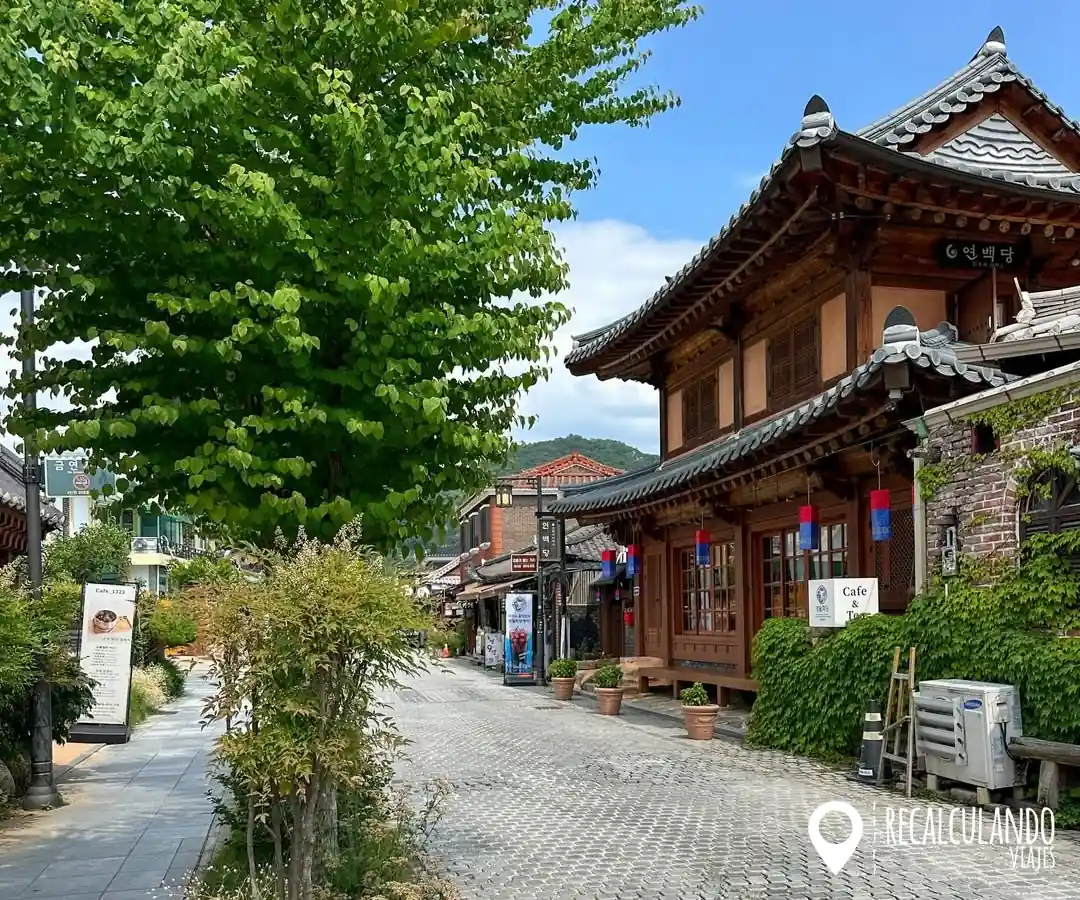
Jeonju on a budget: is it an affordable destination?
Compared to Seoul or even Busan, Jeonju in South Korea is notably more affordable. A bibimbap in the Hanok Village costs between 10,000 and 15,000 won (between €6 eur and €9 approx). Street food is abundant and very cheap. Accommodation in basic hanoks starts at 40,000 won (€25 EUR approx). Most importantly, you can walk to almost everything. Public transport is cheap and taxis are short.
In total, we calculate that with about 60,000-80,000 won (between €35 eur and €50 approx) per person per day (including basic accommodation, meals, and activities) you can have an excellent experience. If you stay in more affordable options and eat mainly street food and makgeolli, the budget can go down even further.
Differences between Jeonju and other cities in South Korea
One of the most frequent questions from those planning a trip through Korea is how to distribute their time among the different cities. In our experience of nearly 2 months in the country, Jeonju occupies a very special and different place.
If Seoul is the city of the future and modernity, Jeonju is the city of the past and identity. If Busan is beach and sea, Jeonju is history and flavor. If Gyeongju is ruins and temples, Jeonju is living neighborhoods and gastronomy. They are complementary cities, not competitors.
Our recommendation is that you don’t choose one over the other, but rather that if you can, include all of them in your itinerary, even if it’s just for a few nights.
Jeonju vs Other Cities in South Korea
| Category | Jeonju | Seoul | Busan | Gyeongju |
|---|---|---|---|---|
| Profile | History and food | Modernity and fashion | Beach and leisure | Ruins and temples |
| Budget/day | €35–€50 | €60–€100+ | €45–€75 | €35–€55 |
| Ideal stay | 3–5 nights | 5–7 nights | 3–5 nights | 2–3 nights |
| Food | ⭐⭐⭐⭐⭐ | ⭐⭐⭐⭐ | ⭐⭐⭐⭐ | ⭐⭐⭐ |
| Culture | ⭐⭐⭐⭐⭐ | ⭐⭐⭐⭐ | ⭐⭐⭐ | ⭐⭐⭐⭐⭐ |
| Foreign tourism | Moderate | Massive | High | Moderate |
| Nightlife | Quiet | Intense | Lively | Very limited |
Frequently asked questions about Jeonju
How many days to spend in Jeonju?
With 2 nights you can see the essentials: the Hanok Village, the Gyeonggijeon Shrine, eat bibimbap, and try the makgeolli. To enjoy the gastronomy and culture without rushing, 3 to 5 nights is ideal. We spent 5 and were not left wanting more.
How to get from Seoul to Jeonju?
The most practical option is the express bus from the Gangnam terminal, with about a 2-hour and 15-minute trip and a price of 10,000 to 15,000 won. There are also KTX trains with a transfer in Iksan. You can book online at Bustago or Korail.
What is the distance between Seoul and Jeonju?
Approximately 240 km in a straight line. By express bus, the trip takes about 2 hours and 15 minutes, making it a very accessible stop within a South Korea itinerary.
What does Jeonju mean?
Jeonju (전주시) literally means “City of Jeonju”, since “si” in Korean means city. It is the short name most used both in daily speech and in international tourism, although in official documents it appears as Jeonju-si.
Can you do Jeonju as a day trip from Seoul?
Technically yes, but we don’t recommend it. There is too much to eat, walk, and absorb to do it in a day. The magic of the Hanok Village at night is something you cannot experience on a day trip. Staying at least one night is totally worth it.
How to get from Jeonju to Gyeongju?
The most comfortable way is the direct intercity bus. It is approximately 261 km and the journey takes about 3 hours and 30 minutes. We did it the other way around, from Gyeongju to Jeonju, with the Cheonma Express company through Bustago, and it cost us about €32 for two people.
How to get from Jeonju to Busan?
There are frequent intercity buses between Jeonju and Busan with a route of about 3 hours approximately. It is also possible to combine train and bus depending on the schedules. We recommend checking options on Bustago or Naver Maps before leaving.
Things to do in Jeonju?
The unmissable: the Jeonju Hanok Village, the Gyeonggijeon Shrine, the Jeondong Cathedral, the Nambu Market and its Friday nights, the Jeonju Hyanggyo, the views from Omokdae, and the Jaman Mural Village. Things to do: rent a hanbok, participate in a tea ceremony, eat authentic bibimbap, and drink local makgeolli.
When is the best time to visit Jeonju?
Spring (March to May) and autumn (September to November) are the best times. The cherry blossoms and colorful leaves over the hanok roofs are spectacular. Summer is humid and hot; winter is cold but charming. Avoid long weekends and Korean holidays.
Is it easy to get around Jeonju without speaking Korean?
Yes. The Hanok Village has signs in English and most tourist venues have menus with photos. Naver Maps works very well without data. For everything else, Google Translate with camera mode solves almost everything.
Is Jeonju safe for travelers?
South Korea is one of the safest countries in the world and Jeonju is no exception. In our 5 nights, including outings at night, we didn’t have any problems. Common sense is always the best tool.
What budget do I need to visit Jeonju?
With 60,000 to 80,000 won per person per day (between €35 and €50 approx) you cover basic accommodation, meals, and activities. It is notably cheaper than Seoul or Busan. If you eat mainly street food and makgeolli, the budget can go down even further.
Conclusion: Jeonju, the soul of South Korea
After nearly 2 months traveling through South Korea, Jeonju remained etched in our memory as one of the most authentic and exciting experiences of the trip. It is not the most visually spectacular city, nor the easiest to photograph. But it has something few cities have: a cultural identity so strong and hospitality so genuine that you are made to feel, at times, that the modern world can wait.
The Hanok Village with its curved roofs, rich food, very special tea houses, the beautiful hanoks, and the empty streets at dawn… all that makes Jeonju a city that isn’t just visited, it is lived. If you are planning a trip through South Korea, don’t make the mistake of leaving it off the itinerary. We hope you enjoy it!
ℹ️ **Total Transparency**
This article contains affiliate links. If you book through these links, we may receive a small commission at no additional cost to you. We only recommend services we use on our trips and trust. This helps us keep this blog free and continue creating useful content for you. Thank you for your support!
🔗 Resources & Useful Links for your trip to Jeonju
Do you have questions or want to add your own recommendations about things to do in Jeonju?
💬 Leave your comment or write to us, we love reading other travelers’ experiences.
Thank you very much for being part of this adventure!— Nanu & Facu 🌎 | Recalculando Viajes 💜