Introduction to Japanese food and our experience traveling through Japan
Japanese food always had that air of mystery, simplicity, and elegance that we heard so much about before traveling. But the reality is that nothing prepared us for what we would experience when we stepped into Japan for the first time as a couple of digital nomads. After more than eight years traveling and eating around the world, we can say without exaggeration that Japan was one of the destinations that surprised us the most, even with its gastronomy.
We literally tried everything that came our way: from steaming ramen in a hidden local shop to matcha and black sesame ice creams that we never thought we would like. And the best part was discovering that Japanese food is not only delicious, but also accessible, varied, balanced, and deeply cultural.
So in this complete guide, we tell you everything: how to eat in Japan, what you must try, where to eat cheaply, and what our favorite dishes were.
Several restaurants have dishes in a window display that simulate the food so you know what you are going to choose! Which was something that caught our attention quite a bit, well, among many other things he he.
🌍 Travel Insurance: 5% Off with IATI Seguros! 🌟
Take advantage of this offer and travel safe.
The essence of Japanese gastronomy: flavors, history, and culture
Japanese cuisine is much more than sushi. It is a gastronomy built on respect for the product, seasonality, simple but delicate techniques, and a strong cultural bond with nature.
The key role of rice, broths, and seasonality
In Japan, rice is much more than a side dish: it is tradition, the basis of identity, and an essential part of the country’s history. To this are added broths like dashi, which are the backbone of many typical Japanese dishes.
Seasonality is also key: eating what corresponds to each season is a way of honoring nature. That is why you will see that certain products only appear at certain times of the year.
Umami: the most characteristic flavor of Japan
If we had to describe Japanese food in one word, it would be umami, that “savory” flavor that is neither sweet nor salty nor acidic, but something more. Umami is found in miso, kombu seaweed, shiitake mushrooms, and many of the sauces used daily.
Where and how to eat in Japan: things that surprise the traveler
When we arrived in Japan, one of the things that caught our attention most was discovering that many restaurants are hidden inside buildings. No huge shops on the street: just a small window, a photo of the dish, and a number indicating which floor they are on.
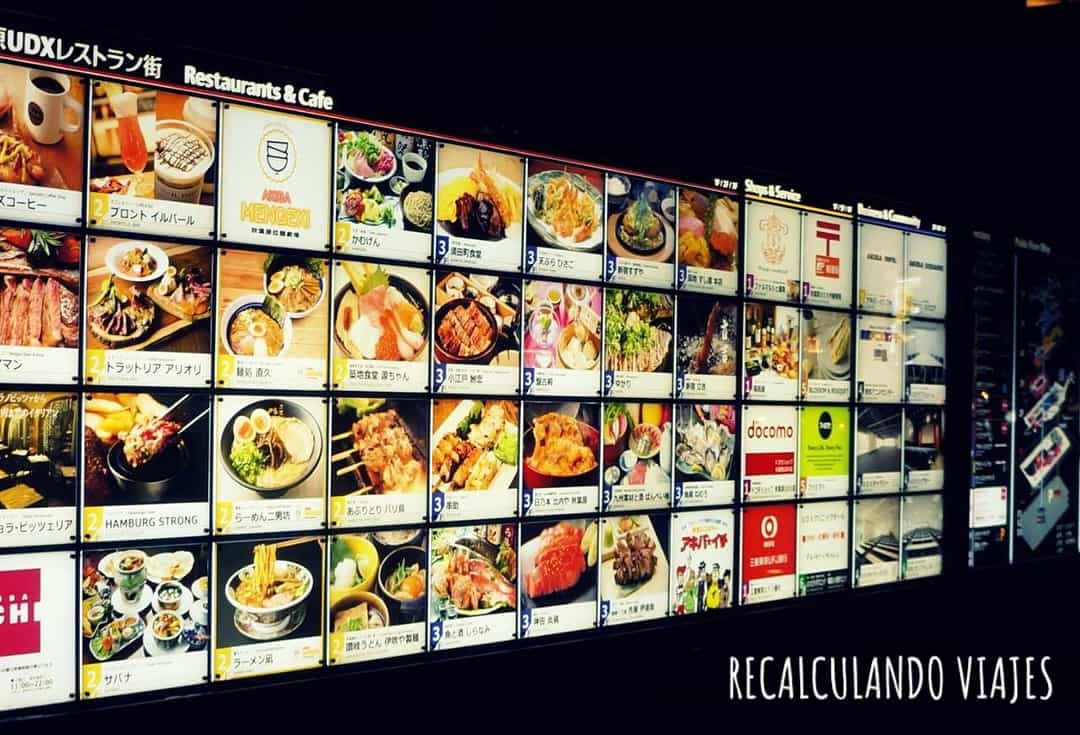
Restaurants inside buildings and fake food display windows
The famous plastic food replicas (shokuhin sampuru) are part of the Japanese landscape. They are in windows outside restaurants and are so perfect that they help you a lot in choosing what to eat. For those of us traveling without knowing Japanese, they are a gift from heaven!
“Fake” food: great for getting an idea of the dish👇

Basic tips for eating typical Japanese food in Japan
Among other things:
- No tipping.
- Slurping noodles when eating ramen is fine.
- Sharing plates is not always common.
- Taking off your shoes may be necessary in some traditional restaurants.
Ramen: the dish most loved by travelers and locals
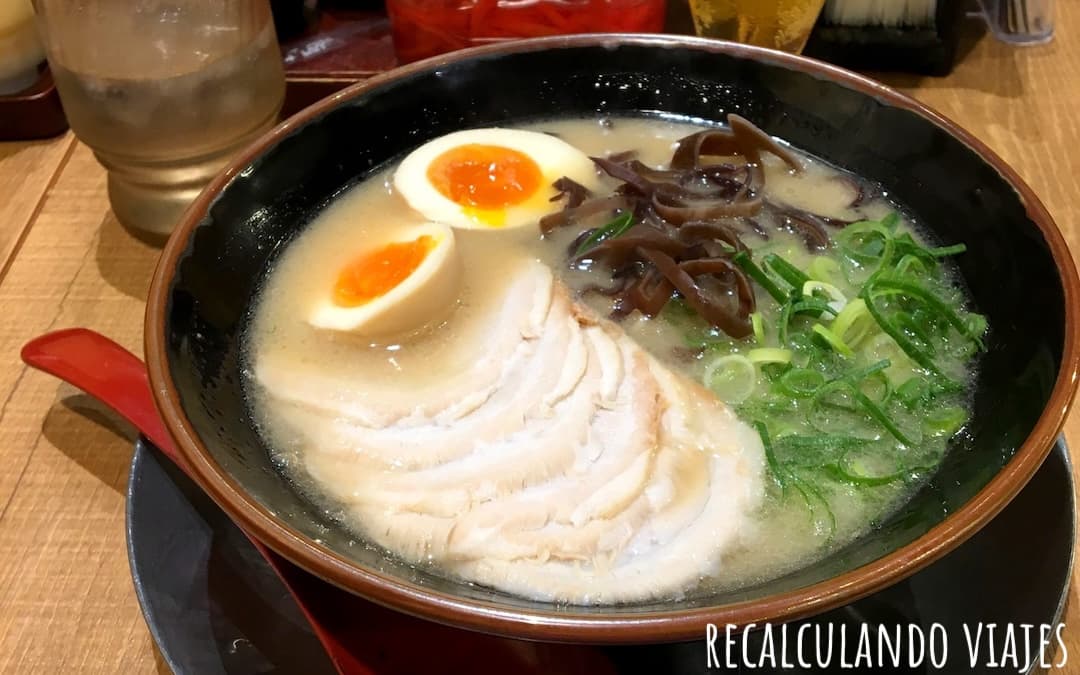
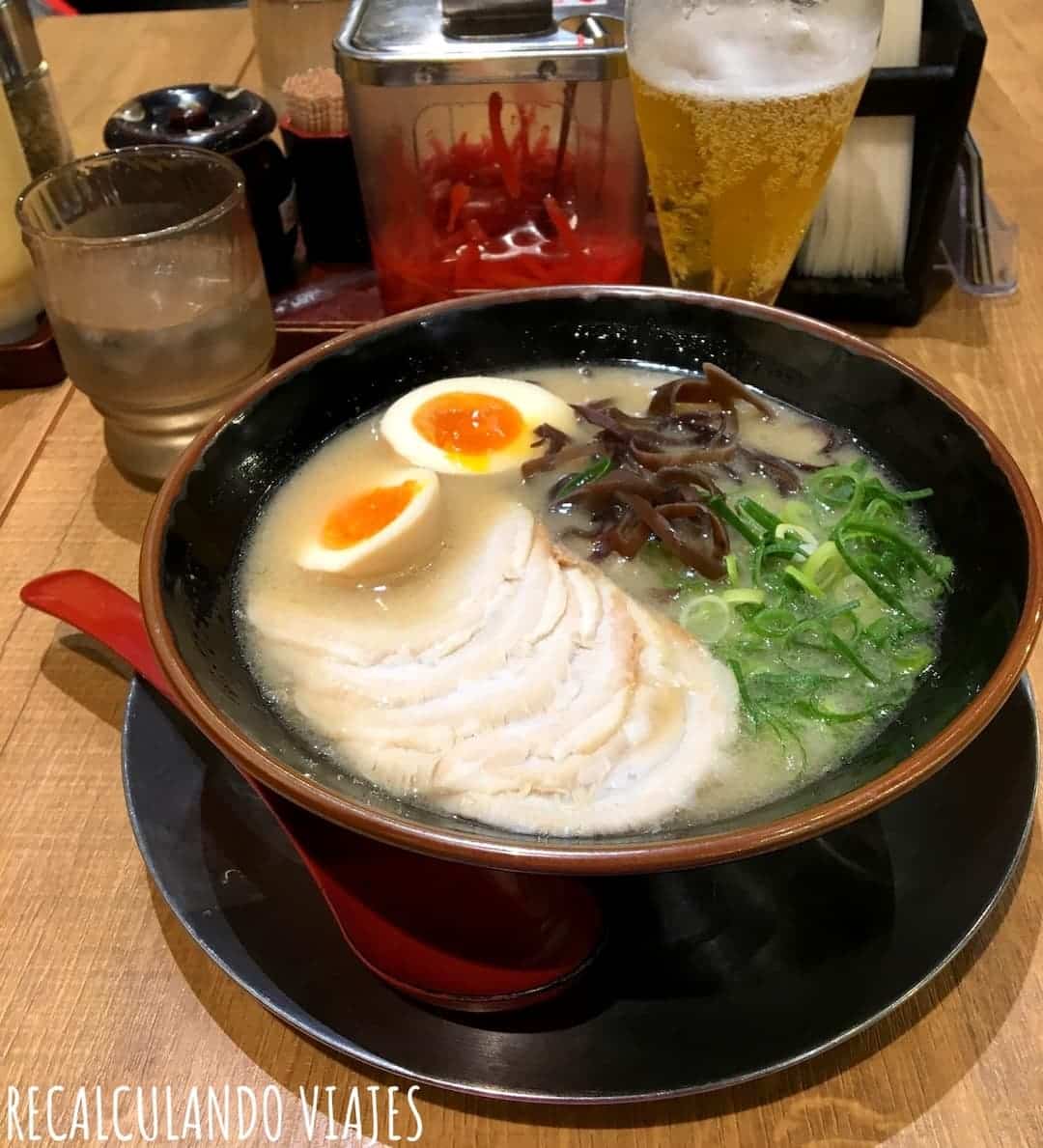
Few things transport us as much to Japan as a good bowl of ramen. It is a hearty, aromatic dish perfect for cold days, but we also enjoyed it happily in the middle of summer.
Types of ramen: shoyu, shio, miso, and tonkotsu
- Shoyu: soy sauce-based broth.
- Shio: broth with salt, light and clear.
- Miso: thick, deep, perfect for those looking for something more intense.
- Tonkotsu: the favorite of many, a broth made with pork bones cooked for hours.
Typical Japanese food: Where to try authentic Japanese ramen
The ramen experience is lived in tiny venues, bars, and vending machines where you get your ticket and sit down to wait for the perfect bowl. In Tokyo, we tried some memorable ones near Shinjuku and Akihabara.
Tempura (Typical Japanese food): the Japanese art of light frying
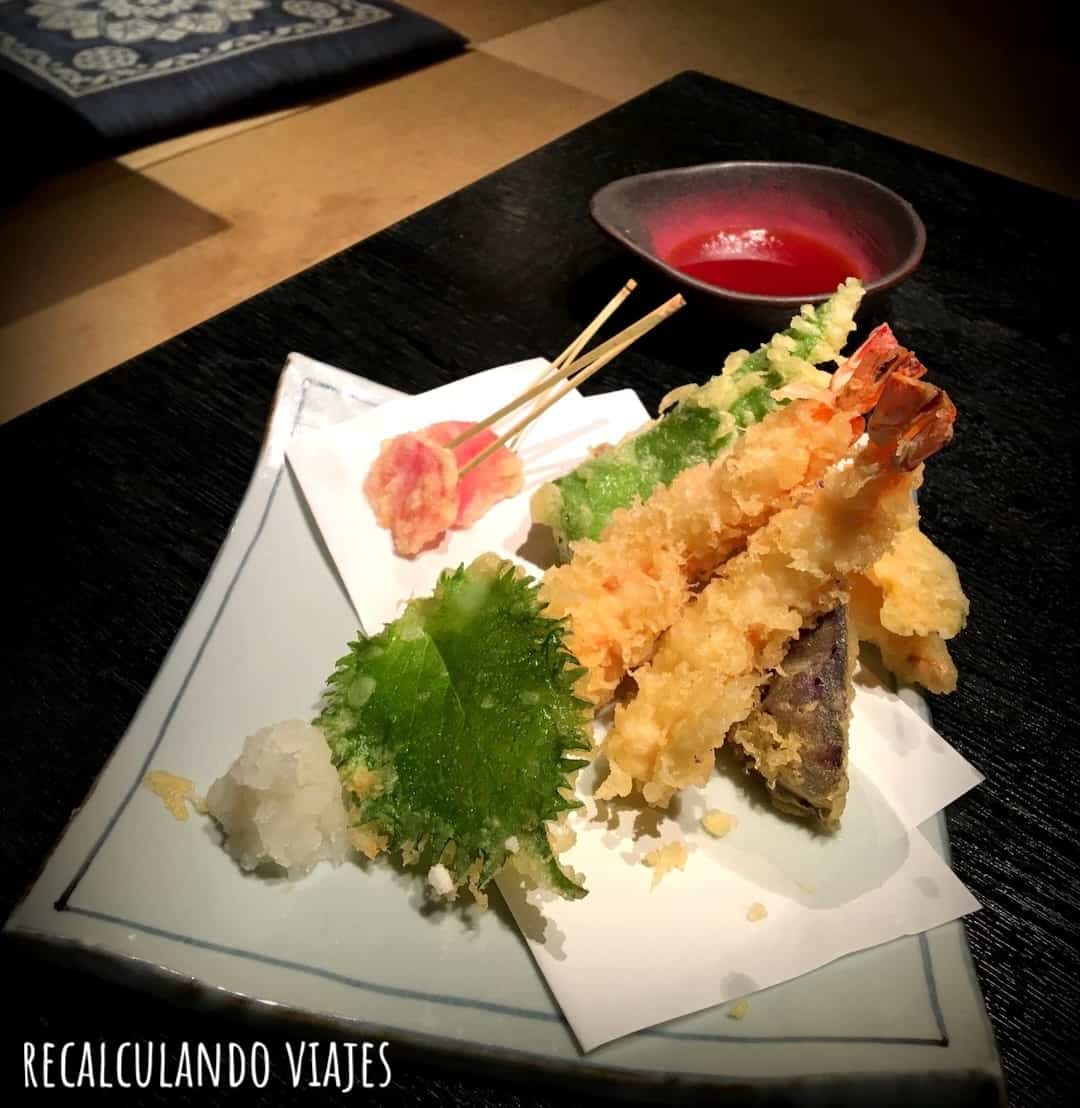
Tempura is one of the most elegant and subtle dishes in Japan.

Vegetable and seafood tempura
The key is that the frying is so light that you almost don’t feel it. We tried tempura of:
- prawns
- pumpkin
- eggplant
- sweet potato
- mushrooms
How it is served and how to eat it
It is generally served with rice, tentsuyu sauce, and grated radish. Ideal for a light meal full of flavor.
Sushi: much more than raw fish
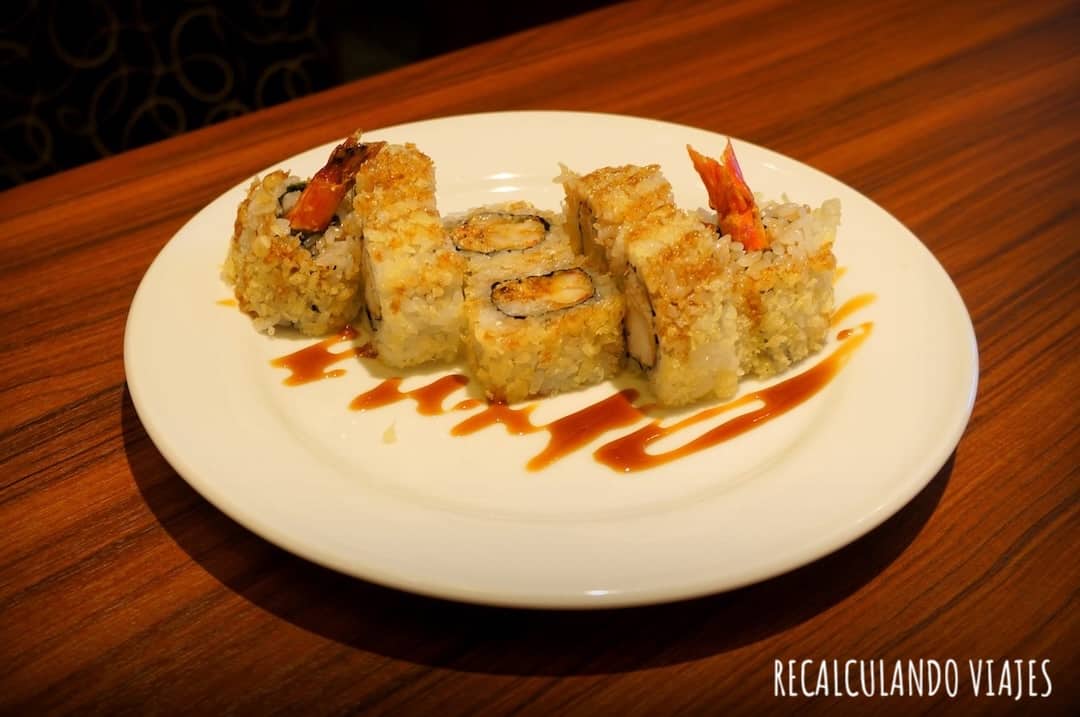
Although sushi is already everywhere in the world, eating sushi in Japan is from another universe.
Nigiri, maki, sashimi, and regional variants of typical Japanese food
Sushi in Japan is simple: perfect rice, super fresh fish, and expert hands. No excess cheese or creams.
Info on how you should eat sushi in Japan
- Nigiri is eaten in one bite.
- Wasabi is not mixed with soy sauce.
- Sushi rice should not be dipped directly into soy sauce.
Bento: the practical food to-go that saved us a thousand times
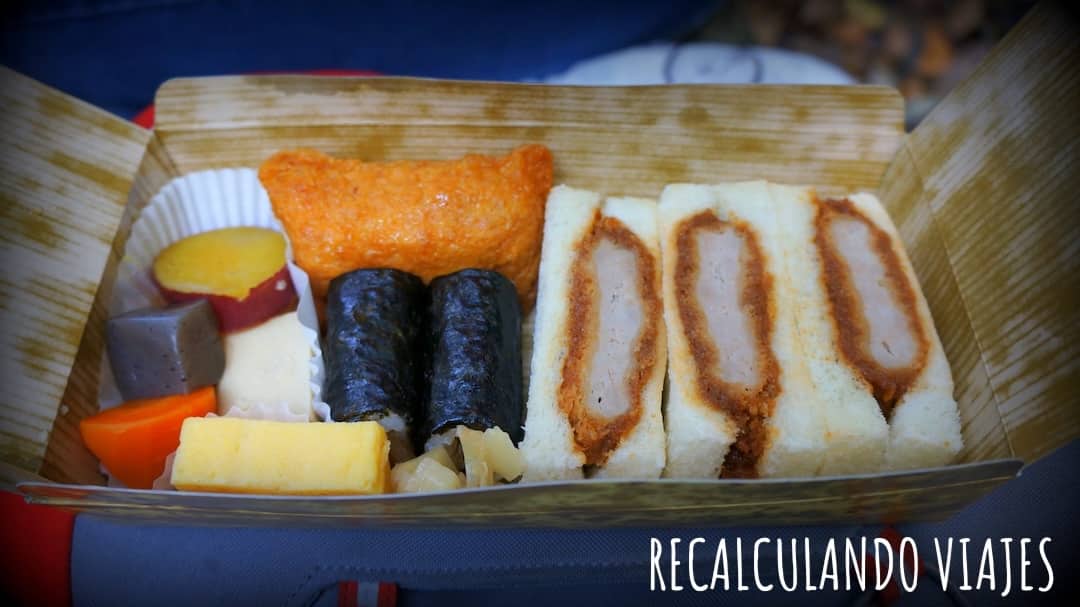
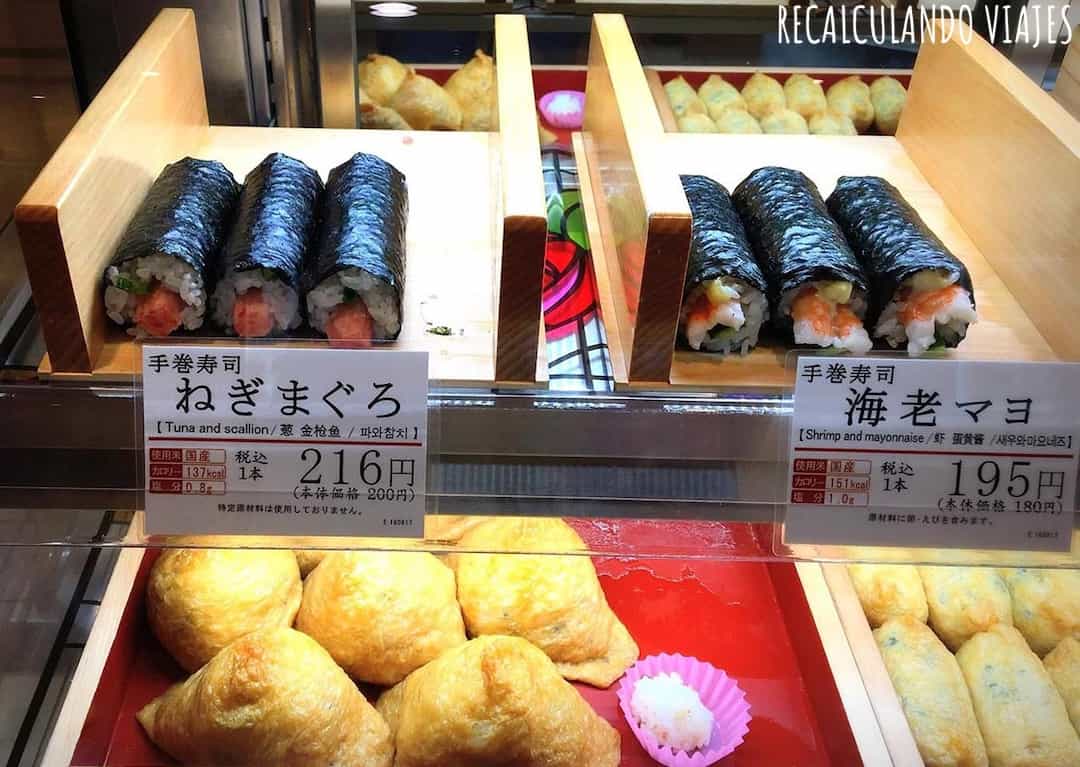
Bentos are boxes with ready-to-eat food. We were fans.
Types of bento and where to buy them
The best ones are at:
- Train stations
- 7-Eleven
- FamilyMart
- Local supermarkets
You can find bentos with teriyaki chicken, sushi, vegetables, meat, and a thousand other options.
Gyoza: the Japanese “dumplings” we love
Gyozas are a one-way trip.
How they are cooked: steamed, boiled, or pan-fried
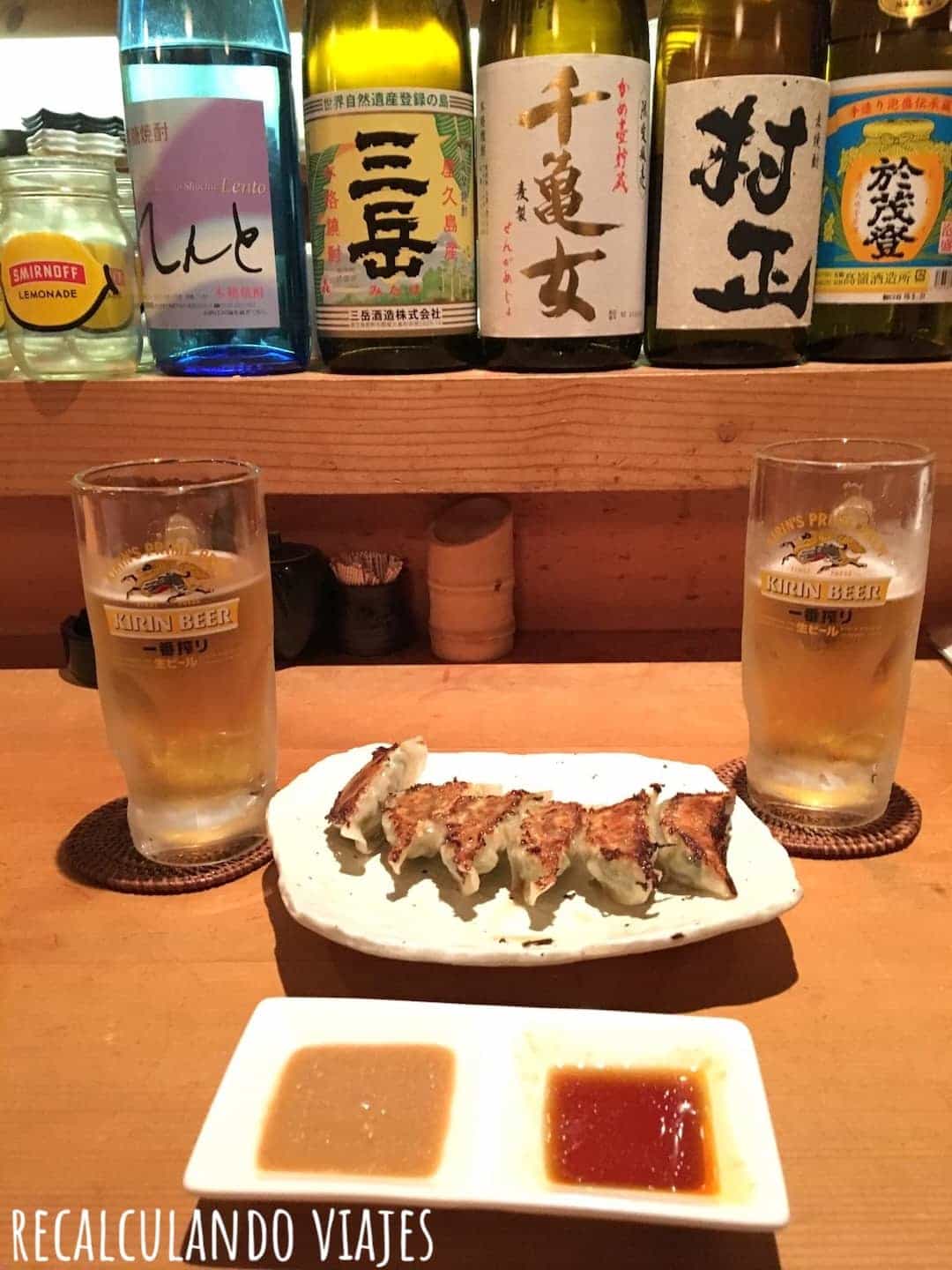
The most popular are yaki gyoza, which are first seared and then steamed. In Japan, we dipped them in soy sauce with a touch of vinegar… pure magic.

Tonkatsu: the Japanese breaded pork cutlet that stole our hearts
We admit it: as soon as we tried Tonkatsu, Facu found his favorite dish in Japan.
Traditional Tonkatsu and Tonkatsu curry
The classic is a breaded and fried pork cutlet, served with shredded cabbage, rice, and miso soup. But if you want to level up, Tonkatsu curry is glorious: smooth, thick, comforting.

Udon and Soba: two types of unmissable noodles
Because not everything in Japan is ramen.
Main differences and when to choose each
- Udon: thick, soft, ideal for comforting soups.
- Soba: thin, made of buckwheat, perfect to eat cold in summer.
Japanese food: secrets, essential tips to enjoy it like a local
Something we highly recommend —and that we took advantage of almost every day— are the food discounts at the end of the day, especially in train stations and large supermarkets. Close to closing time, many bentos, sushi, salads, and prepared dishes drop between 20% and 50%, sometimes even more!
Every night, before returning to the apartment, we would stop by the station and pick up delicious food for very few yen. It is one of the best ways to eat well, cheaply, and like a local.
Matcha and typical Japanese drinks
Japan is a paradise for those who love tea.
Matcha tea, Sapporo beer, and more
Matcha is part of everyday life. And Sapporo beer, along with Asahi and Kirin, accompanied us during a thousand dinners.
Japanese desserts: curious flavors and traveler favorites
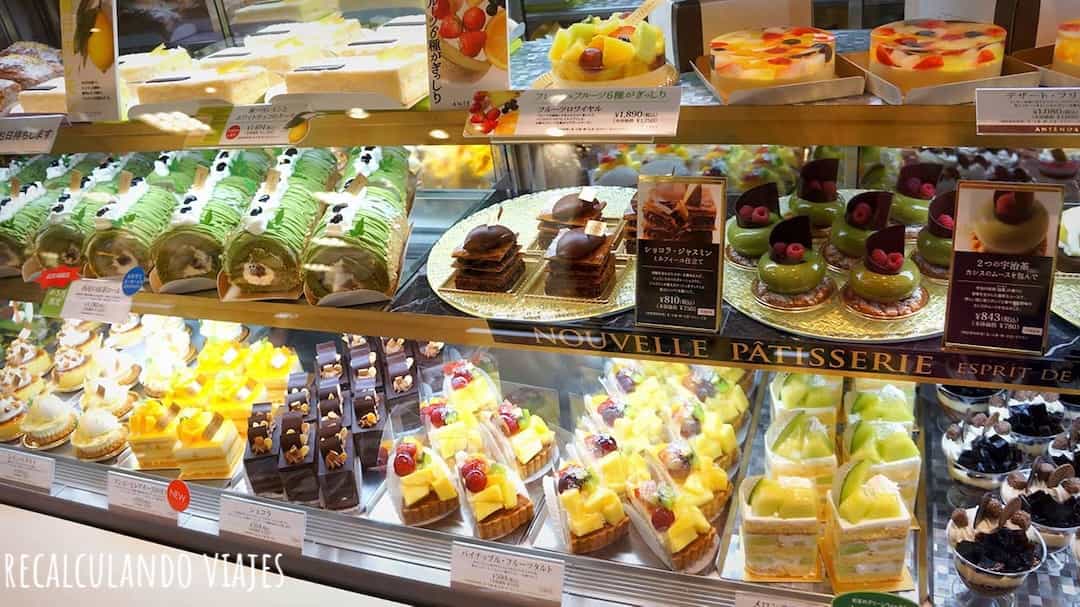
If you have a sweet tooth like us, Japan will blow your mind.
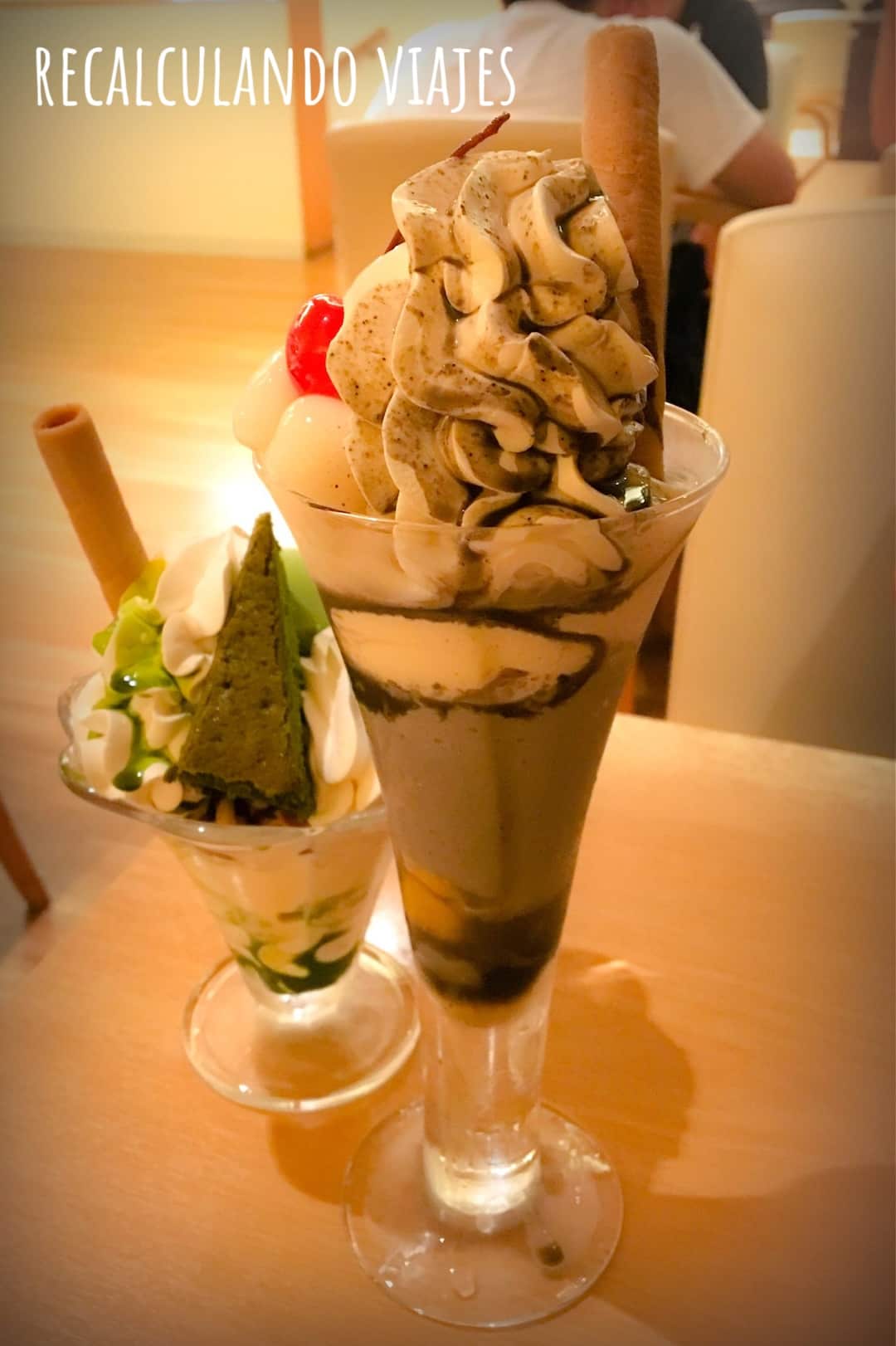
Matcha, black sesame, and wasabi ice creams
Matcha ice cream became our absolute favorite. The black sesame one is intense and addictive. And the wasabi one… let’s say it’s an experience (ha ha I didn’t like it – Facu).

Dorayaki, mochis, and Harajuku pancakes
The giant Harajuku pancakes are a classic not to be missed. The dorayaki filled with anko and fresh mochis are soft, sweet, and totally addictive.
Another Japanese sweet food that caught our attention were the pancakes filled with many things … we tried them just a few minutes from Harajuku station and halfway down Takeshita Street! They are some of the many 😋 foods we tried!!!
We love Japanese gastronomy ❤!

How to eat cheaply in Japan without sacrificing quality
Japan can be expensive, but eating doesn’t have to be.
7-Eleven, FamilyMart, and local chains
In kombini (24h convenience stores) you eat incredibly well for a few yen:
-
Onigiris
-
Bentos
-
Sandwiches
-
Hot dishes that they heat up for you on the spot
There are also chains like Yoshinoya, Sukiya, or Matsuya, where you can eat for less than the cost of a coffee in Europe.
Practical glossary of Japanese gastronomic terms
-
Dashi: base broth
-
Miso: fermented paste
-
Tare: base sauce
-
Tempura: light fried food
-
Gohan: rice
-
Nori: seaweed
-
Katsudon: bowl of rice with breaded pork, egg, and sauce



Typical Japanese food: More food dishes in Japan!
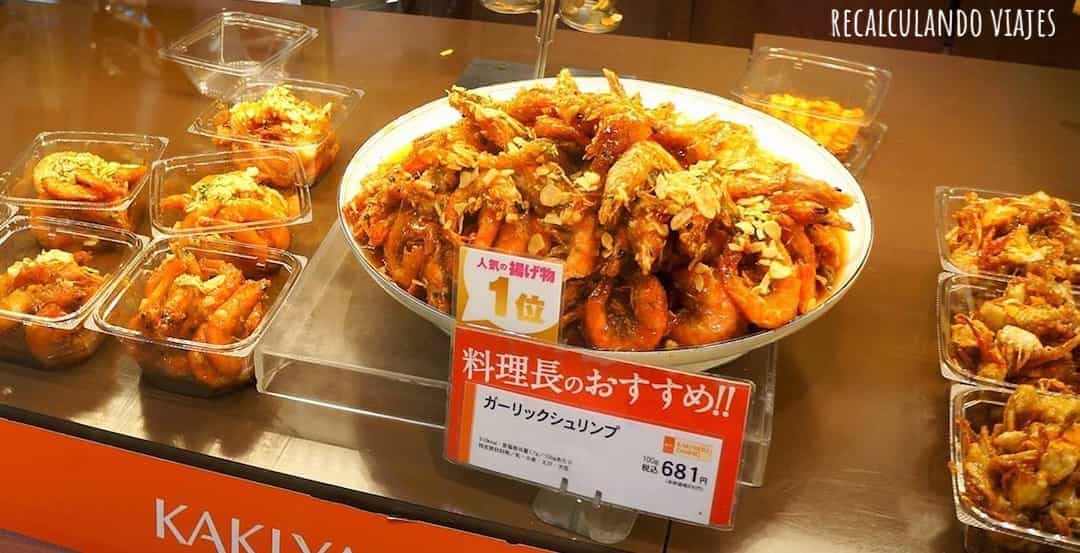
Garlic prawns
Gourmet Japan Ice Cream
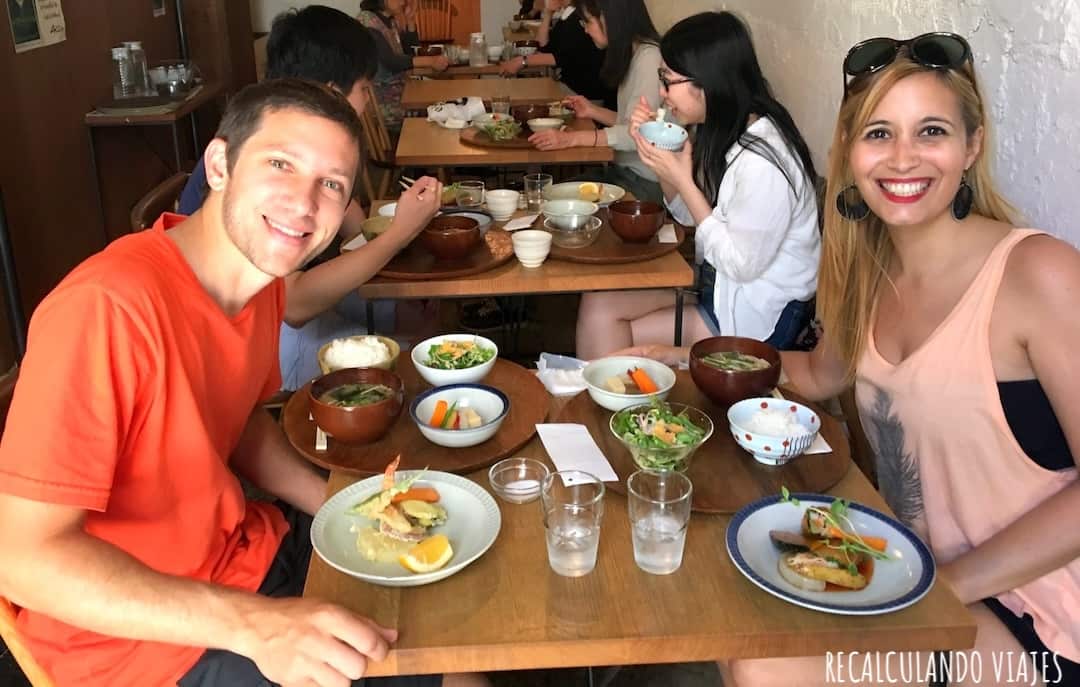
Typical Japanese food: the experience of bowls and traditional small plates
Something that always fascinated us about Japan is how a simple meal of typical Japanese dishes can turn into a festival of bowls and small plates. They serve you a tray and, suddenly, you have a small universe in front of you: perfect rice, miso soup, colorful pickles, fish, vegetables, sauces, and some unexpected bite that forces you to guess what it is. Each dish has its own flavor, its own purpose, and together they create an experience that makes you feel like you are eating much more than just a meal: you are tasting a piece of Japanese culture.
👩⚕️👨⚕️ A must-have for stress-free travel! 🌎✈️ ➜ Get a Quote, Compare & Buy
Menu in Japanese and you don’t know what you are ordering!
One of the funniest anecdotes we remember was in a small town lost on the way to the coast. We walked into a small restaurant on a corner, attended by an old lady who didn’t speak a word of English, and the menu was 100% in Japanese (only about 5 words in Japanese), no photos, no drawings, nothing.
We ordered “blindly” and we were served a huge bowl with tiny white fish, a separate raw egg, and sauces, bowls that we had no idea how to use. We looked at each other, laughed, and said “well… let’s try it.” In the end, it was good, but the initial surprise was glorious. Japan has those things that take you completely out of your comfort zone… and that’s what makes it so special!

Japanese street food: stalls, snacks, and urban delicacies
Japan is one of the best countries in the world for street food.
Takoyaki, Okonomiyaki, Yakitori, and more
-
Takoyaki: balls filled with octopus.
-
Okonomiyaki: a kind of Japanese “omelet” that they prepare for you live.
-
Yakitori: small chicken skewers cooked over charcoal.
Street food stalls in Japan (Video):
Frequently asked questions about Japanese food
Is Japanese food spicy?
In general, no. Except for some dishes with wasabi or curry, Japanese food tends to have mild flavors.
Can you eat cheaply in Japan?
Yes. Kombini, street stalls, and local chains are excellent and economical options.
Are there vegetarian options?
Yes, but you have to look for them. Many dishes contain fish broth even if it doesn’t seem like it.
Is it safe to eat raw fish?
Totally. Japan has extremely high standards of hygiene and conservation.
Should I book restaurants?
Only in the most famous ones or during high season. In most places, you can walk in without a reservation.
Conclusion: why Japanese gastronomy left a mark on us forever
After visiting so many countries, few gastronomies touched us as deeply as the Japanese one. Not only for the taste, but for the culture, the aesthetics, the respect for the product, and the incredible variety. Japanese food accompanied us on rushed mornings, on long train rides, and on unforgettable moments of shopping at the last minute with discounts, which today we continue to remember with a smile.
If you are about to travel to Japan, or just want to explore more of its gastronomy, we hope this guide brings you a little closer to that fascinating world that we love so much.
And we say… traveling is, among other things, trying new flavors and foods! 🍜🇯🇵✨
ℹ️ **Total Transparency**
This article contains affiliate links. If you book through these links, we may receive a small commission at no additional cost to you. We only recommend services that we use on our travels and that we trust. This helps us keep this blog free and continue creating useful content for you. Thanks for your support!
🔗 Resources & Useful Links for your trip to Japan
Do you have questions or want to add your own recommendations about Japanese food?
💬 Leave your comment or write to us, we love reading the experiences of other travelers.
Thank you very much for being part of this adventure!— Nanu & Facu 🌎 | Recalculando Viajes 💜