Osaka is loud, gluttonous, and cheeky, and that’s exactly what makes it unforgettable. It’s the gastronomic capital of Japan and the perfect base to visit Kyoto, Nara, or Himeji as a day trip. Let’s do this!
Keep in mind: prices and schedules in Japan change often. We checked the details before writing, but always verify on official websites before you go, especially if you’re on a tight schedule.
🌍 Travel Insurance: 5% Off with IATI Seguros! 🌟
Take advantage of this offer and travel safe.
Summary of things to do in Osaka – Japan
| Category | Key details |
|---|---|
| Best time | Spring (March-April) and Autumn (October-November). |
| Recommended duration | 2 to 3 days (add 1-2 extra days for Universal Studios or excursions). |
| Daily budget | 7,000 – 10,000 ¥ per person (excluding theme park tickets). |
| Must-see places | Dotonbori, Osaka Castle, Shinsekai, Umeda Sky Building, Universal Studios Japan. |
| Typical gastronomy | Takoyaki, Okonomiyaki, Kushikatsu, Negiyaki, and crab dishes. |
| Best area to stay | Namba / Shinsaibashi (entertainment and food) or Umeda (transport connections). |
| Recommended transport | IC Card (ICOCA) for metro/trains and Osaka Amazing Pass to save on sights. |
| Connectivity | Data eSIM to have internet the moment you land. |
| Nearby excursions | Kyoto, Nara, Himeji, Kobe, Hiroshima, and Miyajima. |
15 things to do in Osaka: The must-sees
1. Dotonbori, the heart you must see in Osaka
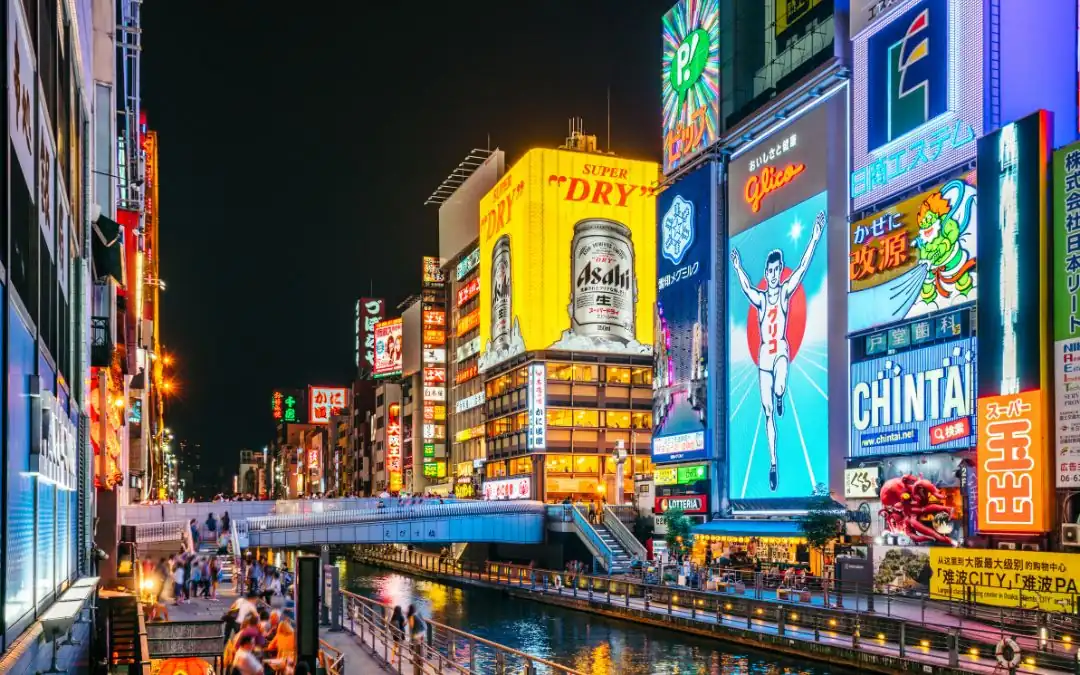
If there is one place that sums up Osaka, it’s Dotonbori. It’s a canal filled with neon signs, restaurants, and people everywhere. At night, it’s a different world: the lights reflect on the water and everything feels like a movie.
We visited during the day and in the afternoon, and stayed until nightfall to see it illuminated. It is definitely worth seeing at both times! Don’t miss the famous Glico Man sign or the giant crab moving its claws at the entrance of the Kani Doraku restaurant.
This is where we tried okonomiyaki (a savory pancake with cabbage, noodles, meat, or seafood) and takoyaki (octopus balls) for the first time. They are THE food of Osaka and are prepared right in front of you.
Keep in mind: if you want to see it from a different perspective, there is a mini canal cruise (Tombori River Cruise) that lasts about 20 minutes and costs around 2,000 ¥, with departures every half hour. You can book the Dotonbori cruise here.
2. Osaka Castle, history and views in the same place
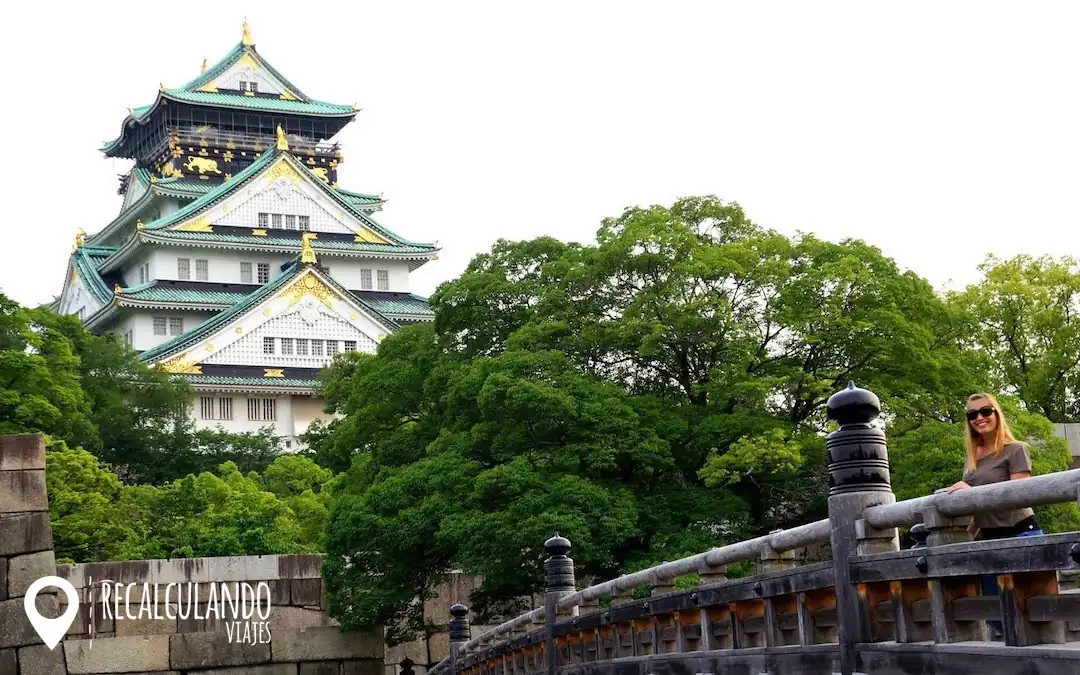
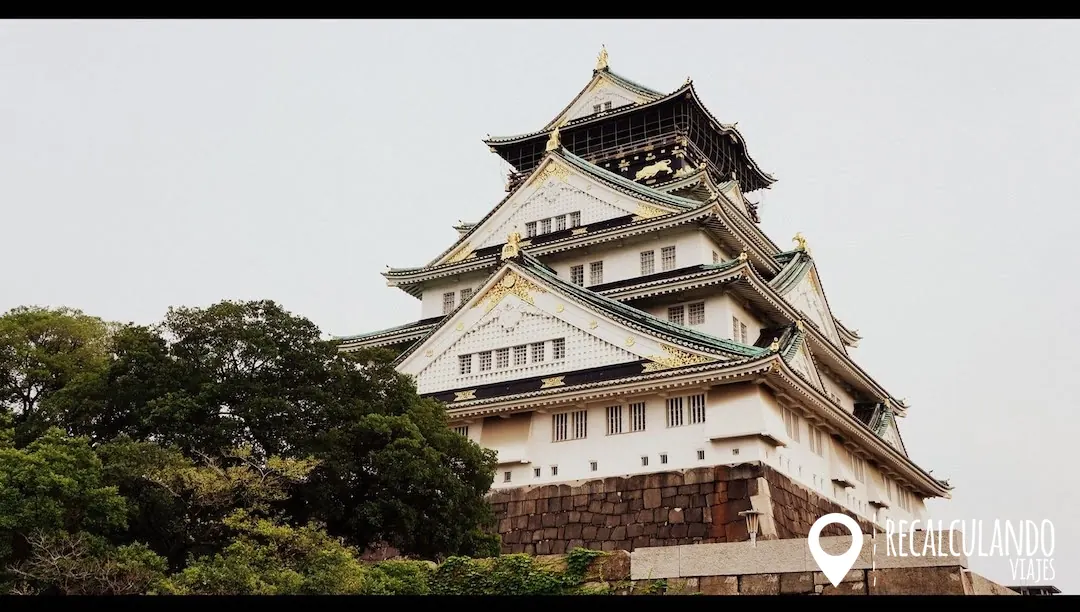
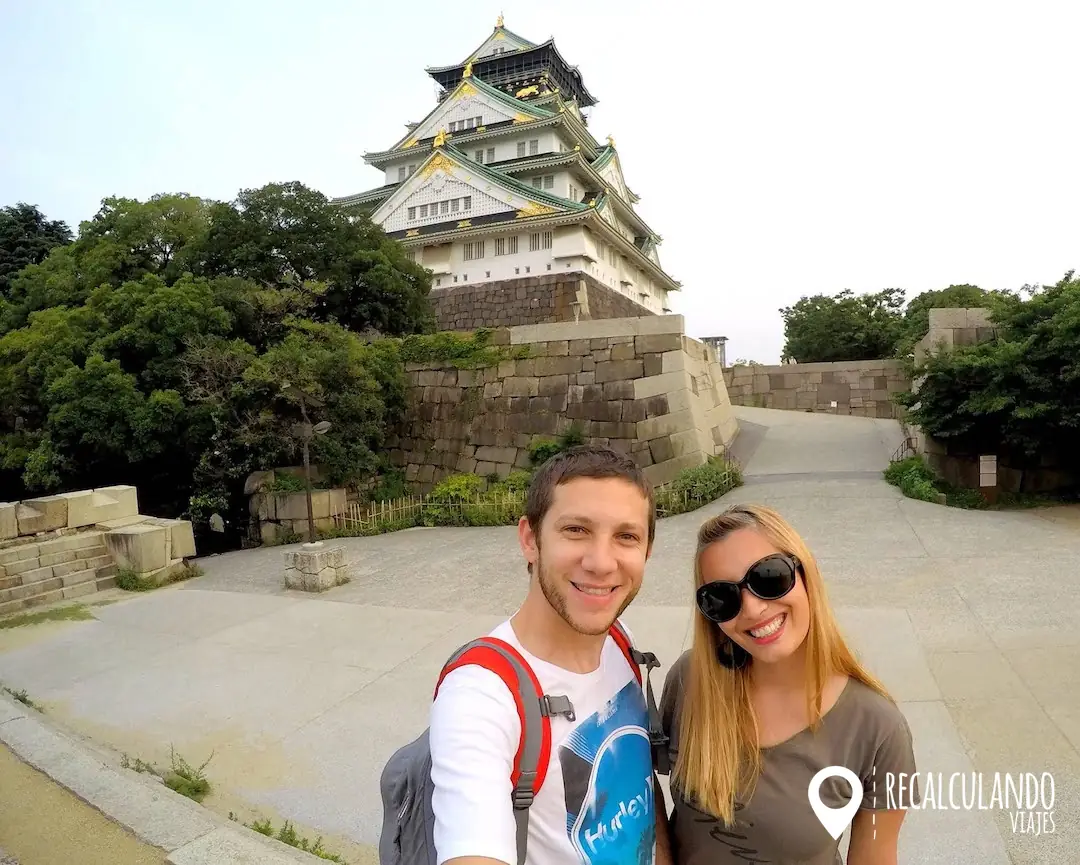
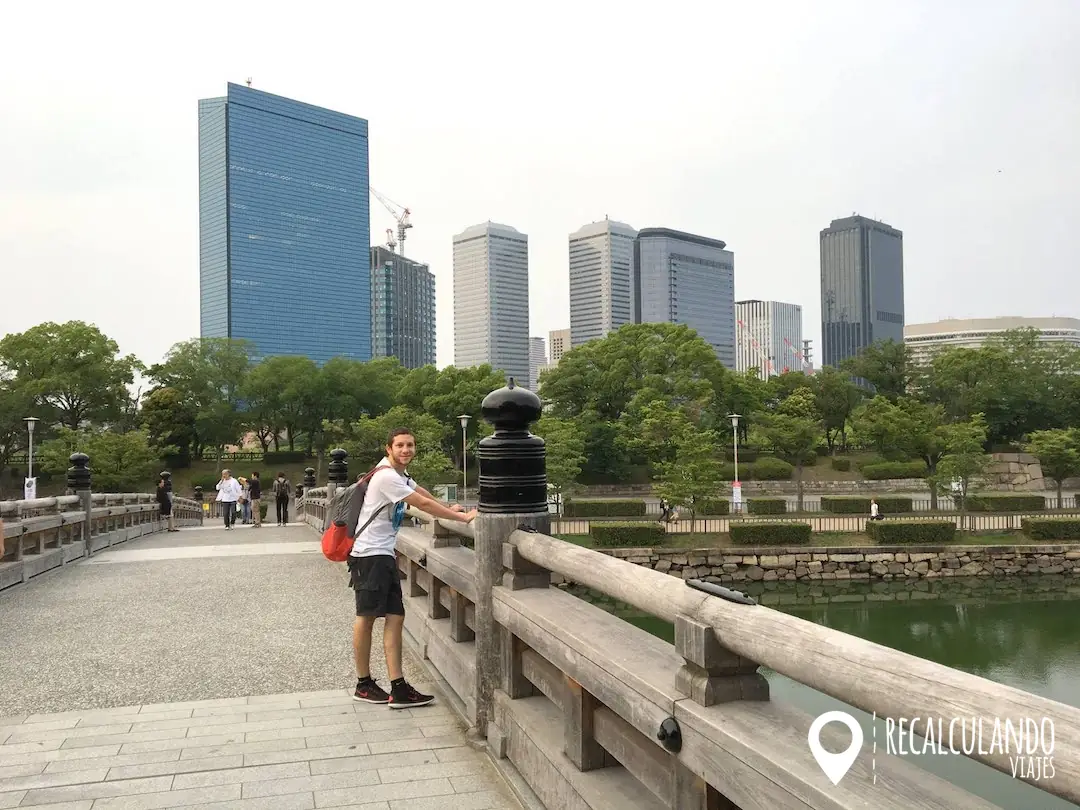
Osaka Castle (Osaka-jo) is one of the most imposing in Japan. It was built by Toyotomi Hideyoshi in the 16th century, and although the current tower is a reconstruction, it remains beautiful, surrounded by massive moats and stone walls that will leave you speechless.
Entering the main tower costs 1,200 ¥ per adult (price increased in April 2025; it used to be 600 ¥). Inside, there is a multi-story museum and an observation deck at the top with 360° views of the city. Hours are 9:00 to 17:00 (last entry 16:30).
TIP: The park surrounding the castle is free and huge, so even if you don’t enter the tower, it’s worth walking around. The Nishinomaru Garden, perfect during sakura season, has a separate entrance fee of 200 ¥. We went into the tower and absolutely loved the sunset view over the skyscrapers.
3. Shinsekai and Tsutenkaku Tower, the most retro side of Osaka
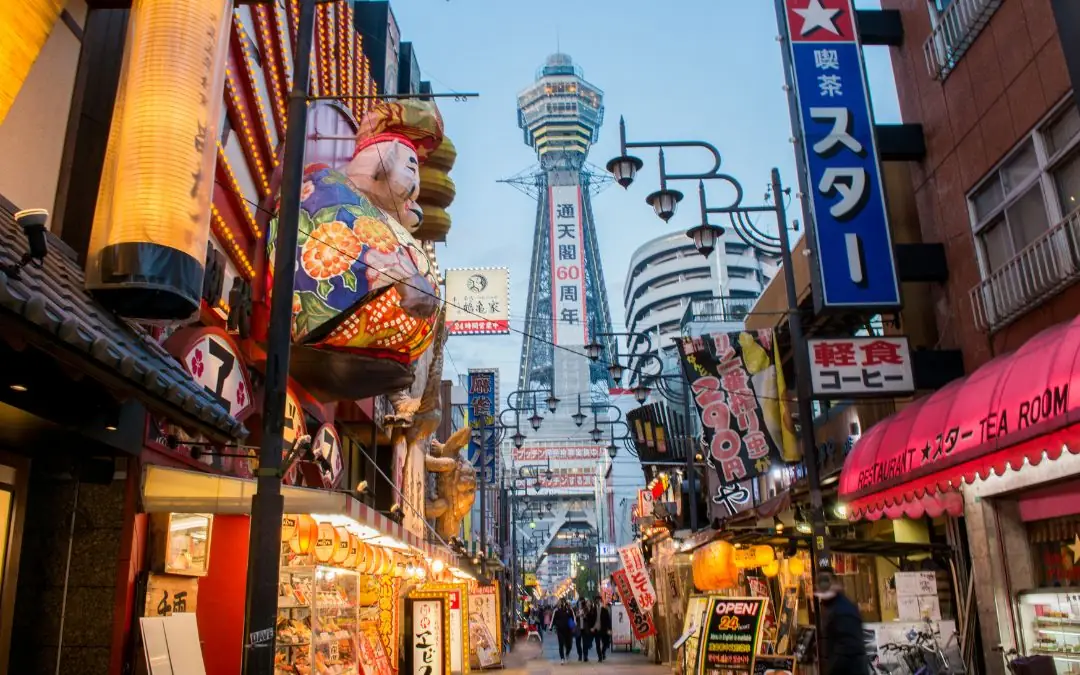
Shinsekai is a neighborhood that seems stuck in another era, with huge signs, lights, and a super local atmosphere that people in Osaka call kote kote (something like “chaotic and vibrant”). In the center stands the Tsutenkaku Tower, the most beloved symbol of the area.
We walked through its streets and the Jan-Jan Yokocho alley, full of kushikatsu stalls: breaded and fried skewers of meat, seafood, or vegetables that you dip in a communal sauce (careful, you can’t double-dip, it’s a sacred rule here!). A truly Osakan experience.
If you want to go up the tower, the observation deck costs about 1,200 ¥ and offers views of the entire city. We recommend coming during the day to capture the retro vibe, although at night, with everything lit up, it has its own magic.
4. Umeda Sky Building, an unmissable panorama
The Umeda Sky Building is one of those buildings that stops you in your tracks. It consists of two towers connected at the top by the “Floating Garden Observatory” (Kuchu Teien), an open-air circular observation deck 170 meters high. The architecture is impressive, with glass escalators that seem to float between the two towers.
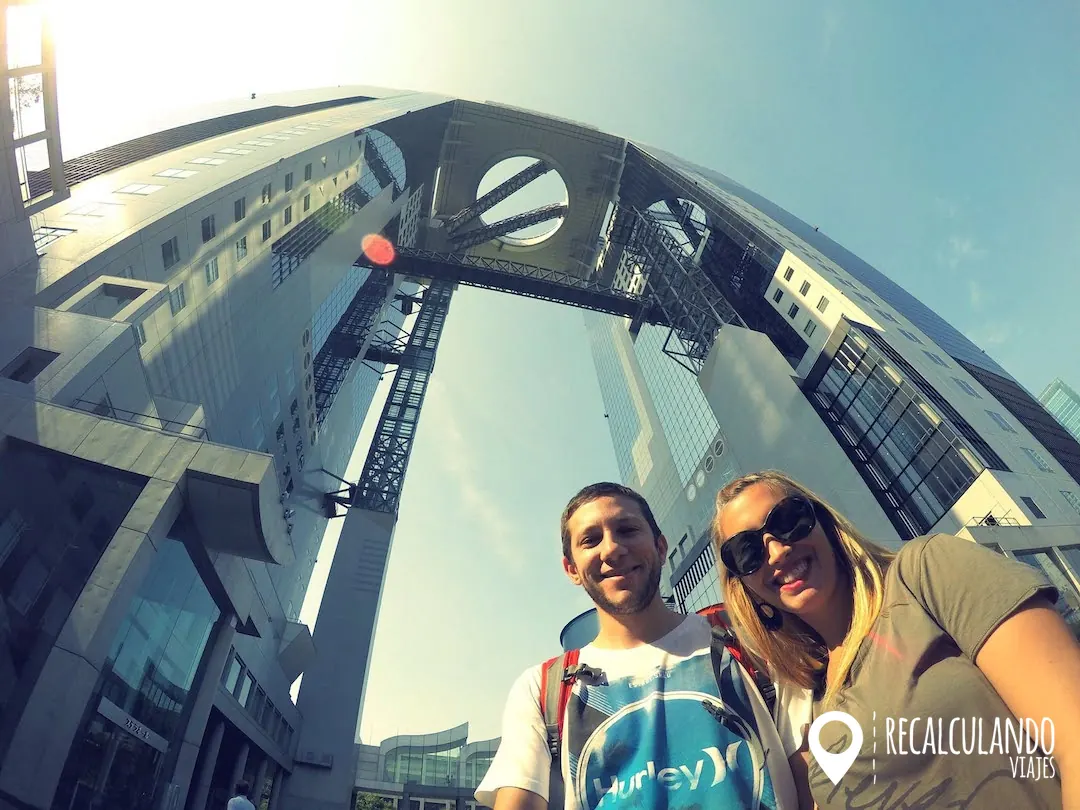
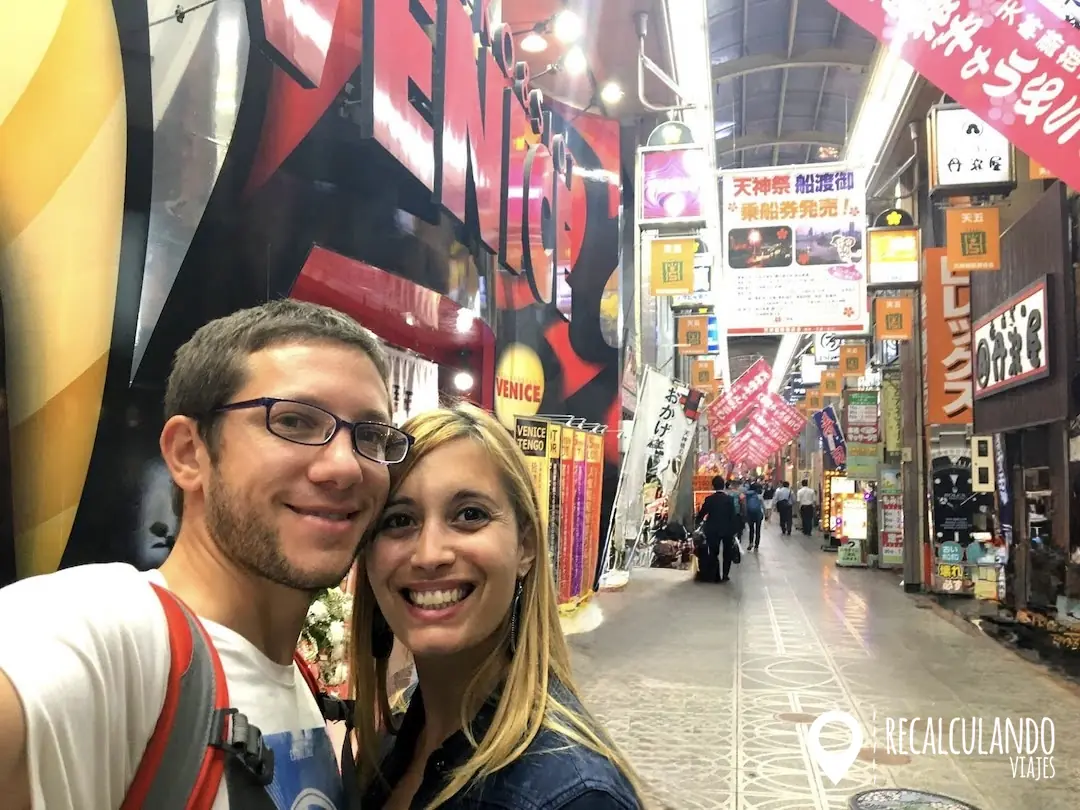
We walked over from Osaka Station (about 10-15 minutes) and the building amazed us from below. Going up to the observation deck costs 1,500 ¥ and the hours are very flexible (open until about 22:30), so many travelers recommend going at sunset to see the “magic hour,” when the sky turns deep blue and the city begins to light up.
TIP: In the basement, there is a food street themed after the 1920s (Takimi Koji), perfect for a local bite. And if you are traveling with family, the HEP Five shopping center Ferris wheel is nearby, offering great views of the center.
5. Namba Parks, a green oasis among skyscrapers
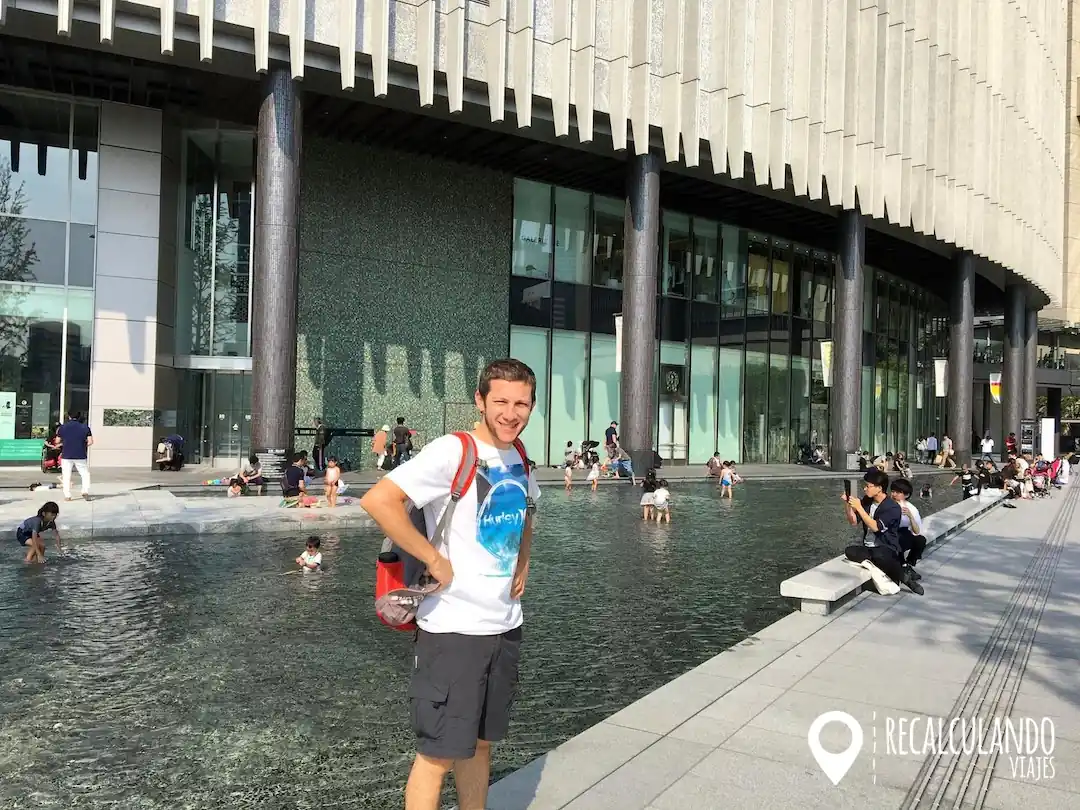
Namba Parks surprised us quite a bit. It’s a shopping center, yes, but with terraced gardens that rise like a hill filled with plants. You walk among vegetation with the city in the background, making it a great break from the chaos of Namba.
We had a wonderful time wandering through its gardens at sunset. Entrance is free, so even if you aren’t planning to shop, it’s worth checking out. It’s just a few blocks from Dotonbori, making it easy to combine.
6. Amerikamura (Amemura), shopping and youth culture
Amerikamura, or “Amemura” to locals, is Osaka’s youth culture neighborhood: vintage clothing, second-hand shops, music, street art, and plenty of places to grab a quick bite. It’s the perfect counterpoint to the temples and castles.
We poked around its streets and loved the casual vibe. If you like alternative shopping or just enjoy people-watching and browsing unique storefronts, don’t miss it. It’s next to Shinsaibashi, so it’s easy to pass by.
7. Kuromon Market, one of the things to do in Osaka for food lovers
Osaka is called “Japan’s Kitchen,” and Kuromon Ichiba Market is the proof. It’s a covered gallery full of stalls selling and cooking everything: grilled seafood, skewers, fruit, freshly made sushi.
Many travelers recommend it as an essential stop for foodies, and admission is free (you only pay for what you eat). The best idea is to go hungry and snack a little bit from various stalls. It’s very close to Dotonbori and Nipponbashi, making it easy to combine.
8. Shinsaibashi-suji, the covered shopping street
Shinsaibashi-suji is a covered shopping arcade nearly 600 meters long, always packed with people. It has everything: large department stores, Japanese brands, huge drugstores (the famous shops for souvenirs and cosmetics), and food.
We walked through it to get to Dotonbori and it’s a good place to take shelter if it rains, because it’s completely covered. Keep in mind: if you’re looking for electronics or cosmetics at a discount, you’ll find plenty here.
👩⚕️👨⚕️ A must-have for stress-free travel! 🌎✈️ ➜ Get a Quote, Compare & Buy
9. Hozenji Yokocho, the most traditional corner near Dotonbori
Just steps from the bustle of Dotonbori hides Hozenji Yokocho, a narrow cobblestone alley that feels like a different Japan: paper lanterns, small restaurants, and a mossy temple where visitors splash water to make wishes.
The contrast with the neon lights around the corner is mind-blowing. Many travelers recommend it for dining in a small local spot and experiencing a more intimate Osaka. It is free to walk through and take photos.
10. Universal Studios Japan, fun for all ages
Universal Studios Japan (USJ) is one of the most popular amusement parks in Asia, and it’s right in the city of Osaka. We dedicated an entire day to it and had an incredible time. The star is Super Nintendo World, along with the world of Harry Potter, Minions, and Jurassic Park.
A 1-day ticket (1-Day Studio Pass) starts at about 8,200 ¥ / approx 50 USD and varies depending on the date and demand. Keep in mind: tickets are not sold at the gate, so buy online in advance. You can book your ticket to Universal Studios Japan here, and if you go in high season, consider the Express Pass to skip the lines.
To get there, take the JR Loop Line to Nishi-Kujo and transfer to the Yumesaki Line to Universal City. If you have a JR Pass, the journey is included.
11. Sumiyoshi Taisha, one of the oldest shrines in Japan
Sumiyoshi Taisha Shrine is one of the oldest in all of Japan and has a unique architectural style that predates continental Buddhist influence. Its most famous image is the arched red bridge (Sorihashi) crossing a pond.
Many travelers recommend it for its tranquility and because it is very different from the temples you will see in Kyoto. Admission is free. It’s a bit outside the center, but is easily reached by tram or train if you want a more relaxed plan.
12. Abeno Harukas, the tallest skyscraper in Osaka
At 300 meters, Abeno Harukas is one of the tallest buildings in Japan. On the top floors is the Harukas 300 observation deck, with views that on clear days reach all the way to Kyoto and Kobe.
Many travelers recommend it as an alternative to the Umeda Sky Building if you want views from a higher vantage point, plus it features a shopping center and an art museum. It is right above Tennoji Station, making it super connected.
13. Tennoji: park, zoo, and Shitenno-ji Temple
The Tennoji area combines nature and culture in one place. There is Tennoji Park, the zoo, and, very close by, Shitenno-ji, considered one of the oldest Buddhist temples in Japan.
Many travelers recommend this area for a quiet morning, especially if you are traveling with children for the zoo. Walking through the park is free, and it is close to Shinsekai and Abeno Harukas, so you can easily combine them into a single day.
14. Den Den Town (Nipponbashi), one of the essential things to do in Osaka for anime fans
Den Den Town, in the Nipponbashi neighborhood, is the Osakan equivalent to Tokyo’s Akihabara: electronics shops, anime, manga, video games, figures, and otaku culture everywhere.
Many travelers recommend it if you are a fan of Japanese pop culture or are looking for electronics and collectibles. It’s right next to Kuromon and Dotonbori, so it’s easy to chain together during a walk. Even if you don’t buy anything, it’s fun to browse.
15. Nakanoshima and a walk along the river
To end on a calm note, Nakanoshima is a river island in the center of Osaka, between two arms of the river, with historic buildings, museums, and tree-lined parks. It is the most serene and elegant side of the city.
Many travelers recommend walking it at sunset or taking a boat tour along the river to see Osaka from a different perspective. It is ideal for resting your feet after so much neon and so much food.



Other things to do in Osaka (and plans with children)
If you have extra time or are traveling as a family, there are a couple of other plans worth keeping on your radar, especially in the bay area:
- Kaiyukan Aquarium: one of the largest aquariums in the world, with a giant tank where a whale shark swims. Admission starts at about 2,700 ¥ (dynamic pricing, varies by day). Many travelers recommend it as one of the best plans with kids.
- Tempozan, the bay area: next to the aquarium, there is one of the most well-known giant Ferris wheels in Japan and harbor cruises. A great late afternoon-sunset plan.
- Legoland Discovery Center: an indoor attraction designed for younger children, also in the bay area.
Keep in mind: from the Kaiyukan pier, a ferry (Captain Line) runs directly to Universal Studios, so you can combine the aquarium and the park in the same day.
Free Walking Tours in Spanish in Osaka
If you want to start by getting your bearings and hearing the city’s stories from a local guide, free tours in Spanish are a great plan for the first day: you cover the essentials and pay whatever you feel is fair at the end. There are several to choose from depending on your interests: a general free tour of Osaka, one that combines the center with Nipponbashi and Shinsekai, one dedicated to the city’s temples, and even one through the forbidden side of Osaka, for those who want to go beyond the neon.
FREE🚶♀️➡️Free tour of Osaka with a guide in Spanish ➜ Click Here🚶 — no cost, just the tip you want to leave.
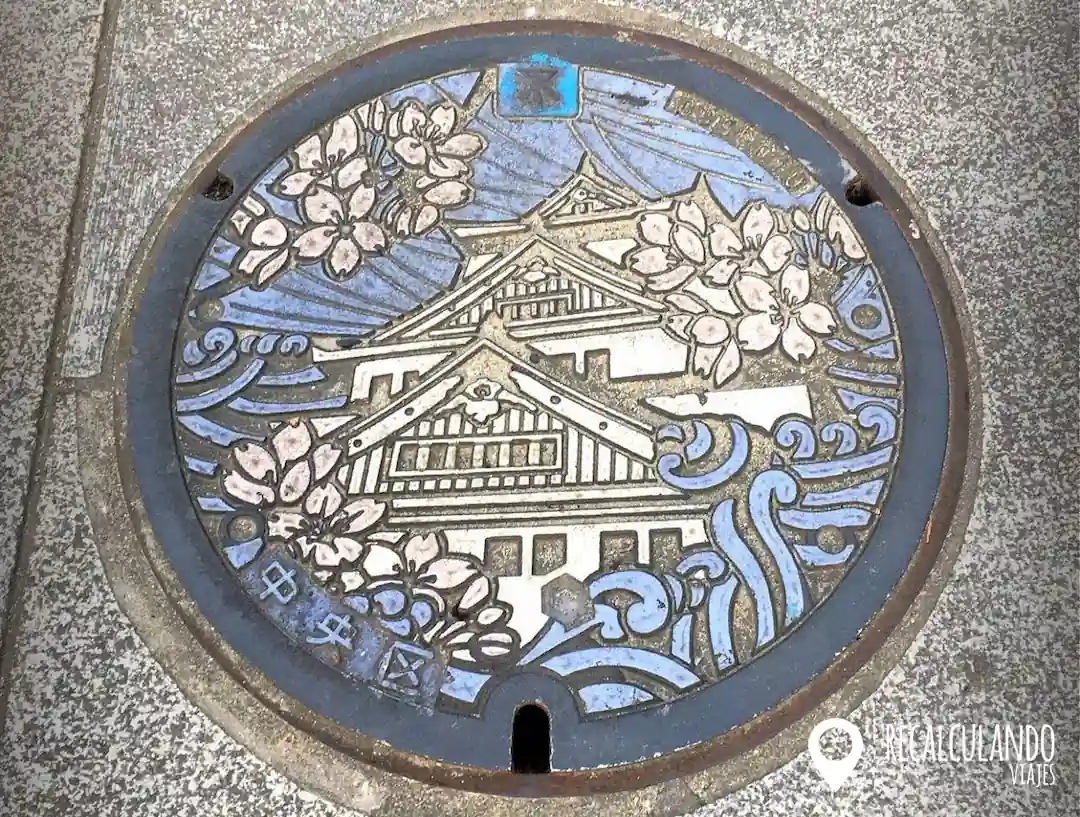
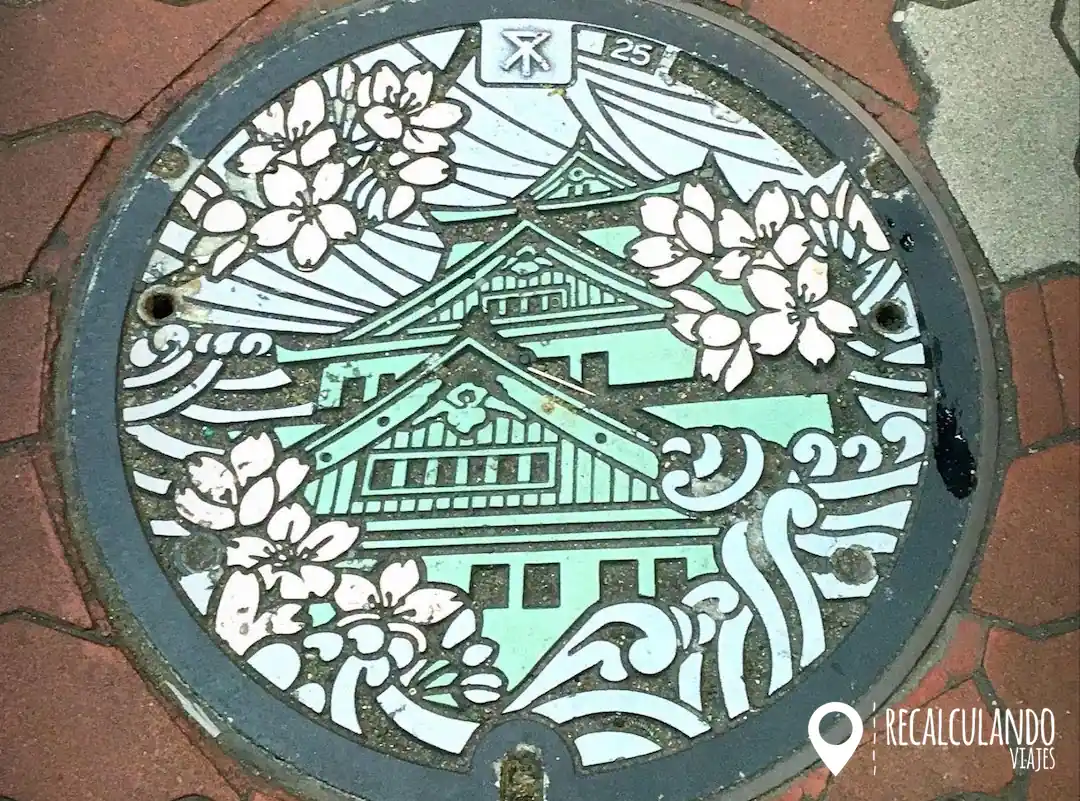
And a detail we loved: keep looking at the ground. Osaka, like much of Japan, turns its manhole covers into small works of art. The Japanese really pay attention to every detail! Many are painted in full color with the Osaka Castle, cherry blossoms, or local motifs. It seems silly, but you’ll end up hunting for them with your camera everywhere. Even the drains have style here!
What to eat in Osaka
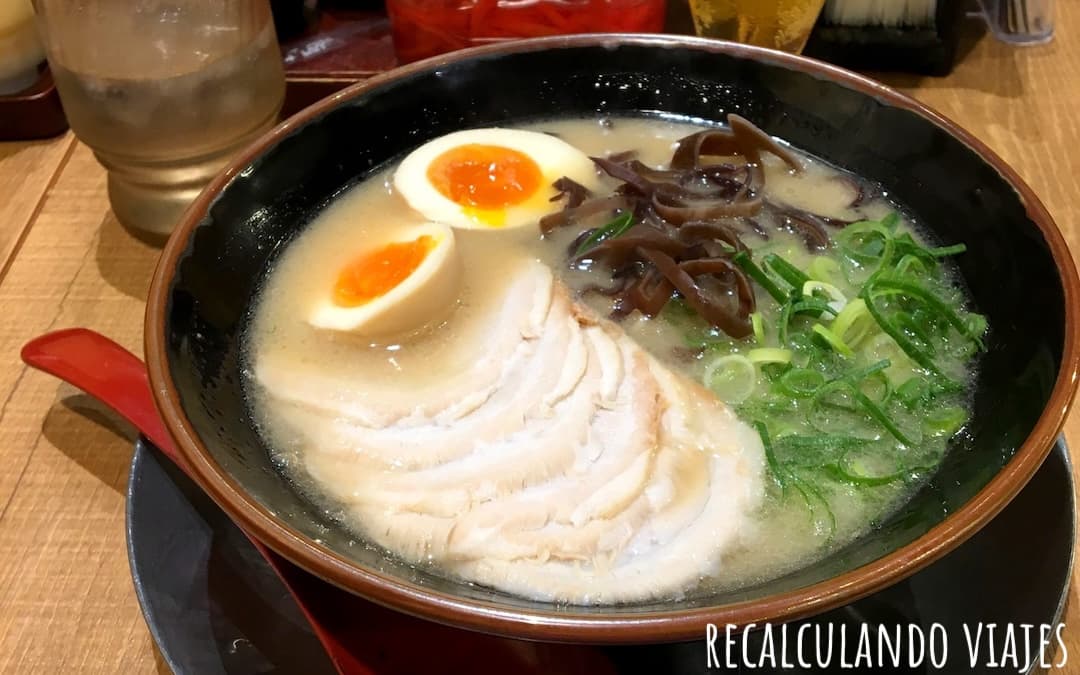
You can’t talk about things to do in Osaka without talking about what to eat, because here, food is half the city. Osakans love to eat so much that they have a word for it: kuidaore, which roughly means “eat until you drop.” And we definitely did it justice.
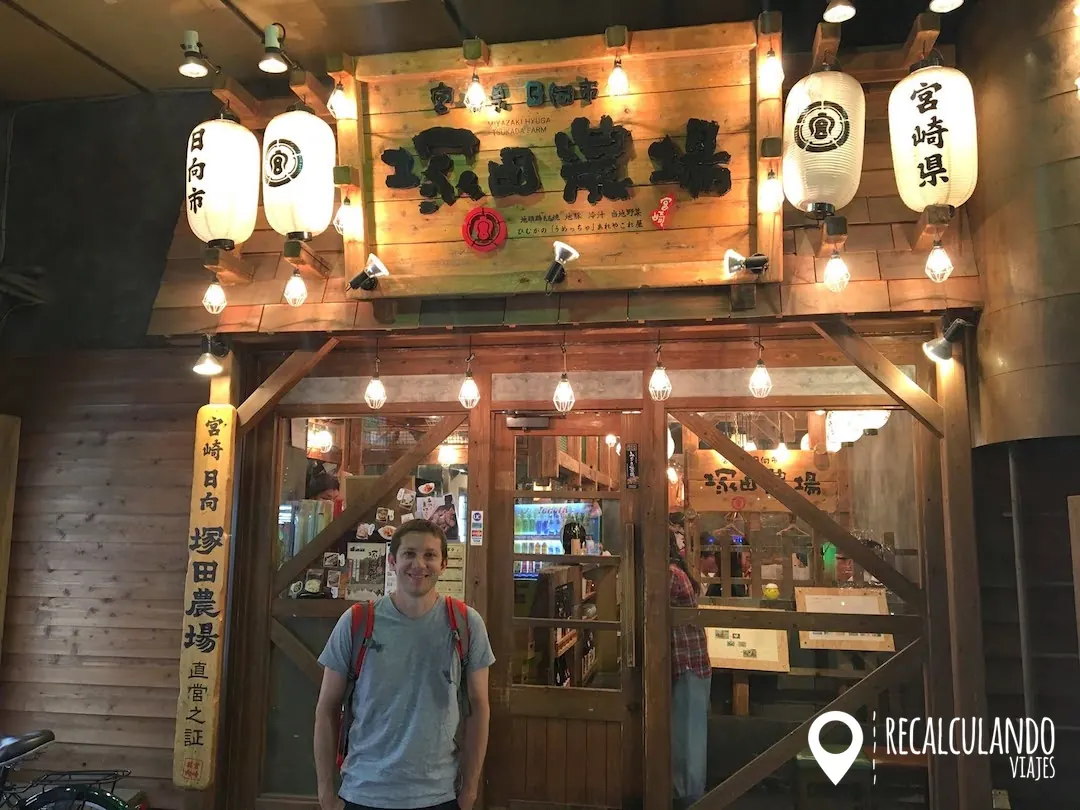
- Takoyaki: dough balls stuffed with octopus, made on a griddle with holes and flipped one by one. The city’s star street food.
- Okonomiyaki: a thick savory pancake on a griddle with cabbage, noodles, meat, or seafood, topped with sauce, mayonnaise, and dried bonito flakes. Addictive.
- Kushikatsu: breaded and fried skewers, the dish of Shinsekai. Remember the golden rule: dip in the sauce only once.
- Negiyaki: a cousin of okonomiyaki but loaded with green onion, thinner and tastier.
- Crab: Osaka is famous for its crab restaurants, easy to recognize by the giant signs in Dotonbori.
We snacked from stall to stall between Dotonbori and Kuromon Market, which for us is the best gastronomic plan in the city. If you want to delve deeper, we have our complete guide to Japanese food. And if you prefer to go with a sure thing and learn about each dish, there are food tours like this Street Food Tour or this Food Tour that are really good.
Itinerary for Osaka: 1, 2, and 3 days
So you can plan your route without wasting time, we leave you with an itinerary idea based on how many days you have. The good thing about Osaka is that almost everything is well connected by metro.
Spring (March-April, sakura) and Autumn (October-November). Summer is very humid.
2 to 3 days in the city. Add 1 or 2 more if you want Universal or excursions.
About 7,000-10,000 ¥ per day per person (excluding Universal Studios).
Japanese. Currency: Yen (¥). It’s best to always carry some cash.
Things to do in Osaka in 1 day
With one day, you can see the most iconic spots. Start with Osaka Castle in the morning, continue to Shinsekai and the Tsutenkaku Tower for kushikatsu for lunch, and in the late afternoon/evening, head down to Dotonbori, Shinsaibashi, and Amerikamura. Finish with the illuminated Dotonbori. Intense but complete.
Things to do in Osaka in 2 days
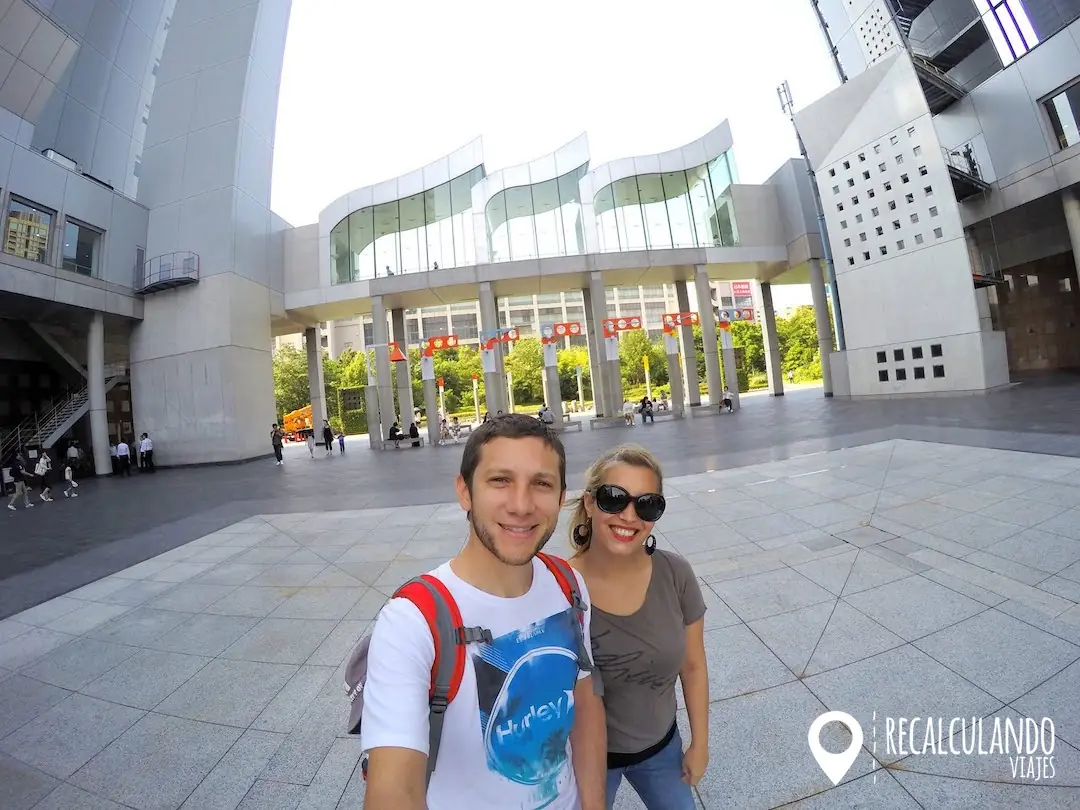
With two days, you can add the Umeda Sky Building at sunset, Kuromon Market at a leisurely pace, and the Namba Parks and Nakanoshima area. The second day is also ideal for dedicating a full day to Universal Studios if you are interested in the park.
Things to do in Osaka in 3 days
With three days, you have room to breathe. Add the bay area (Kaiyukan Aquarium and Tempozan), Sumiyoshi Taisha, and Tennoji, or use the third day for an excursion to Nara, Kyoto, or Himeji, which are just a step away. Further down, we tell you about the best getaways.
Map of things to do in Osaka
To help you organize your visit at a glance, we leave you with a map containing all the places we mentioned. This way, you can group them by area and plan your route without wasting time.
Where to stay in Osaka
The best area to stay is Namba / Shinsaibashi: you are steps away from Dotonbori, with a metro for everywhere, and tons of restaurants around the corner. It is the ideal option if it’s your first time in the city. If you prefer something quieter and well-connected for reaching trains, Umeda (around Osaka Station) is another great option, especially if you are going to take day trips. And if you are traveling on a low budget, the Shinsekai / Shin-Imamiya area is usually more affordable and still well-connected.
We used this search engine to compare prices of hotels and apartments in the best areas of Osaka:
👉 Search for accommodation in Osaka at the best price
Keep in mind: in sakura season (end of March and beginning of April) and in autumn, hotels sell out and prices go up, so it is advisable to book well in advance.
Where to Stay in Osaka: Map and Prices
On the map below, you can move, zoom, and filter by your dates to see real accommodation prices in Osaka:
How to get around Osaka
Getting around Osaka is very easy: the metro and JR trains take you to almost all the places in this guide. To avoid buying individual tickets, the most comfortable option is a rechargeable ICOCA card (the local version of Suica), which you use by tapping it at the turnstile both in the metro and in many shops and machines.
If you plan to enter several paid attractions on the same day, consider the Osaka Amazing Pass. A one-day pass costs about 3,500 ¥ and includes unlimited transport plus free entry to a lot of places (Osaka Castle, Umeda Sky Building, Dotonbori cruise, Tsutenkaku Tower, among others). Keep in mind: with two or three paid attractions and some metro rides, you already break even. You can book the Osaka Amazing Pass here. Just be careful: Universal Studios and the Kaiyukan Aquarium are not included and must be paid for separately.
If you are also going to travel between cities by bullet train, check if the JR Pass is worth it for you, although within Osaka, the metro is usually enough.
How to get to Osaka
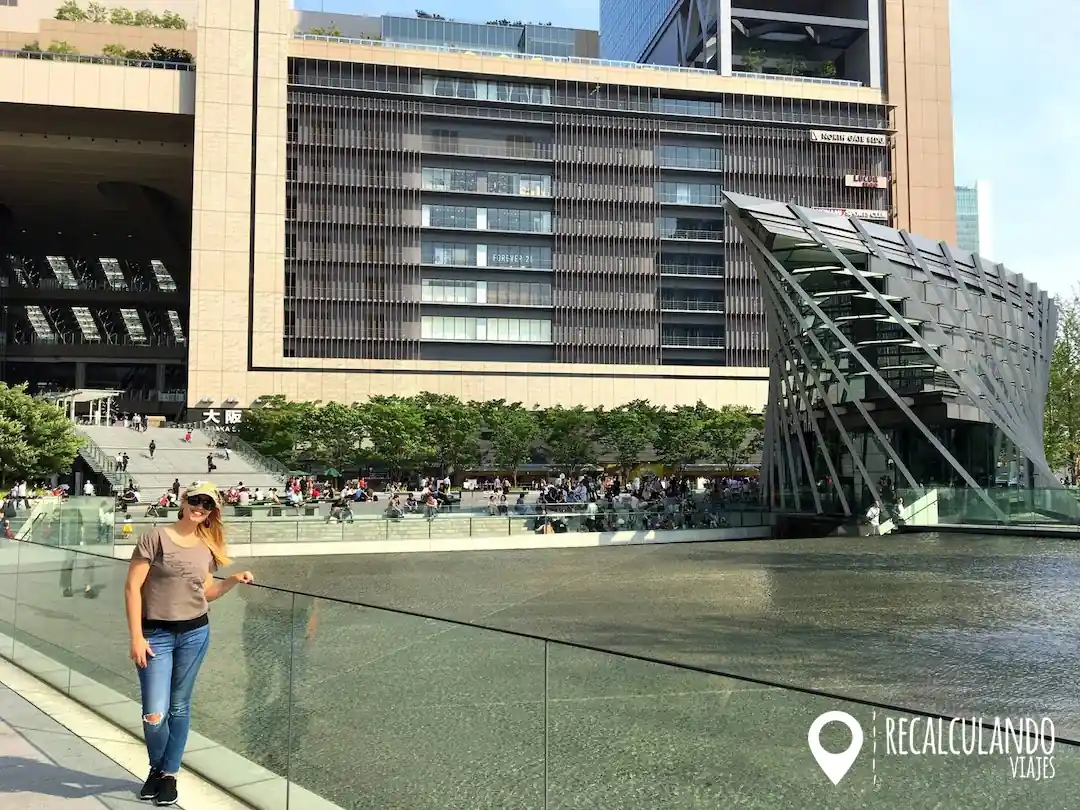
Most people arrive via Kansai International Airport (KIX), about 50 km from the center. From there, you can take the Haruka express train, the Nankai Rapi:t, or a direct bus to Namba or Umeda in less than an hour.
If you are coming from other cities in Japan, the Shinkansen (bullet train) is the most comfortable way. From Kyoto, it’s just 15 minutes to Shin-Osaka, and from Tokyo about 2.5 hours. If you have the JR Pass, many of these journeys are included.
Internet in Osaka (and throughout Japan)
Something you shouldn’t leave until the last minute is the connection. In Japan, you will depend on your cell phone for maps, train schedules, and translators, so it is best to arrive with internet resolved from the airport.
The most practical option today is an eSIM: you activate it before traveling and, the moment you land, you have data without having to search for anything. It is more comfortable than pocket wifi (which needs to be charged and returned) and cheaper than roaming. You can get your eSIM for Japan here. Keep in mind: for a trip of several days through the country, calculate a plan with generous data, because maps consume quite a bit.
Travel insurance for Osaka
Japan is a very safe country, but medical care is very expensive for foreigners, and for some reason, they may ask for insurance upon entry. That is why we never travel without it. We use IATI and, for being Recalculando readers, you have a permanent 5% discount.

Excursions from Osaka
One of the great advantages of Osaka is its location for making day trips. These are the ones most worth it:
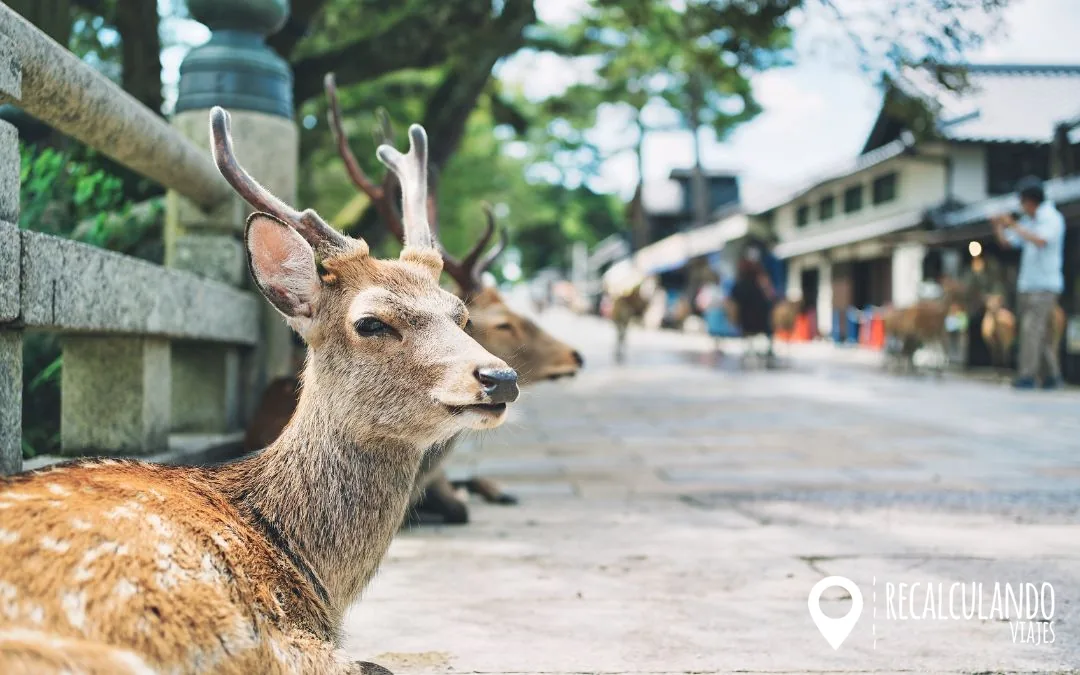
- Nara: 45 minutes away, famous for its free-roaming deer and the Great Buddha. We tell you everything in our guide on things to do in Nara.
- Kyoto: 15 minutes by train. Impossible not to escape to the ancient capital, even if it’s just for the day. Guide with all the info on things to do in Kyoto.
- Himeji: the most beautiful castle in Japan, a World Heritage Site, just over an hour away by Shinkansen.
- Kobe: 30 minutes away, ideal for trying the legendary Kobe beef and strolling through its harbor.
- Hiroshima and Miyajima: an intense but unforgettable day. Miyajima Island, with its floating torii, stole our hearts; check out our guide on things to do in Miyajima.
- Takayama: a town in the Japanese Alps with a beautiful historic district. We show it to you in things to do in Takayama.
And if you continue planning your route through the country, don’t miss our guide on things to do in Tokyo to complete the trip.
Frequently asked questions about Osaka
How many days are needed to see Osaka?
2 or 3 days are enough to see the essentials of the city. If you want to add Universal Studios or excursions to Nara, Kyoto, or Himeji, calculate 4 or 5 days so you aren’t rushing.
What is the best time to visit Osaka?
Spring (March-April, with cherry blossoms) and autumn (October-November, with leaf colors) are the best. Summer is very hot and humid, and winter is cold but quiet and cheaper.
Is it better to use Osaka or Kyoto as a base?
Osaka is more comfortable and affordable for sleeping, with better nightlife and gastronomy, and from here you can reach Kyoto in 15 minutes. Kyoto is more traditional but is usually more expensive. Many travelers choose Osaka as a base and go to Kyoto for the day.
Where to stay in Osaka if it’s your first time?
The Namba and Shinsaibashi area is the best for a first-timer: you are steps from Dotonbori, with a metro for everywhere and restaurants everywhere. Umeda is a good alternative if you are going to take many train excursions.
How much does it cost to enter Osaka Castle?
Entry to the main tower costs 1,200 ¥ per adult (price increased in April 2025). Children under 15 enter for free and the park surrounding the castle is free to access, so you can walk around and take photos without paying.
Is the Osaka Amazing Pass worth it?
Yes, if you plan to enter three or more paid attractions in the same day and use the metro a lot. It includes unlimited transport plus free entry to places like Osaka Castle, the Umeda Sky Building, or the Dotonbori cruise. Universal Studios and the Kaiyukan are not included.
What typical food should I try in Osaka?
The must-try is takoyaki (octopus balls), okonomiyaki (savory pancake), kushikatsu (fried skewers) from Shinsekai, and negiyaki. Osaka is the gastronomic capital of Japan, so come hungry.
How can I get internet in Japan?
The most practical option is an eSIM: you activate it before traveling and have data as soon as you land. It is more comfortable than pocket wifi and cheaper than roaming. For a trip of several days, a plan with a good amount of data is worthwhile.
Is Osaka safe for tourists?
Yes, Osaka is very safe, even at night. Still, it is advisable to use common sense and have travel insurance, because health care for foreigners in Japan is very expensive.
Is Universal Studios Japan in Osaka?
Yes, USJ is within the city of Osaka, in the bay area. You can get there by train in about 15-20 minutes from Osaka Station, and it is best to buy tickets online because they are not sold at the gate.
Conclusion
These are, for us, the 15 things to do in Osaka that you can’t miss. A city that mixes castles, neon, street food, and the warmest people in Japan. It left us wanting to return, and we are sure you will feel the same way.
Plan your route with the map, book in advance in Namba or Umeda, and let yourself be carried away by the gluttonous and cheeky rhythm of Osaka. Have a great trip!
More official info on the Osaka tourism website: OSAKA-INFO.
Other articles for your trip to Japan
- Japanese Food: The 2026 Guide with 10 Incredible Secrets to Enjoy its Cuisine
- Things to do in Kanazawa Japan: The Essential Guide for Not Missing a Thing in…
- Things to do in Nara Japan: 10 Must-Visit Places You Can’t Miss + Map
- Things to do in Miyajima: the ultimate guide to Japan’s most magical…
- 15 essential things to do in Japan (with map)
- Things to do in Hiroshima: 12 Must-See Places + Miyajima (2026 Guide)
- Things to do in Shirakawa-Go: The Incredible UNESCO Heritage Village You…
- Things to do in Kyoto: 15 Must-Visit Places in Japan’s Ancient Capital
ℹ️ **Total Transparency**
This article contains affiliate links. If you book through these links, we may receive a small commission at no additional cost to you. We only recommend services we use on our trips and trust. This helps us keep this blog free and continue creating useful content for you. Thanks for your support!
🔗 Resources & Useful Links for your trip to Osaka
Do you have questions or want to add your own recommendations on things to do in Osaka?
💬 Leave a comment or write to us, we love reading other travelers’ experiences.
Thank you very much for being part of this adventure!— Nanu & Facu 🌎 | Recalculando Viajes 💜