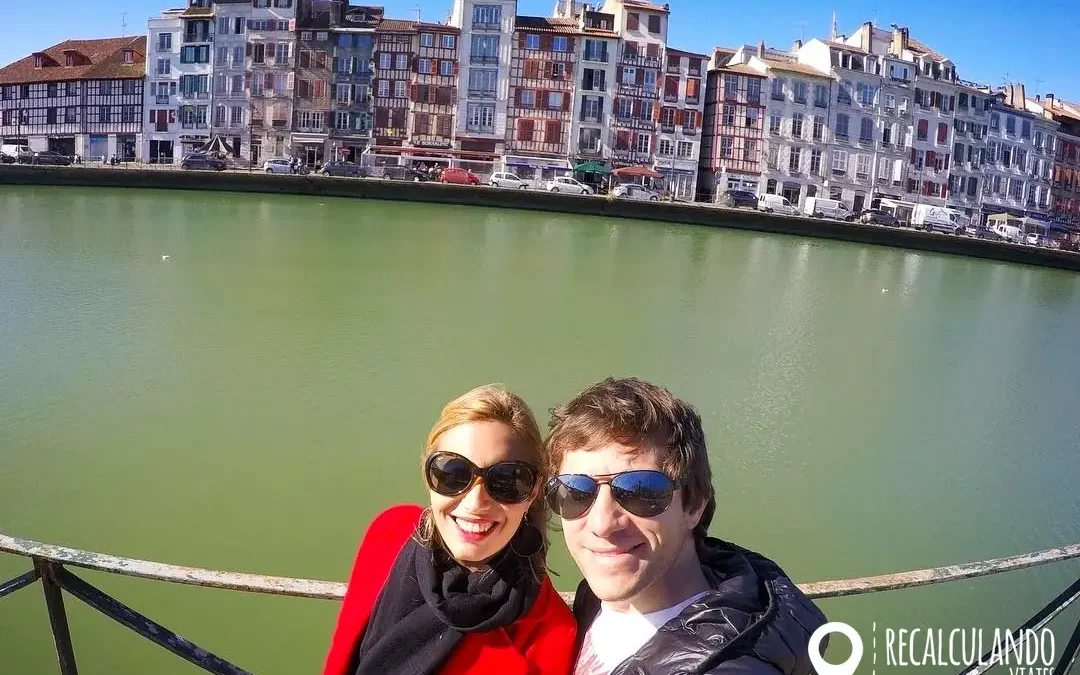
If you are planning things to do in Bayonne France, let us tell you that this Basque city hides much more than meets the eye. We visited it on a day trip from Bordeaux, where we lived for almost two months, and we were completely surprised. Narrow streets full of color, an imposing Gothic cathedral, markets with products from the French Basque Country, and an atmosphere that uniquely blends the French with the Basque. If you only have one day, it is more than enough to fall in love with Bayonne.
In this guide, we tell you everything we saw, the places you cannot miss, how to get there, where to eat, and some practical tips to make the most of your visit.
🌍 Travel Insurance: 5% Off with IATI Seguros! 🌟
Take advantage of this offer and travel safe.
Summary: Things to do in Bayonne
| Question | Answer |
|---|---|
| How many days are needed? | With 1 day you can cover the essentials, but 2 days are ideal to enjoy the historic center and its surroundings at a leisurely pace. |
| Is it worth visiting Bayonne? | Yes, especially if you like history, Basque architecture, and gastronomy. It is a city with a lot of charm and less touristy than other nearby ones. |
| When is the best time? | Spring and summer are ideal due to the weather and lively atmosphere. In summer, the famous Bayonne festivals are also celebrated. |
| Is it an expensive destination? | Moderate. It is more accessible than other destinations in the south of France, although prices rise in high season. |
| Can it be explored on foot? | Yes, the center is compact and easy to walk around, ideal for strolling through historic streets and along the river. |
| Where is the best place to stay? | In the historic center to be close to everything, or in nearby areas if you are looking for cheaper and quieter options. |
| What are the must-see things in Bayonne? | Sainte-Marie Cathedral, the old town, the banks of the Nive, the Les Halles market, and the chocolate streets. |
Why visit Bayonne: a city that has it all
Bayonne (Bayonne in French, Baiona in Basque) is the historic capital of the French Basque Country, located in the Pyrénées-Atlantiques department. With about 50,000 inhabitants, it is a small city but tremendously rich in history, gastronomy, and culture. It is located at the confluence of the Nive and Adour rivers, which gives it a very particular urban landscape.
Although many travelers overlook it in favor of Biarritz—which is just 8 km away—, Bayonne has an authenticity that its coastal neighbor has partly lost. Here you can find the most famous artisanal chocolate in France, Bayonne ham which has a Protected Geographical Indication, and a cathedral that ranks among the most beautiful in the French southwest.
For those traveling through the region, Bayonne is also an excellent base to explore the Camino de Santiago (the Via Turonensis passes through here) and the surroundings of the French Basque Country.
How to get to Bayonne from Bordeaux and other cities
We went from Bordeaux by car and it was very comfortable. You can also go by train; the TGV connects both cities in less than two hours, with frequent departures from the Gare Saint-Jean. By booking in advance, you can find very affordable tickets. If you are coming from Paris, the train trip also takes about two hours, thanks to the high-speed line.
Options to get to Bayonne
- By train from Bordeaux: Approx. 1h 45min. Hourly departures from Gare Saint-Jean.
- By train from Paris (Montparnasse): 2h to 2h 30min by TGV.
- By car from Bordeaux: About 180 km along the A63, approximately 1h 45min.
- By bus: FlixBus and BlaBlaBus connect Bayonne with several French cities at lower prices, although the trip is longer.
The Bayonne train station (Gare de Bayonne) is very close to the historic center, about a 15-minute walk crossing the Adour river. Once in the center, everything is walkable.
Things to do in Bayonne in one day: the must-sees
With a full day in Bayonne, you can see all the essentials without rushing. The historic center is compact and easily explored on foot. Here is our recommended route:
1. Sainte-Marie Cathedral (Cathédrale Sainte-Marie)
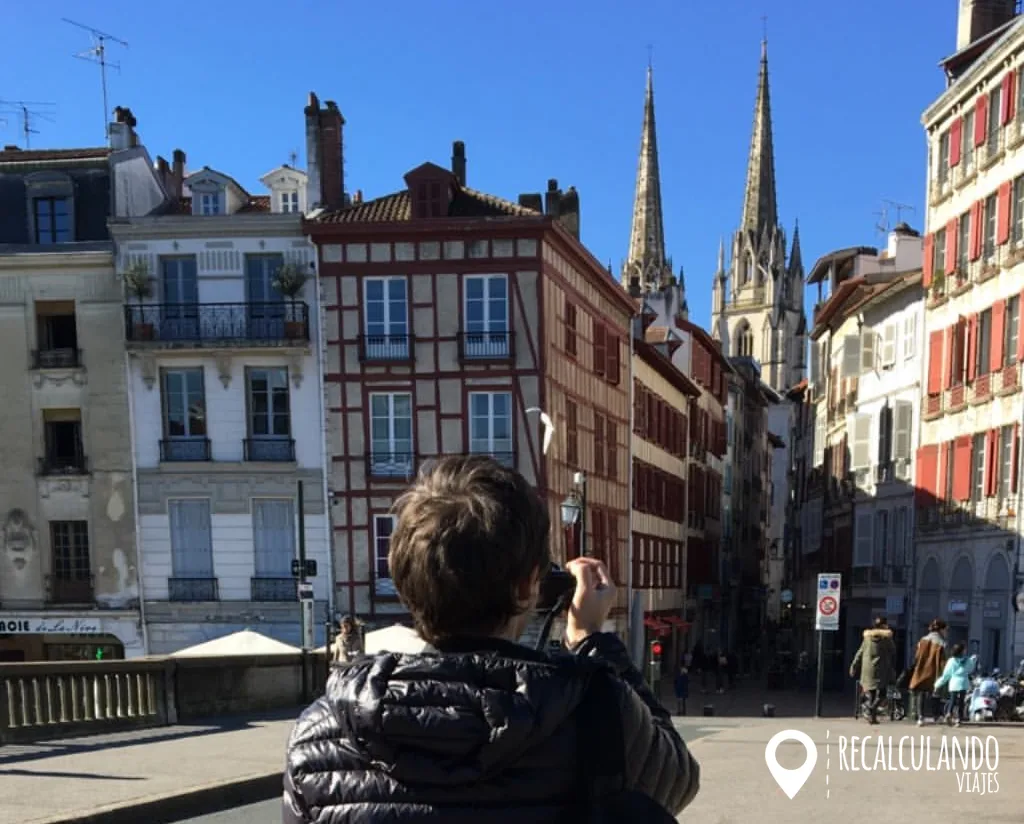
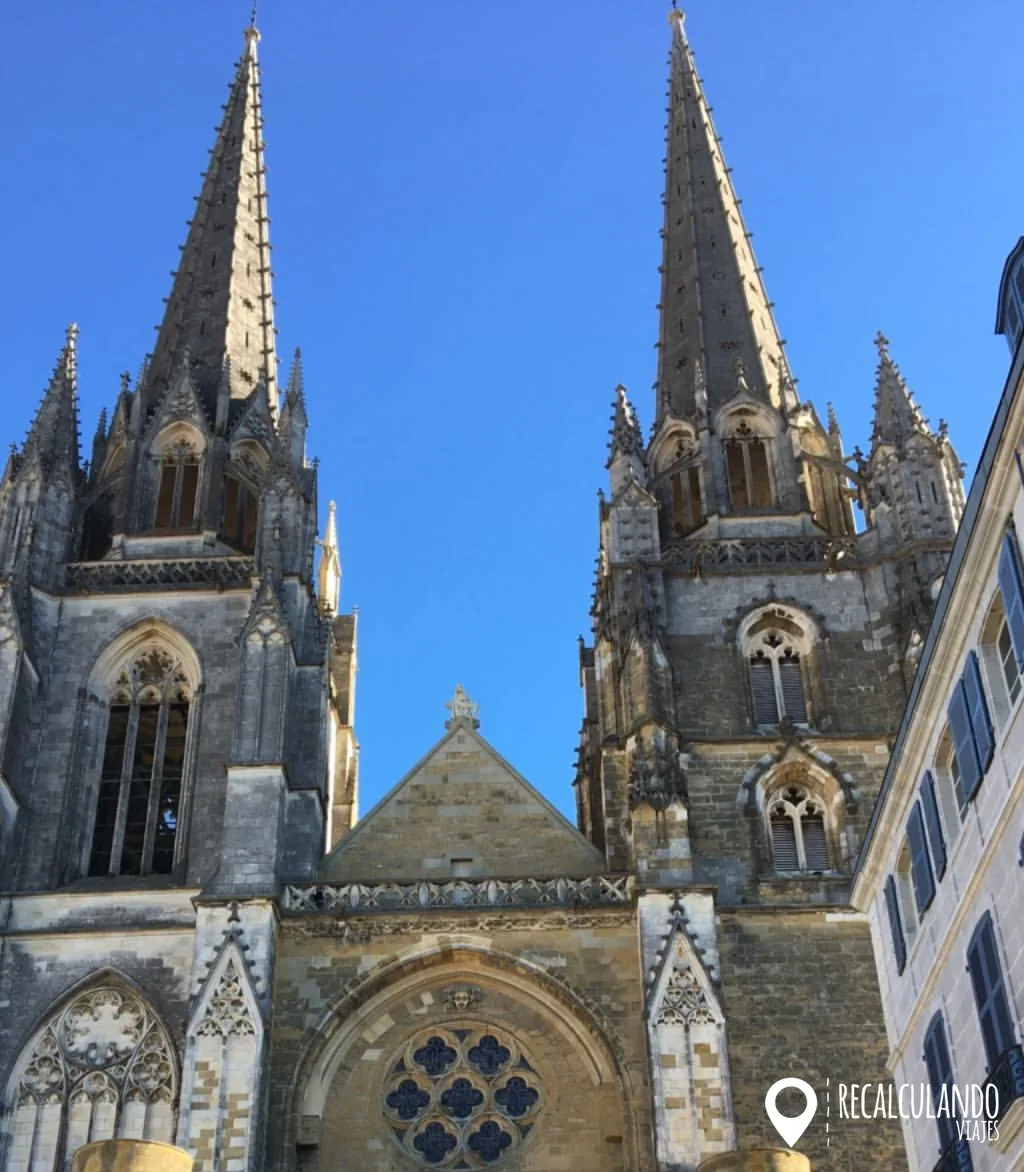
The first place we visited upon arrival was the cathedral, and for good reason: it is the most iconic monument in Bayonne. Built between the 13th and 16th centuries in the Gothic style, its twin towers are visible from several points in the city and have become the symbol of Bayonne. The interior is sober but elegant, with medieval stained glass windows that deserve attention.
What caught our attention the most was the Gothic cloister attached to the cathedral.
2. The Grand Bayonne district and its colorful streets
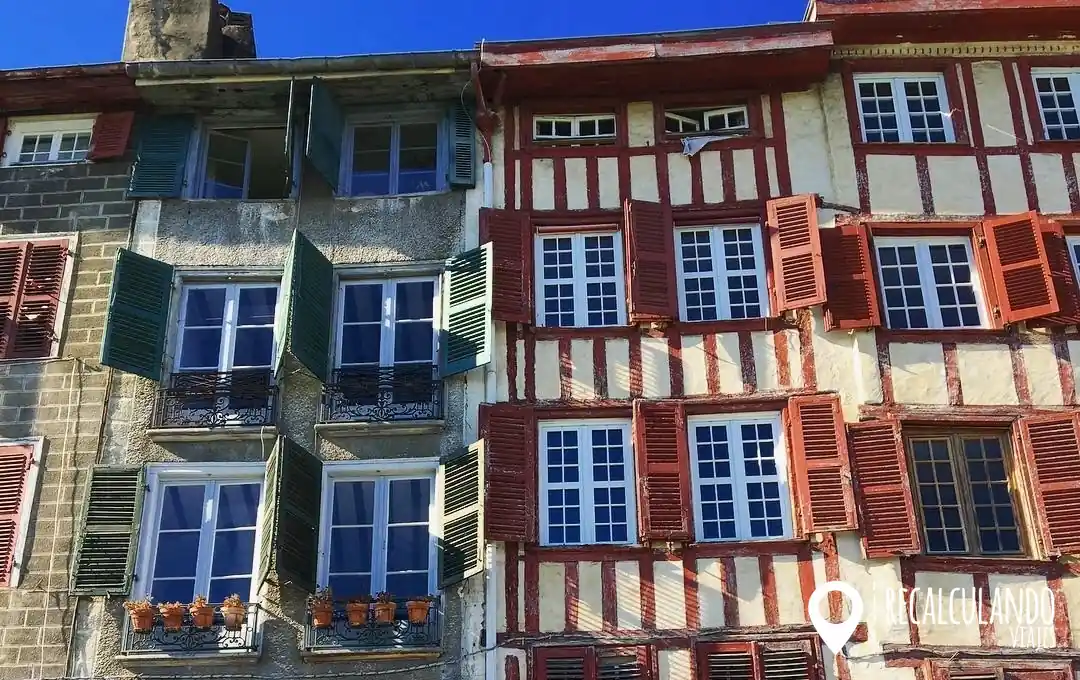
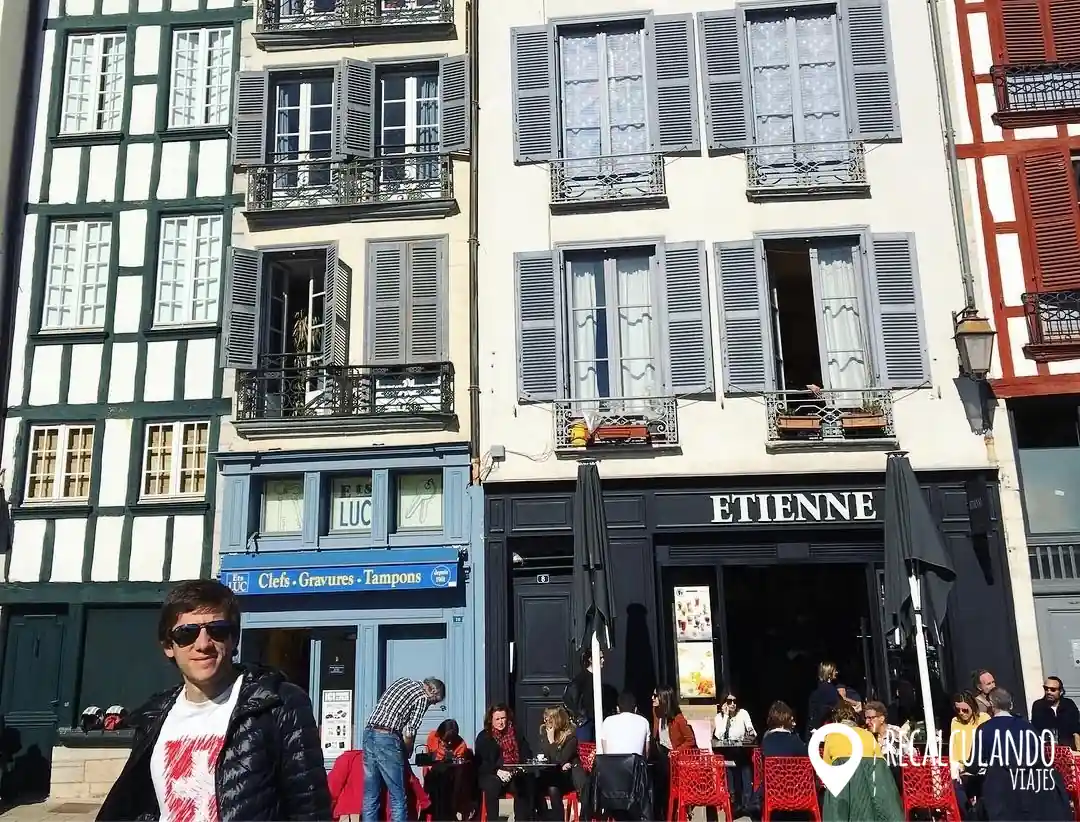
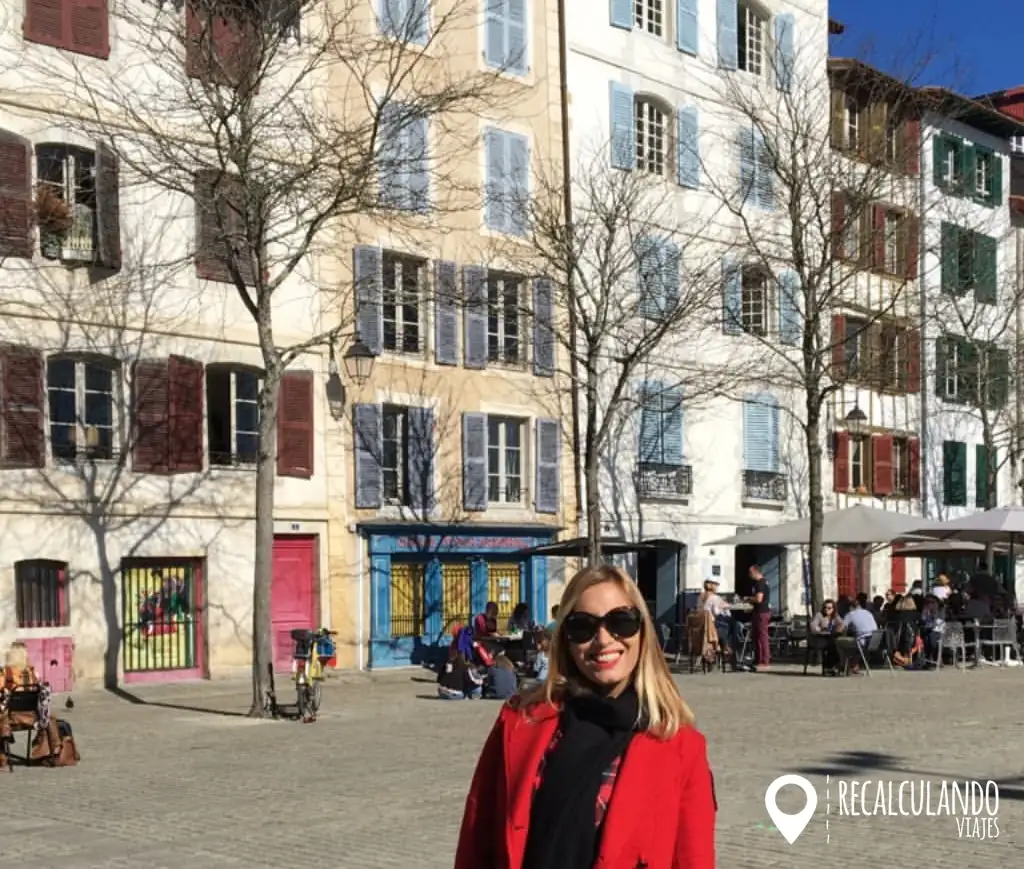
The heart of Bayonne is the Grand Bayonne district, the walled historic quarter where most of the commercial and gastronomic activity is concentrated. Its narrow streets are lined with beautiful Basque-style houses: white facades with timber framing painted in red, green, or blue, with flower-filled balconies. It is an ideal neighborhood to get lost in without a fixed destination.
The main axis is the Rue du Port Neuf, also known as the chocolate street, where the oldest and most famous chocolate shops in the city are concentrated. Later, we will tell you why Bayonne and chocolate have a special history.

3. The Petit Bayonne district and its museums
Crossing the Nive river, you reach the Petit Bayonne district, more bohemian and with more bars and restaurants. This neighborhood has two museums that may be of interest to you:
- Musée Basque et de l’Histoire de Bayonne: The best museum to understand Basque culture and the history of the city. With pieces ranging from traditional tools to clothing and historical documents.
- Musée Bonnat-Helleu: A fine arts museum with an important collection that includes works by Rubens, El Greco, and Goya, among others. The building itself has very beautiful architecture.
4. The banks of the Nive
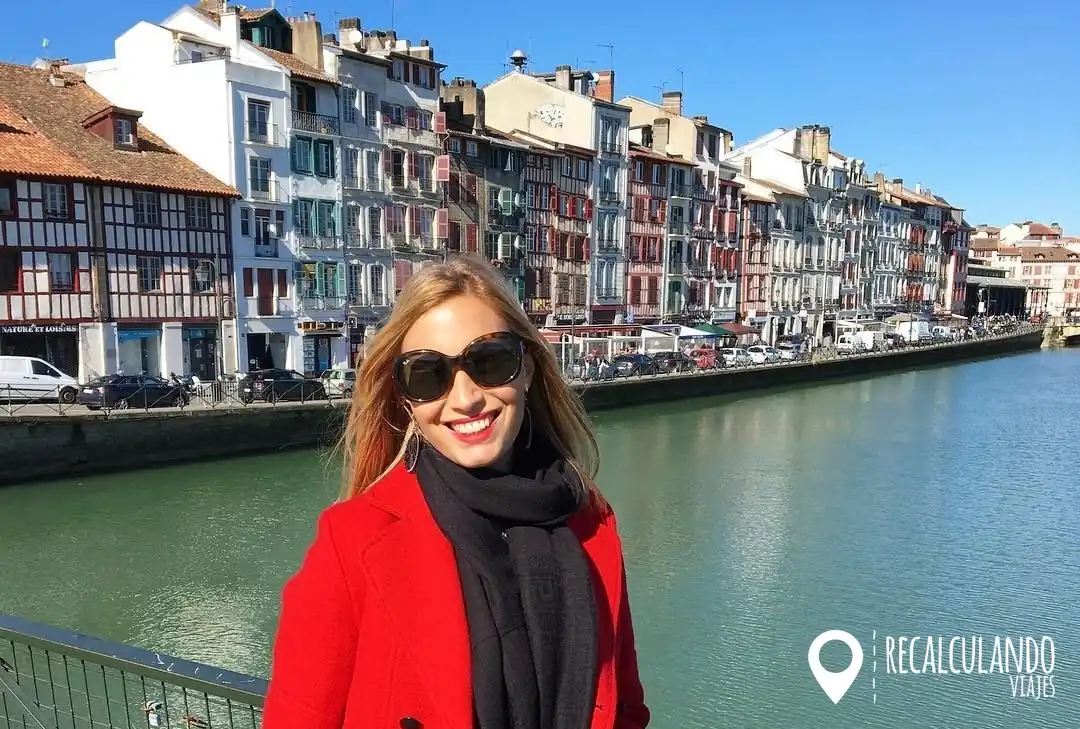
One of the most iconic postcards of Bayonne is the colorful houses reflected in the Nive river, especially from the bridges that connect Grand Bayonne and Petit Bayonne. A stroll along the Quais du Nive (the banks of the Nive) is essential, especially first thing in the morning or at sunset when the light is most photogenic.
The quays are also full of bar and restaurant terraces, perfect for a coffee while watching the river flow by. In high season, the atmosphere is very lively.
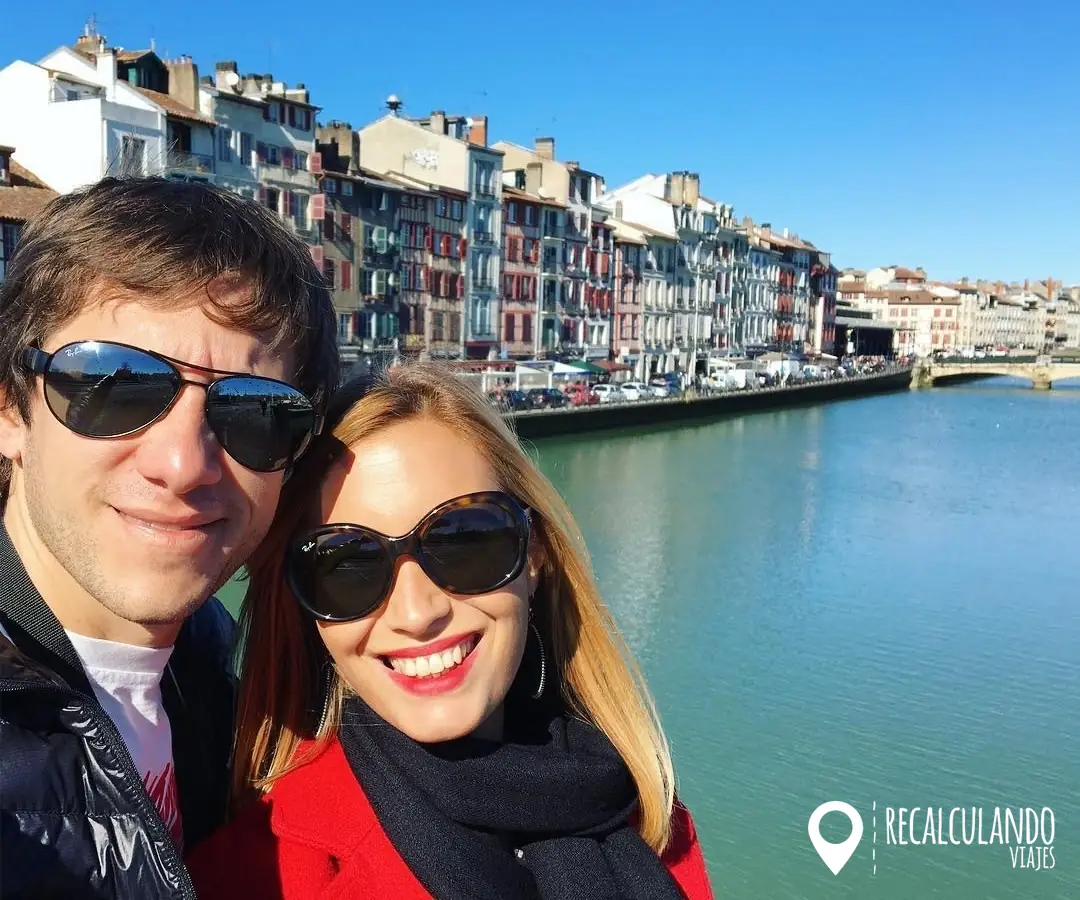
The banks of the river are full of bars and restaurants. It is an ideal place to have a drink and enjoy the charming views of the city.
5. The walls and historic gates
Bayonne preserves part of its medieval defensive system, with sections of walls and several historic gates. The most visited are the Porte de France and the Porte d’Espagne, which once controlled access to the city from the south. Walking through the gardens of the Château-Vieux (a medieval castle converted into a military installation, not visitable) and seeing the walls is an easy way to understand the strategic importance that Bayonne had throughout the centuries.
6. Les Halles market
If there is one thing you cannot miss, it is the Bayonne covered market, Les Halles, located in the Petit Bayonne district. It is one of the most authentic markets in the French Basque Country: vendors selling the famous Bayonne ham, sheep cheese, Espelette peppers, foie gras, Basque chorizo, and of course, chocolate in all its forms.
We went in the morning, and it was an incredible gastronomic experience. The market is usually open every day, with more activity on weekends. If you want to take home something typical from Bayonne, this is the place.



Bayonne chocolate: a unique history in France
Bayonne holds the title of being the first city in France where chocolate was made. The history dates back to the 17th century, when Sephardic Jews expelled from Spain and Portugal settled in the city, bringing with them the knowledge of cocoa production that they had learned in the American colonies.
Today, the chocolate tradition is very much alive. On Rue du Port Neuf, there are several artisanal chocolate shops that have been in business for generations. Some of the most well-known are Daranatz, Puyodebat, and Cazenave. In all of them, you can buy bars, chocolates, and also drink thick hot chocolate in their tea rooms. It is an experience we recommend to any traveler arriving in Bayonne.
There is even a Festival du Chocolat that is celebrated every year in the fall and attracts thousands of visitors. If you are traveling at that time, don’t miss it.
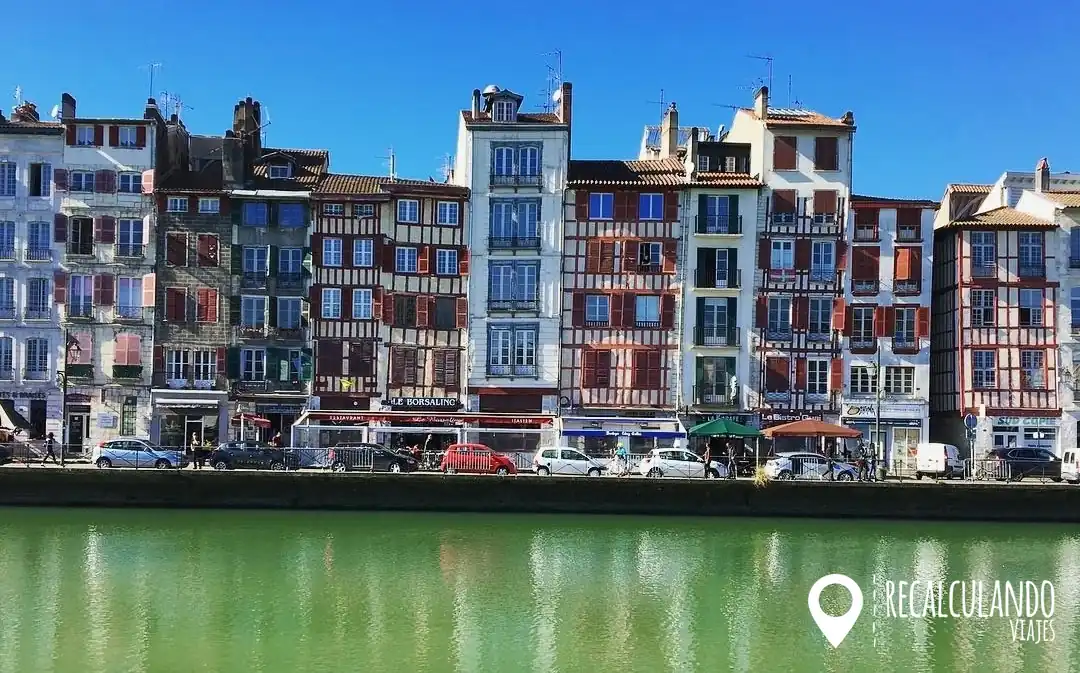
Walking along the banks of the Nive River. It separates the two districts of the city: Grand Bayonne and Petit Bayonne.
👩⚕️👨⚕️ A must-have for stress-free travel! 🌎✈️ ➜ Get a Quote, Compare & Buy
Where to eat in Bayonne: Basque gastronomy at its best
The gastronomy of the French Basque Country is one of the richest in all of France. In Bayonne, you can find everything from pintxos bars (the Basque version of tapas) to traditional cuisine restaurants with top-quality products.
What to eat in Bayonne
- Bayonne ham (Jambon de Bayonne): The star product. PGI since 2016, it is cured for a minimum of 7 months with salt from Salies-de-Béarn. You have to try it no matter what.
- Pintxos: The bars in the Petit Bayonne district serve all kinds of pintxos. The liveliest street for this is the Rue des Cordeliers.
- Axoa: Traditional Basque stew made with minced veal and Espelette peppers (a spicy touch). Very tasty and hearty.
- Gateau Basque: Traditional Basque cake filled with pastry cream or black cherry jam from Itxassou.
- Ttoro: A fish and seafood soup typical of the area, similar to bouillabaisse but with its own identity.
To eat well without spending too much, the pintxo bars in the Petit Bayonne district are the best option. For 15-20 euros per person, you can eat very well. If you want something more formal, the restaurants on the Quais du Nive have good offerings with a view of the river.

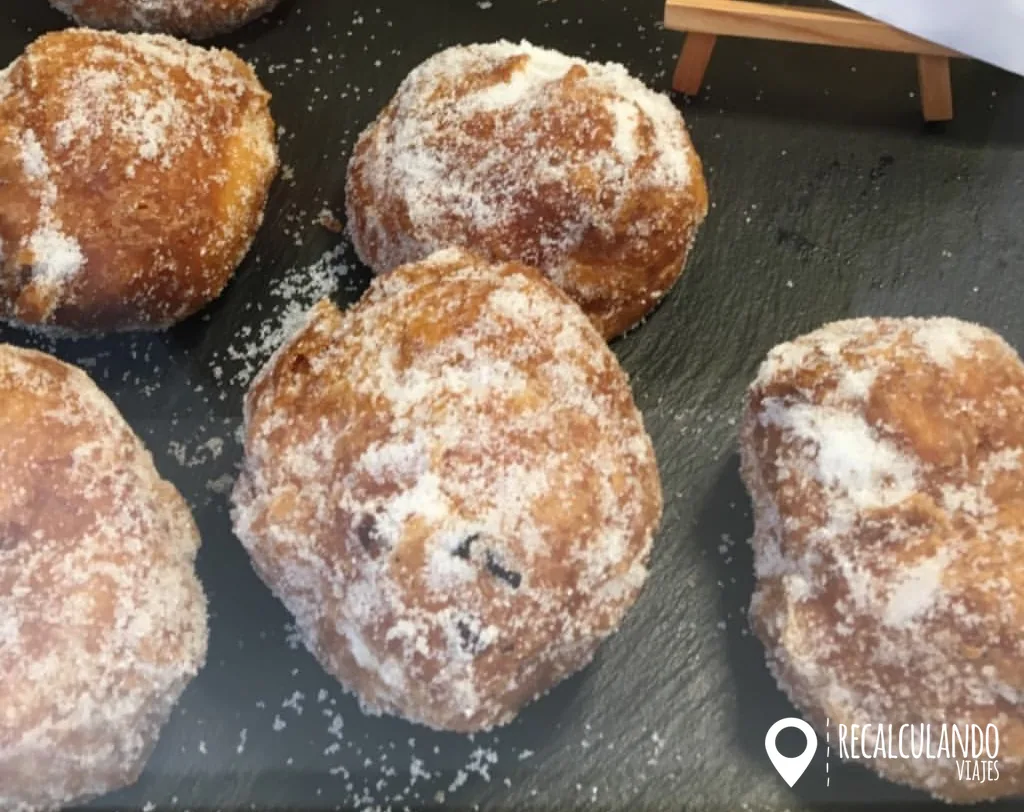
Carnival beignets – Bayonne
Bayonne and surroundings: excursions for an extra day
If you can stay more than one day or want to combine Bayonne with the surroundings, there are several excellent options a very short distance away:
- Biarritz (8 km): The most glamorous seaside city on the French Atlantic. Perfect to combine with Bayonne on the same day.
- Saint-Jean-de-Luz (20 km): A fishing village with one of the most beautiful beaches in the French Basque Country.
- Espelette (25 km): The village of the red pepper found in all Basque dishes. The facades loaded with garlands of red peppers are a unique postcard.
- Hendaye (15 km): The border with Spain. You can cross over and reach Irun or San Sebastian in a very short time.
For more inspiration, check out our complete guide to France where we gathered all our favorite destinations.
When to go to Bayonne: the best time to visit
Bayonne has good weather almost all year round, although autumn and spring are the most pleasant times to visit. In summer (July and August), there are more tourists and prices rise, but the atmosphere is very lively. In winter, it is cold and rains quite a bit—it is the Basque Country, after all—but the city is much quieter and more authentic.
The two most important events of the year are:
- Fêtes de Bayonne (July/August): One of the biggest festivals in the French southwest, with bullfights, concerts, and a completely festive atmosphere. The city is filled with people dressed in white and red. If you travel on those dates, book accommodation well in advance.
- Festival du Chocolat (October): Ideal for chocolate lovers. Tastings, exhibitions, and demonstrations by chocolatiers from all over the world.
Where to stay in Bayonne
If you decide to stay overnight in Bayonne—something we recommend for those who want to explore the surroundings at a leisurely pace—the best areas are the Grand Bayonne and Petit Bayonne districts. That way you have everything within walking distance.
Recommended accommodation in Bayonne:

Where to Stay in Bayonne: Map & Prices
Travel insurance for touring France
Before heading out to explore the French southwest, make sure you have good travel insurance. We always travel with IATI Insurance, which has excellent coverage for Europe and you can also get a 5% exclusive discount using our link. If you don’t know which one to choose, read our guide on the best travel insurance for Europe where we compare the most complete options.

Bayonne map with the must-see points

Frequently asked questions about things to do in Bayonne France
How much time do I need to visit Bayonne?
With a full day, you have enough to see the main attractions: the cathedral, the historic districts, the market, and the banks of the Nive. If you want to visit the museums at a leisurely pace and explore the surroundings, two days are ideal.
Things to do in Bayonne in one day if I have little time?
Prioritize the Sainte-Marie Cathedral, a walk along the Rue du Port Neuf (chocolate street), the banks of the Nive, and the Les Halles market. In four hours, you can see the essentials.
How to get to Bayonne from Bordeaux?
The most comfortable option is the train. From the Gare Saint-Jean in Bordeaux, there are frequent departures and the trip takes approximately 1 hour and 45 minutes. You can also go by car along the A63 in a similar time.
Is Bayonne close to San Sebastian?
Yes, Bayonne is about 50 km from San Sebastian (Donostia). By car, it is less than 45 minutes on the highway. You can also reach it by train with a connection in Hendaye, although the route is somewhat longer.
What is typical to buy in Bayonne?
Bayonne ham, artisanal chocolate, Espelette peppers (although these are more from Espelette), Ossau-Iraty sheep cheese, and the Gâteau Basque are the most representative gastronomic souvenirs.
Is Basque spoken in Bayonne?
Bayonne is part of the French Basque Country, so the Basque language is present on signs and among part of the population, although French is the main language. In the most traditional neighborhoods, you can hear conversations in Basque.
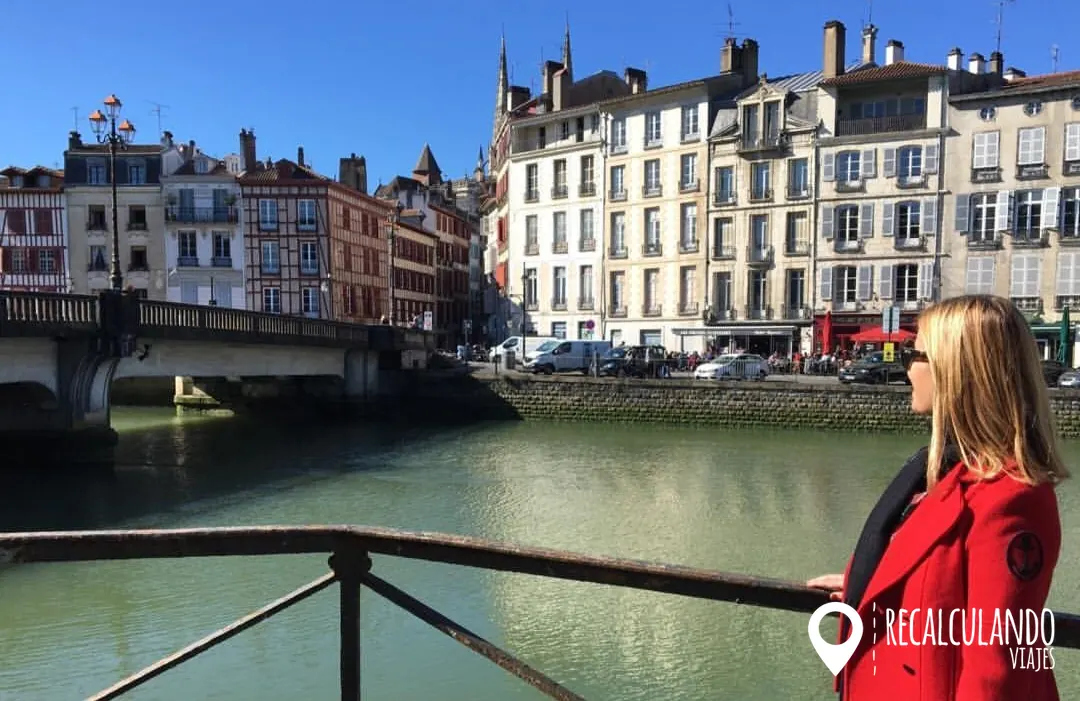
Our experience in Bayonne: it is well worth it
We arrived in Bayonne without many expectations—it was a somewhat improvised day trip from Bordeaux—and we left completely in love with the city. There is something about the combination of Basque architecture, top-tier gastronomy, and the calm life of its streets that makes Bayonne a destination that stays in your memory.
If you are traveling through the southwest of France or the Basque Country and wondering about things to do in Bayonne, the answer is simple: a lot, and with enthusiasm. It is not a city to look at from the outside: it is a city to walk slowly, enter the chocolate shops, eat something by the river, or sit on the bank of the river and let yourself be carried away by that Basque atmosphere that blends the best of two cultures.
To continue discovering France, don’t miss our other articles about Eguisheim in Alsace and many more destinations we have come to know throughout our travels.
ℹ️ **Full Transparency**
This article contains affiliate links. If you book through these links, we may receive a small commission at no additional cost to you. We only recommend services that we use on our trips and that we trust. This helps us keep this blog free and continue creating useful content for you. Thank you for your support!
🔗 Resources & Useful Links for your trip to Bayonne
Do you have questions or want to add your own recommendations for things to do in Bayonne?
💬 Leave your comment or write to us; we love reading the experiences of other travelers.
Thank you very much for being part of this adventure!— Nanu & Facu 🌎 | Recalculando Viajes 💜