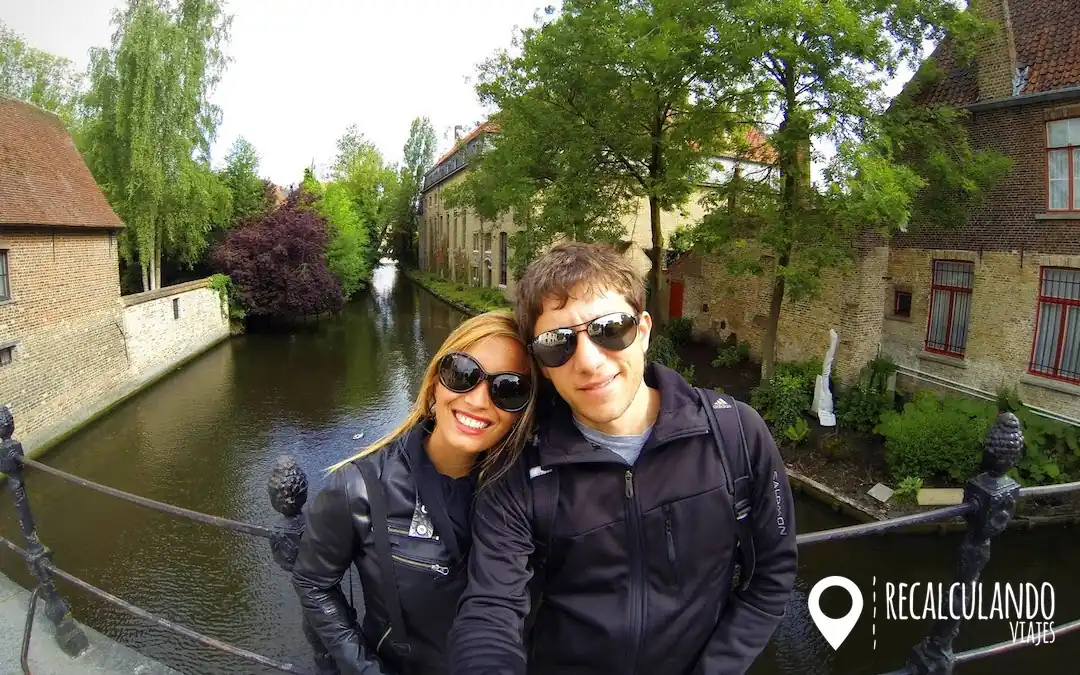
Things to do in Bruges is one of those questions that, once you step into this Belgian medieval city, answers itself within the first few steps. We arrived by train from Amsterdam in mid-June, with plans to visit both Bruges and Ghent in the same day—yes, both—and it was one of the most intense and beautiful days of our entire trip through Europe. In this guide, we share the 18 essential things to do in Bruges, with updated prices, a 1 or 2-day itinerary, and everything you need to know before you arrive.
Bruges is known as the “Venice of the North” and, with that nickname, you can already imagine what awaits you: canals, stone bridges, white swans gliding through the water, and medieval architecture that seems ripped from a fairy tale. Its historic center is a UNESCO World Heritage site, and when you walk along its cobblestones, you understand perfectly why.
FREE🚶♀️➡️Free walking tour of Bruges in English ➜ Click Here🚶 — free of charge, just the tip you want to leave.
🌍 Travel Insurance: 5% Off with IATI Seguros! 🌟
Take advantage of this offer and travel safe.
Summary of things to do in Bruges
| Category | Key Information |
|---|---|
| Destination | Bruges, Belgium |
| Recommended time | 1 day (essential) to 2 days (leisurely) |
| Best time to go | Spring (April-June), autumn, or Christmas |
| Daily budget | €40 – €80 (excluding accommodation) |
| How to get there | Train (1h from Brussels / 3h from Amsterdam) |
| Must-sees | Grote Markt, Belfry Tower, Rozenhoedkaai, Minnewater |
| Gastronomy | Artisan chocolate, Belgian waffles, Brugse Zot beer |
| Unique experience | Boat tour through the canals and walking routes |
Bruges 1 or 2-day itinerary
Before jumping into the list of places, here is the plan we used—adapted for those with one or two full days.
Bruges in 1 day: the essential tour
– Morning (9h–13h): Grote Markt and Belfry Tower → Burg Square and Basilica of the Holy Blood → Blind Donkey Alley → Rozenhoedkaai.
– Midday: Waffles and a break on a canal-side terrace.
– Afternoon (14h–18h): Bonifacius Bridge → Groenerei → Church of Our Lady → Minnewater and Beguinage → chocolate shop to finish. If you are visiting for the day from Amsterdam or Brussels, this pace is very comfortable.
Bruges in 2 days: at a leisurely pace and at night
– Day 1: The entire previous route, but slower. Add a boat tour through the canals (30 minutes, ~€10-12) and, if you enjoy art history, the Groeninge Museum.
– Night: Illuminated Bruges is a different city. Staying for dinner and watching the buildings reflected in the canal at night is one of the reasons why repeat visitors always want to come back.
– Day 2: Saint Salvator’s Cathedral, Jan Van Eyck Square, Saint Anna district with the windmills, and a guided tour of the De Halve Maan Brewery.
1. Grote Markt, the heart of Bruges
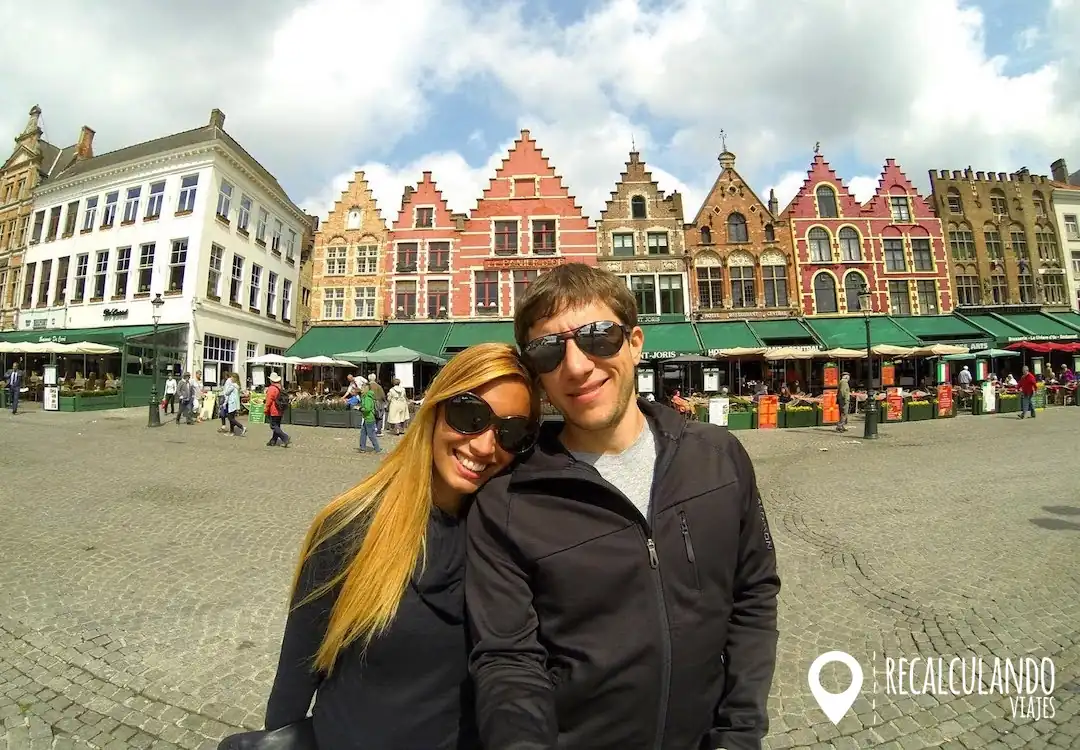
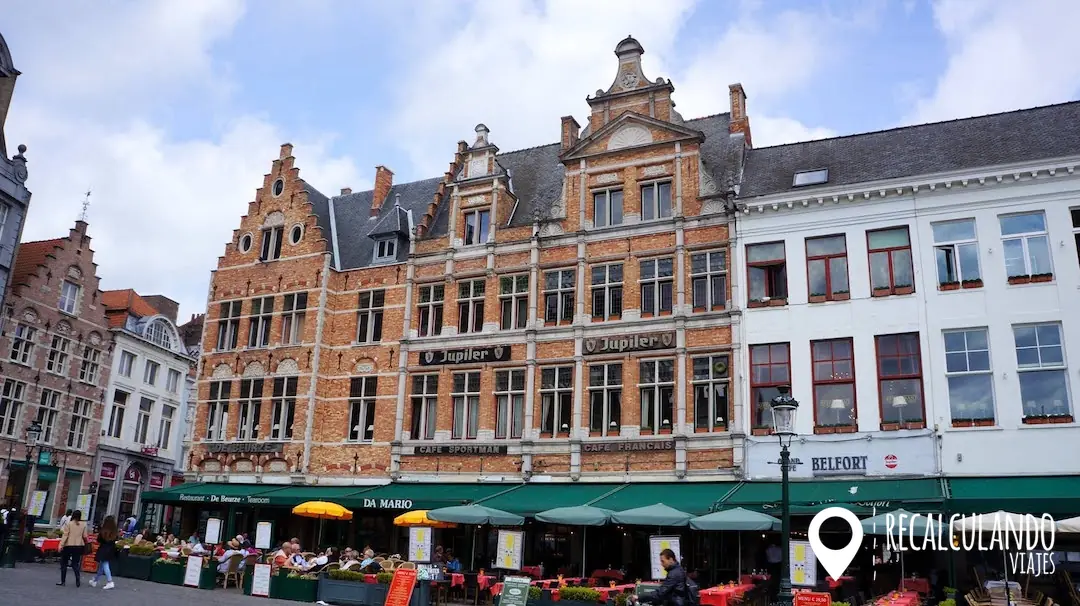
Any tour of Bruges starts at the Grote Markt, the main square and the reference point for the whole city. It is large, colorful, and surrounded by 17th-century guild houses with those stepped gables so characteristic of Flanders. When we arrived, there was already a lot of activity—it was midday on a June day—but the atmosphere was still very special.
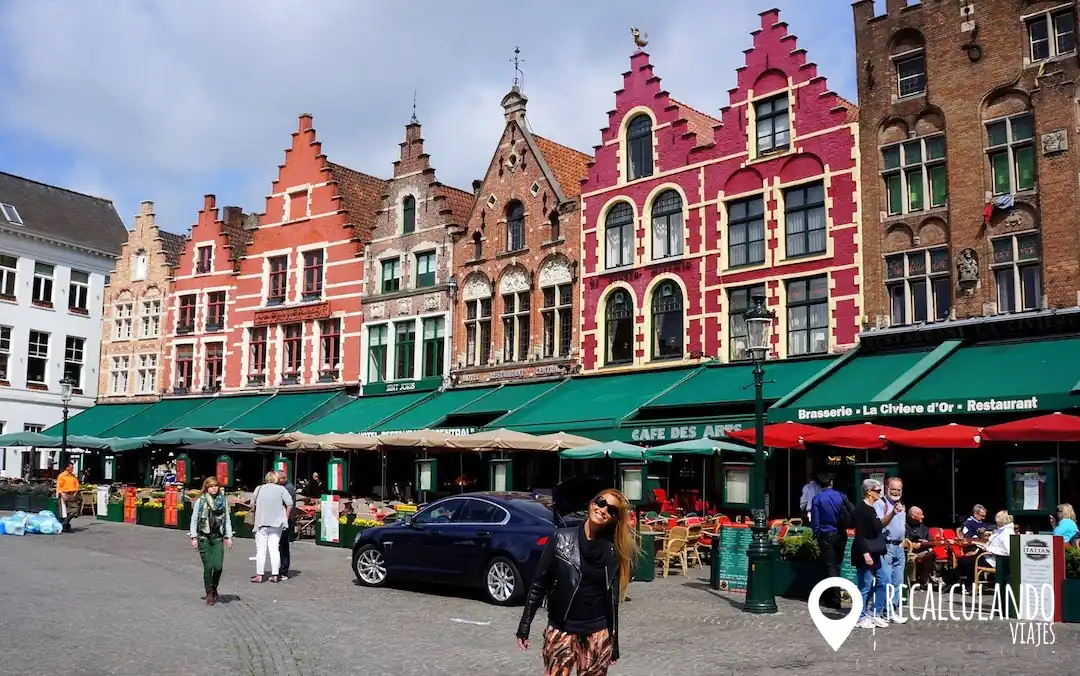
In the center of the square is the statue of Jan Breydel and Pieter de Coninck, two 13th-century Flemish heroes who led the resistance against the French in the Battle of the Golden Spurs (1302). And dominating everything is the Belfry Tower, which is undoubtedly one of the must-see spots in Bruges. The square is perfect for having your first coffee of the day, orienting yourself with the map, and starting to walk without rush. Most of the places in this guide are less than 15 minutes away on foot.
TIPS: Arrive early if you want photos without crowds. From midday onwards, tour groups fill the square. Restaurants with views of the Belfry are usually noticeably more expensive; better to have your coffee and look for something more authentic in the side streets.
2. Belfry Tower, the highest views of Bruges
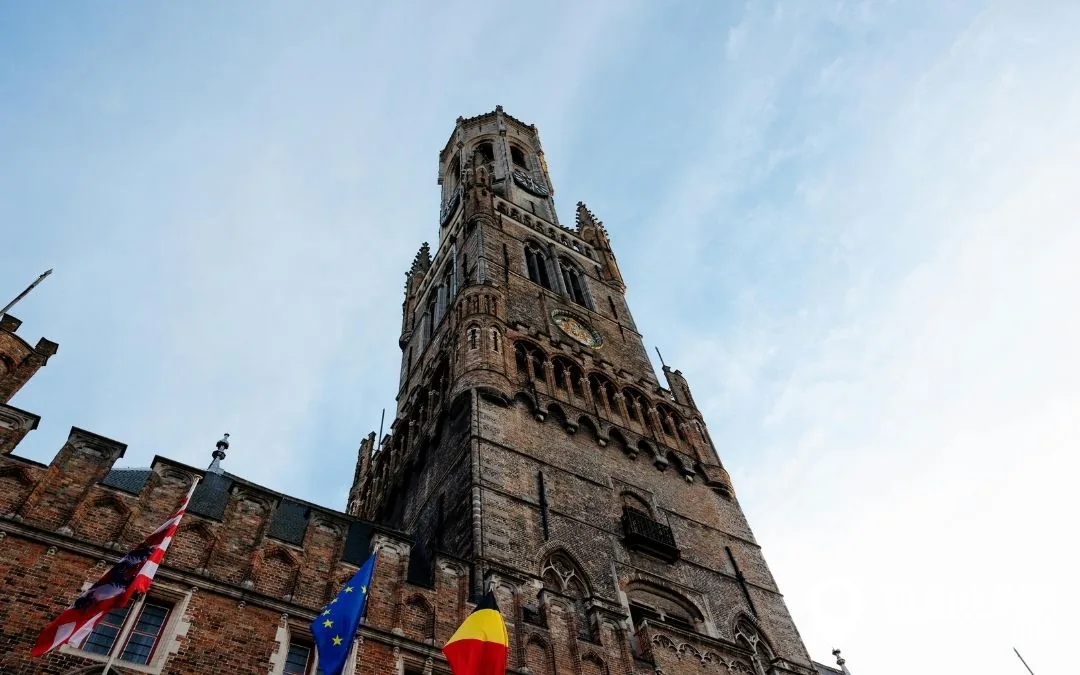
The Belfry Tower is one of the must-see sights in Bruges, and we know that because practically everyone queues to go up. There are 366 steps—quite steep and with a very narrow section at the end—but the view from the top is worth every step. From the top, you have the entire historic center at your feet: red roofs, canals snaking between buildings, the Basilica of the Holy Blood, the Beguinage in the distance…
The tower also features a carillon of 47 bells that rings every quarter of an hour, and if you happen to catch a concert (they usually take place on Wednesdays, Saturdays, and Sundays in summer), it is a completely unique sonic experience. Price: €15 for adults, €13 for children (7-17), free for children under 6. Hours: 9:00-20:00 every day. Given our plan to do Bruges and Ghent in one day, we didn’t go up due to lack of time, but if you have at least a whole morning for Bruges, this is one of the things to do that you shouldn’t miss.
TIPS: Buy your ticket online in advance to avoid queues. The ascent has a very narrow passage at the top; if you are claustrophobic, keep this in mind. The descent also takes time.
3. Rozenhoedkaai, the most famous postcard of Bruges
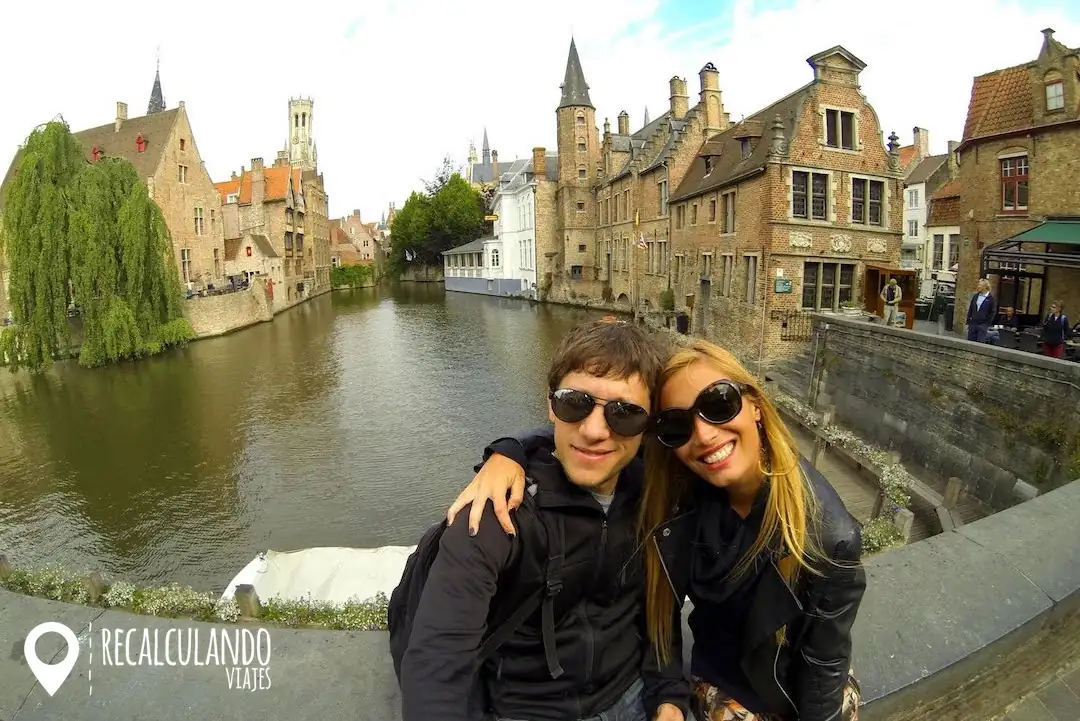
If we had to choose one single place out of all the things to do in Bruges, it would be this one. The Rozenhoedkaai—the Quay of the Rosary—is literally the most photographed corner of the entire city, and when you arrive, you understand exactly why. The canal forms a perfect curve, the medieval buildings are reflected in the water, and in the background, the Belfry frames everything. It’s one of those scenes that seems unreal.
We arrived near midday and there were quite a lot of people, but we were still able to take photos that we thought were incredible. The name translates as “Quay of the Rosary” and it is believed to come from the Rosary church that was nearby. What we can confirm is that the afternoon light transforms this place into something completely magical. It is also the starting point for most of the boat tours through the canals, so if you plan on doing one, start or end your morning here.
TIPS: If you can, pass by here early in the morning or at sunset to have fewer people and better light. The reflection of the buildings in the water works better when the canal is calm, that is, before the boats start running.
4. Burg Square, the city’s gothic heart
A few minutes from the Grote Markt is the Burg Square, and if the former is the commercial heart of Bruges, this is its historic and institutional heart. It is surrounded by impressive buildings: the Town Hall (Stadhuis), which is one of the oldest in Belgium with its fully ornamented gothic facade, and the Basilica of the Holy Blood, which deserves its own section.
The Stadhuis dates back to the 14th century and its interior gothic hall—with a colored carved wooden ceiling—is considered a masterpiece of Flemish decorative art. Entrance to the town hall costs about €6-€8, but the gothic hall justifies it if you enjoy historical heritage. Many travelers overlook it or just give it a glance, but we thought it was worth taking the time to sit on one of the benches and simply observe the architectural ensemble.
5. Basilica of the Holy Blood, a medieval relic
Right in the Burg Square, the Basilica of the Holy Blood is one of the most special landmarks in Bruges. According to tradition, it holds a relic containing Christ’s blood, brought from the Holy Land by the Count of Flanders in the 12th century. The architecture mixes Romanesque styles on the ground floor—one of the few examples of Flemish Romanesque that survived—and late Gothic in the upper chapel.
Entry to the basilica is free for the general visit; the treasury museum costs about €2.50. Many travelers recommend not missing it, and we agree: although we aren’t big on visiting churches, this one has a particular atmosphere that makes you pause at the threshold, and it’s worth the five-minute visit at the very least.
6. Blind Donkey Alley (Blinde-Ezelstraat), the most photogenic corner
This is one of the corners of Bruges that competitors skip and that we hadn’t included in the original guide… and the truth is it deserved a place of its own. The Blind Donkey Alley (Blinde-Ezelstraat, in Dutch) leads directly off the Burg Square and is one of the most photogenic narrow streets in the entire city, even if it lacks a canal or water.
The name has a curious history: it is said that the donkeys laden with goods that traveled through this narrow alley became literally “blind” because the passage was so narrow and dark that they couldn’t see where to go. Today it’s an almost mandatory photo shot: the stone arch framing the view toward the canal at the end of the alley is a postcard that appears in all Bruges travel albums. You pass through here on the way between the Burg Square and the Rozenhoedkaai, so it costs you nothing to include it in your route.
👩⚕️👨⚕️ A must-have for stress-free travel! 🌎✈️ ➜ Get a Quote, Compare & Buy
7. Bonifacius Bridge (Bonifaciusbrug), the most romantic
We loved this bridge. The Bonifaciusbrug is one of the most photogenic bridges in Bruges and, although it is technically from the early 20th century—relatively modern by city standards—it has a beautiful medieval aesthetic. It is partly made with old gravestones and is located right behind the Church of Our Lady, in a narrow street that seems taken from a period novel.
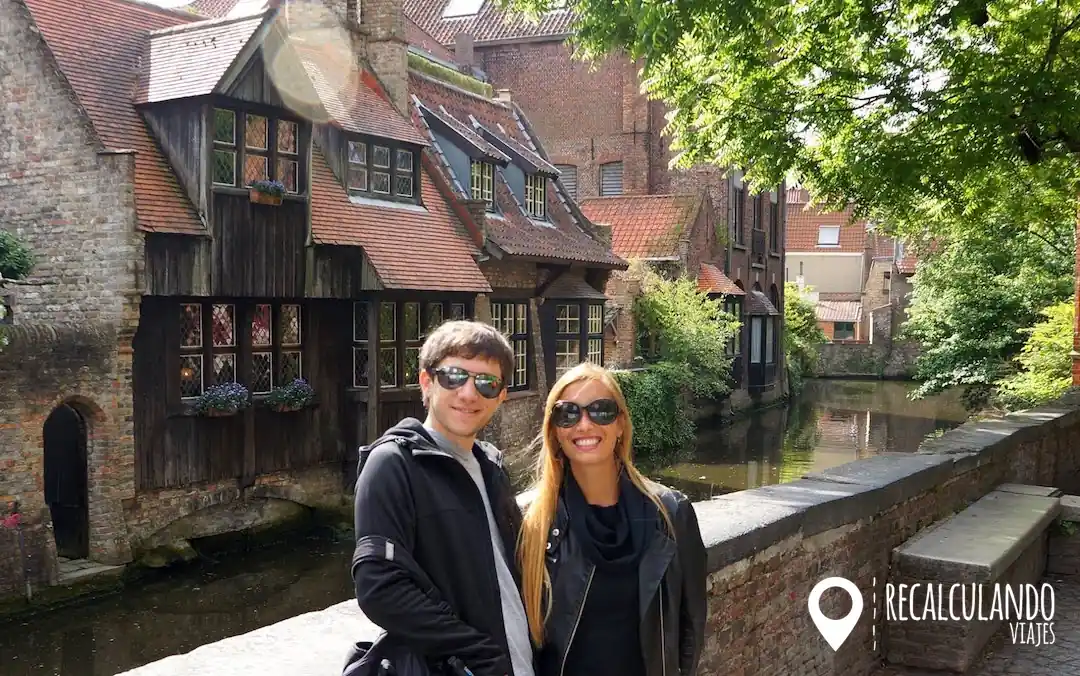
From the bridge, there is a view of the canals and the back gardens of some palaces that is absolutely unique. The “romantic” part is literal: we saw several couples taking photos there and understood perfectly why this spot is in every ranking of “most romantic places in Europe.” The boats that run the canals pass underneath, so if you are on the water, you will also see it from another angle. If you are traveling as a couple, it’s a MUST.
TIP: Arrive early or at dusk to avoid the crowds. At midday, it can be quite busy. The small stairs leading down to the canal on the northwest side of the bridge are a good spot to sit for a moment and see the canal from below.
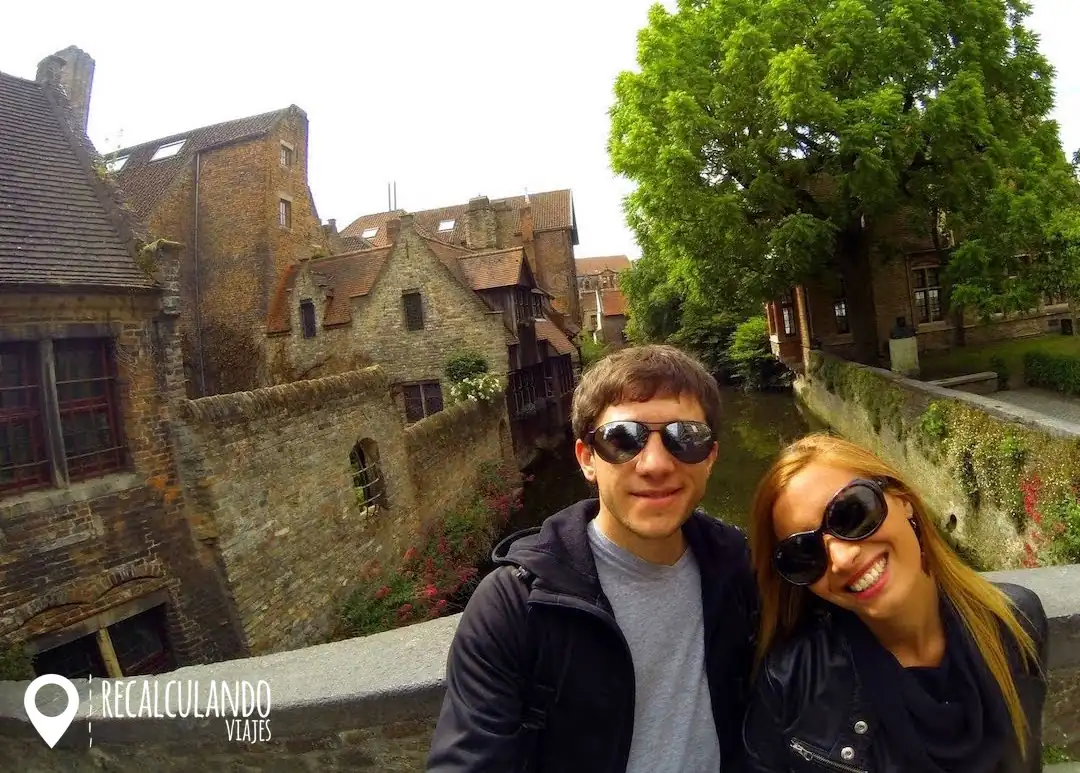
8. Groenerei (Green Canal), the quietest walk
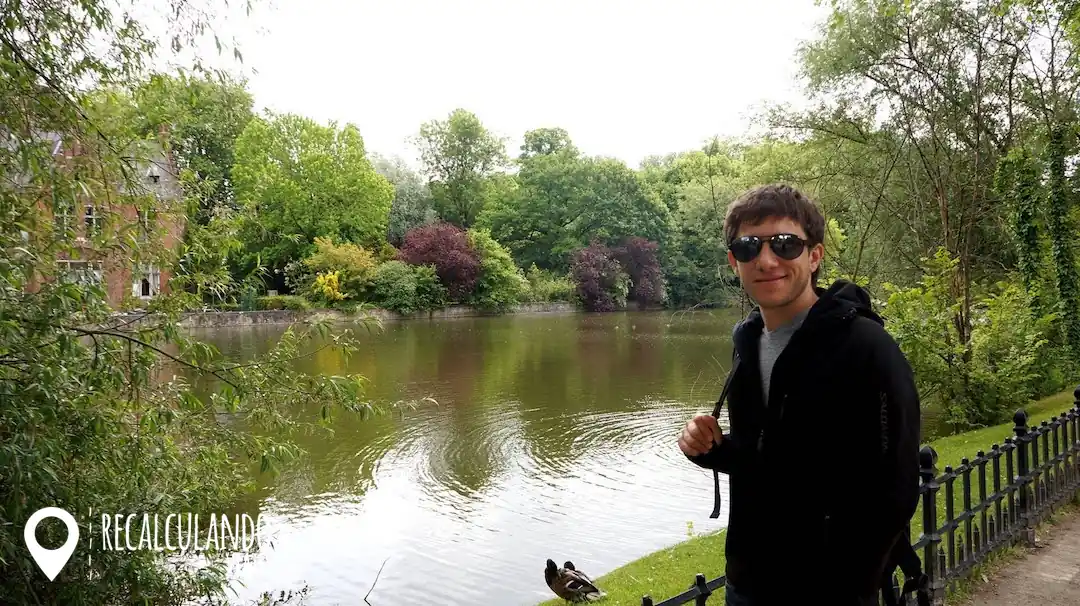
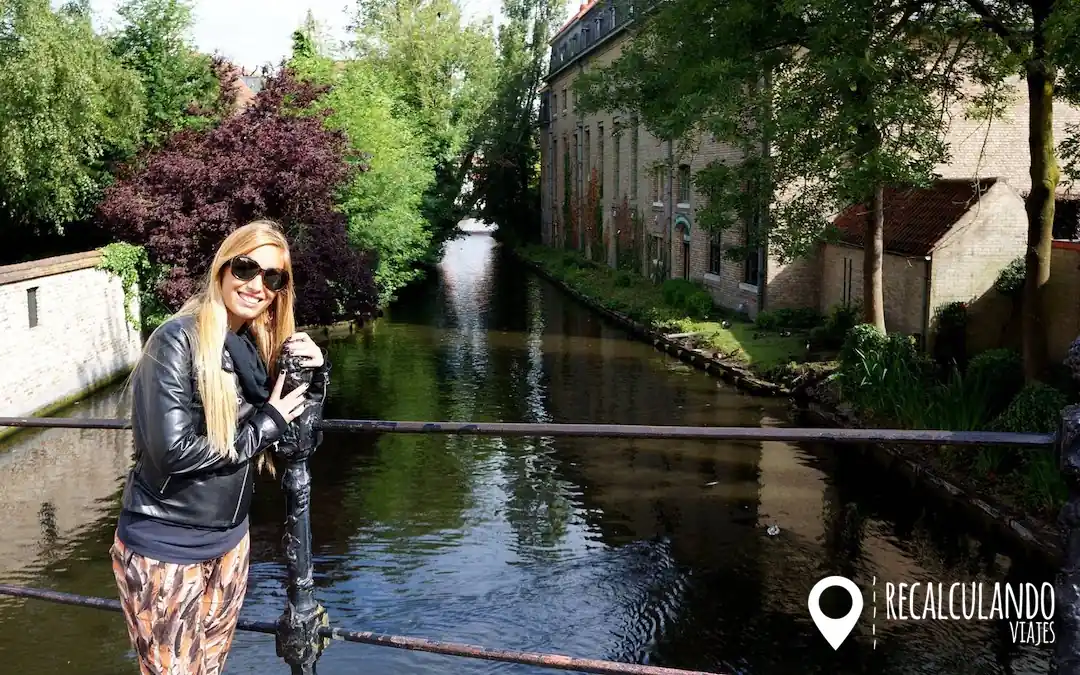
If the Rozenhoedkaai is the most photographed canal, the Groenerei—the Green Canal—is the quietest and, to our taste, the most beautiful to walk along. It is lined with old trees that in spring and summer form a kind of tunnel of greenery over the water. The houses facing the canal are old and well-preserved, and the whole ensemble has an atmosphere of another time that is difficult to describe.
It is one of those corners you discover by walking without a map, and that makes it even more special. If you want a walk away from the intense tourism of the Grote Markt, follow the Groenerei for a few minutes and you will understand why Bruges has that magic that no other European city has. At the end, the Groenerei joins the Spinolarei, another equally beautiful canal worth following.



9. Church of Our Lady (Onze-Lieve-Vrouwekerk)
The Church of Our Lady is one of the most important monuments in Bruges. Its 122-meter brick bell tower was for centuries the tallest brick building in the world. Inside, many travelers especially recommend the Madonna and Child, a white marble sculpture by Michelangelo—one of his few works outside Italy—that arrived in Bruges in the early 16th century thanks to the trade of a Flemish merchant, Alessandro Mouscron.
The church also houses the mausoleums of Charles the Bold and Mary of Burgundy, two key figures in the history of the 15th-century Netherlands, with gilded bronze sarcophagi that are pieces of art in their own right. Price: approximately €7 for the interior. We saw it from the outside—it’s right next to the Bonifacius Bridge—and even from the street, it is impressive. If you have time, it is worth going inside.
10. Minnewater, the Lake of Love
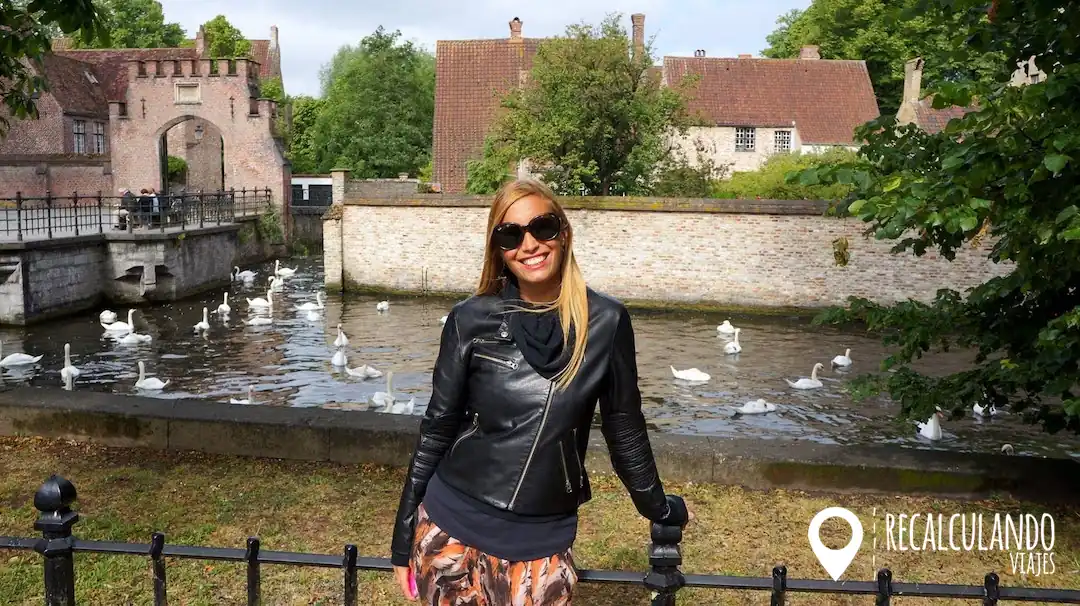
South of the historic center, the Minnewater is one of the quietest and most charming corners of Bruges. It translates as “Lake of Love” and has its own legend: it is said that the name comes from Minna, a young woman who fled to the forest to meet her lover and died waiting for him. Romantic or not, what is real is that the lake—surrounded by trees, with swans swimming slowly and a beautiful park all around—is a perfect break in the middle of a day of intense tourism.
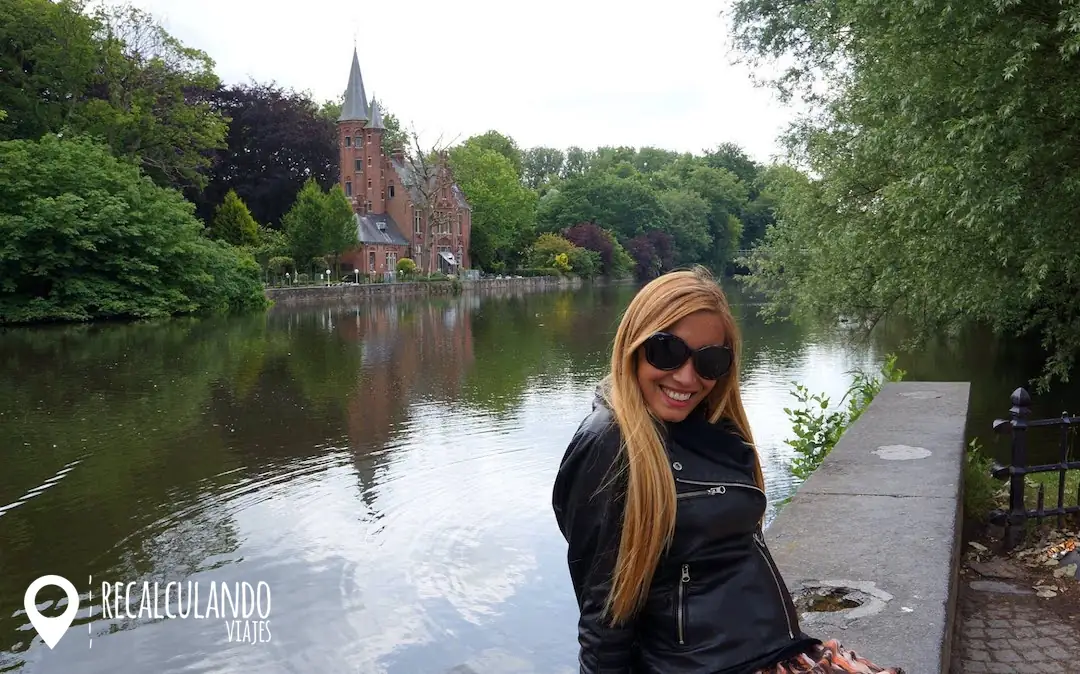
The Minnewater Bridge is another spot you shouldn’t miss: the legend says that if you cross it with your partner, love will be eternal. We crossed it, so we’ll see in a few years haha. The park surrounding the lake is ideal for a picnic or simply to sit on the grass and recharge your batteries. The Bruges train station is just a few minutes from here, so if you arrive or leave by train, you pass by the Minnewater almost by default.
TIP: The Minnewater is one of the few places in Bruges where the crowd thins out a bit. It is worth coming here even if it is a little further away from the center.
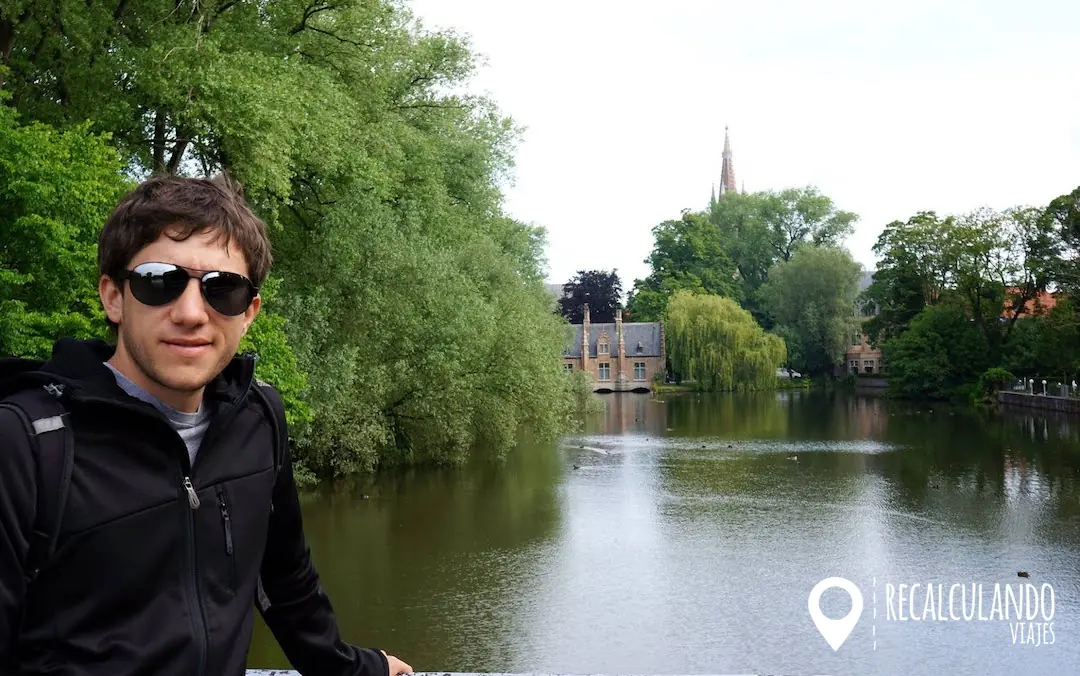
11. Beguinage (Begijnhof Ten Wijngaarde), peace in the heart of the city
The Begijnhof Ten Wijngaarde is one of those places that surprise you when you enter. From the outside, there is nothing that hints at what awaits you inside: a series of white houses, old trees, and an interior garden of absolute tranquility. The complex was founded in 1245 and is still inhabited by Benedictine nuns. It is declared a UNESCO World Heritage site along with the rest of the historic center.
You can walk freely through the grounds and enjoy the calm and the yellow flowers that cover the entire garden in spring. It is a total contrast to the bustle of the Grote Markt, which is just a few minutes away. Many travelers describe it as one of the most serene places in all of Belgium, and we agree: it is an oasis. Entry to the grounds is free; the small museum inside costs €2.
12. Bruges chocolate shops, the mandatory ritual
Bruges is one of the best places in the world for artisan Belgian chocolate, and that is not an exaggeration. There are boutique chocolate shops on practically every street in the center, and the difference from the industrial chocolate you buy at an airport is abyssal. The most recommended by travelers are Chocolatier Dumon, The Chocolate Line, and Marcolini, although there are dozens of options.
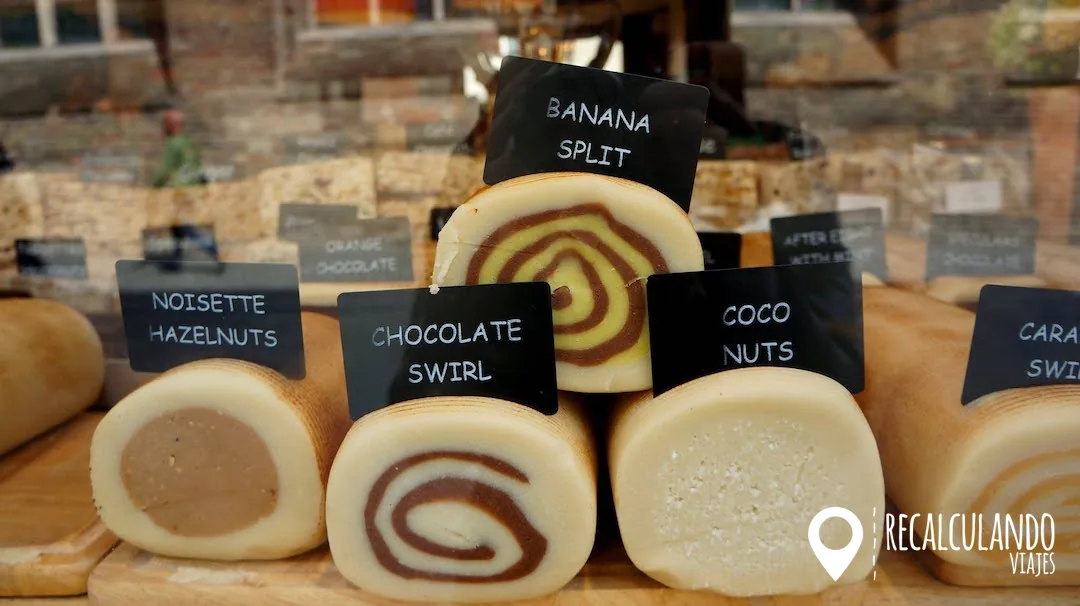
Marzipan – Bruges
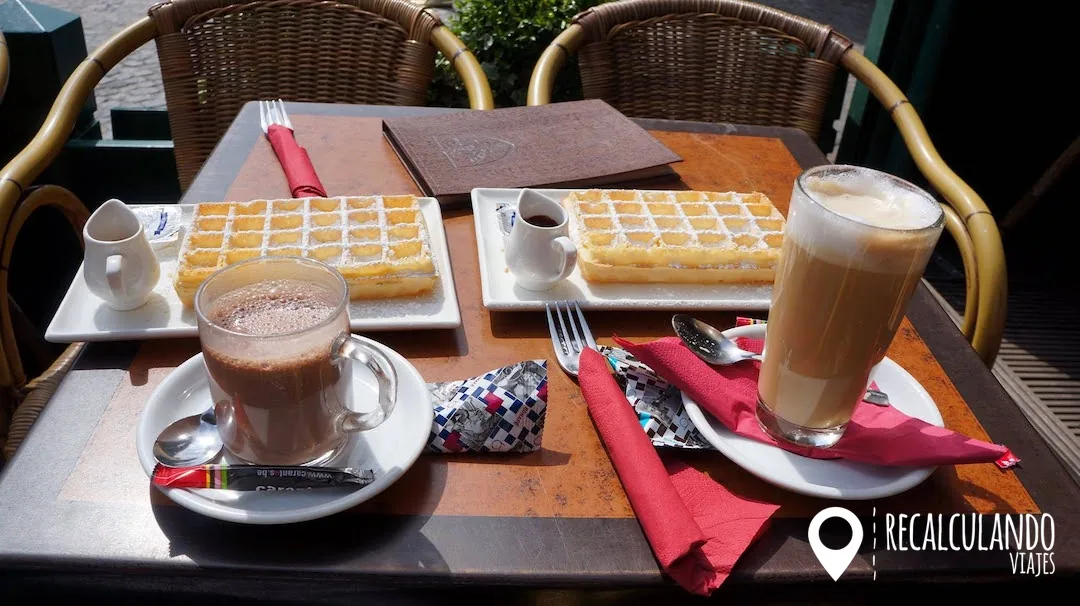
TIPS: Avoid the chocolate shops that have huge queues right in the Grote Markt; they are usually expensive and geared toward mass tourism. Walk one or two streets away to find more authentic master chocolatiers. And the waffles: they are also a ritual in Bruges. Freshly made, with strawberries and melted chocolate, they are one of the best memories of the trip.
13. Boat tour through the canals, the best perspective
One of the things to do in Bruges that caught our attention the most was the boat tour through the canals. With our limited time, we couldn’t do it—we left it for a future visit—but boats pass constantly and fill up quickly, which says quite a lot about how worthwhile the experience is.
The canals are the reason they call Bruges the “Venice of the North,” and seeing it from the water is a completely different perspective. The boats pass by the most photogenic spots: the Rozenhoedkaai, the Bonifacius Bridge, the Groenerei… The tour lasts about 30 minutes. Price: €10-€12 per person. The boats leave from several points, but the busiest is near the Rozenhoedkaai and the Dijver.
TIPS: In high season there can be 30-45 minute waits. If you go in summer, it’s best to arrive early or go first thing in the afternoon when the tour groups have already dispersed. There is no advance booking: it’s all on-site.
14. De Halve Maan Brewery, the only brewery in the center
Belgium is one of the countries with the greatest brewing tradition in the world, and Bruges has its own star: Brugse Zot, produced at the De Halve Maan (The Half Moon) Brewery. This is the only brewery that continues to produce in the historic city center, and it has the peculiarity of having a system of underground pipelines—built in 2016, crossing 3.2 km under the streets of Bruges—that transports the beer from the factory to the bottling plant outside the old town. Yes, just like that. There is a beer pipeline under the cobblestones you walk on.
Many travelers recommend the guided tour with tasting (you must book in advance; approximate price €14-€18 depending on the type). For lovers of craft beer, it is one of the things to do in Bruges that cannot be missed. For those who aren’t fans—like us—, having a Brugse Zot on the terrace of the brewery itself with a view of the canal is more than enough.
15. Saint Salvator’s Cathedral, the oldest church
Saint Salvator’s Cathedral (Sint-Salvatorskathedraal) is the oldest church in Bruges: its construction began in the 13th century and took several centuries to complete, which explains the mix of styles it presents. It is the only cathedral in the city—the Basilica of the Holy Blood is a basilica, not a cathedral—and has a 99-meter bell tower that was for a long time the highest point on the Bruges skyline.
Many travelers especially recommend its interior: a collection of Flemish art with Bruges tapestries from the 15th and 16th centuries, paintings by Dirk Bouts and Hugo van der Goes, and one of the most important 18th-century organs in Belgium. Entry to the church is free; the treasury and museum have a separate cost. If you have already visited the Church of Our Lady, you can compare the scale and atmosphere of these two jewels of Flemish Gothic.
16. Jan Van Eyck Square, the most authentic Bruges
Jan Van Eyck Square—named after the most famous Flemish painter, born near Bruges—is one of those corners that tourists in a hurry usually skip, and yet it has an energy completely different from the busiest center. It is north of the historic old town, in the neighborhood that was the medieval commercial heart of Bruges when the city was one of the most important ports in Northern Europe.
In the square, there is a statue of Jan Van Eyck looking toward the Spiegelrei canal, which is one of the most beautiful and quiet canals in Bruges. The ensemble of the canal with the medieval buildings surrounding it has a much more local character and is less touristy than the center. If you have two days in Bruges or if you’ve had enough of the crowds in the Markt, this area is an excellent destination for the afternoon.
17. Windmills of the Saint Anna district
North of the historic center, the Saint Anna district is the Bruges that almost no one-day tourist gets to see. And there stands one of the city’s gifts: four historic windmills atop the embankment, with open views over the city roofs. It is a completely different image from the Bruges of canals and cobblestones: open, green, with that Flemish sky that seems bigger than anywhere else.
The Sint-Janshuismolen is the best known and, according to local sources, is still in operation (in season). Climbing the embankment to see the windmills is free, and the walk through the Saint Anna district has a local quality of life that shows: neighborhood shops, cafés without tourist menus, very few groups. If you have two days in Bruges, save this area for the morning of the second day, when the low light gives the windmills an almost photogenic appearance.
18. Historic gates of Bruges, the city’s medieval boundaries
Bruges preserves four of the medieval gates that were part of the second city wall, built in the 14th century: the Gentpoort, the Kruispoort, the Smedenpoort, and the Ezelpoort. They are huge, made of dark brick, with round towers on the sides, and they contrast notably with the more domestic scale of the historic center. The Gentpoort (Ghent Gate) is the most accessible and imposing, and has a small museum.
Many travelers see them from the outside while cycling or when leaving the center, without really knowing what they are. If you are interested in medieval history, it is worth looking for at least one of them: they give a very concrete idea of how much space the walled city occupied and the power that Bruges had in the Middle Ages. Entry to the Gentpoort museum costs approximately €5.
Bruges at Christmas
If you are thinking of visiting Bruges in winter, you should know that the Bruges Christmas market is one of the most famous in all of Belgium and one of the prettiest in Europe. It is usually set up from late November to early January in the Markt and Burg Square, with handicraft stalls, local food, and the inevitable skating rink in front of the Belfry.
Bruges at night at Christmas, with the canals sometimes frozen and the buildings illuminated, is a postcard that has no equal. If you combine this with the Christmas market, the trip goes from being a getaway to being something remembered for years. We didn’t visit it at that time, but it’s on the list. For more Christmas inspiration in Europe, check out our guides on things to do in Copenhagen at Christmas or things to do in Prague at Christmas.
Where to stay in Bruges
Bruges has a very wide range of accommodation, from boutique hotels within the historic center to more economical options near the train station. If you can, stay within the center: walking through the streets of Bruges at night, when the tour groups leave and the buildings are illuminated and reflected in the canals, is a completely different experience from the daytime. Those who stay overnight always say it is the best decision of the trip.
The most expensive area is the one surrounding the Markt and the Burg; a little further from the central core you find more reasonable options that are still within a 10-15 minute walk of everything. The train station is about a 20-minute walk from the center or 10 minutes by bus.
Map of accommodation in Bruges with Prices
On the map below you can move, zoom, and filter by your dates to see accommodation prices in Bruges:
How to get to Bruges
From Brussels by train
The most frequent option and the one we recommend for most people. Trains from Brussels-Midi, Brussels-Central, or Brussels-North leave every 20 minutes throughout the day, the journey takes approximately 1 hour, and the price is around €15-€20 per way. It is undoubtedly the best day trip from Brussels: economical, fast, and convenient. The Bruges station (Station Brugge) is a few minutes from the Minnewater and about a 15-20 minute walk from the historic center.
From Amsterdam by train
This is exactly the option we used and we recommend it without a doubt. The train from Amsterdam to Bruges takes approximately 3 hours, with a transfer in Brussels or Antwerp. The price is around €40-€50 per way if you book in advance (it can go up quite a bit if you wait until the last minute). Departures are frequent throughout the day from Amsterdam Centraal. Leaving at 8 am you can be in Bruges before midday with the whole day ahead.
From Brussels airports
If you arrive at Brussels International Airport (Brussels Airport, Zaventem), the most direct option is to take the Airport Express to Brussels-Midi (about 20 minutes) and from there the train to Bruges. If you arrive at Brussels-Charleroi Airport, there are direct buses to Brussels-Midi that take between 45 and 60 minutes.
From other European cities
From Paris, there are Eurostar/Thalys trains that arrive in Brussels from where you take the connection to Bruges (in total about 3.5-4 hours). From London, there are options via Eurostar to Brussels. In all cases, Belgium’s rail connectivity is excellent and the system works very well.
By bicycle within Bruges
Once in Bruges, the bicycle is a fantastic option. The city is practically flat and has bike lanes everywhere. Several businesses near the station rent bikes by the hour or by the day (approximately €8-€15/day). It is especially useful if you want to reach the windmills of the Saint Anna district or the medieval gates.
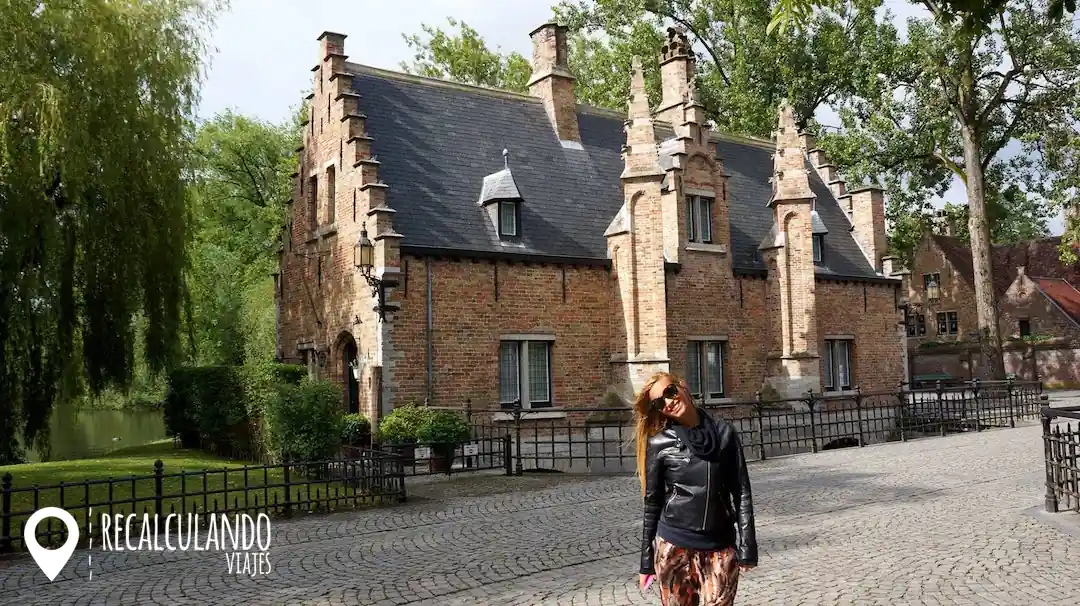
Things to do in Bruges – Sashuis (Sluice House)
Travel insurance for Bruges and Belgium
Traveling to Belgium is safe and calm, but it never hurts to have good insurance that covers you for any unforeseen event: a flight cancellation, lost luggage, or unexpected medical expenses. We have used IATI Insurance on all our trips for years and it is what we recommend. With IATI you have medical coverage, cancellations, and 24-hour travel assistance. If you use the following link you get a minimum discount of 5% on your policy (in promotional campaigns it reaches 15%).
If you are looking for more information to compare options, in our guide on the best travel insurance for Europe we explain everything you need to keep in mind.

Excursions from Bruges
Bruges is a perfect starting point to explore Flanders. These are the excursions we most recommend and that you can easily book:
FREE🚶♀️➡️Free walking tour of Bruges in English ➜ Click Here🚶 — free of charge, just the tip you want to leave.
- Bruges + Ghent in one day from Brussels: What we did coming from Amsterdam. Ghent is only 30 minutes by train from Bruges and is an incredible city with a completely different energy. See Bruges + Ghent train excursion from Brussels.
- Guided tour of Bruges in Spanish: If you prefer to explore with a local guide who tells you the history of the city, Civitatis has tours in Spanish with very good reviews that include a beer tasting. See guided tour of Bruges.
- Excursion to Bruges from Brussels (by bus with guide): If you are in the Belgian capital and want an organized excursion without worrying about train schedules, this is the most comfortable option. See excursion from Brussels.
Map of things to do in Bruges
So you don’t waste time organizing your walking route, we have created a map with all the essential points from this guide. Bruges is very walkable: most places are less than 15 minutes away from each other.
Frequently asked questions about things to do in Bruges
How many days are needed to see Bruges?
With one full day you can see the main things to do in Bruges without rushing. If you combine it with Ghent, half a day for each city is fair. To enjoy it at night and without rush, two days is ideal.
What is the best time to visit Bruges?
Spring (April-June) and autumn (September-October) are the best times: pleasant weather, fewer tourists than in July-August, and beautiful light. Winter at Christmas is magical: the Bruges Christmas market is one of the most famous in Belgium. Summer is the high season with more tourists and higher prices.
Is Bruges expensive?
Compared to other European cities, Bruges has a medium-high price level. A day without accommodation can be around €40-€80 per person. The good news is that many of the most beautiful things are free: the canals, bridges, squares, and walking tours cost nothing.
Can you visit Bruges in a day from Amsterdam?
Yes, and we recommend it. The train from Amsterdam takes about 3 hours (with a transfer in Brussels), so leaving early gives you a full day to walk around Bruges and return to sleep in Amsterdam. If you also want to see Ghent, it is more intense but very possible, as we did.
How to get to Bruges from Brussels?
The train is the best option: they leave every 20 minutes from any station in Brussels, the trip takes approximately 1 hour and the price is around €15-€20. Bruges station is a few minutes from the Minnewater and 15-20 minutes walking from the historic center.
Can Bruges and Ghent be done in the same day?
Yes, we did it starting from Amsterdam. The key is to start Bruges very early (9 am), spend about 4-5 hours there, and take the train to Ghent (30 minutes) for the afternoon. It is intense but very worth it.
Do you need to book tickets in advance in Bruges?
For most places, it is not necessary; you can buy them on-site. The most important exception is the Belfry Tower: in high season it has long queues and it is better to book online (€15 adults). Boat tours also fill up, so it’s better to arrive early or book in advance.
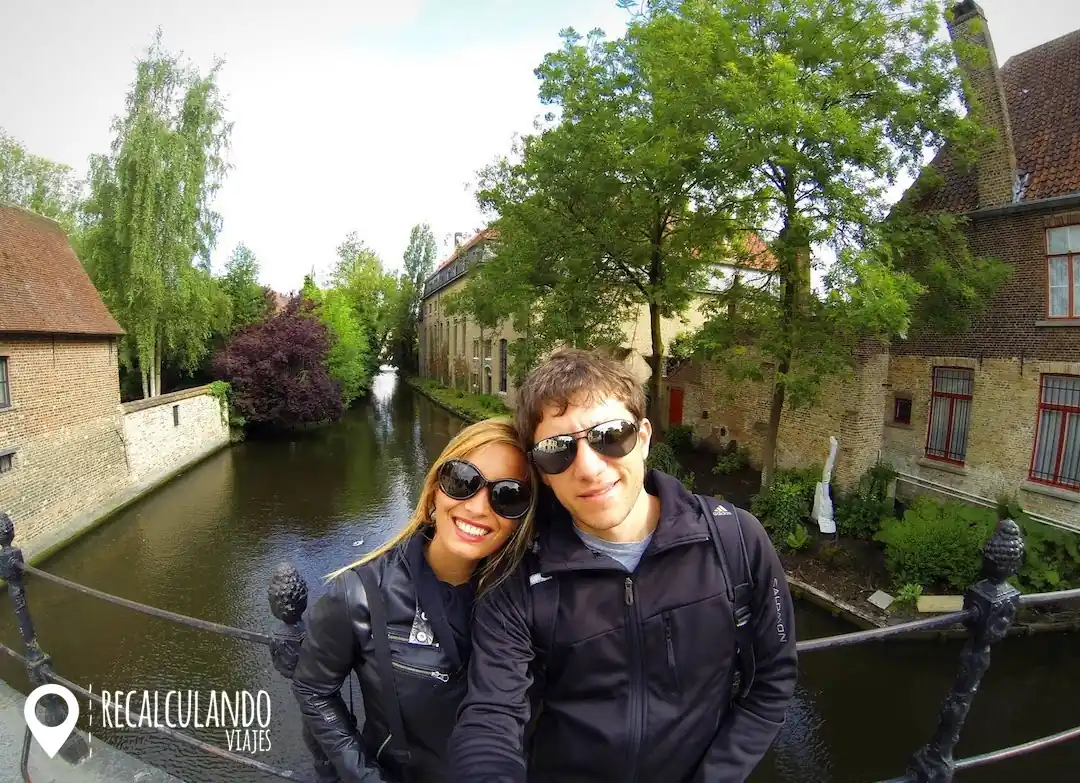
Conclusion: Bruges is worth every minute
If there was one city that confirmed to us that medieval Europe still truly exists, that was Bruges. Things to do in Bruges is not a difficult question to answer: practically everything you find while walking through its streets is worth stopping for, photographing, and keeping in your memory. The canals, bridges, Grote Markt, Rozenhoedkaai, the unexpected Blind Donkey Alley… each corner has its own history and charm.
We visited in June with the ambitious plan to do Bruges and Ghent in the same day, and although it was intense, we have no regrets. However: if you can, stay the night. Bruges at night, when the buildings light up and the groups leave, must be something unique. It is still pending on our list for next time.
For more inspiration about destinations in Europe, we leave you our Belgium guide and our Europe section with everything we have discovered over these years of travel. And if you are in the planning stage, our guide on how to plan your trip can help you with the first steps. Have a good trip!
ℹ️ **Total Transparency**
This article contains affiliate links. If you book through these links, we may receive a small commission at no additional cost to you. We only recommend services we use on our trips and that we trust. This helps us keep this blog free and continue creating useful content for you. Thank you for your support!
🔗 Resources & Useful Links for your trip to Bruges
Do you have questions or want to add your own recommendations on things to do in Bruges?
💬 Leave your comment or write to us, we love reading the experiences of other travelers.
Thank you so much for being part of this adventure!— Nanu & Facu 🌎 | Recalculando Viajes 💜