There are places that leave you speechless. Shirakawa-Go is one of them. When we arrived from Takayama on a day trip, we didn’t quite know what to expect… and the village left us completely fascinated. The thatched houses with those giant triangular roofs, the tranquility of the environment, the greenery of the mountains in the background… it is hard to describe everything you feel when you start walking through its streets. If you are planning a trip to Japan and are wondering about things to do in Shirakawa-Go, we tell you everything from our own experience.
🌍 Travel Insurance: 5% Off with IATI Seguros! 🌟
Take advantage of this offer and travel safe.
Summary: Things to do in Shirakawa-Go
| Category | Key Information |
|---|---|
| What is it? | Historic village and UNESCO World Heritage site, famous for its gassho-zukuri houses. |
| Location | Shō River Valley, Gifu Prefecture, Japanese Alps. |
| Must-sees | Shiroyama Viewpoint, Wada House, Myozenji Temple, and a casual stroll through Ogimachi village. |
| Ideal time | 4 to 5 hours (full-day excursion from Takayama). |
| Best time | Winter (night illumination and snow) and Autumn (foliage colors). |
| How to get there | Nohi Bus from Takayama (50 min) or Kanazawa (75-80 min). |
| Gastronomy | Try hoba miso and local snacks like mitarashi dango. |
| Key tips | Arrive early to avoid crowds, carry cash, and book buses in advance during peak season. |
Where is Shirakawa-Go and Why Is It So Special?
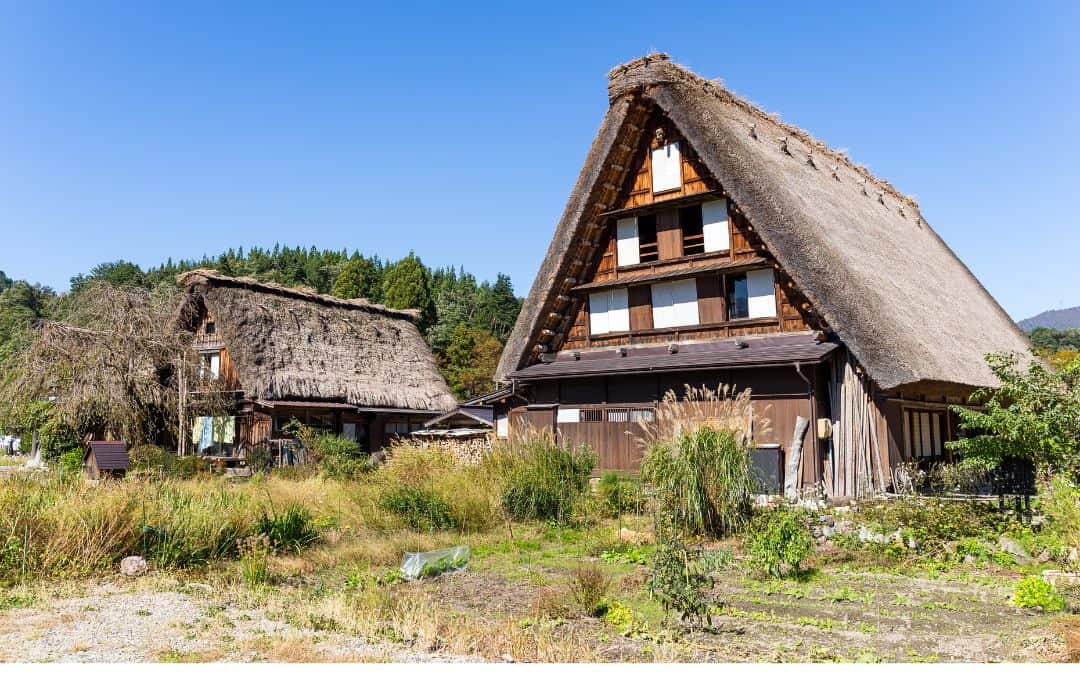
Shirakawa-Go is located in the Shō River valley, in Gifu Prefecture, right in the mountainous heart of Japan. It is one of the most isolated regions of the country, and that—paradoxically—is what made it so unique. For centuries, its inhabitants developed their own architectural style to survive the brutal winters of the area: the gassho-zukuri houses.
The name “gassho-zukuri” literally means “praying hands”, referring to the shape of those thatched roofs tilted at almost 60 degrees, which resemble two hands together in prayer. Their design is no coincidence: such a steep inclination allows snow to slide off without accumulating too much. Pure, hard mountain engineering! In 1995, UNESCO declared Shirakawa-Go (together with Gokayama) a World Heritage site, recognizing the cultural and historical value of these unique villages.
Things to do in Shirakawa-Go: The Village Must-sees
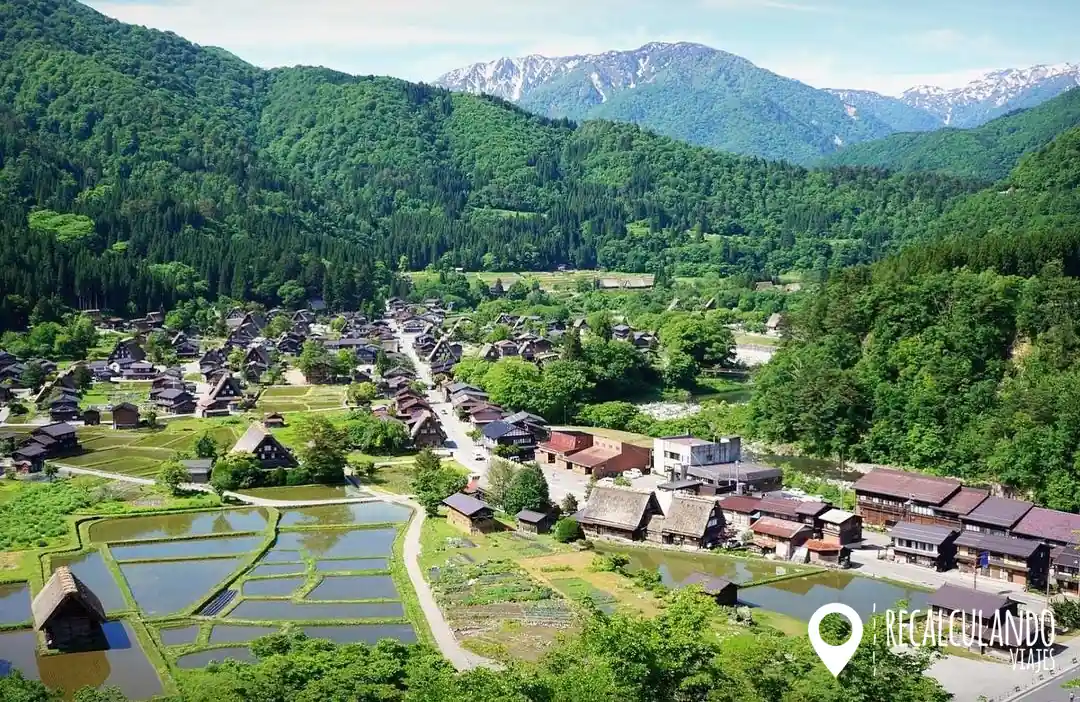
The main village, Ogimachi, is the largest and contains the majority of the gassho-zukuri houses that are still standing. Walking through its streets, it feels as if time has stopped. Here are the spots you can’t miss.
Gassho-Zukuri Houses: The Heart of the Village
There are around 110 gassho-zukuri style houses in Ogimachi. Many remain private homes currently inhabited, which gives them an authenticity that you notice in every corner. Some are open to the public as museums or minshuku (traditional inns). The most famous is Wada House, one of the largest and best-preserved, dating back to the Edo period.
We spent a good while just looking at the houses from the outside, photographing the details of the roof, the gardens with well-tended plants, the water channels that run along the sides of the paths. Every corner of the village is a postcard. Keep in mind: many houses have small signs indicating if they can be visited inside.
Shiroyama Viewpoint: The Most Famous View of Shirakawa-Go
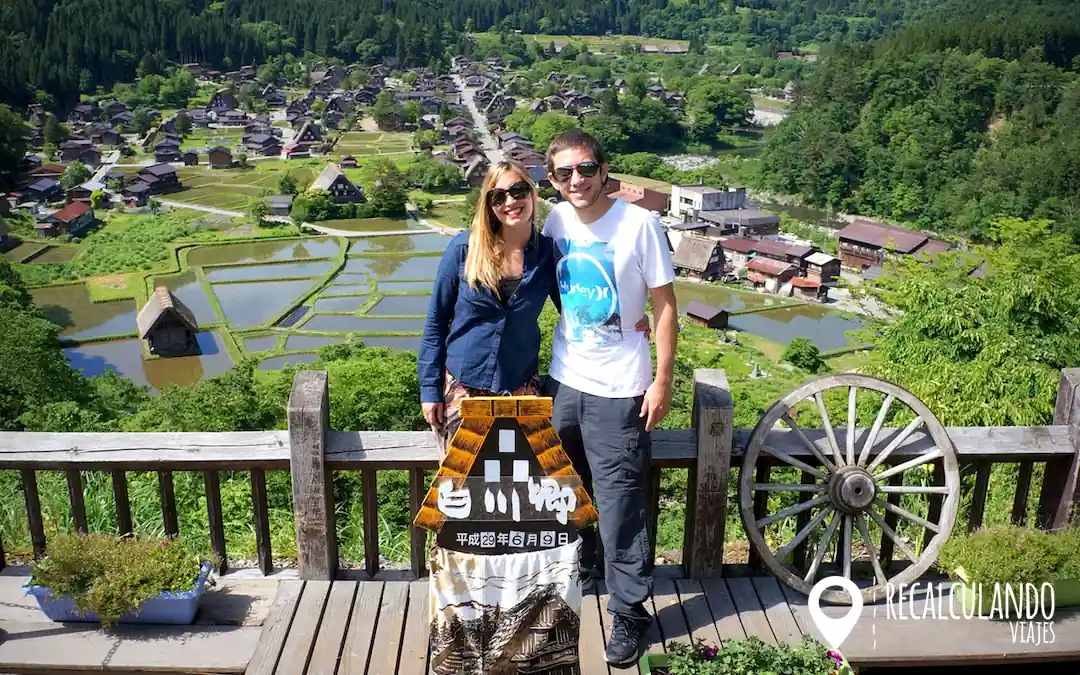
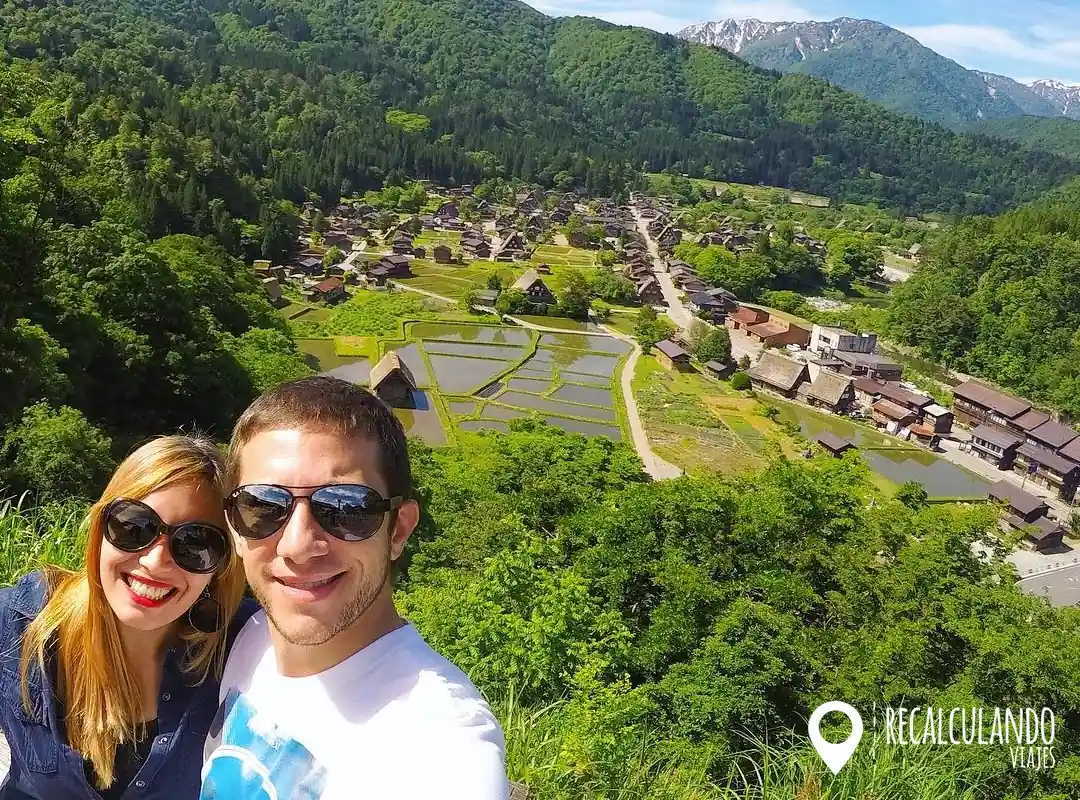
If you have to choose just one place in Shirakawa-Go, let it be this one. From the Shiroyama viewpoint, you get the most iconic panoramic view of the village: all the gassho-zukuri houses together, with the river in the background and the mountains covering it all. It is literally the image that appears in all books and travel guides to Japan.
To get there, you have to hike up for about 10-15 minutes along a fairly steep path, or take a free bus that leaves from the bus terminal. We walked, and it was worth every step. We arrived in the mid-morning and the view was incredible, with the sunlight falling over the thatched roofs. One thing we recommend: get there as early as possible because the viewpoint fills up quite quickly with groups of tourists.
Myozenji Temple and its Architectural Museum
Myozenji Temple is one of the most photogenic in the area, with a wooden pagoda that contrasts perfectly against the background of houses and mountains. Many travelers recommend also visiting the small architectural museum that is part of the complex, where you can learn how gassho-zukuri houses were built and maintained over the centuries. Especially interesting if you want to understand the process of renewing those thatched roofs, which was done collectively.



Wada House: Inside a Gassho-Zukuri House
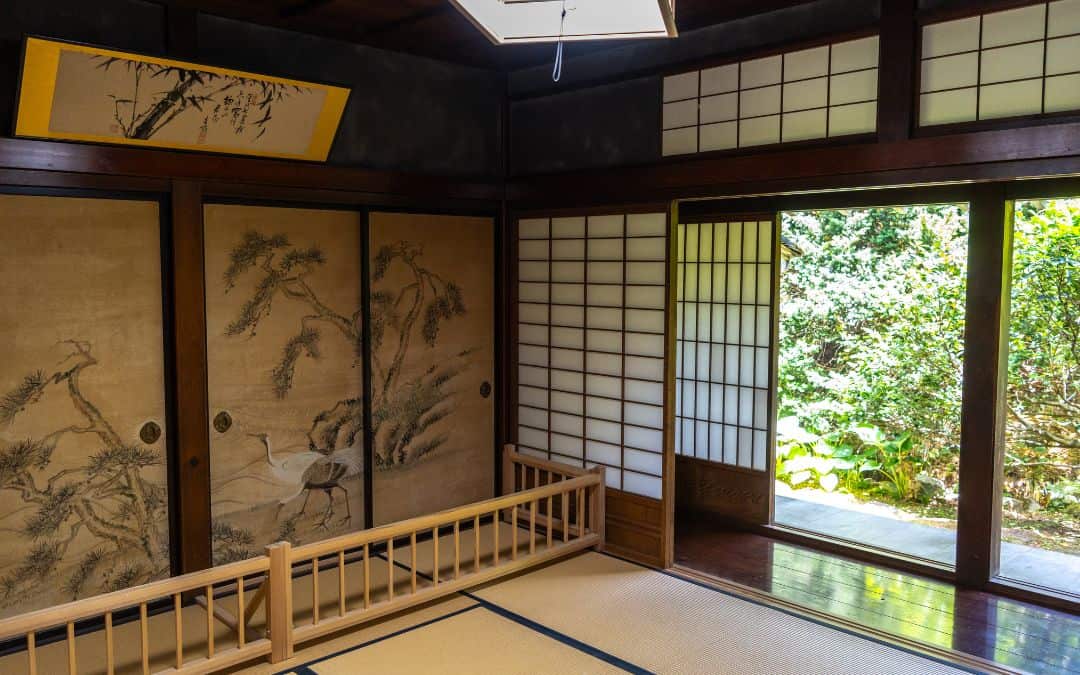
Wada House is probably the most impressive house you can visit from the inside. It has four floors and each level shows how the families who built the village lived: tools, utensils, traditional clothing, and even the spaces where they raised silkworms on the upper floors (sericulture was key to the local economy). The internal wooden structure is imposing. Many travelers recommend spending at least 20-30 minutes exploring it at your own pace.
Walking through the Village: Getting Lost in its Streets
Beyond the spots “marked on the map,” one of the best things you can do in Shirakawa-Go is simply walk without a fixed destination. The dirt and stone paths, the water channels, the gardens with hydrangeas and wildflowers… everything has a particular charm. We ventured into some secondary alleys that were almost empty, and that was where we enjoyed the magic of the place the most. That tranquility, away from the main flow of tourists, is something priceless.
When Is the Best Time to Visit Shirakawa-Go
The village has something special in every season, but the two most recommended are clearly winter and autumn.
- Winter (January – February): With snow, Shirakawa-Go becomes otherworldly. The houses covered in white are spectacular. On weekends in January and February, there are night illumination events where the village is filled with lights in the winter darkness. It is the most photogenic time, although also the coldest and most crowded.
- Autumn (October – November): The foliage colors with the gassho-zukuri houses in the background are absolutely beautiful. Milder temperatures and fewer crowds than in winter.
- Spring (April – May): With cherry blossoms in some spots, the village is also lovely. Pleasant weather for walking.
- Summer (June – August): The intense green of the mountains is very beautiful, although the heat and humidity can be quite intense.
We went during a spring-summer period and truly had a wonderful time. The green was intense, the sky was clear, and we were able to enjoy every corner without the extreme cold of winter.
👩⚕️👨⚕️ A must-have for stress-free travel! 🌎✈️ ➜ Get a Quote, Compare & Buy
How to get to Shirakawa-Go from Takayama
The most convenient way to get to Shirakawa-Go is from Takayama, and that is exactly what we did. From there, there are direct buses that operate year-round with the Nohi Bus company. The trip takes approximately 50 minutes and the buses are comfortable and punctual, as is customary in Japan. For our visit, we bought tickets at the Takayama bus terminal without any problem.
You can also arrive from Kanazawa in about 75-80 minutes, which makes it an ideal stop if you are touring the Takayama – Shirakawa-Go – Kanazawa circuit (or vice versa). In our case, during the month we spent traveling through Japan, this triangle was one of the most beautiful segments of the entire trip. If you want to know more about things to do in Takayama, we have a complete guide that will be perfect for organizing your base in the area.
Options to get to Shirakawa-Go:
- From Tokyo: Shinkansen train to Nagoya or Toyama, then an express bus to Shirakawa-Go.
- From Osaka or Kyoto: Shinkansen to Nagoya and then a direct bus.
- From Kanazawa: Direct Nohi Bus, approximately 75 minutes.
- From Takayama: Direct Nohi Bus, approximately 50 minutes. This is the most popular and convenient option.
Day Trip from Takayama: Is It Worth It?
Totally! We did exactly that and it was one of the best decisions of the trip. We left early in the morning from Takayama, arrived at the village, spent about 4-5 hours exploring everything calmly, and returned in the afternoon. The time is more than enough to see the main points, hike to the viewpoint, and get lost for a while in the streets.
Most visitors do Shirakawa-Go as a day trip, and it works very well. That said, if you want to experience the winter night illumination or simply immerse yourself more in the atmosphere of the village, you can choose to stay in one of the local minshuku, which offer traditional food included. It is a different and highly recommended experience.
If there is a charming village, this is it… Shirakawa-go! We took a day trip from Takayama to this magnificent village! It is worth visiting 👍🏻👏
How Much Time Do You Need in Shirakawa-Go?
For a complete and relaxed visit, a minimum of 3-4 hours is enough to see the main points. If you want to go up to the viewpoint, visit one or two houses inside, take photos calmly, and explore the secondary streets, count on 4 to 5 hours. With more time, you can also visit the nearby villages of Gokayama.
Where to Eat in Shirakawa-Go
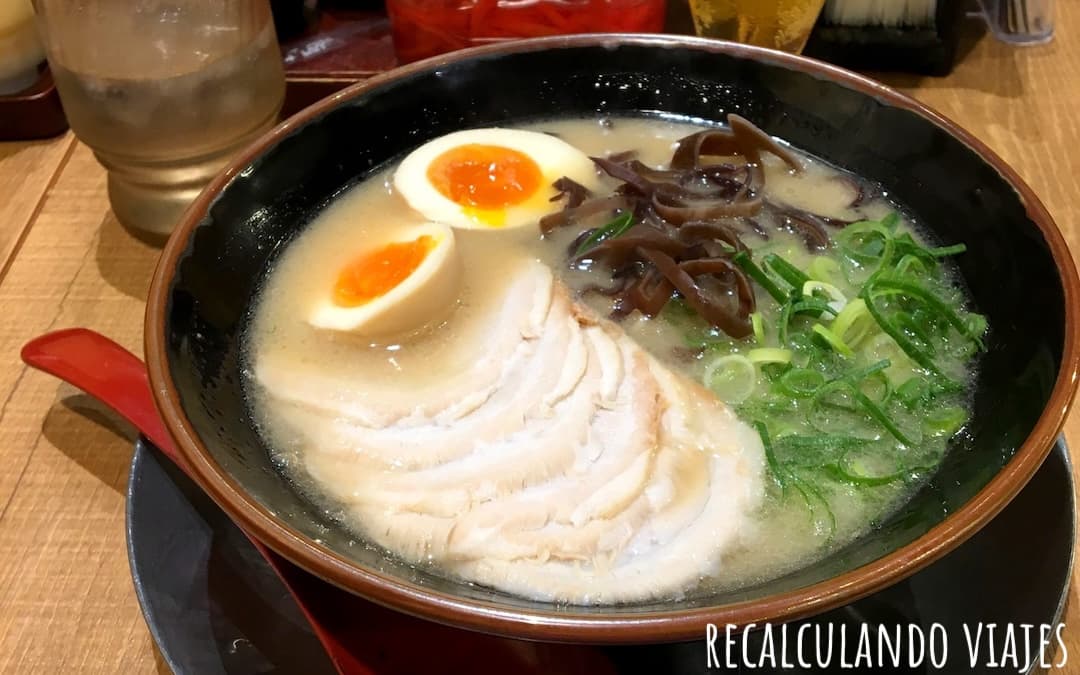
The gastronomic offer of the village is not huge, but it has some very tasty options. The most typical is hoba miso, a local dish where miso paste is grilled with vegetables and pork or tofu on a magnolia leaf. There are several restaurants on the main street that serve it, and it is well worth trying. We had lunch there and it was delicious.
You will also find street stalls with mitarashi dango (rice dumplings with sweet soy sauce), hot drinks, and traditional snacks. If you are a fan of Japanese cuisine, we leave you our guide on Japanese food so you arrive in Japan prepared with all the recommendations.
Practical Tips for Your Visit to Shirakawa-Go
- Arrive early: Tour groups arrive in the mid-morning and the village gets quite crowded. If you can be there at opening time, you will enjoy incredible peace.
- Book the bus in advance: In high season (especially in winter during the illuminations), buses sell out. Buy tickets online or at the terminal in advance.
- Carry cash: Some shops and museums do not accept cards.
- Respect privacy: Many houses are private homes. Do not enter gardens or peer through windows.
- Comfortable clothing: You will walk quite a bit, including the climb to the viewpoint. Sneakers or comfortable footwear is essential.
- Charge your phone battery: The photos won’t stop. We promise it’s not an exaggeration.
And of course, if you are traveling to Japan (or anywhere in the world), don’t forget to take out good travel insurance. It is something we always do before leaving, and it can save you from more than one scare. If you want to see the best options, we recommend checking our guide to the best travel insurance.

Shirakawa-Go in the Context of a Trip Through Japan
Shirakawa-Go fits perfectly into any itinerary through central Japan. If you are coming from Tokyo, the classic route passes through Kanazawa, then Takayama with the excursion to Shirakawa-Go, and then down towards Osaka or Kyoto. We did almost exactly that during our month in Japan, and it was a spectacular itinerary.
If you are still putting your trip together, we recommend visiting our guide on things to do in Kanazawa, which is on the way to Shirakawa-Go and is another one of those cities that stole our hearts. And if you are still in the initial stages of planning, our guide on how to plan your trip will give you a solid foundation to organize everything.
Can You Visit Shirakawa-Go with Children?
Yes, without a problem. The village is completely accessible and children usually enjoy the atmosphere, especially the walk between the houses and the climb to the viewpoint. There are no great distances to cover and the pace can be relaxed. The only thing to consider is that in winter with snow, the ground can be a bit slippery, so with small children it is important to wear appropriate footwear.
Frequently Asked Questions about Things to do in Shirakawa-Go
How much does admission to Shirakawa-Go cost?
There is no admission fee to walk through the village. What costs money are some houses that function as museums: admission to Wada House costs around 400 yen and other houses have similar prices. The Shiroyama viewpoint is freely accessible.
How long do the buses from Takayama to Shirakawa-Go take?
Approximately 50 minutes. Nohi Bus company buses leave several times a day from the Takayama bus terminal. The round-trip ticket price is around 2,600-2,800 yen currently, although it is worth checking current rates at the time of travel.
Is it necessary to book the bus in advance?
In the normal season, it is not essential, but in winter during the illumination events, demand is very high and it is recommended to buy tickets well in advance. In our case, we bought them on the same day without a problem because we traveled in spring.
Is there accommodation in Shirakawa-Go?
Yes. There are several minshuku (traditional inns) in gassho-zukuri houses that offer lodging with dinner and breakfast included. It is a very particular experience although considerably more expensive than staying in Takayama or Kanazawa. Most require booking well in advance.
What is the difference between Shirakawa-Go and Gokayama?
They are two areas declared UNESCO World Heritage sites together. Shirakawa-Go is the most touristically developed, with more houses, more services, and more visitors. Gokayama, a bit further north, is smaller and quieter, with a more authentic and less touristy atmosphere. Many travelers with more time combine both on the same day.
Can you go to Shirakawa-Go by rental car?
Yes, it is possible. There are paid parking lots at the entrance of the village (you cannot drive inside). However, the bus from Takayama is so comfortable and economical that in most cases, it doesn’t make much sense to rent a car just for this.
Is it worth visiting Shirakawa-Go with little time in Japan?
If you have less than a week in Japan and your base is Tokyo, it probably won’t fit into the must-sees given the travel time. But if you are in the Takayama or Kanazawa area even for a couple of days, the answer is a resounding yes. You cannot leave without seeing it.
Conclusion: Shirakawa-Go Is Simply Unforgettable
Shirakawa-Go is one of those places that remain etched in memory forever. It’s not just that it is “pretty” or “picturesque”… it has something difficult to explain. Perhaps it is the feeling of being in a Japan that hasn’t changed in centuries. Perhaps it is those impossible thatched roofs, those houses that look like something out of a fairytale. Or perhaps it is simply the combination of everything: the village, the mountains, the silence, the fresh air of the alpine region.
If you are planning your trip to Japan, do not miss including Shirakawa-Go in your itinerary. From Takayama, it is very easy to get to, and it will give you one of the most unique experiences in the entire country. We had a wonderful time and left very much wanting to return, this time in winter, to see those houses covered in snow that we had seen so much in photos. We assure you that you will not regret it!
Have you already visited Shirakawa-Go or are you planning to do so soon? Tell us in the comments!
Other articles for your trip to Japan
- Japanese Food: The 2026 Guide with 10 Incredible Secrets to Enjoy its Cuisine
- Things to do in Kanazawa Japan: The Essential Guide for Not Missing a Thing in…
- Things to do in Nara Japan: 10 Must-Visit Places You Can’t Miss + Map
- Things to do in Miyajima: the ultimate guide to Japan’s most magical…
- 15 essential things to do in Japan (with map)
- Things to do in Hiroshima: 12 Must-See Places + Miyajima (2026 Guide)
- Things to do in Kyoto: 15 Must-Visit Places in Japan’s Ancient Capital
- 15 must-see things to do in Osaka (with map and itinerary)
ℹ️ **Full Transparency**
This article contains affiliate links. If you book through these links, we may receive a small commission at no extra cost to you. We only recommend services that we use on our travels and trust. This helps us keep this blog free and continue creating useful content for you. Thank you for your support!
🔗 Resources & Useful Links for your trip to Shirakawa-go
Do you have questions or want to add your own recommendations about things to do in Shirakawa?
💬 Leave your comment or write to us, we love reading about the experiences of other travelers.
Thank you very much for being part of this adventure!— Nanu & Facu 🌎 | Recalculando Viajes 💜