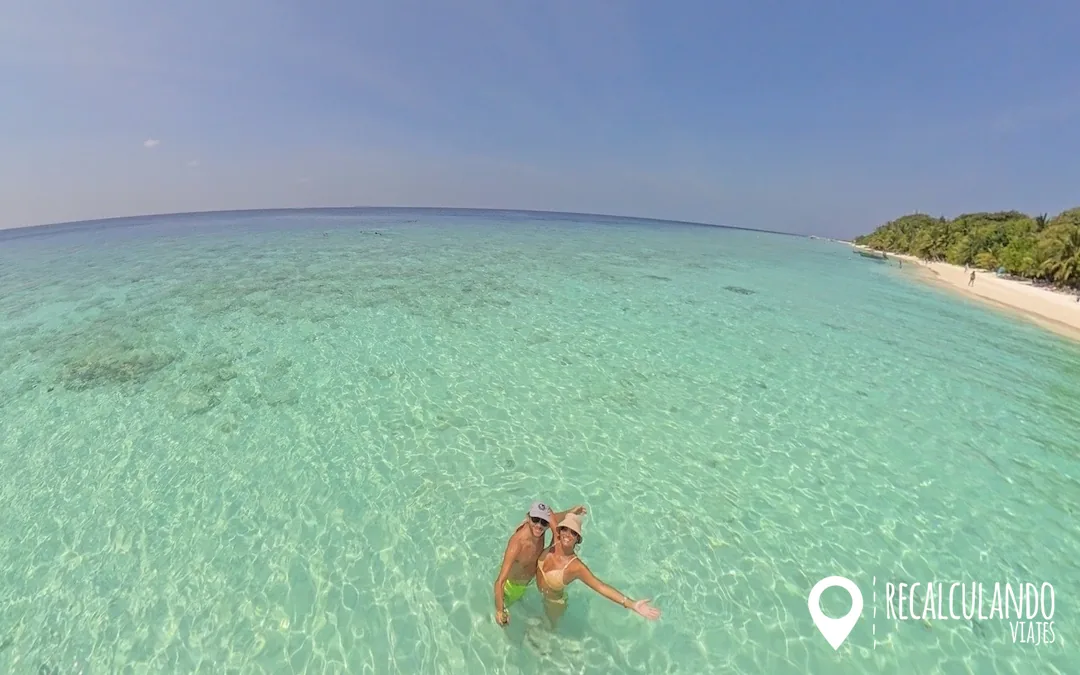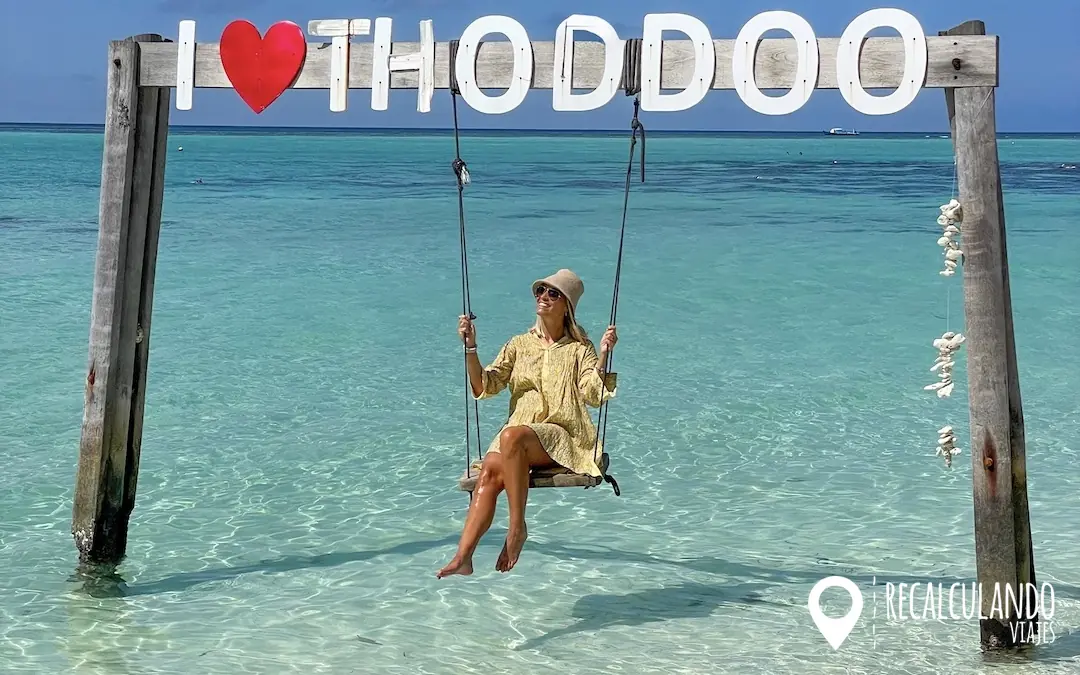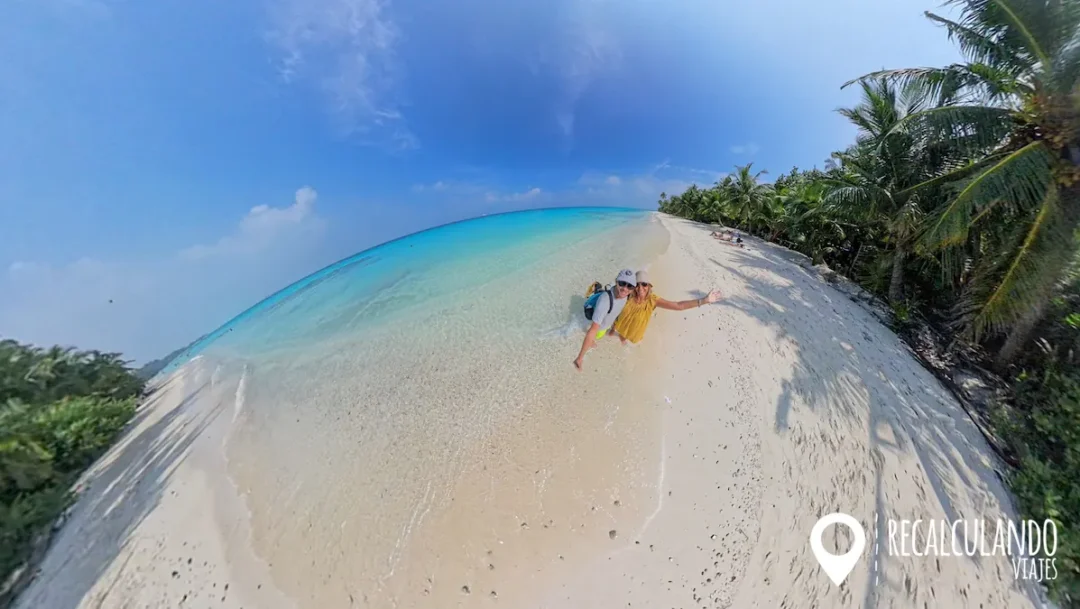
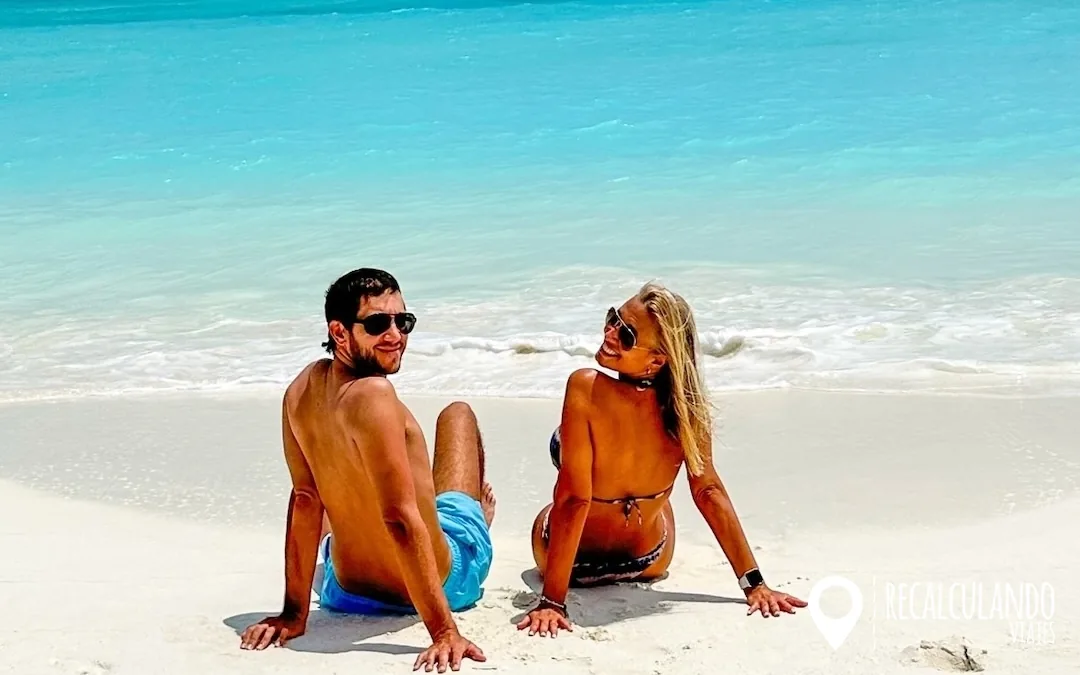
When we arrived in Fulidhoo after years of traveling through Southeast Asia, we didn’t expect to find this wonderful and authentic Maldives island (Fulidhoo guide: things to do). This small island in the Vaavu Atoll welcomed us with almost deserted white sand beaches, a genuinely friendly local community, and experiences that go far beyond luxury resorts.
During our seven days on the island, we discovered that Fulidhoo is the perfect destination for those seeking to connect with real Maldivian culture, snorkel in pristine reefs, and enjoy paradise without the crowds.
In this guide, we tell you everything you need to know about things to do in Fulidhoo, from the best beaches to unforgettable underwater experiences, including practical tips we wish we had known before arriving.
🌍 Travel Insurance: 5% Off with IATI Seguros! 🌟
Take advantage of this offer and travel safe.
Summary: The Essentials of Fulidhoo
| Question | Answer |
|---|---|
| How many days do I need in Fulidhoo? | We recommend at least 3-4 days to enjoy the beaches, snorkel, and get to know the local culture without rushing. |
| What is the best time to visit? | From November to April (dry season). We went in February and the conditions were perfect. |
| Is it expensive to travel to Fulidhoo? | It’s one of the most budget-friendly options. We spent between 80-120 USD per day per couple (accommodation + food). |
| How to get to the island? | Public ferry (3 hours, 3 USD) or speedboat (1.5 hours, 40 USD per person). |
| Are there ATMs? | No. It is essential to bring dollars or rufiyaa in cash from Malé. |
| Can you swim with stingrays? | Yes. You will find tours from 35 USD. |
| Are there alcohol restrictions? | It is a Muslim local island: alcohol is not sold or permitted. It is only offered on excursions to sandbars or day visits to luxury resorts. |
| Do I need snorkeling gear? | It can be rented for approx 5 USD/day. Some accommodations offer it for free, but we recommend bringing your own mask for free snorkeling. |
How to get to Fulidhoo
Fulidhoo is located in the Vaavu Atoll, about 55 km from Malé. It can be reached in two ways: local ferry or speedboat. We chose the speedboat for comfort and time.
- Speedboat: takes approximately 1 hour. It’s more expensive but much more comfortable.
- Local ferry: takes between 3 and 4 hours, it is cheap but slow and with limited schedules.
A key tip: coordinate the transfer with your accommodation. They usually help you and avoid headaches.
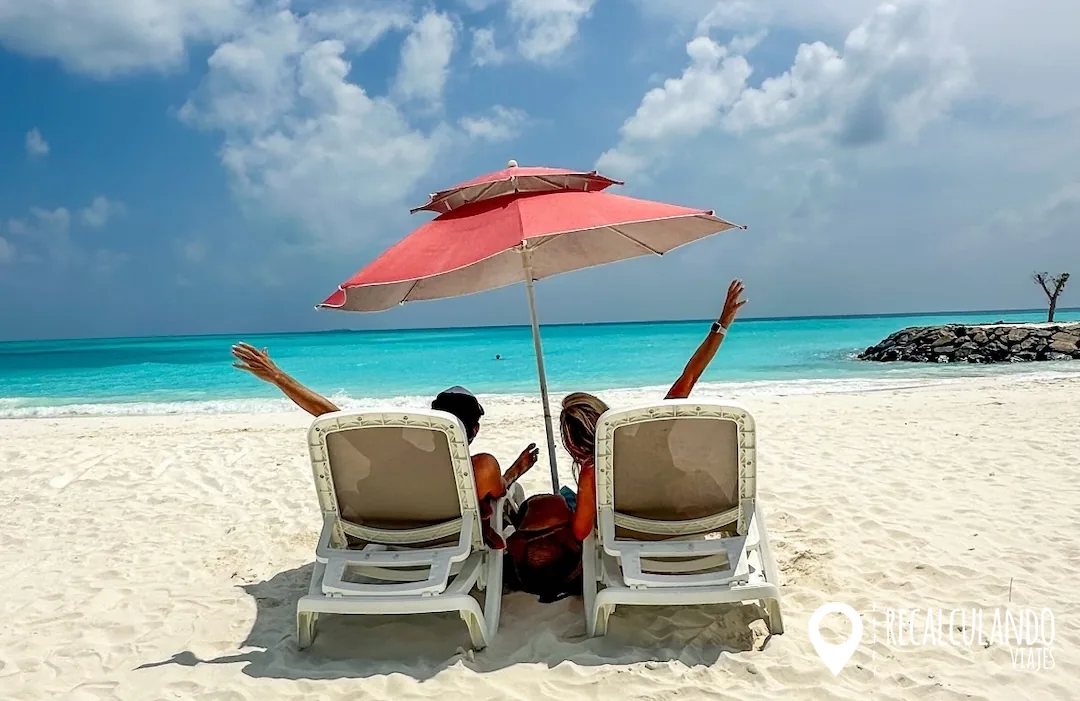
Things to do in Fulidhoo – 10 places and activities in Fulidhoo
Fulidhoo Beaches
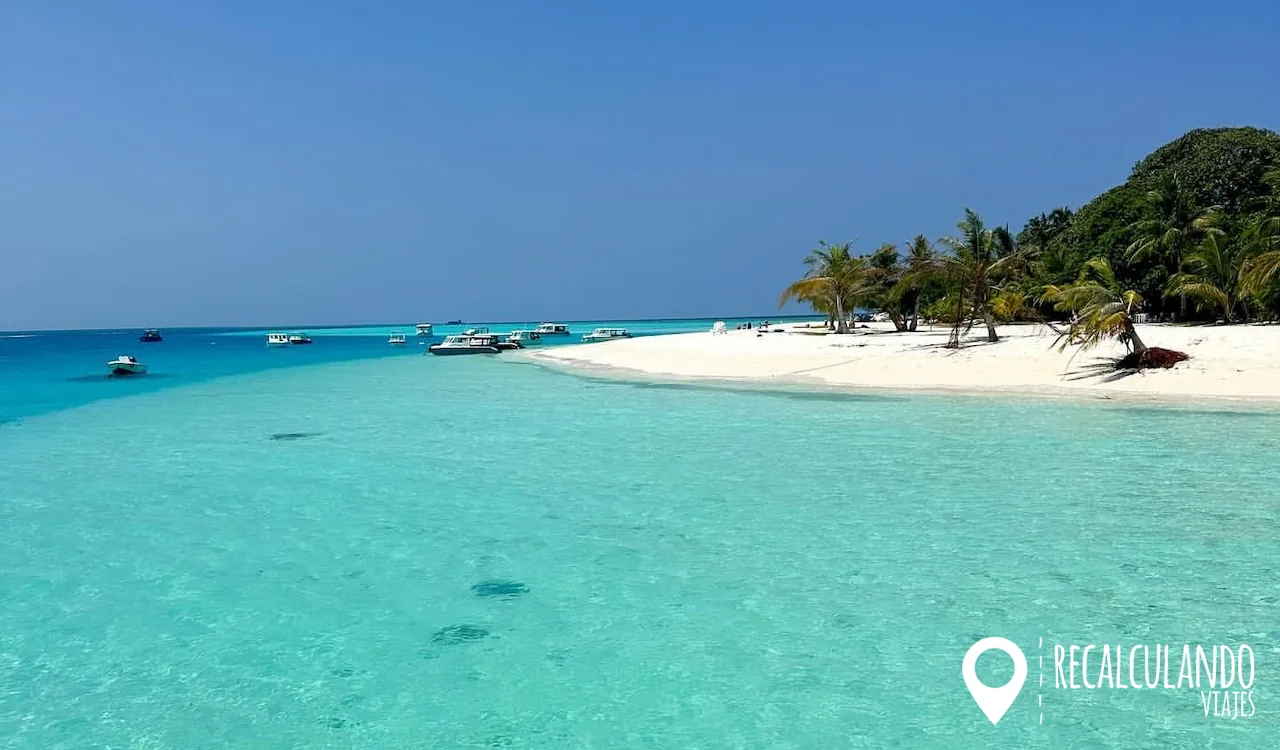
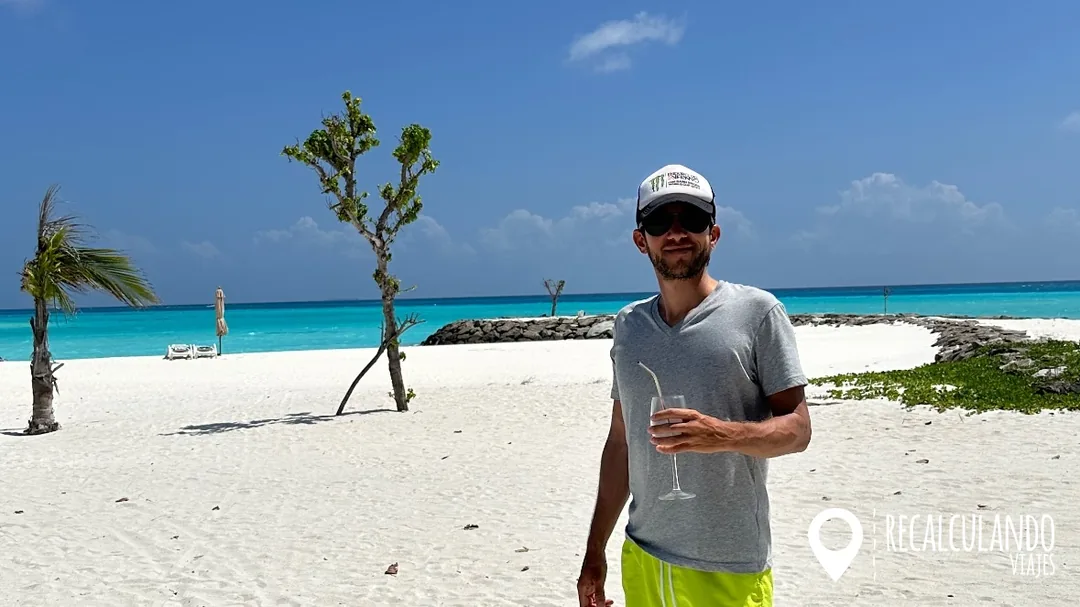
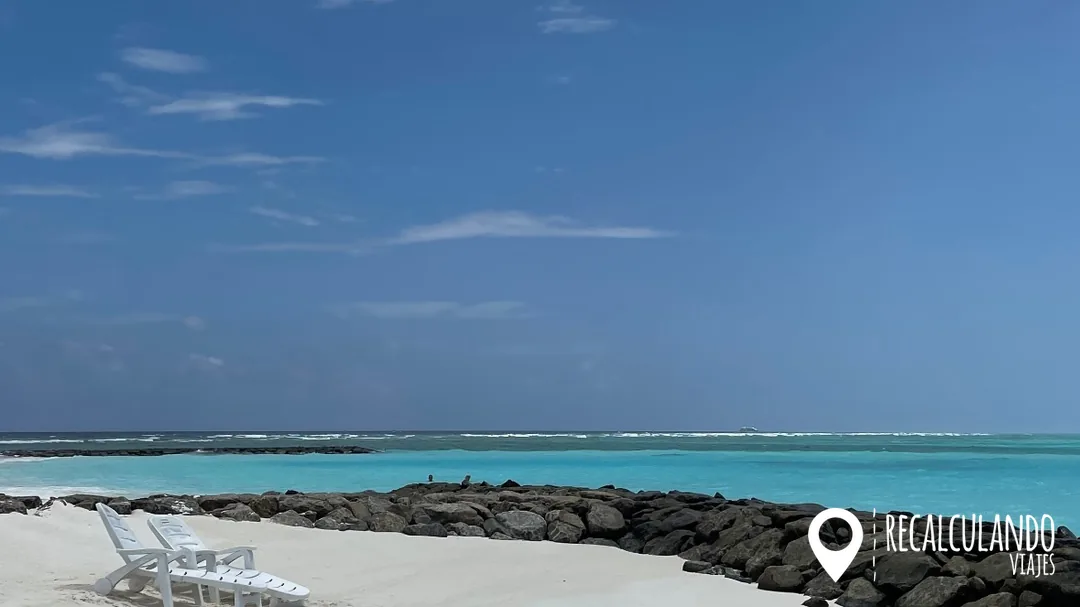
Fulidhoo beaches are postcard-perfect. White sand, turquoise water, and almost nobody around. The island is so small that in a few minutes of walking, you can reach any point.
The main beach surrounds a large part of the island and is perfect for relaxing, walking, or just sitting and watching the sea.
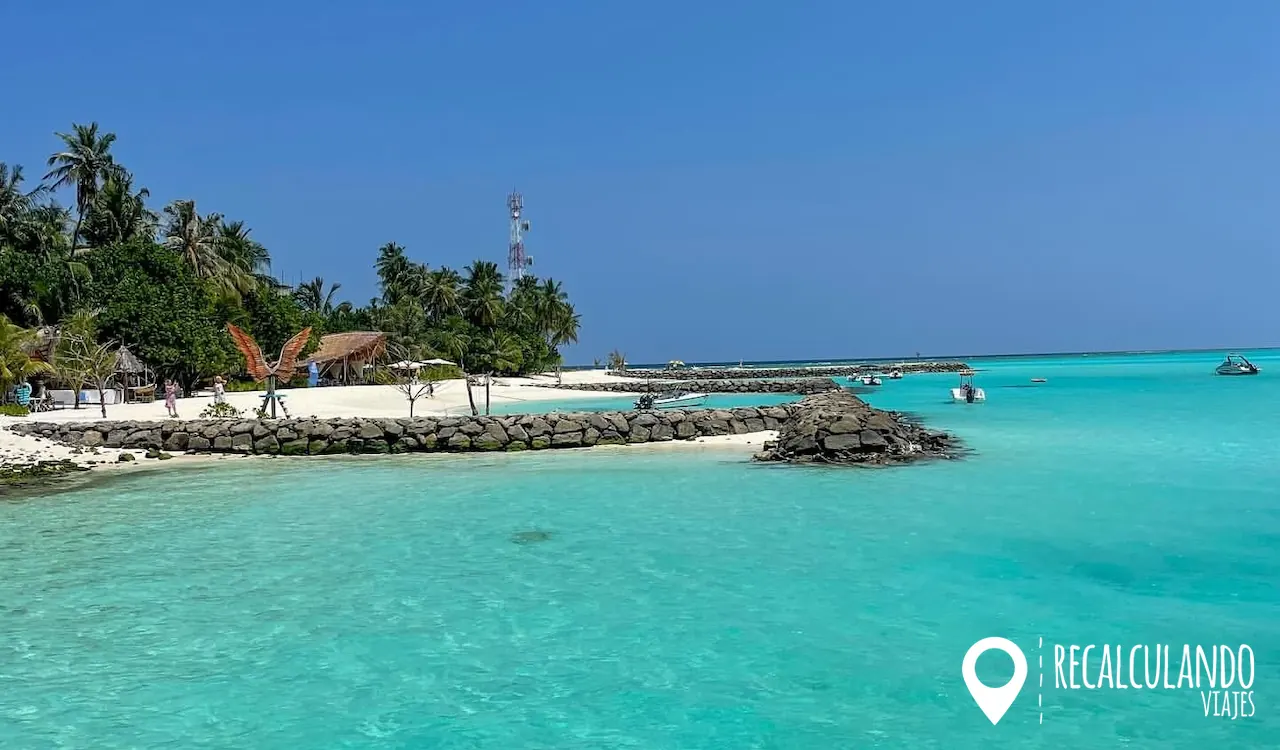
1. Bikini Beach: Your Personal Paradise in Fulidhoo
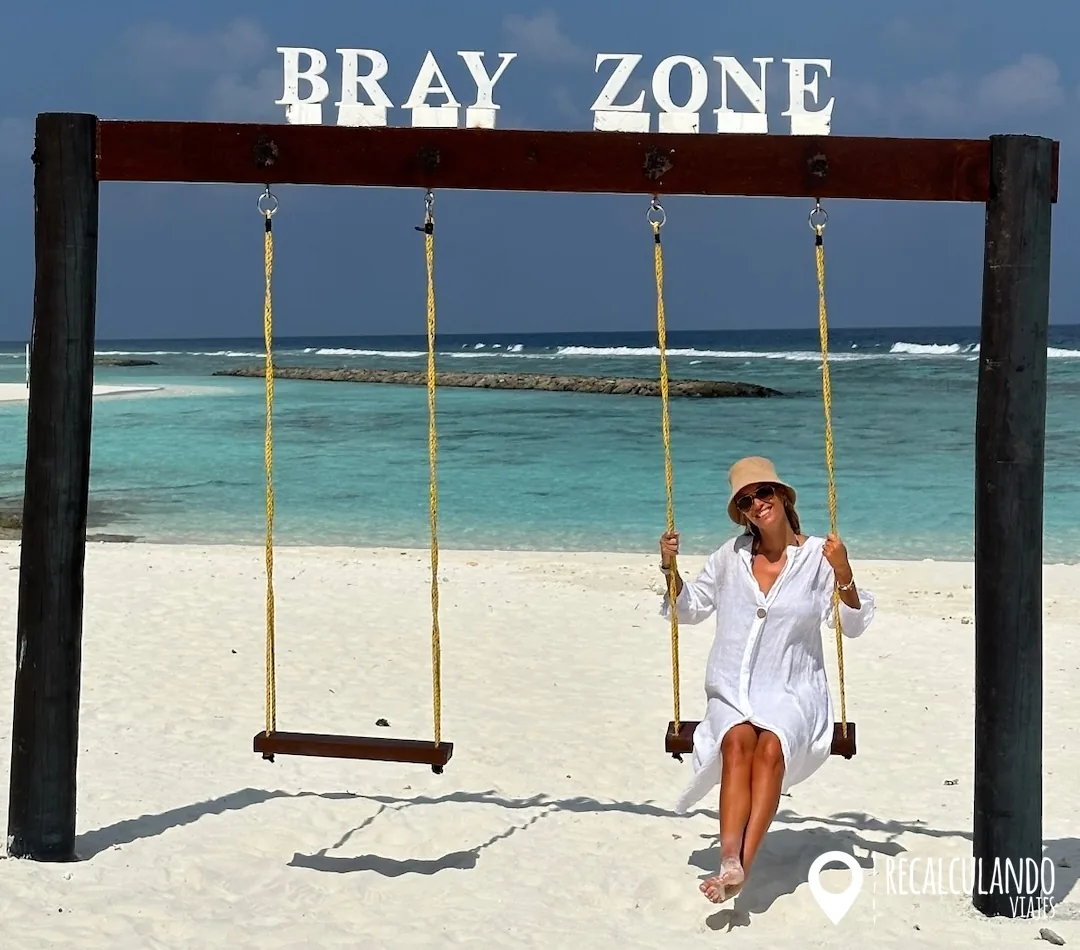
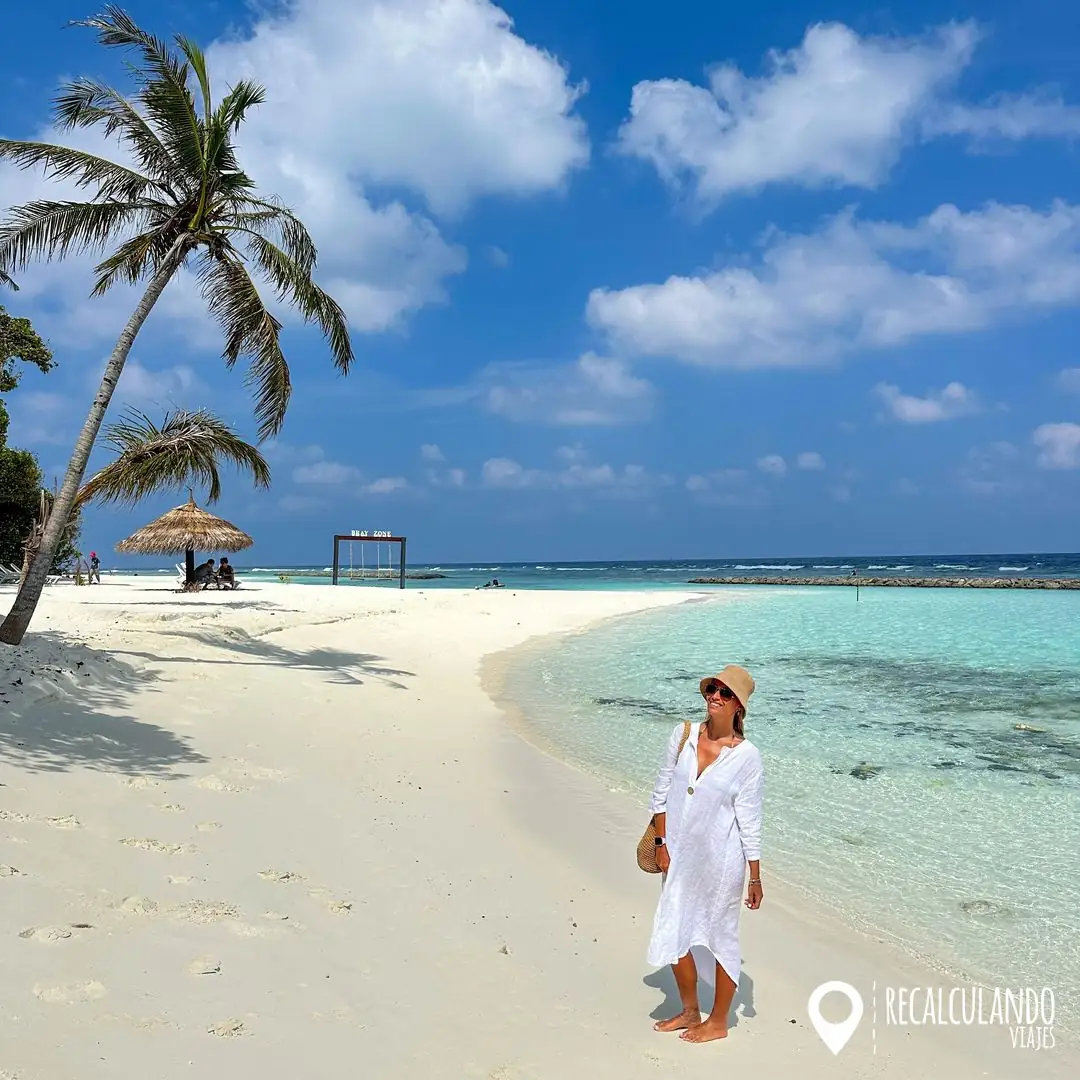
Bikini Beach in Fulidhoo became our daily refuge throughout the week. This beach designated for tourists is the only place on the island where we can wear a normal swimsuit or bikini, and believe us when we say it is one of the most beautiful spots we saw in Maldives. The sand is so white and fine that it looks like talcum powder, the water has that unforgettable turquoise color that looks photoshopped, and best of all: there are rarely more than five or six people there at the same time.
- Time needed: Half a day minimum, although we returned every afternoon
- Best time: Early in the morning (6-9 AM) or at sunset (4-6 PM) to avoid the strong sun
- Cost: Free, open access
- What to bring: Biodegradable sunscreen, water, your own snorkel, hat
- Location: Western end of the island, 5 minutes walk from any guesthouse
Tip: The beach has few natural shade areas under the trees, but they are limited. Arrive around 9 AM if you want to secure a good spot. We would bring a large towel and stay for hours reading, eating something between dips in that incredible sea.
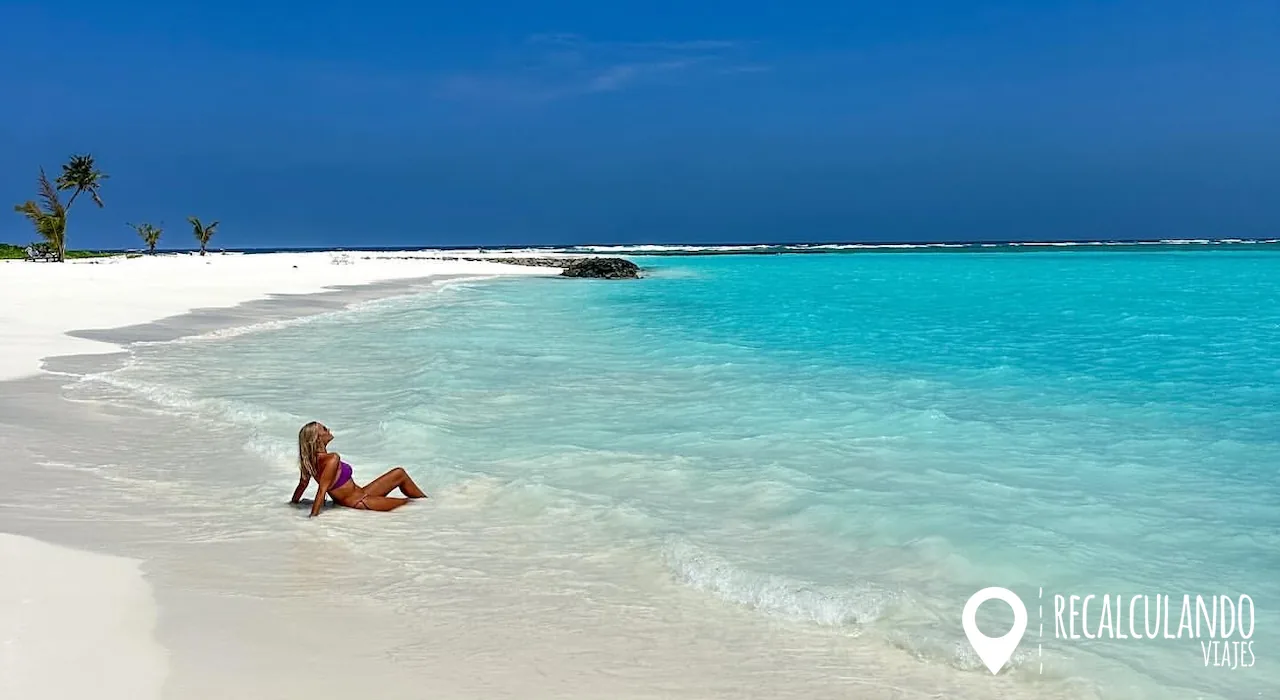
Snorkel Directly from the Beach
What makes Bikini Beach unique is that you can do spectacular snorkeling directly from the shore. You don’t need a tour or a boat: you simply enter the water, swim about 20-30 meters to the left, and the reef appears full of life. Just be careful because at times it can have quite a swell.
Did you know…? Fulidhoo has only 250 permanent inhabitants, but receives approximately 3,000 visitors per year. This means that at any given time there are barely 15-20 tourists on the whole island, creating a much quieter experience than the tourist islands where hundreds of people arrive daily.
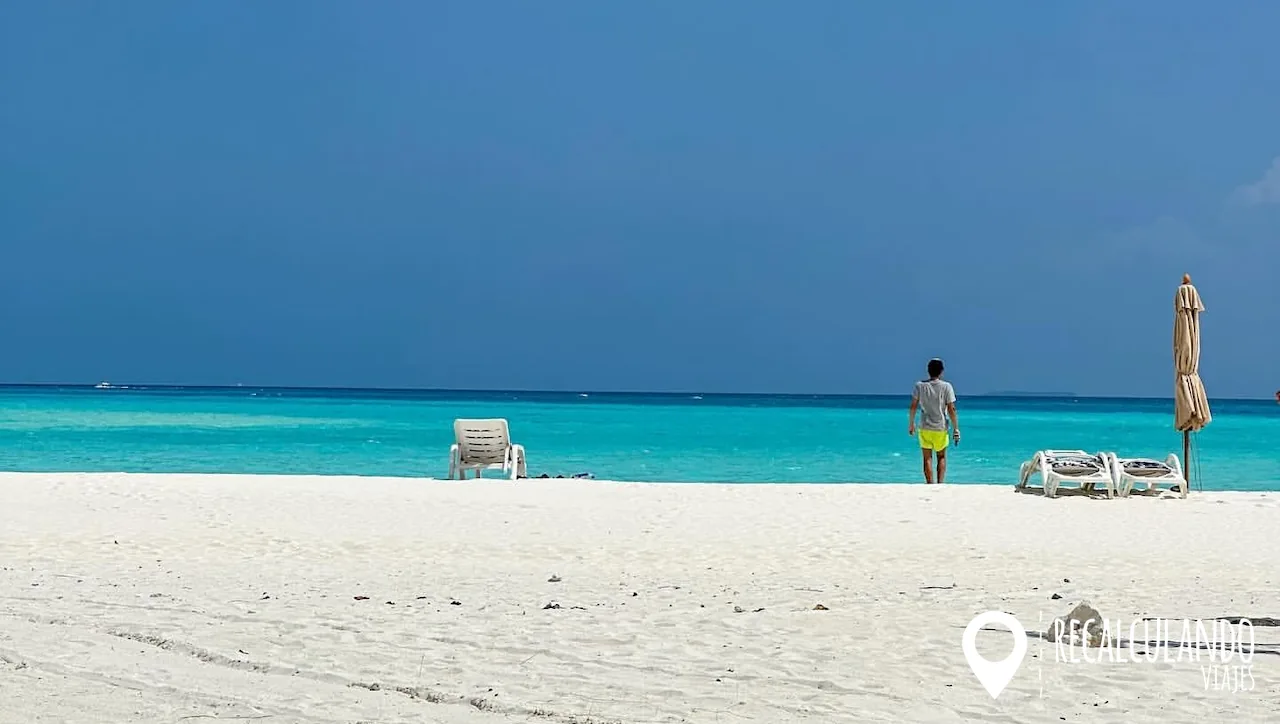
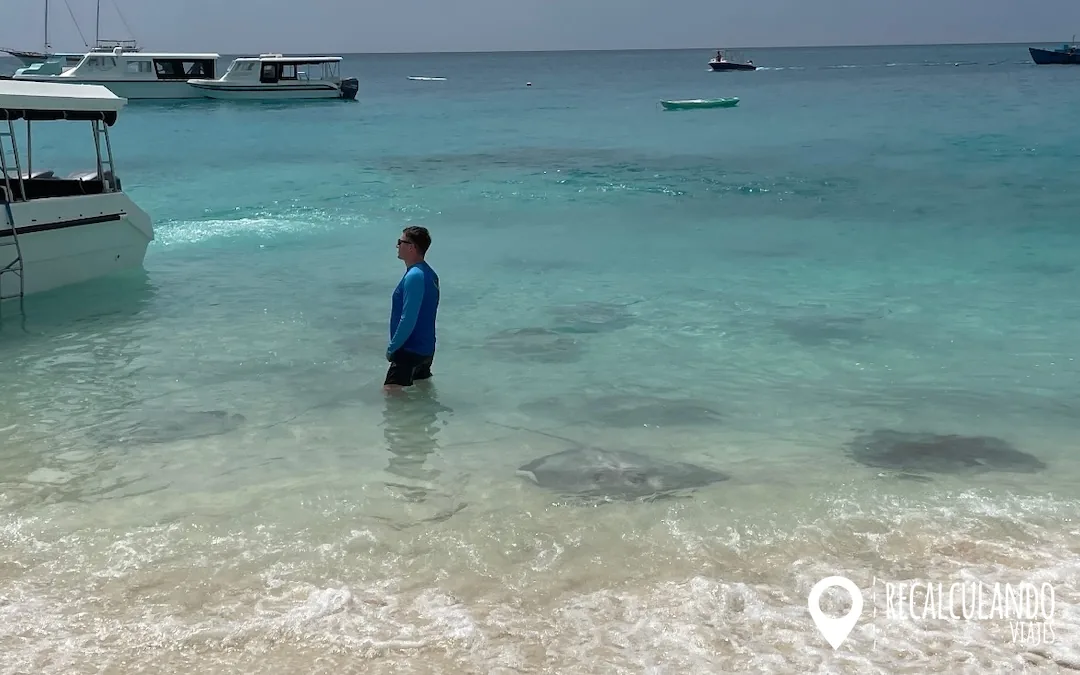
2. See Giant Rays / Walk along the coast of Fulidhoo
Often you can see giant rays on the coast. Their size is impressive! Keep in mind that they often approach because they are fed for the ‘photo’ (Feeding). It is not something good for animal life.
4. Coral Reefs: Virgin Underwater Gardens
Fulidhoo is surrounded by some fabulous coral reefs. We are not talking about bleached or deteriorated corals, but vibrant underwater gardens full of color and life. There are several snorkeling points around the island, each with different characteristics.
- Time needed: 2-3 hours per snorkeling session
- Best time: Early in the morning when the water is calmer and clearer
- Cost: Free if you have your equipment, 5 USD/day rental. Several accommodations offer free equipment.
- Best spots: West side of Bikini Beach, north reef of the island, south channel
- Visibility: 15-25 meters on good days
Tip: Consult with your guesthouse about the currents before going. Some days there can be strong currents that can be challenging. We learned to go with the current and then walk back along the beach, instead of fighting the water. Also, bring a shirt with UV protection, because it’s easy to get sunburned on your back without realizing it.
Did you know…? The Vaavu Atoll, where Fulidhoo is located, has one of the highest coral health indexes in the Maldives with 75% live coral coverage. This is partly due to the strong currents that bring nutrients and the low tourist pressure in the area.
5. Local Village: Authentic Cultural Immersion in Fulidhoo
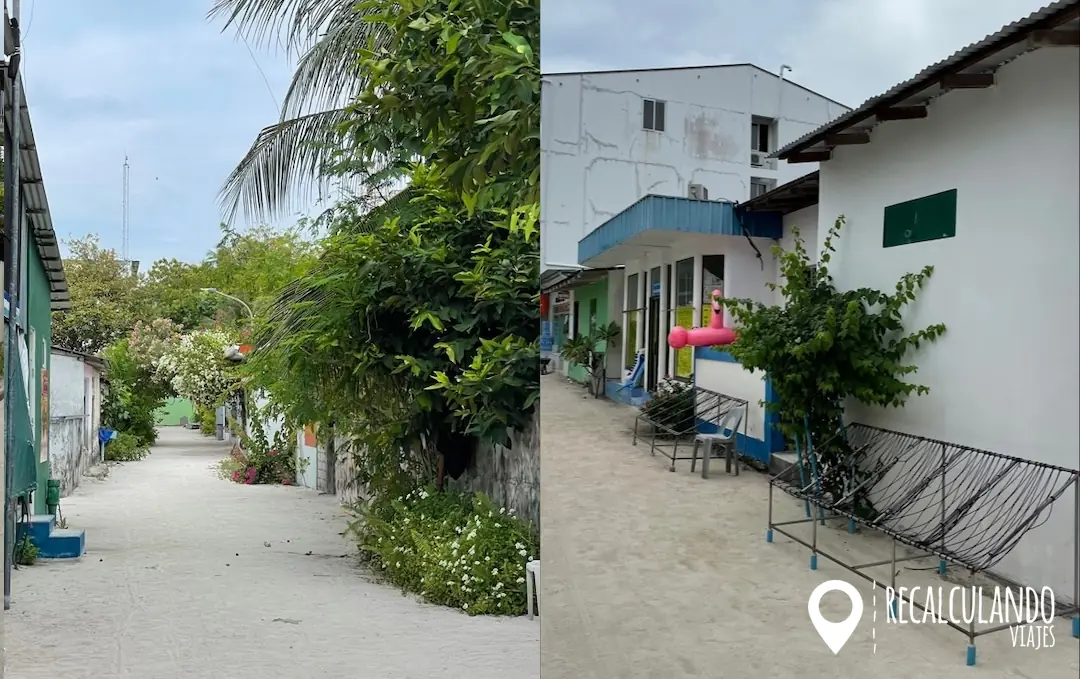
At sunset or if it was partially cloudy, strolling through the village of Fulidhoo became an activity to do in Fulidhoo. We spent a long time walking through the small village quietly and experiencing authentic local life. Unlike the resort islands, here you interact daily with the inhabitants, we saw how they live, we worked alongside fishermen who were repairing their nets, and we participated in the island routine. The village is small, it can be toured in approx 15 minutes, its streets are sandy, very special.
- Time needed: 1-2 hours to walk calmly
- Best time: Sunset when people come out of their homes
- Cost: Free
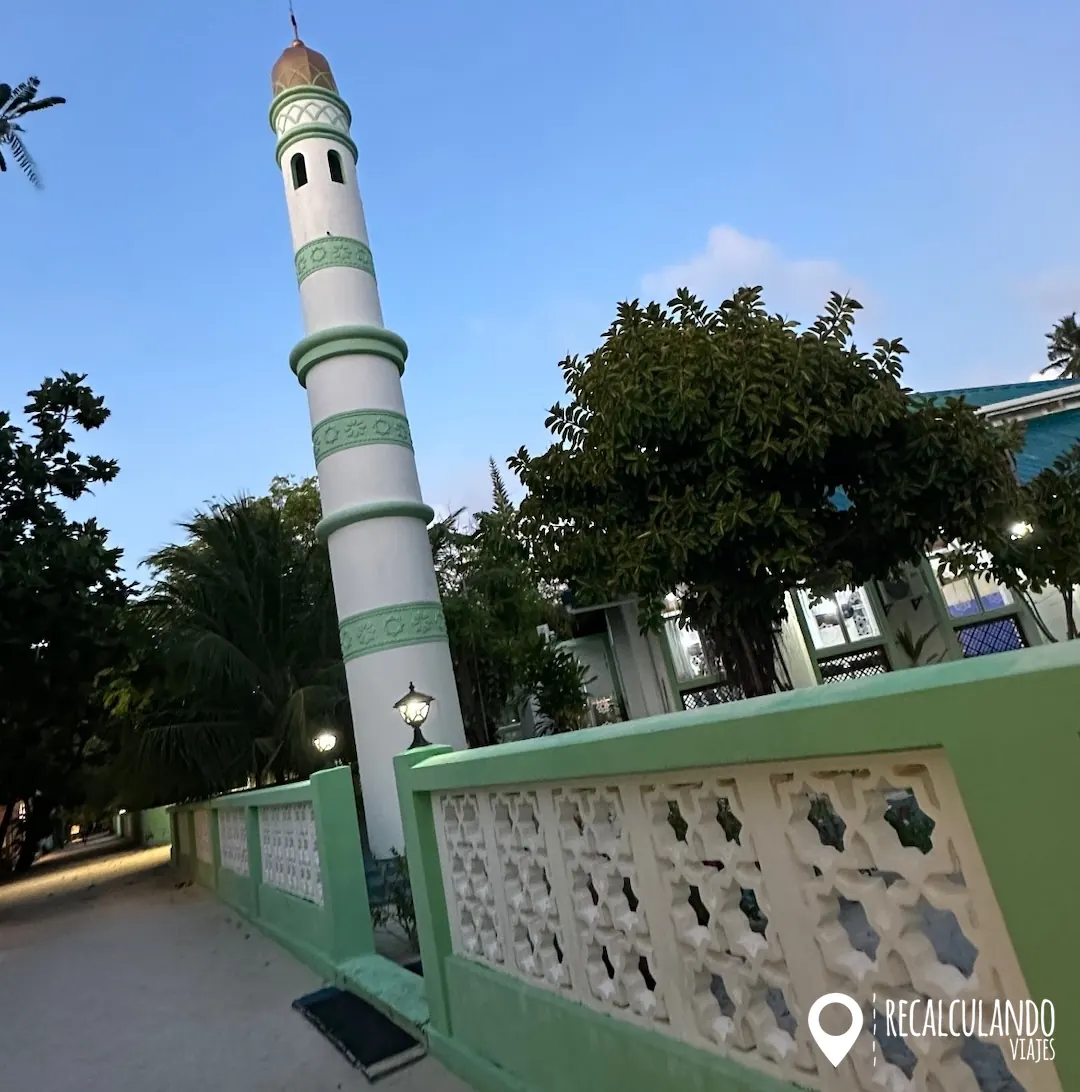
- What to see: Fishing port, mosque, school, sports courts, local shops
- Dress code: Outside of Bikini Beach, you must cover shoulders and knees out of respect
Tip: Maldivians are extremely friendly and many speak basic English. Don’t be afraid to say hello and chat. Always respect the call to prayer from the mosque, it is an important moment for the community.
The Mosque of Fulidhoo
Always respect the call to prayer from the mosque, it is an important moment for the local community.
6. Sandbank Excursions: Magical Sand Islands
Excursions to sandbanks were our favorites to feel like we were on a Maldives postcard. These sandbanks are literally small, temporary islands of white sand in the middle of the ocean, surrounded by crystal-clear turquoise water.
- Time needed: Half-day tour (4-5 hours total)
- Best time: During low tide when the banks are largest
- Cost: 40-60 USD per person, includes snorkeling, lunch, and drinks
- What’s included: Transfer, picnic, snorkeling equipment, free time on the sandbank
- Frequency: 3-4 times per week
Tip: Depending on the tour, it includes picnic, food, umbrella (otherwise ask for it) or nothing haha. Bring extra sunscreen because there is absolutely no shade. We also recommend bringing a dry bag to protect your cell phone and camera from the water and sand.
👩⚕️👨⚕️ A must-have for stress-free travel! 🌎✈️ ➜ Get a Quote, Compare & Buy
7. Night Snorkeling: Adventure under the Stars
Night snorkeling is another great experience that is recommended. We didn’t get to do it because Facu cut his toe, so I had to take care of him. They go out after sunset with special flashlights and it is from the coast or by boat, depending on everyone’s taste.
- Time needed: 1.5-2 hours (departing at dusk)
- Best time: Moonless nights to see bioluminescence
- Cost: 25-30 USD per person, includes flashlight and guide
- Level required: Intermediate, you have to be comfortable swimming in the dark
Tip: This is not for everyone. If dark water makes you nervous, better skip this activity. But if you dare, it can be a great experience.
9. Sunsets: Daily Natural Spectacle
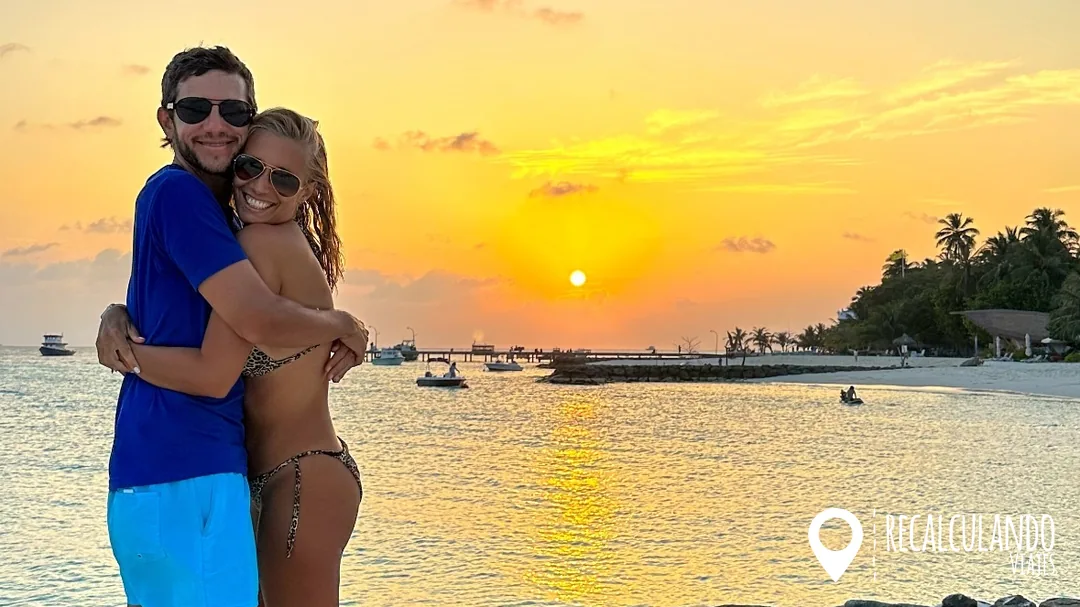
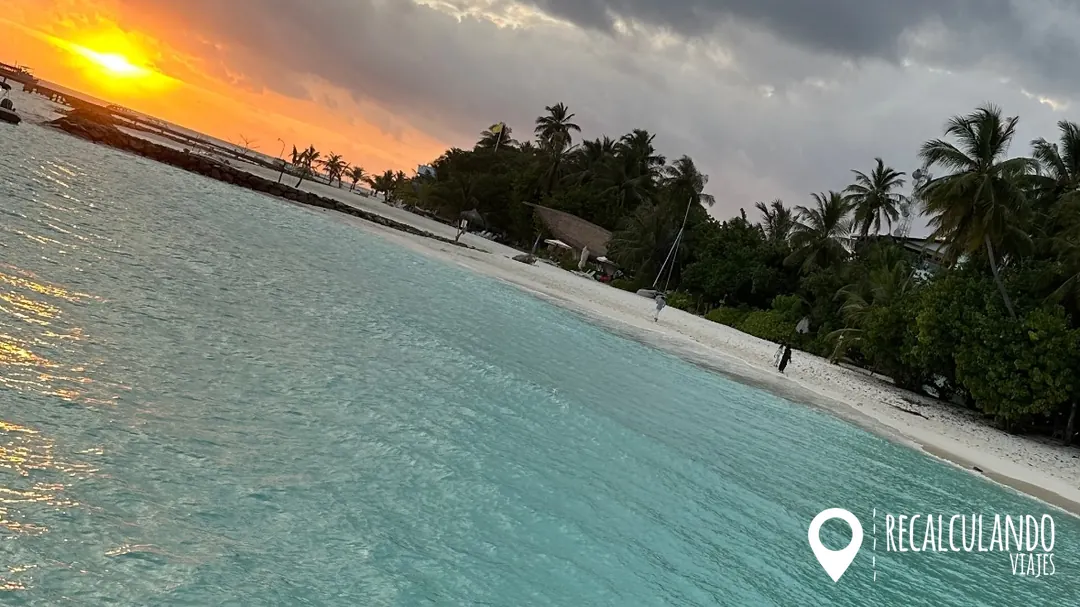
It doesn’t sound like a formal “attraction”, but watching the sunset from the main pier of Fulidhoo became our daily ritual. Each afternoon, after the beach or snorkeling, we would walk along the beach, sit with our legs dangling over the water, and watch the sky turn orange, pink, and violet. It is simple, free, and absolutely beautiful.
10. Diving: For PADI Certified
Although we didn’t dive, many travelers we met in Fulidhoo came specifically for the diving. The Vaavu Atoll is famous among divers for its channels with strong currents where large fish concentrate. There are several dive shops on the island that offer daily dives for certified divers, and the prices are very reasonable compared to the resorts.
- Time needed: Half a day for 2 dives
- Best time: November to April for better conditions
- Cost: 55-75 USD per dive, cheaper packages
- Requirement: PADI Open Water certification minimum
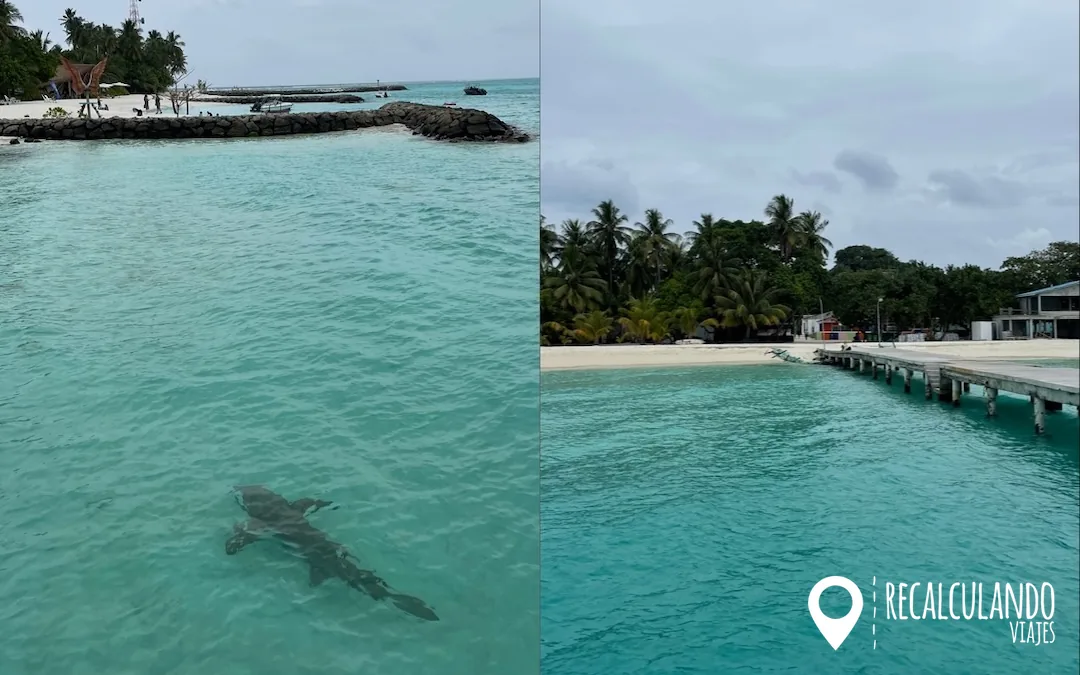
11. Shark Observation from the Beach in Fulidhoo
One activity we discovered by chance was observing sharks from the beach itself, especially during high tide. At sunset, these sharks (completely harmless) come near the coast to feed, and you can see them swimming in water that barely covers their backs. It is impressive to see those dorsal fins cutting through the water just meters from where you are standing.
- Location: Walking towards the right end of Bikini Beach, leaving the bikini beach, in the rocky area
- Species: Mainly blacktip reef sharks
Tip: These sharks are completely safe and shy. If you enter the water, they will probably leave. We spent entire afternoons watching them; it’s like being in a natural aquarium but free and without barriers.
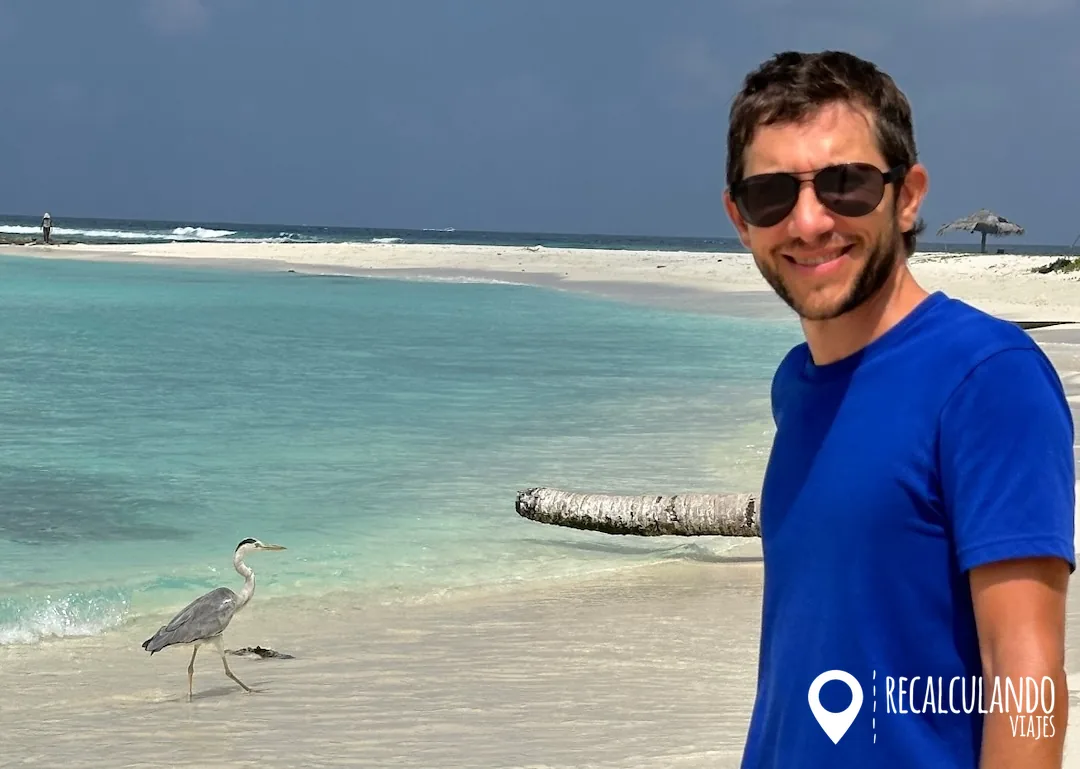
At times you see some very beautiful Birds! – Maldivian Heron
12. Kayak and Stand-Up Paddle: Explore at Your Own Pace
Several guesthouses have kayaks and stand-up paddleboards available for free or for rent for guests. It is good for exploring the coast of the island from a different perspective.
- Time needed: 1-2 hours
- Best time: Early in the morning when the water is calm
- Cost: Generally free at guesthouses, or 5-10 USD rental
- Level required: Basic, calm waters inside the lagoon
- What to bring: Water, sunscreen, dry bag for items
Tip: Don’t go too far from the coast if you are not an experienced kayaker. The currents in the channels are strong.
Where and What to Eat in Fulidhoo
The food in Fulidhoo is an interesting mix of traditional Maldivian cuisine with adaptations for tourists. Most guesthouses offer food or have their own restaurant, and we opted to eat there several times and it was excellent.
Chef Shamal (from Sri Lanka) prepared excellent food! Plus excellent chats with him. Thank you very much!
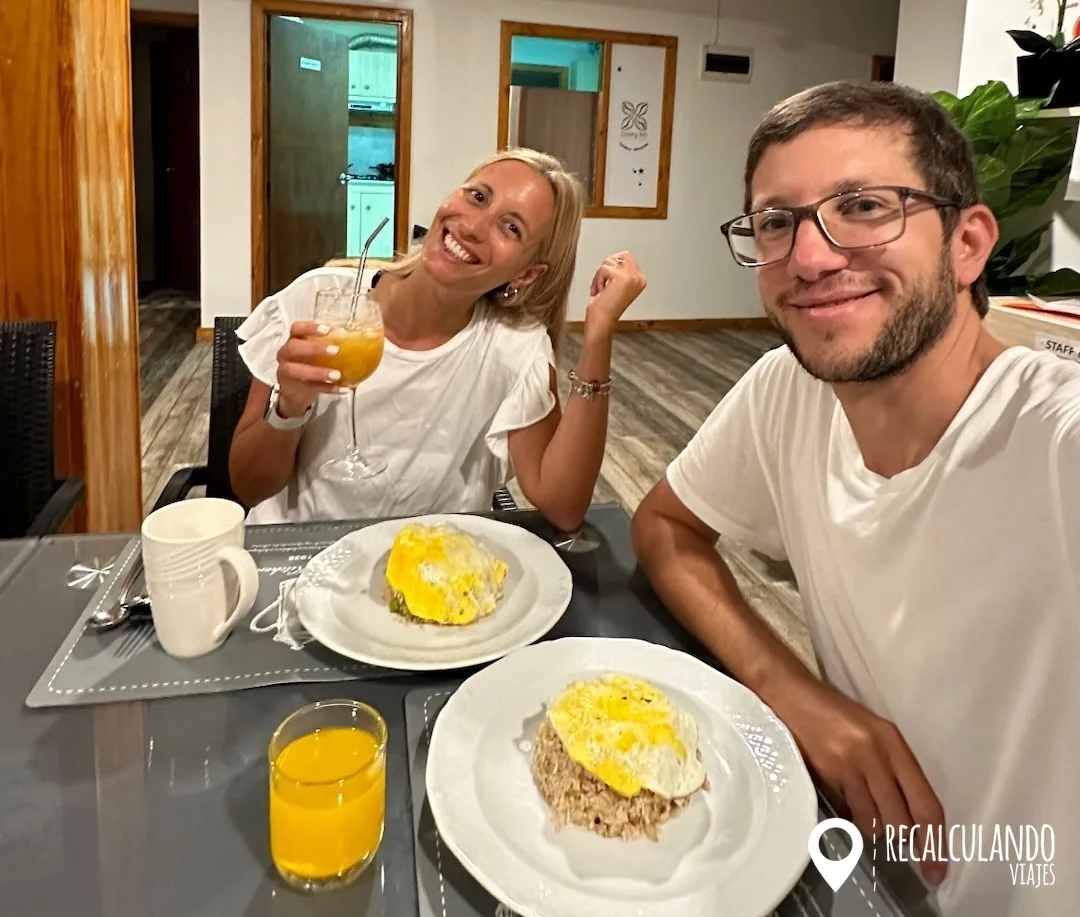
Typical Dishes We Tried
The national dish of Maldives is Garudhiya, a clear fish soup (usually tuna) served with rice, lime, onion, and chili. It is simple but it is very good, perfect after a day at sea.
Also very common:
- Vegetable curry rice
- Tuna fried noodle
- Garlic fried rice
We tried Mas Huni, a traditional breakfast of shredded smoked tuna with grated coconut, onion, and chili, served with roshi (Maldivian flatbread). It is intense in flavor but delicious.
Riha is a Maldivian curry, less spiced than the Indian versions but with a lot of coconut flavor. They served us versions with chicken, fish, and vegetables. Bajiya are fried empanadas filled with fish, onion, and coconut, similar to samosas but with local flavor. Perfect as a snack in the afternoon.
Gulha are fried dough balls filled with smoked tuna and coconut, perfect as a snack or appetizer.
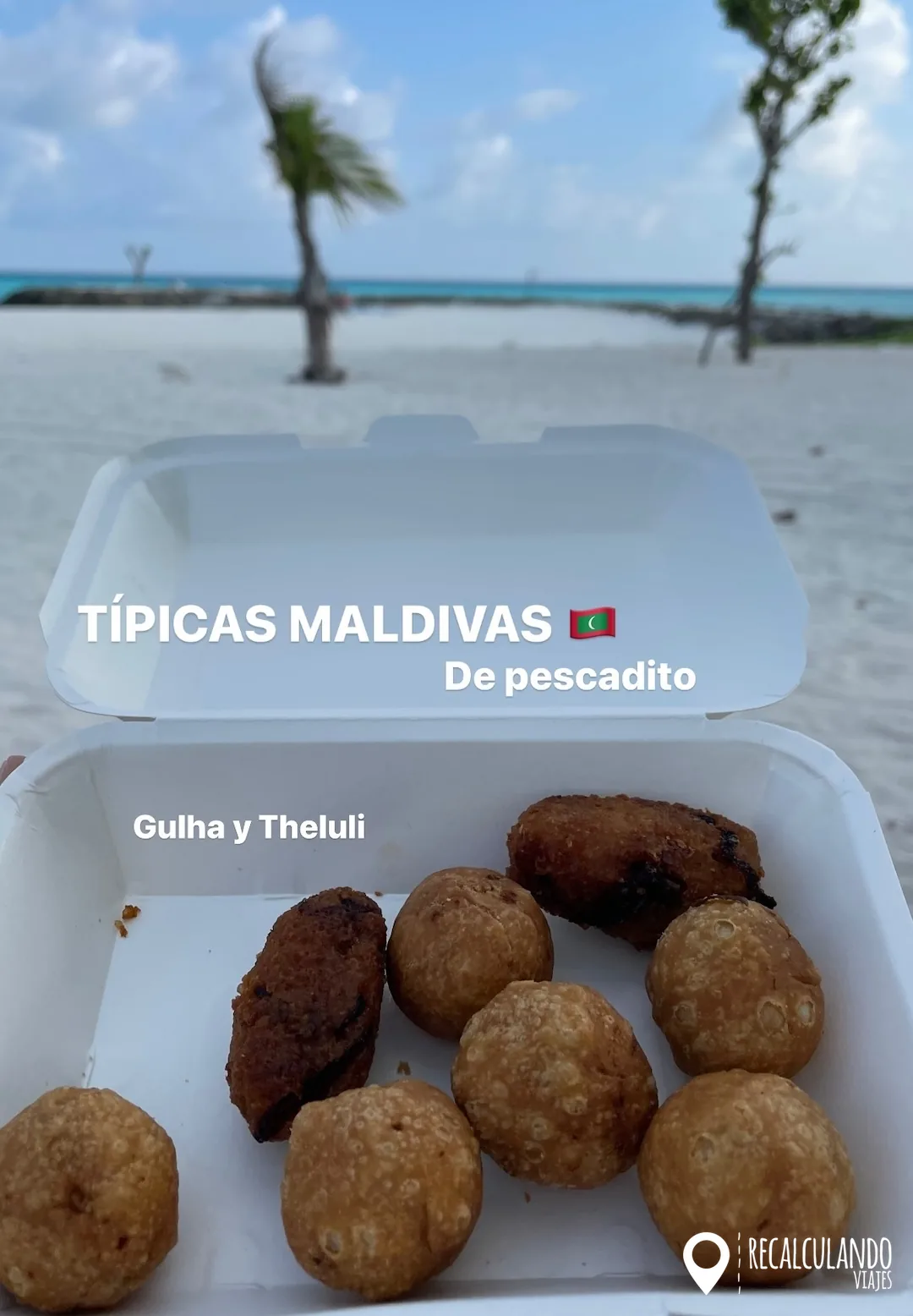
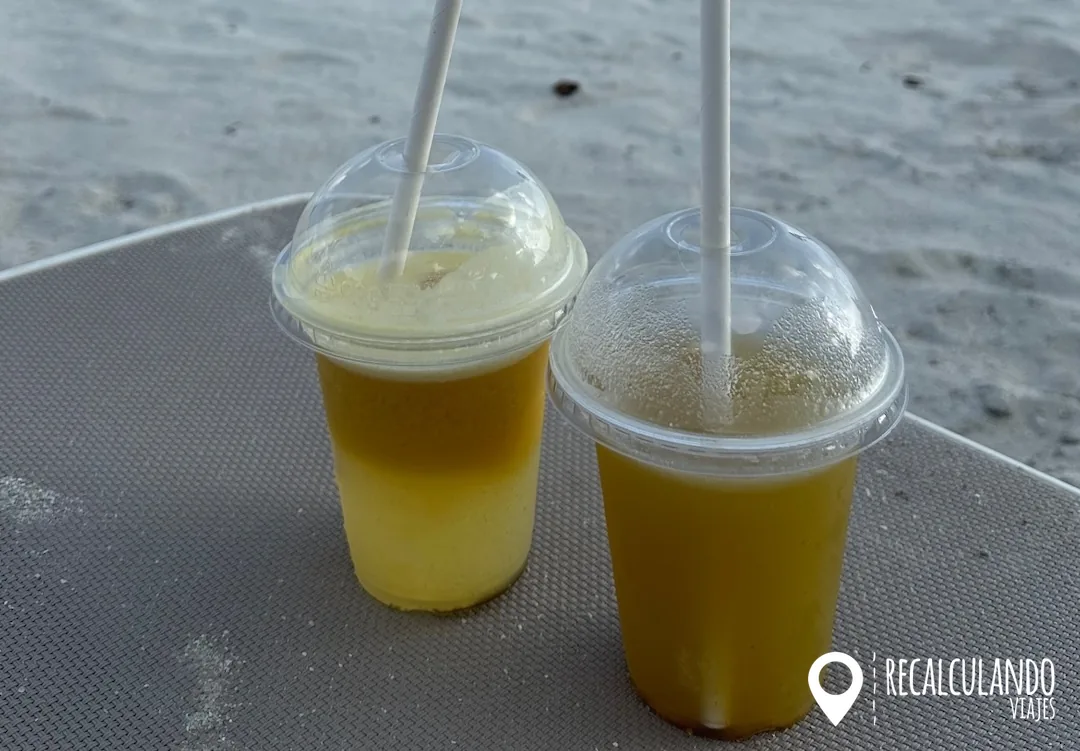
Juices and tropical fruits in Fulidhoo are very good! because they arrive fresh from nearby agricultural islands.
Our Restaurant Recommendations
Outside of the guesthouse (Crowry INN) where we ate several times, there are several small cafes that serve meals.
Another place where we ate well was at Dream Hut Fulidhoo, with a menu that includes pasta, basic pizza, fried rice, and Maldivian dishes. The prices are reasonable: a main course of rice or noodles costs between 3-6 USD, fresh juices 2-3 USD.
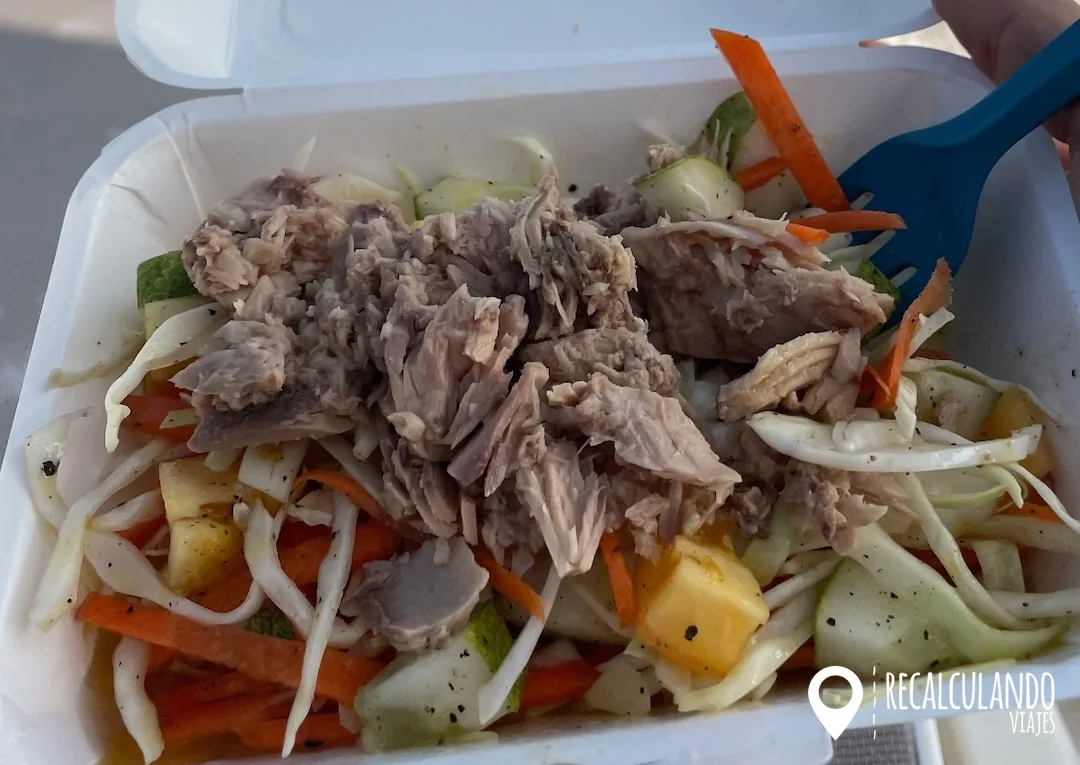
Cafe de Orzo is another very popular spot that we visited a couple of times, more oriented to locals but with an English menu. We bought takeaway several times to eat on the beach, they were very good, tuna salad (3-4 USD), rice/noodles with whatever you want (tuna, chicken, vegetable, meat, eggs), snacks, fruit juices (3-4 usd) .
Another Restaurant to eat with sea views in Fulidhoo: Bougainvillea Inn Beach Restaurant
Prices and Food Budget Example in Fulidhoo
| Meal | Place | Price (USD) |
|---|---|---|
| Full breakfast | Guesthouse | Included (4-6USD) |
| Main dish | Local restaurant | 4-8 USD |
| Personal pizza | Cafeteria | 8-12 USD |
| Fresh juices | Any place | 3-5 USD |
| Bottled water (1.5L) | Local store | 1 USD |
| Snacks / Bajiya / Gulha (croquettes) | Cafeteria | 1-2 USD |
Drink Coconut in Fulidhoo – Delicious!
The coconut became a MUST! (approx 2usd)
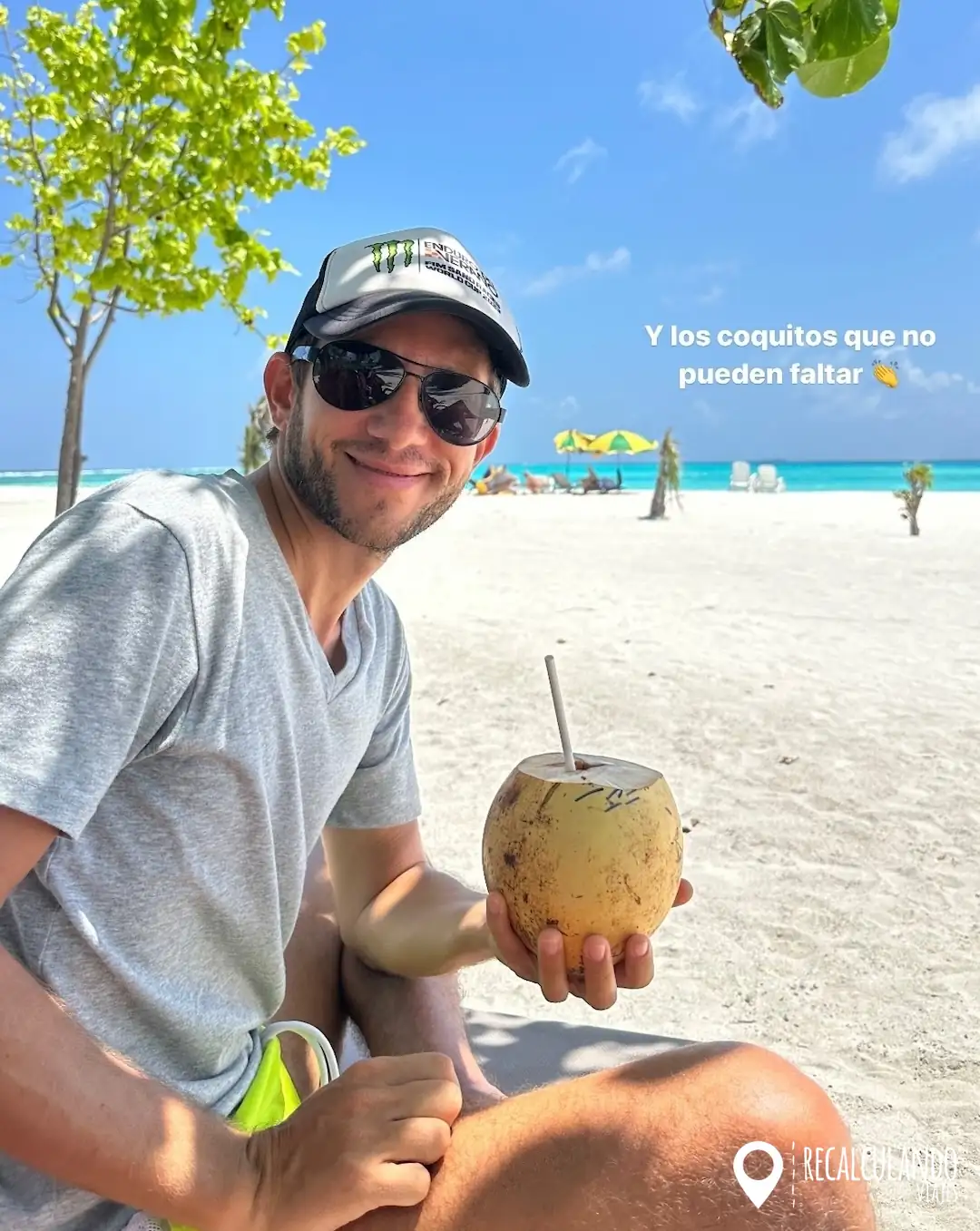
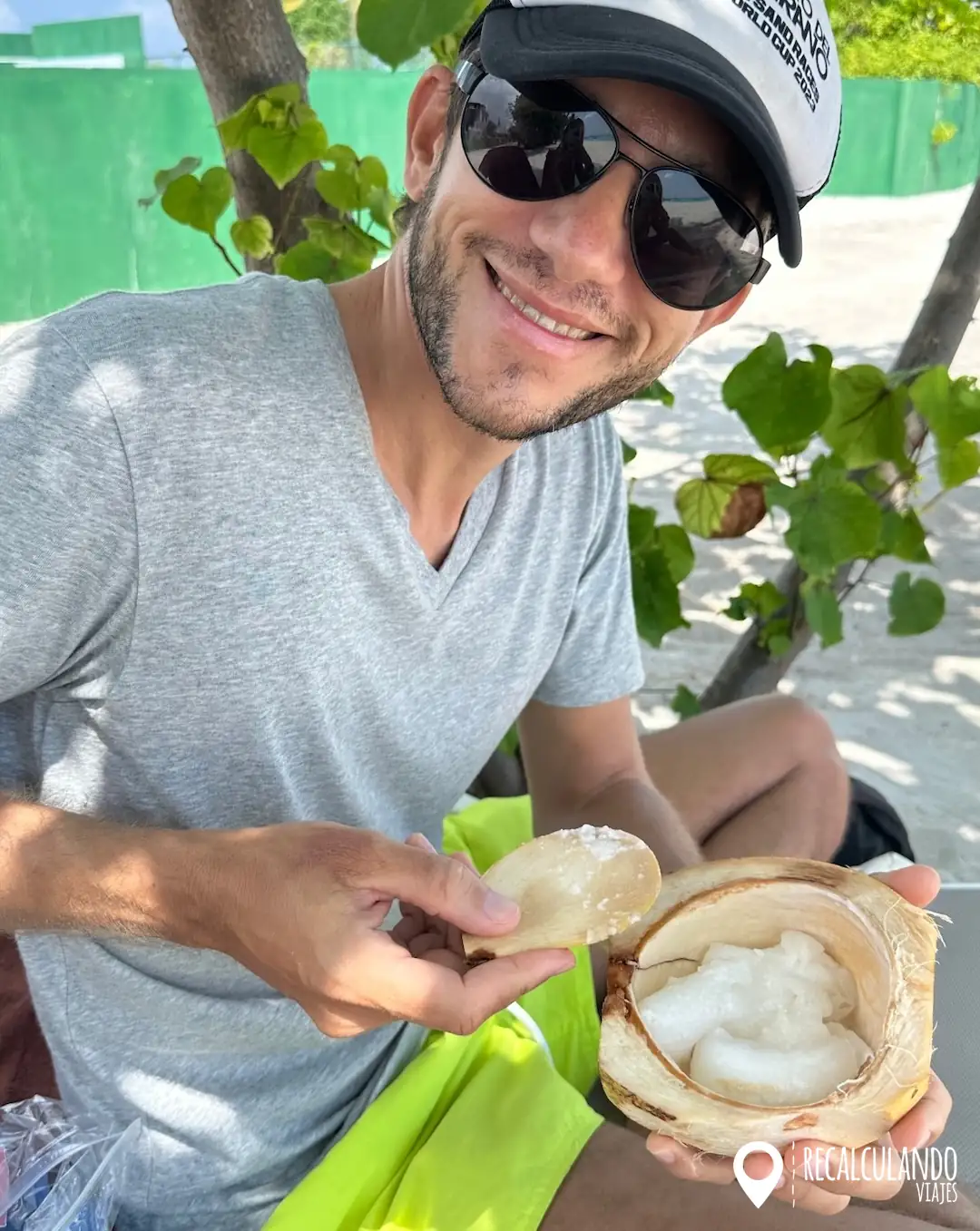
Eat Coconut in Fulidhoo – Tasty!
Spoon from the same Coconut 😉
Other recommendations for buying food and local market of Fulidhoo
At noon when the restaurants have better movement. Dinners are more limited. Bring snacks from Malé if you like to eat between meals, because in Fulidhoo the options are limited. There is a small market that sells a little bit of everything, including some fruits and vegetables.
Hammerhead Store (mini local market with some fruits and vegetables)
We brought cereal bars, nuts, and cookies that were lifesavers on beach and snorkeling days.
Tip: The tap water is not potable. Buy large bottles in local stores (they are cheap). Many guesthouses give you one or 2 bottles of water a day.
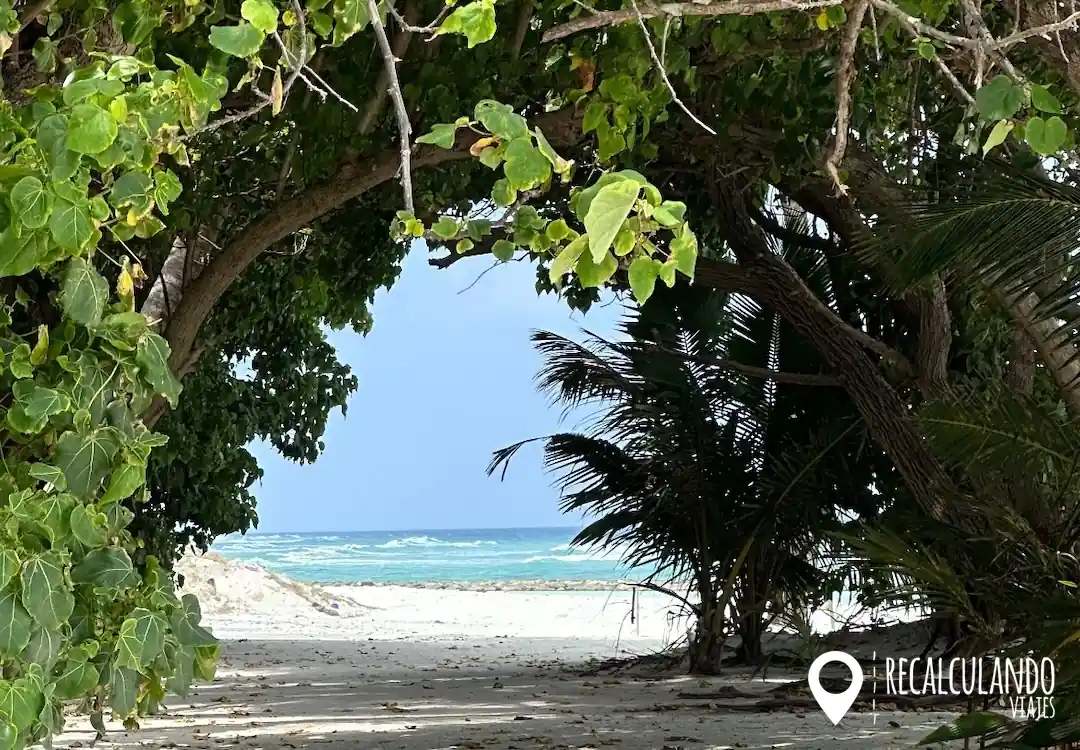
Things to do in Fulidhoo MAP



Where to Stay in Fulidhoo
Fulidhoo has around 10-12 guesthouses, all located in the village since it is a small island. The good news is that no matter where you stay, you are at most 5 minutes walking from Bikini Beach. We stayed at Crowry Inn Fulidhoo and had an excellent experience; it is located on the tip, very close to the Bikini Beach.
Best Areas to Stay
There really aren’t “distinct areas” because the island is tiny. What we do recommend is to look for a guesthouse that is near the east side because you will walk to Bikini Beach every day. Also check that it has air conditioning in the rooms, because although there is a sea breeze, in February it was quite hot during the day.
➤ Crowry Inn Fulidhoo [Rating: 8.7/10 Booking]
Our Experience at Crowry Inn (Fulidhoo)
Crowry Inn Fulidhoo was our home for a week. Double room with A/C, balcony with partial sea views, private bathroom, breakfast included, very good for approx 99 USD/night (including breakfast and taxes). The staff is super friendly, they organize all excursions, and they have a nice common area where we met other travelers. The owner and chef, Shamal, were very helpful with tips and arranged everything we needed.
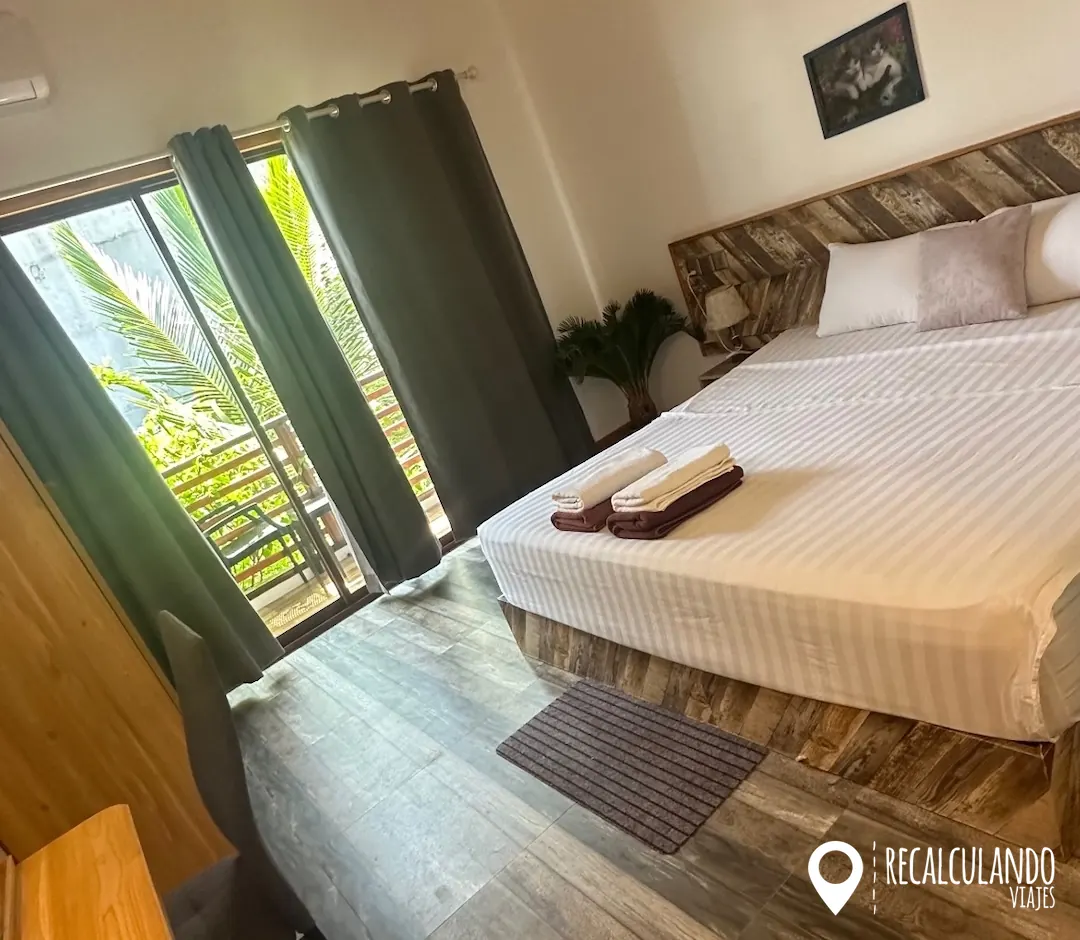
Royal Villa Fulidhoo is another popular option, especially among Europeans. A bit more expensive (from 120 USD/night), with newer facilities. It has a terrace in the restaurant with very nice views.
Kunaa beach inn is another option we saw, with rooms from 80 USD/night. Well located, more in the center of the island.
Where to Sleep in Fulidhoo (Prices)
On the map below, you can zoom in, move around, and filter by your travel dates to see real-time accommodation prices in Fulidhoo.
What to Include in your Booking
Some accommodations include half board or even full board: Examples:
| Plan Type | Includes | Extra Cost (USD/day) |
|---|---|---|
| Room only | Room + air conditioning | Base |
| With breakfast | + Breakfast buffet | +5-7 |
| Half board | + Breakfast + Dinner | +10-12 |
Tip: Book in advance if you are going in high season (December-March). Guesthouses fill up because there are few. We booked a few months in advance in February and several were already full. Most accept cash payment at checkout, some also bank transfers or cards (ask).

Best time to visit Fulidhoo
Fulidhoo has tropical weather year-round, but there are two distinct seasons worth considering when planning your trip.
Dry season (November to April)
It is the best time to visit Fulidhoo. The days are mostly sunny, there is little rain, and the sea is calm, ideal for snorkeling and excursions. Temperatures hover around 28–30 °C and the weather is very pleasant.
Rainy season (May to October)
During these months there is a higher probability of rain and a bit more wind, although they are usually brief downpours. The advantage is that prices drop, so it can be a good option if you are looking to travel to Fulidhoo more cheaply.
Internet and connectivity in Fulidhoo
For those of us who work while traveling, internet connection in Fulidhoo is a point to keep in mind. Most guesthouses offer WiFi, although speed can vary depending on the accommodation. In our case, the WiFi was sufficient for basic tasks like emails, social media, and browsing, but it is not ideal for work requiring high stability or constant video calls.
If you need a more reliable connection, we recommend buying a local Ooredoo SIM card in Malé before arriving in Fulidhoo. The 4G coverage on the island is very good and data plans are affordable. We also tried Dhiraagu, but in our case it didn’t work as well. Ideal if you are a digital nomad and need to be connected during your stay in Fulidhoo.
Suggested Itineraries: 2 and 3 Days in Fulidhoo
Although we had the luxury of staying seven days, we understand that many travelers have limited time. Here we have prepared optimized itineraries for 2 and 3 days that cover the essentials of things to do in Fulidhoo without running around like crazy.
2-Day Itinerary
Day 1 – Arrival and Basic Exploration
Morning: Arrival by ferry or speedboat, check-in at guesthouse, rest.
Afternoon: First visit to Bikini Beach, basic snorkeling from the shore to get familiar.
Sunset: Walk through the village, see the port, watch the sunset.
Night: Dinner at guesthouse, chat with other travelers.
Day 2 – Full Day of Activities
Morning: Snorkeling excursion (the absolute must).
Afternoon: Return to the island, lunch, nap.
Late afternoon: Excursion to sandbank with picnic and relaxed snorkeling.
Night: Dinner at a local restaurant, pack for departure the next day.
3-Day Itinerary
Day 1 – Adaptation and Beach
Morning: Arrival, check-in, settling in.
Noon: Lunch at guesthouse.
Afternoon: Full exploration of Bikini Beach, shore snorkeling, finding the best spots.
Sunset: Walk through the village, basic shopping in local stores.
Night: Dinner and rest.
Day 2 – Underwater Experiences
Early morning: Excursion or Independent snorkeling at Bikini Beach before the heat.
Noon: Snorkel tour/excursion.
Afternoon: Return, rest.
Sunset: Observing sharks from the beach at sunset.
Night: Optional – night snorkeling if a group is formed.
Day 3 – Culture and Relax
Morning: Excursion to sandbank with picnic or traditional fishing trip.
Afternoon: Last beach and snorkeling session, kayak if available.
Sunset: Last sunset on the beach, farewell dinner.
Night: Pack, prepare for departure.
Comparison: What You Can Do Based on Days
| Experience | 2 Days | 3 Days |
|---|---|---|
| Complete Bikini Beach | Yes, but rushed | Yes, with time |
| Snorkeling excursion | Yes (priority) | Yes |
| Sandbank excursion | Yes | Yes |
| Explore the village | Basic | Complete |
| Independent snorkeling | Limited | Several sessions |
| Traditional fishing | No | Possible |
| Neighboring island | No | Not enough time |
| Night snorkeling | No | If there is a group |
| Relax time | Little | Moderate |
Tip: If you only have 2 days, prioritize snorkeling/beach above all else. That is the main thing.
Other local islands to visit in Maldives:
Things to do in Fulidhoo (Video)
Frequently Asked Questions about Fulidhoo
How much does the speedboat from Malé to Fulidhoo cost?
The shared speedboat costs approximately 40 USD per person. Contact your Guesthouse, which usually coordinates the trip. The journey takes approximately 1:30 hours. Seats are limited, so book a few days in advance.
Is Fulidhoo suitable for families with children?
Absolutely yes. The beach has very calm and shallow waters, perfect for children. The environment is super safe, without traffic or dangers. The only consideration is that there is not much resort-style organized entertainment, so it depends on your children enjoying the beach, snorkeling, and natural activities.
Do I need travel insurance for Fulidhoo?
Yes, definitely. There is no hospital in Fulidhoo, only a basic clinic. Any serious medical emergency requires evacuation to Malé, which is expensive. We always travel with travel insurance that covers medical evacuation and water activities.
Is there reliable cell and WiFi coverage?
Yes, there is good 4G coverage from the two main Maldives operators (Ooredoo and Dhiraagu, sometimes it fails). You can buy a SIM card at Malé airport for 10-15 USD with data. All guesthouses have WiFi, although the speed is moderate, sufficient for social media and emails but perhaps not for HD streaming or high-quality video calls.
What happens if it rains during my stay?
The rainy season is May-October. Rains are usually brief but intense. During our week in February (dry season), we had one day of light drizzle. If it rains, you can use that time to rest, read, socialize at the guesthouse. Some tours are canceled due to bad weather, but they are usually rescheduled or refunded.
Is it safe to swim and snorkel?
Very safe. The waters are calm, with no dangerous currents near the beach. The sharks you see are small reef species, completely harmless and shy. As with any water activity, use common sense: don’t go too far from the coast if you are not a good swimmer, and always let someone know if you are going snorkeling alone.
Conclusion: Fulidhoo, the Authentic Maldives
After 7 days on the island, we can say that we loved Fulidhoo. If you are looking for things to do in Fulidhoo, don’t expect big attractions, but real experiences by the sea.
It is an island to connect with the sea, with the local culture, and with yourself. Without a doubt, we would return.
If you liked it, Don’t miss ➜ Things to do in Thulusdhoo
If you want to keep reading about Maldives and real travels, we’ll wait for you at Recalculando Viajes.
ℹ️ **Total Transparency**
This article contains affiliate links. If you book through these links, we may receive a small commission at no additional cost to you. We only recommend services we use on our trips and trust. This helps us keep this blog free and continue creating useful content for you. Thanks for your support!
🔗 Resources & Useful Links for your trip to Fulidhoo
Do you have any doubts or want to add your own recommendations on things to do in Fulidhoo?
💬 Leave your comment or write to us, we love to read the experiences of other travelers.
Thank you very much for being part of this adventure!— Nanu & Facu 🌎 | Recalculando Viajes 💜