Things to do in Malta: Essential Guide with the 25 Best Places (2026)
🌍 Travel Insurance: 5% Off with IATI Seguros! 🌟
Take advantage of this offer and travel safe.
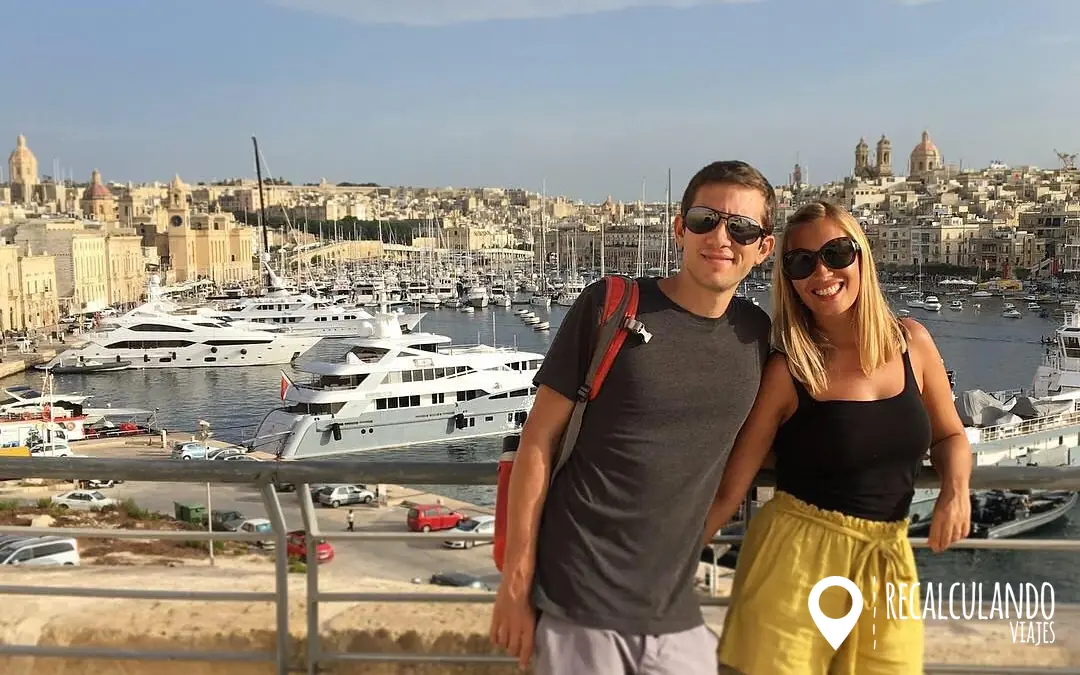
If you are wondering what to see in Malta, you’ve come to the right place. We spent nearly two months living in the Maltese archipelago as digital nomads, and what we found surprised us deeply: Malta is not just another European tourist destination. It is a small island with a density of history, culture, and nature that few countries on the continent can match.
We spent nearly two weeks in Marsaskala, another two weeks in Xlendi in Gozo, and almost a month in the St. Paul’s Bay area. This allowed us to get to know Malta in a way that goes far beyond express visits. We walked its alleyways, swam in its coves, ate in its markets, and chatted with its locals. This guide is the result of all that.
Below you will find our selection of the best places to visit in Malta, organized so you can plan your itinerary as conveniently as possible, whether you have three days or three weeks.
Summary/Guide: Things to do in Malta
| Category | Key Detail |
|---|---|
| Destination | Maltese Archipelago (Malta, Gozo and Comino) |
| Best time to visit | Shoulder season (April–May and October) for a balance of weather and crowds. |
| Ideal duration | 5–7 days for the essentials; 10–14 days to explore in depth. |
| Capital | Valletta (UNESCO World Heritage Site, historic hub). |
| Cuisine | Typical dishes: Ftira, Pastizzi, Fenkata and Kinnie. |
| Transportation | Public buses (efficient, sometimes quite crowded) or car rental (left-hand driving). |
| Safety | Extremely safe country; travel medical insurance is recommended. |
| Must-sees | Valletta, Mdina, Megalithic Temples, Gozo (Citadel) and Blue Lagoon. |
Why Visit Malta? Everything You Need to Know Before You Arrive
Malta is an archipelago consisting mainly of three inhabited islands: Malta (the main one), Gozo, and Comino. Together they cover just 316 km², making it one of the smallest and densest countries in the world. However, in that tiny space, it concentrates more than 7,000 years of continuous history, turquoise-water beaches, Baroque architecture declared a World Heritage Site, and a Mediterranean gastronomy that is worth exploring.
The climate is another huge advantage. Malta has more than 300 days of sunshine per year, long and dry summers, and mild winters that allow for travel almost any time. If you come outside of high season (October to April), you will find much lower prices and sites without the crowds. We traveled in the low season, and it was a decision we would recommend without hesitation.
Furthermore, Malta is part of the European Union, uses the euro, and English is a co-official language along with Maltese, making getting around very easy for any traveler.
Valletta: The Smallest Capital in the European Union
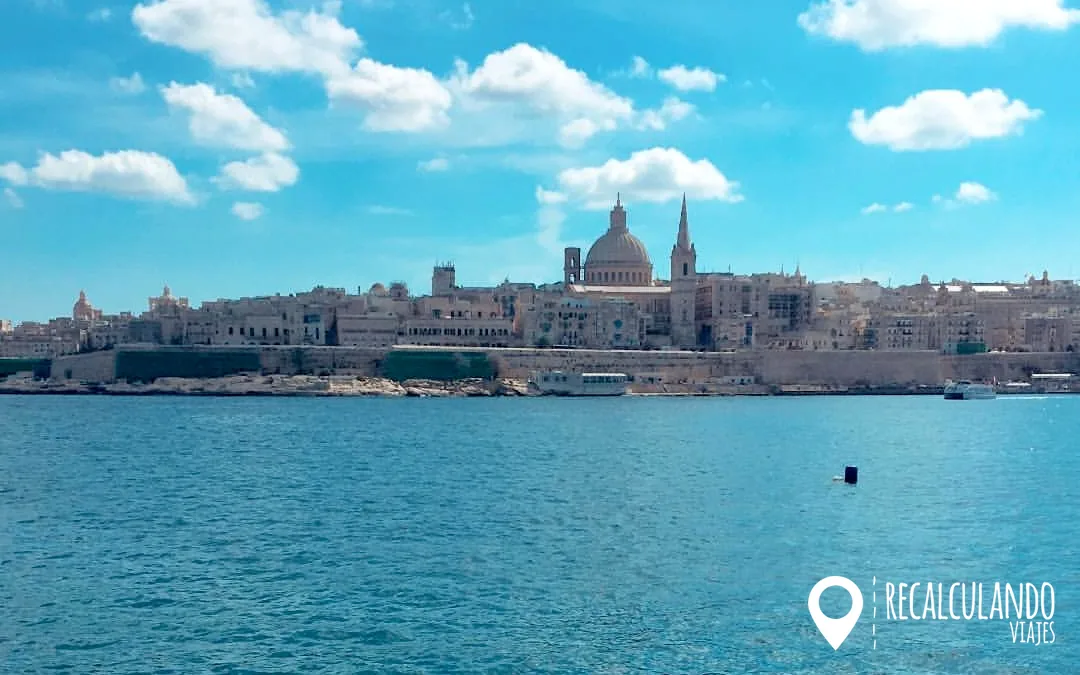
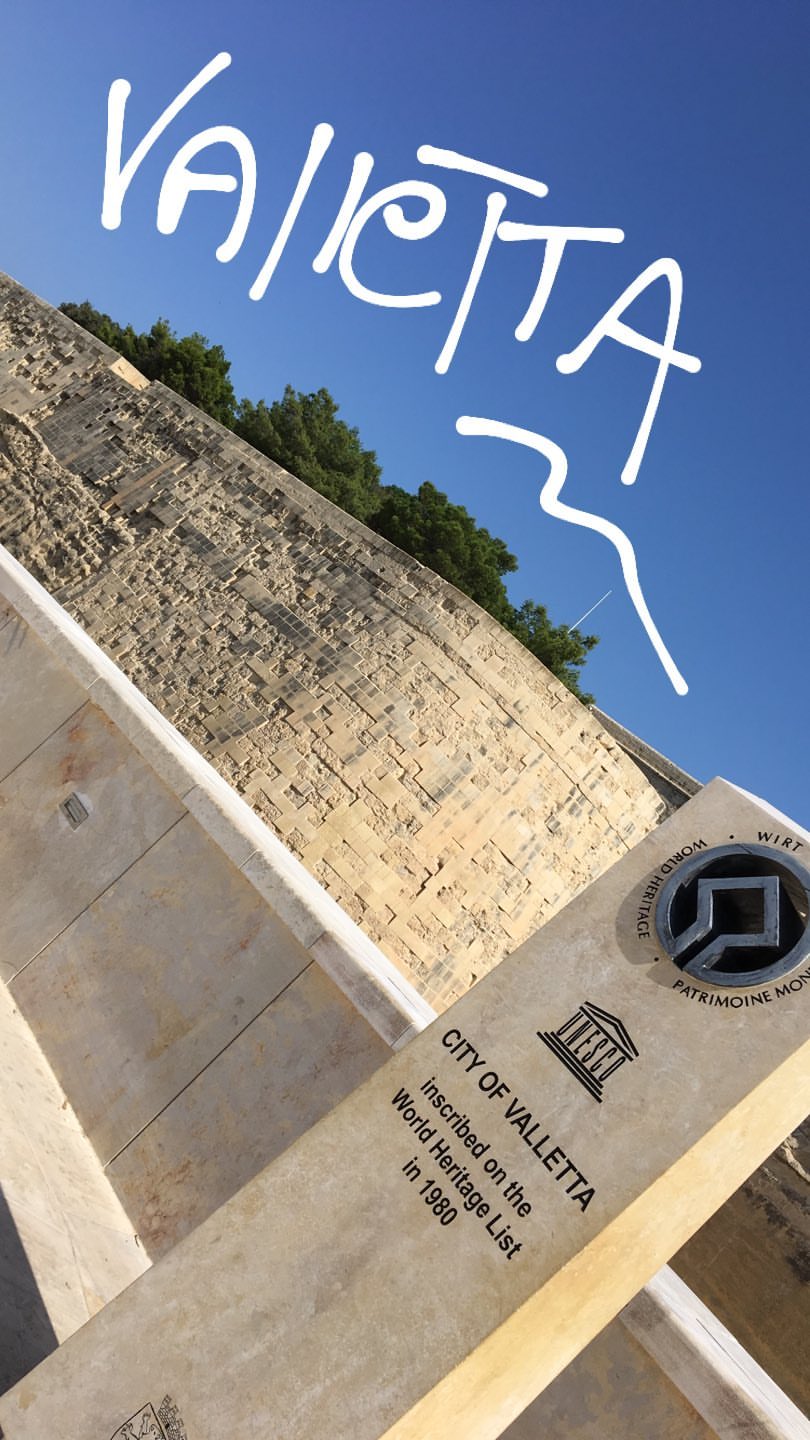
Valletta is the historical heart of Malta and an obligatory starting point for any traveler. Declared a UNESCO World Heritage Site in 1980, this walled city was built by the Knights of the Order of St. John in the 16th century, and every stone tells a story.
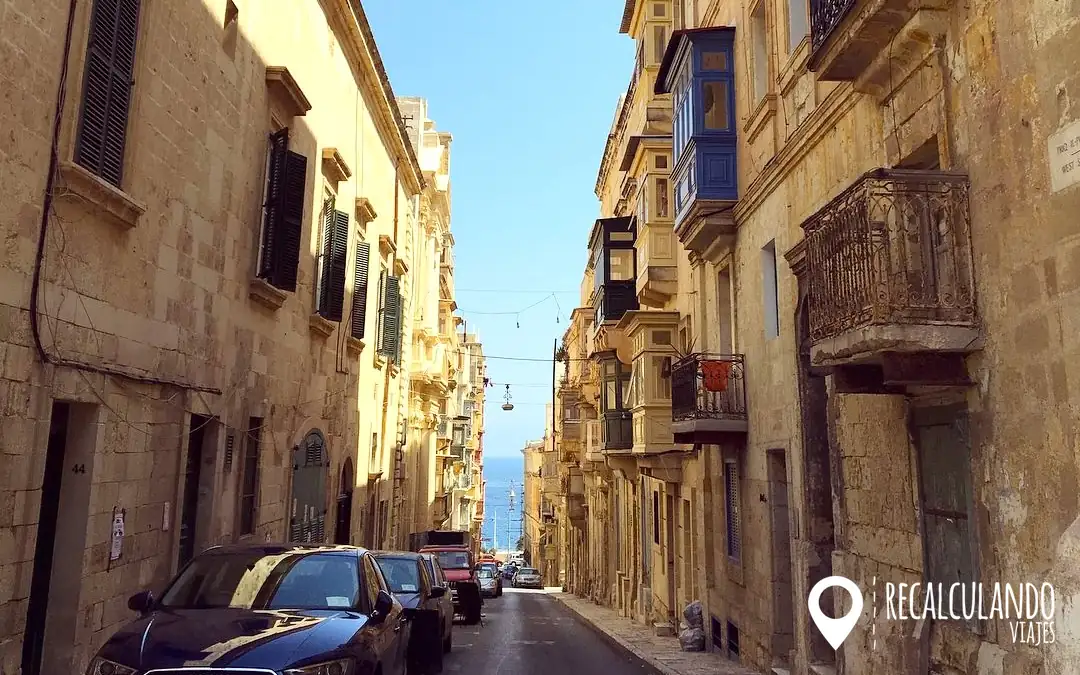
The first impact we had upon arriving in Valletta was its size. Everything is pedestrianized, the streets rise and fall between golden limestone buildings, and at every corner, a remarkable architectural detail appears. St. John’s Co-Cathedral is, without exaggeration, one of the most impressive churches we saw in all our years of traveling. Its Baroque interior, full of marbles, tapestries, and paintings by Caravaggio (including the famous “The Beheading of Saint John the Baptist”), is absolutely extraordinary.
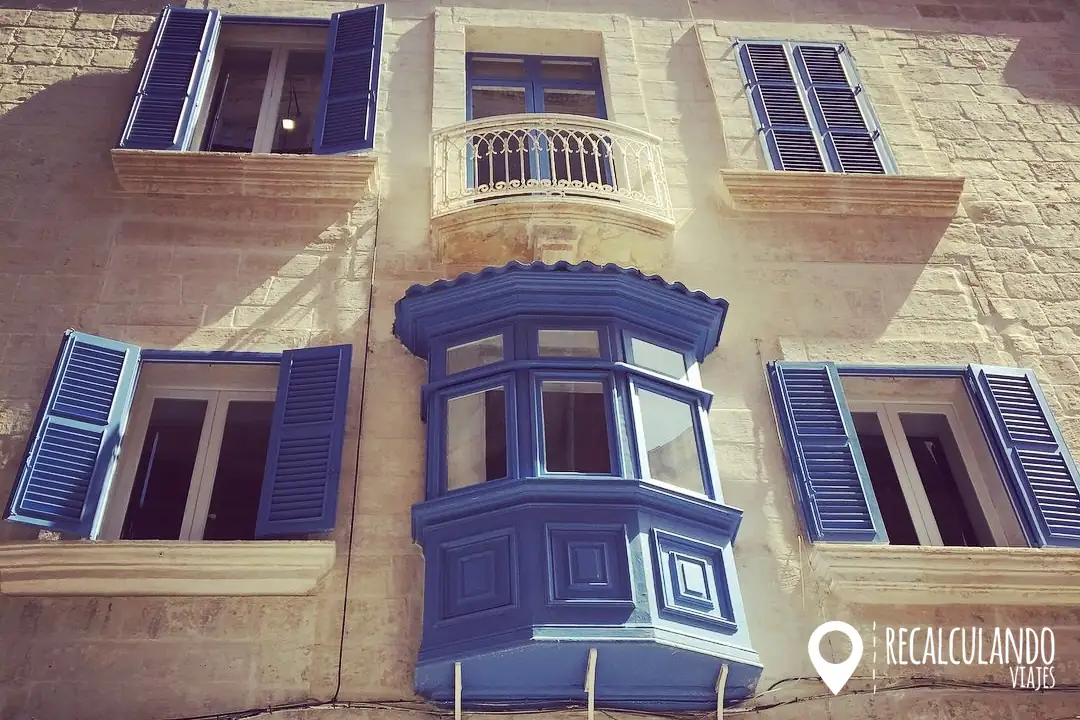
Other essential spots within Valletta are the Upper Barrakka Gardens, from where you get one of the best views of the Grand Harbour, and the Saluting Battery, with its historical cannons and the ceremonial firing at noon. We also recommend walking down Republic Street, the main artery, and getting lost in the side alleys where the painted wooden balconies are part of the landscape.
Tips for Visiting Valletta
- Entrance to the city is free, but St. John’s Co-Cathedral has an entrance fee that is absolutely worth it.
- Arrive first thing in the morning to avoid the cruise ship groups.
- The Valletta Market (Is-Suq tal-Belt), located in a restored 19th-century building, is ideal for breakfast or lunch with local products.
- From Valletta, you can take the ferry to the Three Cities, an experience we highly recommend.
Don’t miss all the information on ➜ Things to do in VALLETTA (CLICK Here)
The Three Cities: Vittoriosa, Senglea, and Cospicua
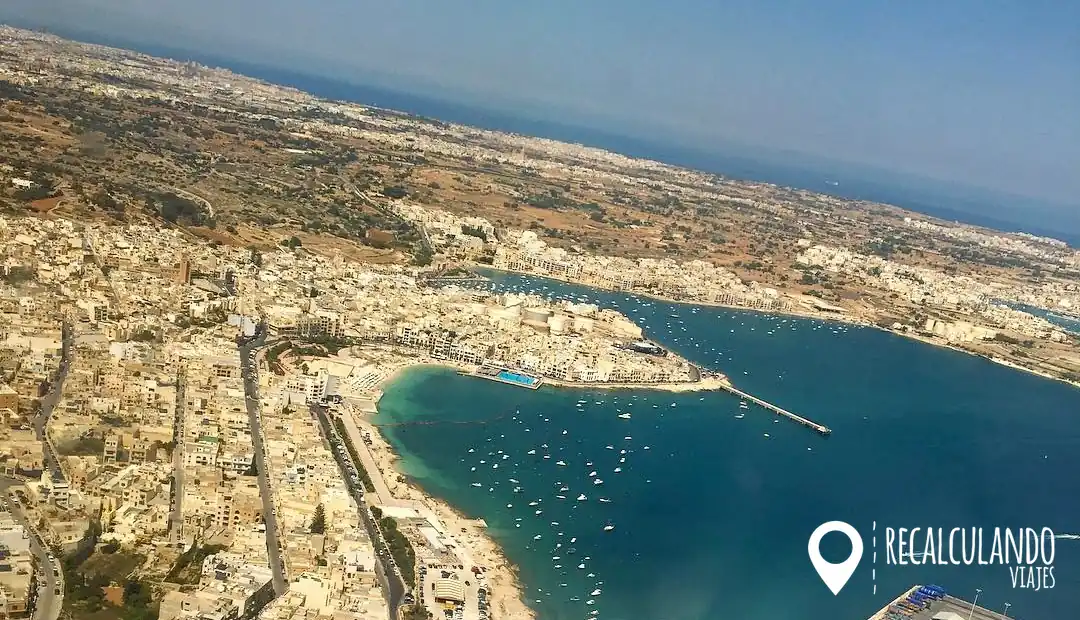
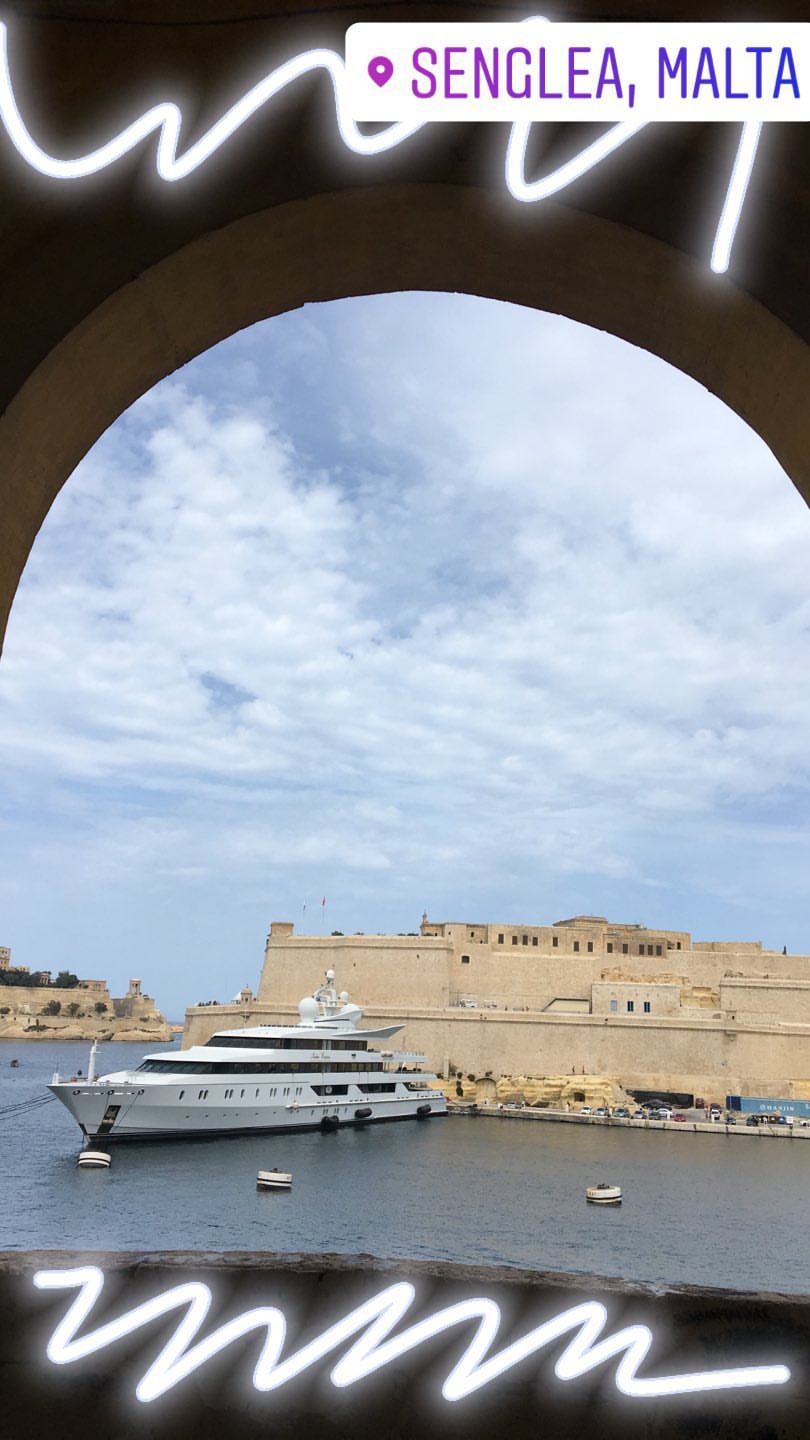
On the other side of the Grand Harbour, facing Valletta, are the Three Cities: Vittoriosa (Birgu), Senglea (L-Isla), and Cospicua (Bormla). These three cities predate Valletta and were the heart of the power of the Knights of the Order of St. John before the capital was built.
Vittoriosa is the most visited of the three and the one that best preserves its medieval layout. Its Fort St. Angelo, which dominates the Grand Harbour, is one of the most important monuments on the island. Senglea, for its part, has the famous Gardjola Gardens with the most photogenic views of the entire bay. If you want an iconic photograph of Malta with the walled city in the background, this is the place.
What we liked most about the Three Cities is that, unlike Valletta, they have a quieter and more authentic pace of life. Neighbors sit at their front doors in the afternoons, cats sleep on the stone steps, and there are very few tourists. It is Malta without filters.
Mdina: The Silent City That Will Leave You Speechless
Mdina is, for many, the most special place in all of Malta. Known as “The Silent City,” this former capital of the archipelago is located on top of a hill in the center of the island and has barely 300 permanent inhabitants. However, during the day, it receives thousands of visitors attracted by its unique medieval atmosphere.
Entering through the Main Gate of Mdina is like crossing a portal to the Middle Ages. The streets are so narrow that only authorized vehicles circulate, the golden stone facades shine in the sunset light, and St. Paul’s Cathedral dominates the city’s silhouette from afar. The views from the walls of Mdina encompass practically the entire island to the sea.
Our most important advice for Mdina: arrive very early in the morning (before 9 am) or late in the day when the tour groups have already left. Those moments when you almost have the city to yourselves are truly magical. The adjacent city of Rabat also deserves a visit, especially its Early Christian catacombs.
Gozo: The Sister Island That Stole Our Hearts
If Malta seems quiet to you, Gozo will seem like the end of the world in the best possible sense. The second island of the archipelago is greener, more rural, and more authentic than the main one. We lived there for nearly two weeks, in Xlendi, and could have stayed much longer.
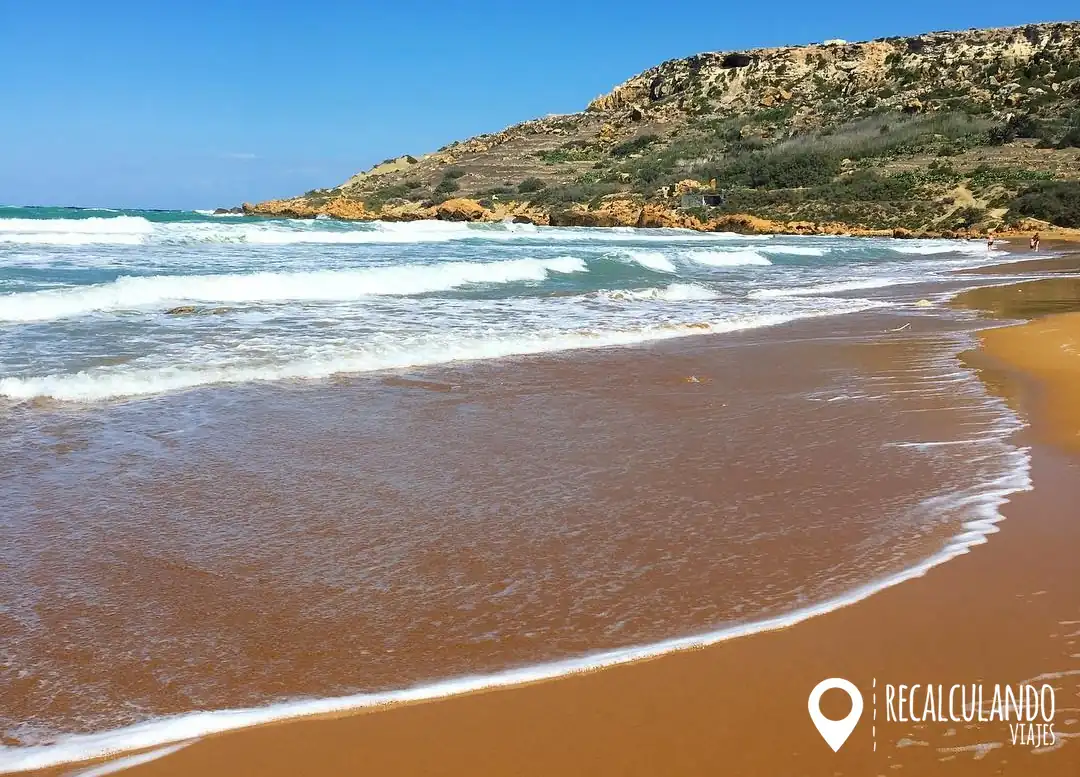
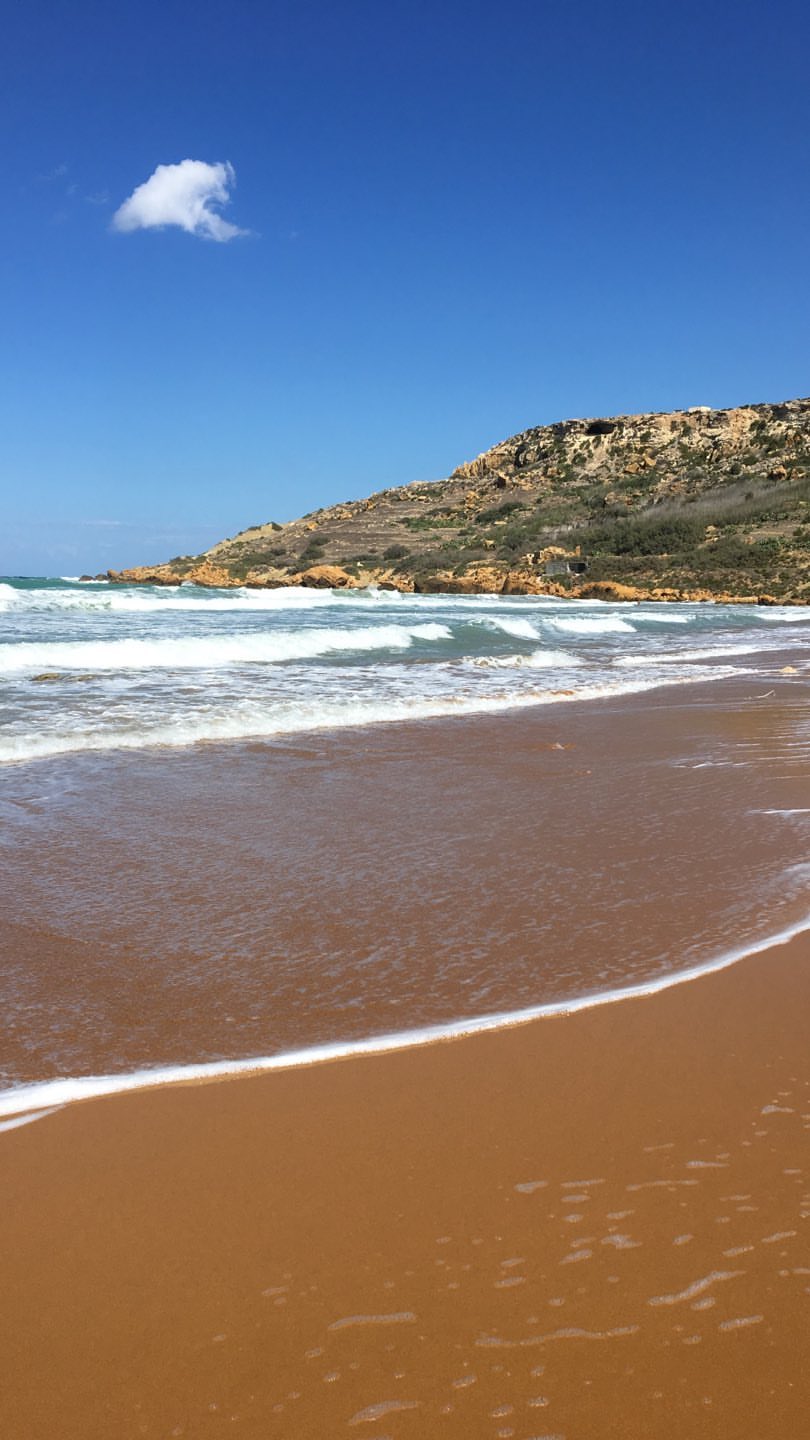
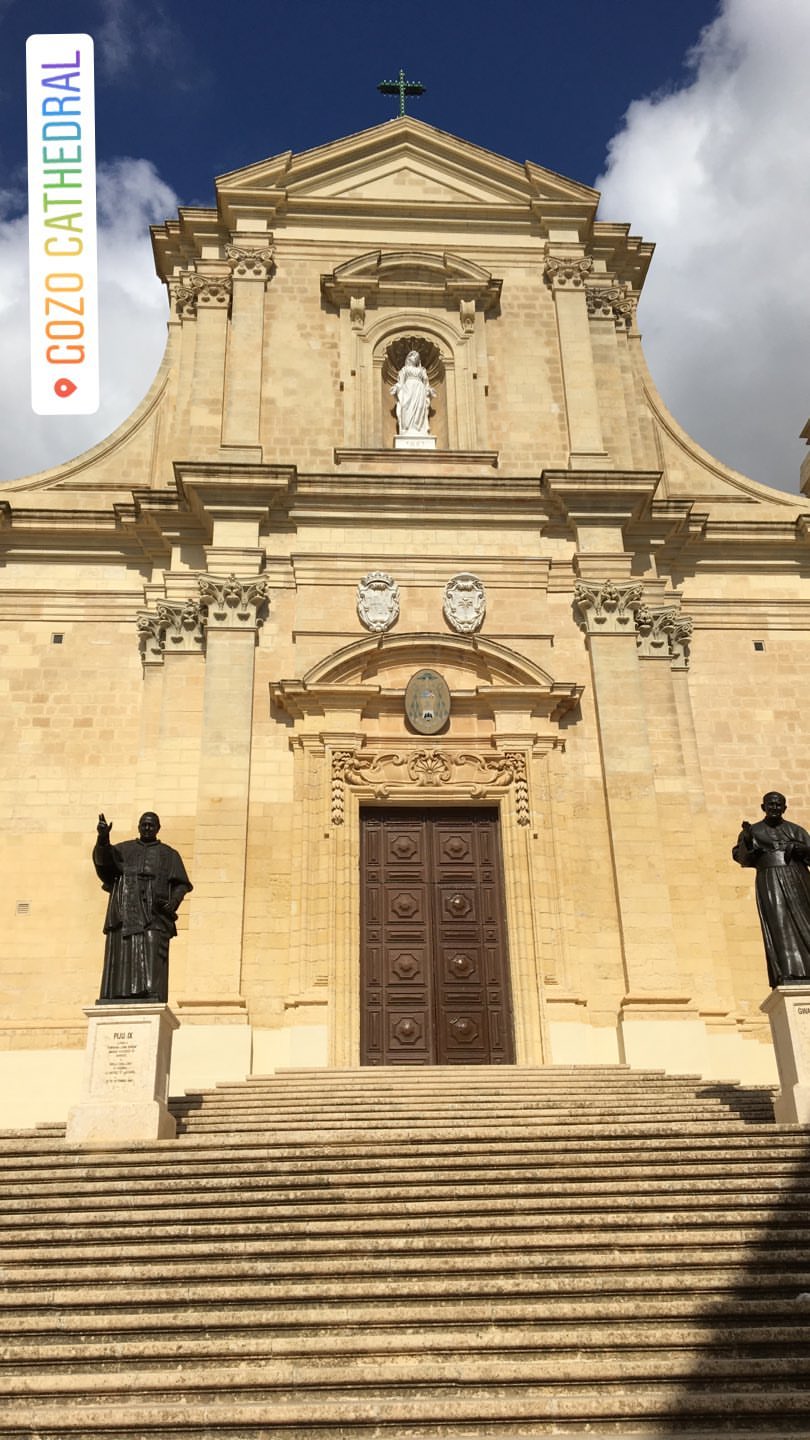
Gozo has a human scale that makes it perfect both for exploring in an intense day or staying for a week and getting lost without a rush. Its capital, Victoria (also called Rabat), has a medieval citadel on top of a hill that offers stunning panoramic views. The beaches of Gozo, such as Ramla Bay with its reddish sand or the cove of San Blas, are some of the most beautiful in the archipelago.
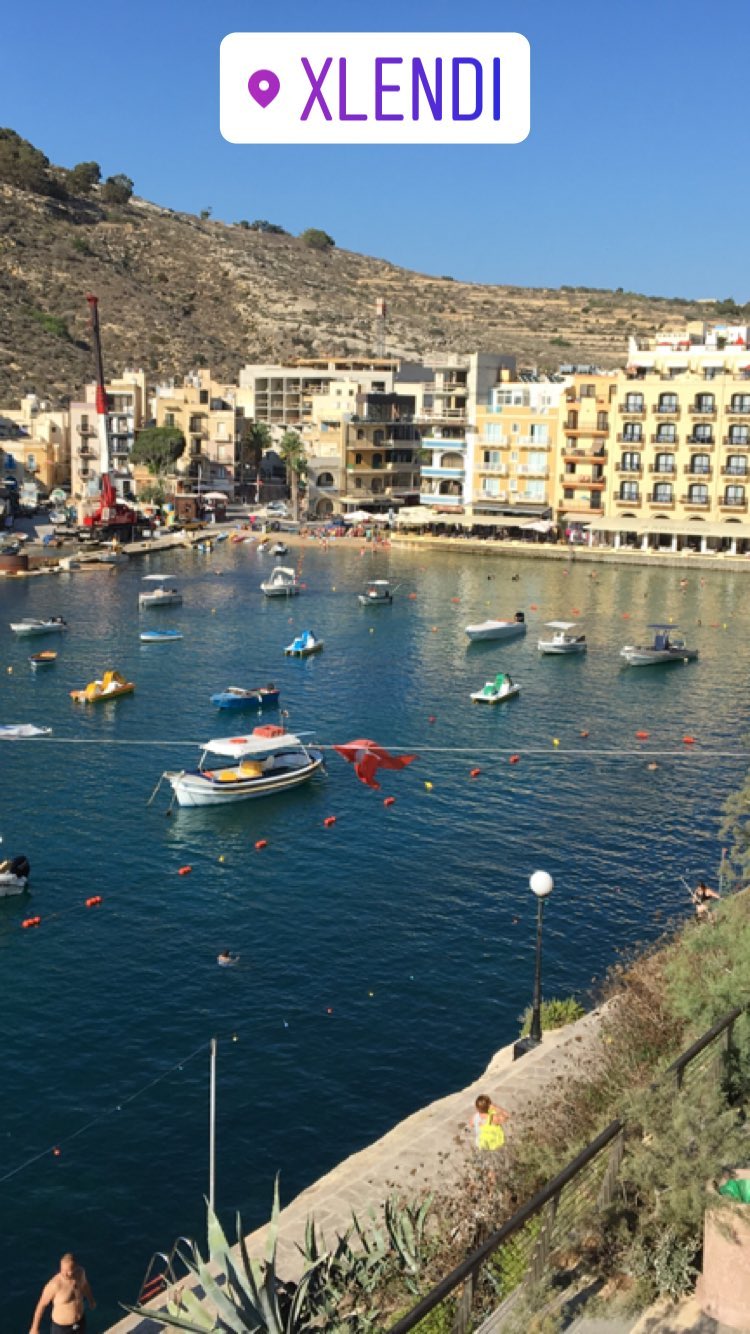
Xlendi was our base, and we fell in love with it. It is a small fishing village with a protected bay of crystal-clear waters, restaurants overlooking the sea, and an atmosphere that mixes authentic Maltese with a relaxed touch. If you are looking for where to stay in Gozo, Xlendi or Marsalforn are the two best options.
To get to Gozo from Malta, you take the ferry from Ċirkewwa, which takes about 25 minutes and departs very frequently. The price is very accessible, and the trip itself is an experience.
Things to do in Gozo
- The Citadel of Victoria: essential, with views of the entire island.
- Ramla Bay: the most famous beach in Gozo, with unique terracotta-colored sand. You can read more in our guide to Ramla Bay Gozo.
- Azure Window (Fungus Rock): although the natural arch collapsed in 2017, the Dwejra area remains spectacular for scuba diving and snorkeling.
- Ggantija: one of the oldest megalithic temples in the world, predating Stonehenge.
- Xlendi and its bay: perfect for swimming and enjoying a quiet afternoon.
- San Blas Bay: a small and less accessible cove that, precisely for that reason, is less crowded.
👩⚕️👨⚕️ A must-have for stress-free travel! 🌎✈️ ➜ Get a Quote, Compare & Buy
Comino and the Blue Lagoon: The Paradise That Truly Exists
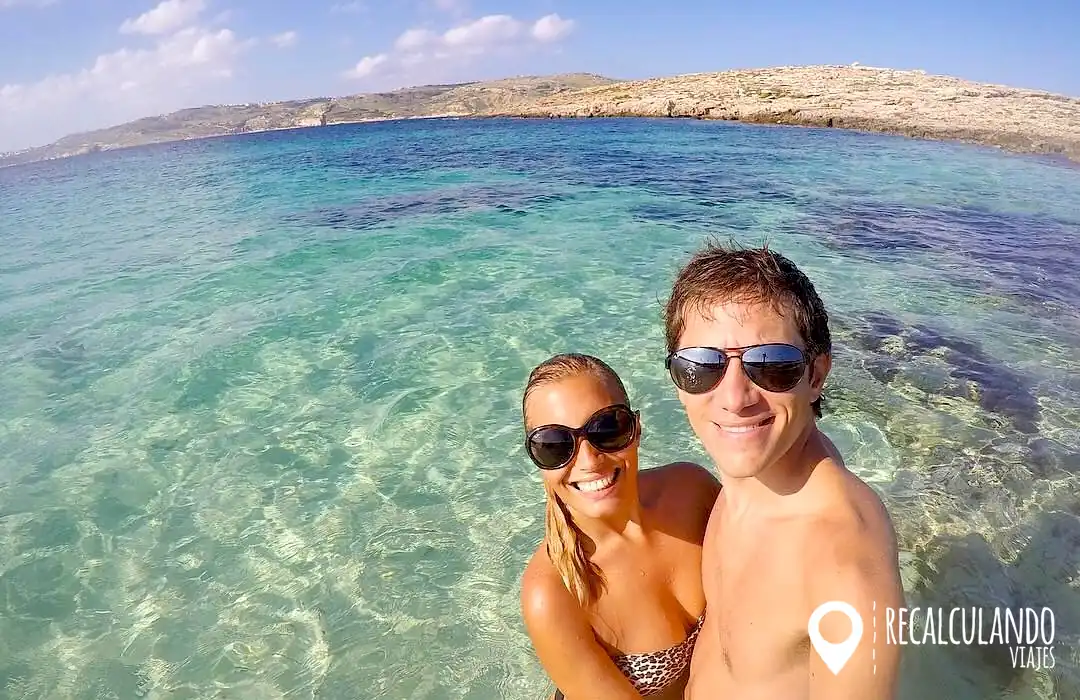
Comino is the third inhabited island of the Maltese archipelago, although “inhabited” is a generous term: it has just a few permanent residents. What made it famous all over the world is the Blue Lagoon, a lagoon with turquoise waters and a white sandy bottom that looks like it was taken from a Caribbean postcard.
The Blue Lagoon is, without a doubt, one of the most photographed places in Malta and with good reason: the color of the water is absolutely unreal. However, it is also one of the most crowded in high season (June to September), when excursion boats bring hundreds of tourists per day. If you can go in the low season or very early in the morning, the experience is incomparably better.
You can read our complete guide on what to see in Comino to better organize your visit. There are also other coves on the island that are less known and practically deserted, such as Santa Maria Bay.
Beaches of Malta: Coves, Rocks, and Turquoise Water
Malta does not have the endless sandy beaches you might find in the Caribbean or the Canary Islands, but its rocky coves and deep blue waters have an appeal of their own that completely conquered us. The water of the Maltese Mediterranean is warm in summer and has exceptional underwater visibility.
Some of the best beaches and coves in Malta that we recommend visiting:
- Golden Bay: the largest and most accessible sandy beach on the main island, ideal for families.
- Mellieħa Bay: shallow waters and perfect for children, in the north of the island.
- Pretty Bay (Birżebbuġa): a quiet bay in the south, less known by tourists.
- St. Peter’s Pool: a natural swimming pool carved into the rock in the south of the island, spectacular for swimming.
- Ghar Lapsi: another natural swimming pool on the west side, less frequented and very authentic.
- Wied il-Għasri (Gozo): a narrow canyon that leads to a dreamy cove, accessible only on foot.
St. Paul’s Bay: Our Base for a Month
We spent nearly a month living in the St. Paul’s Bay area, in the north of Malta, and we were pleasantly surprised. St. Paul’s Bay, Bugibba, and Qawra form a residential and tourist area that has everything needed for a long stay: supermarkets, restaurants of all styles, pharmacies, frequent transport to the rest of the island, and direct access to the sea.
It is a more local than touristy area (especially out of season), which makes it ideal for those who, like us, prefer to live more like residents than like tourists. From there, we visited almost the entire island by public transport, which in Malta is surprisingly functional and affordable.
Near the area are some very interesting places: the Phoenician ruins of Skorba, the megalithic temples of Ggantija in Gozo (accessible by ferry), the cliff of Ras il-Pellegrin, and the beautiful Mistra Bay.
Marsaskala: The Most Authentic Fishing Village in Malta
Marsaskala was our first base in Malta and helped us understand how the locals live. It is a fishing village in the southeast of the island, quiet, without major tourist attractions but with a genuine charm that few travel guides mention.
The Marsaskala seafront is perfect for a walk at sunset, with its colorful boats (the famous Maltese luzzu) moored along the harbor and the old fishermen repairing their nets. The local restaurants serve fresh fish at very reasonable prices compared to other parts of the island.
Near Marsaskala is St. Thomas Bay, a wide bay with shallow waters and a completely local atmosphere. There is also il-Fliegu, a narrow cove between rocks perfect for snorkeling. If you are looking for Malta away from mass tourism, Marsaskala is your place.
The Megalithic Temples: The Oldest History of Malta
One of the things that surprised us most about Malta was discovering that it houses the oldest prehistoric temples in the world. The Maltese temples, built between 3600 and 2500 BC, predate the pyramids of Egypt and Stonehenge. This makes Malta one of the places with the greatest historical antiquity documented on the planet.
The main temple complexes declared UNESCO World Heritage Sites are Ħaġar Qim, Mnajdra, and Tarxien (on the main island) and Ggantija (in Gozo). All are accessible and have museums or interpretation centers that explain their context.
Ħaġar Qim and Mnajdra are very close to each other, in the south of the island, with views of the sea. The combined tour takes about two hours. The Ħal Saflieni Hypogeum, an underground temple carved into the rock around 2500 BC, is perhaps the most impressive of all, although it requires advance booking as access is very limited to preserve it.
St. Julian’s and Sliema: The Modern Side of Malta
St. Julian’s and Sliema are the two most modern and cosmopolitan centers of Malta. If you are looking for nightlife, international restaurants, malls, and chain hotels, this is your area. Paceville, the bar and nightclub district of St. Julian’s, is the hub of the island’s nightlife.
For our taste, we did not choose to stay there because we prefer a quieter pace. However, for travelers looking for comfort and connectivity, St. Julian’s is hard to beat in Malta.
You can read more about the area in our guide to things to do in St. Julian’s.
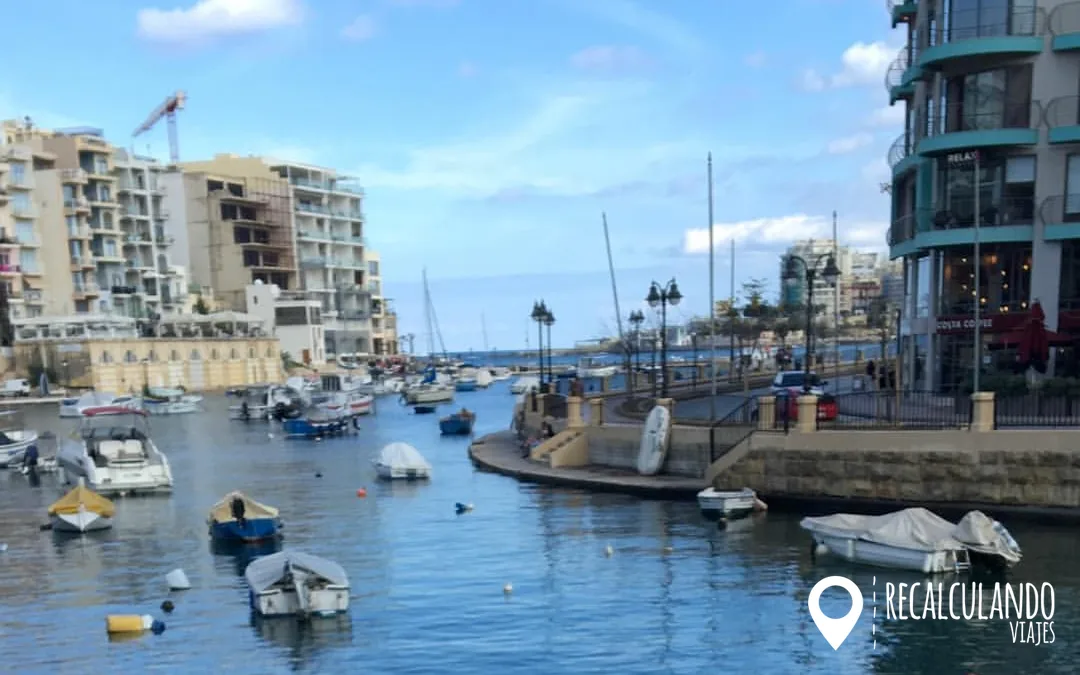
Sliema, for its part, has an excellent seafront promenade (the Sliema Front) and is the departure point for many ferries to Valletta.
➜ More info: Things to do in Sliema
The Interior of Malta: Villages Very Few Tourists Know
Beyond the major tourist circuits, the interior of Malta hides a series of quiet villages where daily life follows its own rhythms. Naxxar, Żebbuġ, Siġġiewi, or Żurrieq are examples of that more intimate Malta that very few passing travelers get to know.
Each Maltese village has its own parish, which is usually the most imposing building in the place. The Maltese are deeply Catholic, and the parish church is the symbolic center of each community. The patron saint festivals (festas), which are celebrated between May and September, are one of the most authentic experiences you can have in Malta: fireworks, processions, music, and street food until the early hours.
Maltese Gastronomy: What to Eat in Malta
Maltese cuisine is a fascinating mix of Mediterranean influences: Italian, Arabic, Spanish, Sicilian, and British. All that, combined with high-quality local products, results in a simple yet flavorful gastronomy.
These are the dishes and products that you cannot leave Malta without trying:
- Ftira: the traditional Maltese bread, with a fluffy crumb and crispy crust. It is eaten plain or with olive oil, sun-dried tomatoes, capers, and tuna.
- Pastizzi: small puff pastries filled with ricotta or peas. They are the most popular snack on the island and can be found on any corner for very little money.
- Fenkata: rabbit stew, considered the national dish of Malta. It is prepared marinated in wine and herbs. Ideally, try to eat this in a family-run restaurant.
- Lampuki: the Mediterranean mahi-mahi, available in autumn. It is prepared as a pie (lampuki pie) or grilled.
- Bigilla: broad bean paste seasoned with garlic and herbs, perfect for spreading on bread.
- Imqaret: fried pastries filled with date paste, typical of markets and fairs.
- Kinnie: the Maltese carbonated drink made from bitter oranges and herbal extract. It has quite a particular flavor that you either love or don’t, but you have to try it.



Scuba Diving and Snorkeling in Malta: A World-Class Destination
Malta is one of the best scuba diving destinations in the Mediterranean. Its clear waters, exceptional visibility, and variety of available sites (sunken ships, reefs, caves, underwater arches) make it a reference point for divers from all over the world.
The most famous places to dive include the Dwejra area in Gozo (with the Blue Hole and the Inland Sea), the Marsaxlokk area in the south of Malta, St. Paul’s Island in the north, and many historical shipwrecks like the HMS Majestic or the P29. For snorkeling, any rocky cove in Malta offers good conditions.
You don’t need to be a certified diver to enjoy the Maltese underwater world. Many of the coves have very clear water accessible simply with a snorkel and mask. We went snorkeling practically every time we went swimming.
How to Get Around Malta: Public Transport, Rental, and Ferries
Malta is small but has several transport options that work well if you know how to use them.
Public transport (buses) covers practically the entire main island and is affordable. There is a rechargeable card (Tallinja Card) that significantly reduces the price of each trip. For travelers who are going to be there for several days, it is the smartest option.
We traveled by bus. That said, there are some aspects to keep in mind. During peak hours, buses can get quite full, especially on popular routes or those connecting tourist areas. In those situations, the bus might not stop because it is already full. This means you will have to wait for the next one, and the wait time will depend on the frequency of the line and where you are.
Car rental allows for more freedom, especially for exploring the interior or reaching less accessible coves. Remember that in Malta you drive on the left (British heritage), which requires some adaptation at first. The interior streets are often very narrow.
To go to Gozo, take the ferry from Ċirkewwa (north Malta), with very frequent departures throughout the day. For Comino, there are boats from Ċirkewwa and Mellieħa Bay. If you are also interested in visiting other Mediterranean islands, Malta has excellent ferry connections with Sicily and good air connections with all of Europe.

When to Go to Malta: The Best Time to Visit
The honest answer is: it depends on what you are looking for.
High season (June to September): the sea is perfectly warm for swimming, the weather is sunny and dry, but prices skyrocket, the most popular places get crowded, and the heat can be intense (exceeding 35°C). If you come during this period, book everything well in advance.
Mid-season (April-May and October): our favorite recommendation. The weather is pleasant (20-25°C), the sea is already or still quite warm, prices are reasonable, and there are far fewer tourists. Ideal for exploring without rushing.
Low season (November to March): prices are very low, and tourist sites are practically yours alone. The weather can be rainy, and the sea cold for swimming, but for cultural tourism, it is perfect.
We traveled in September / October and it was great. At the end of October, there was some light rain and slightly less heat on certain days for getting into the water, but in summary, highly recommended.
How Many Days Do You Need to Visit Malta?
This is one of the most frequently asked questions, and the answer depends on how deeply you want to get to know the archipelago.
- 3 days: enough to see the basics of Malta (Valletta, Mdina, a beach) and perhaps half a day in Gozo.
- 5-7 days: you can explore Malta calmly and dedicate a full day to Gozo and another to Comino.
- 10-14 days: enough time to explore the three islands in depth, including less-visited villages and archaeological sites.
- A month or more: if you work remotely or have a lot of flexibility, Malta is an excellent destination for a long stay. It is safe, comfortable, and has good infrastructure for digital nomads.
Travel Insurance for Malta: Don’t Leave Without It
Although Malta is a safe country with a good healthcare system, traveling without medical insurance is always an unnecessary risk. We travel with IATI Insurance, which is what we have been using for years and recommend without hesitation. With our exclusive discount code, you get a 5% off on any plan.
For more information on the best insurance for your trip, you can read our guide to best travel insurance for Europe.
Budget for Traveling to Malta: Is It Expensive?
Malta is a medium-high price destination within Europe, but with good planning, it can be visited without spending a fortune. Compared to other Southern European countries like Italy or France, Malta can actually be cheaper if you avoid the most massive tourist circuits.
Some price references (low season):
- Accommodation: from 40-60 EUR per night in an apartment or guesthouse outside of Valletta and St. Julian’s.
- Food: a pastizzi costs less than 1 EUR; a menu in a local restaurant is around 10-15 EUR.
- Public transport: bus trip between 1.5 and 2 EUR (or less with Tallinja Card).
- Malta-Gozo Ferry (one way): around 5 EUR per person.
- Entrance to heritage sites: between 5 and 15 EUR depending on the place.
Where to Stay in Malta: Best Areas According to Your Travel Style
The choice of accommodation in Malta depends a lot on what you are looking for:
- Valletta: ideal for lovers of history and culture. It has very well-located boutique options, although at higher prices.
- St. Julian’s / Sliema: perfect for those looking for comfort, nightlife, and connection to the rest of the island.
- St. Paul’s Bay / Bugibba: our recommendation for long stays. More economical, very well connected, and with a local atmosphere.
- Marsaskala: for those who want tranquility and authenticity in the southeast.
- Gozo (Xlendi or Marsalforn): if you want to disconnect from the world and enjoy nature.
You can search for accommodation options on Booking.com, where we usually find the best rates, especially in low season.
Stories, photos, videos, places, tips, and advice for traveling to Malta
Christmas in Graz 2026: markets, map, dates and things to do in 🇦🇹
Last updated: October 2026 — with the official dates for the 2026 Graz markets now confirmed. Why visit Graz at Christmas From the moment we stepped into Graz at Christmas (Austria 🇦🇹), we felt the city transform. Warm lights, the scent of spices and mulled wine...

Things to do in Montreal at Christmas 2026: Guide + Markets (Map)
Last update: September 2026 — with confirmed dates for the 2026/2027 Christmas markets.Introduction to Montreal at Christmas Traveling to Canada in December is like stepping straight into a winter tale. And although things to do in Montreal at Christmas was one of our...
Bratislava in one day: the best walking route, hour by hour (Map)
Visiting Bratislava in one day is completely possible: the old town is one of the smallest in Europe and can be walked entirely on foot. In this guide, we leave you our hour-by-hour route, with the must-sees, where to stop for lunch, and how much time to spend at each...
From Vienna to Bratislava: train, boat, bus, or tour
Going from Vienna to Bratislava is one of the easiest getaways in Europe: the two capitals are only 80 km apart and you can travel by train, by boat along the Danube, by bus, by car, or with a guided tour. In this guide, we compare the five options with travel times,...
Christmas in Quebec 2026: Things to do in + Market Map 🇨🇦
Introduction to the Christmas magic in Quebec Are you looking for a dream Christmas destination? Discover the magic of Christmas in Quebec, Canada.The city of Quebec (Vieux-Québec / Old Quebec) is one of the best destinations in the world to celebrate the Christmas...
Things to do in Bratislava at Christmas 2026: markets, lights, and a complete guide to Slovakia
Introduction: Bratislava, a European jewel that shines at Christmas If you are wondering things to do in Bratislava at Christmas, get ready to discover one of the most underrated yet charming capitals in Europe. We visited the city in December, when the cold sets in...

Things to do in Dublin at Christmas: 2026 Guide with 18 Magical Experiences
Introduction: Dublin at Christmas, a city with soul If you are planning to travel to Dublin in December, you are probably wondering about things to do in Dublin at Christmas and whether it's really worth braving the cold. Spoiler: yes, it is absolutely worth it....

From Montreal to Quebec City: train, bus, car, or excursion
Getting from Montreal to Quebec City is one of the easiest trips in Canada: it's about 250 km, and you can choose between train, bus, car, or a day trip. Here we compare the four options with duration, estimated prices, and which one is best depending on your trip. We...
Where to stay in Quebec: best areas and 12 hotels
Choosing where to stay in Quebec is more important than it seems: with snow and sub-zero temperatures, having a hotel within the old town completely changes the trip. Here we tell you about the 4 best areas, 12 top-rated accommodations on Booking, and a map to compare...
Fuerteventura Airport to Corralejo: how to get there
To get from Fuerteventura airport to Corralejo you have four options: bus with a transfer, taxi, private transfer, or rental car. It is about 36 km towards the north of the island, and depending on which one you choose, it will take you from half an hour to over an...
🇲🇹 Stories from Malta! 🇲🇹






Videos in Malta
Xlendi – Island of Gozo
Popeye Village – Anchor Bay
FAQ: Frequently Asked Questions about What to See in Malta
How much time is needed to visit Malta?
With 5 to 7 days, you can comfortably see the most important parts of Malta, Gozo, and Comino. If you want to get to know the interior villages, prehistoric temples, and explore without rushing, 10 to 14 days is ideal. For stays as digital nomads, a month or more is perfectly reasonable.
What is the best time to visit Malta?
Mid-season (April-May and October) combines the best of everything: good weather, sea still pleasant, fewer tourists, and more accessible prices. High season (July and August) has the warmest sea but also the highest prices and the most crowded places.
Is it necessary to rent a car in Malta?
It is not essential. Public transport covers the entire island well and is affordable. That said, a car gives much more freedom to explore coves and interior villages. If you rent one, remember that you drive on the left in Malta.
Is Gozo worth the visit?
Absolutely yes, and we would say it is essential. Gozo is quieter, greener, and more authentic than the main island. You can see the basics in one day, but staying for two or three days is much better. We lived there for two weeks and it was hard to leave.
How much does it cost to travel to Malta?
Malta is a medium-price destination within Europe. In low season, you can travel with a budget of 70-100 EUR per person per day, including accommodation, food, transport, and entrance fees. In high season, that budget increases considerably.
Can Malta be visited in winter?
Yes, and we actually recommend it for cultural tourism. In winter, archaeological sites and Valletta are practically free of tourists, prices are at their minimum, and the weather is mild, although there may be rain. For beach time, winter is not the ideal time.
Is Malta safe for travelers?
Malta is one of the safest countries in Europe. Crime rates are very low, and the Maltese are generally friendly to visitors. Taking the usual precautions for any trip, there is no particular risk to highlight.
Conclusion: Malta, the Destination We Will Never Forget
After nearly two months living in Malta, we remain convinced that it is one of the most underrated destinations in Europe. In a tiny space, it concentrates ancient history, incredible waters, authentic villages, and a quality of life that few Mediterranean islands can match.
Knowing what to see in Malta is just the first step. The second is to organize yourself well to make the most of every day. If you still don’t know how to plan your itinerary, you can start with our guide on how to plan your trip, which will give you practical tools for any destination.
And if after Malta you are left wanting to continue exploring the Mediterranean, there is much more to discover. You can continue the trip in Sicily, with stops in places like Scala dei Turchi or the charming village of Finale di Pollina, or explore the south of Italy by visiting Tropea, one of the most spectacular coasts in all of Italy.
Malta awaits you. And we say this with total conviction: it is worth every kilometer of the journey.
ℹ️ **Full Transparency**
This article contains affiliate links. If you book through these links, we may receive a small commission at no additional cost to you. We only recommend services we use on our own trips and trust. This helps us keep this blog free and continue creating useful content for you. Thanks for your support!
🔗 Resources & Useful Links for your trip to Malta
Do you have questions or want to add your own recommendations on things to do in Malta?
💬 Leave your comment or write to us, we love reading about the experiences of other travelers.
Thank you so much for being part of this adventure!— Nanu & Facu 🌎 | Recalculando Viajes 💜