Things to do in France: Travel guide for traveling to France
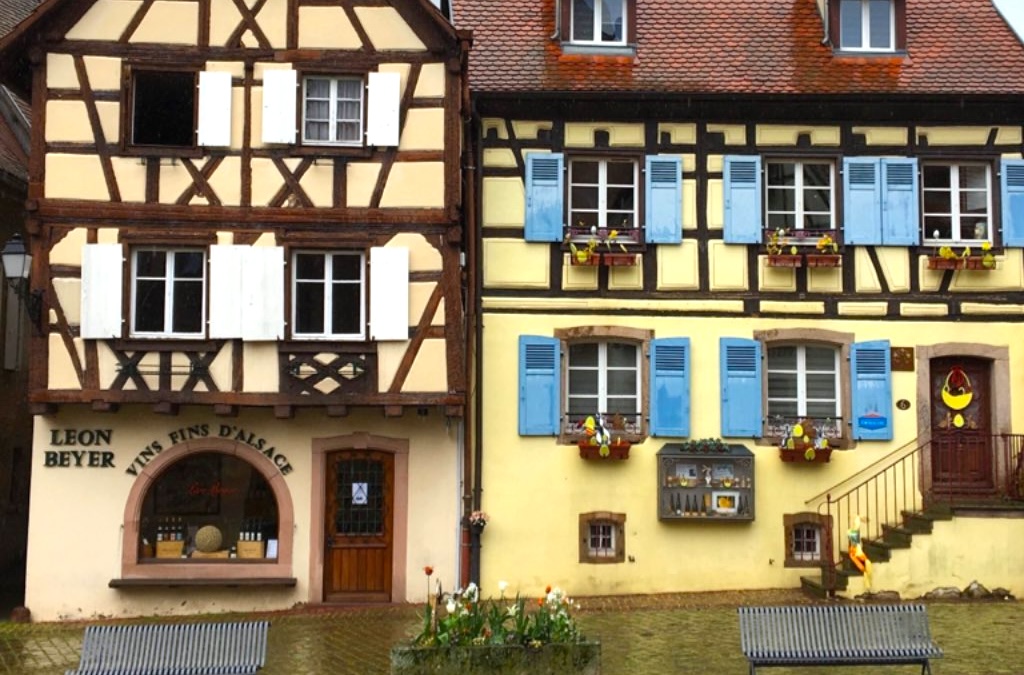
If there is one country that never ceases to surprise, it is France. And we say this with total conviction, because we have been traveling the world as digital nomads for over eight years and have lived in several French cities: Carcassonne, Bordeaux, Menton, Ciboure, Annecy, Strasbourg, in the heart of Provence… Yes, France is one of those destinations that truly captivates you. That’s why, when people ask us things to do in France, we find it almost impossible to summarize it in a few words. But we’ll try.
In this guide, we gather the places that left the biggest mark on us, the corners that will take your breath away, and also some small villages that might not appear on every itinerary but that we visited and can recommend with full knowledge of the facts. From the vineyards of Alsace to the turquoise waters of Lake Geneva, there is a France for every type of traveler.
🌍 Travel Insurance: 5% Off with IATI Seguros! 🌟
Take advantage of this offer and travel safe.
Why France Is One of the Best Destinations in the World
France is the most visited country on the planet, and it’s no coincidence. Its geographical diversity is astonishing: in a few hours you can go from Mediterranean beaches to snowy Alps, from the lavender fields of Provence to the endless vineyards of Bordeaux. Add to that a gastronomy that is Intangible Cultural Heritage of Humanity according to UNESCO, an architecture that ranges from the purest Romanesque to the most exuberant Art Deco, and a quality of life that many countries frankly envy.
But beyond the great icons, what we like most about France is that each region has its own identity, its own dialect, its own cuisine. Alsace is nothing like the French Riviera. Brittany is a world apart compared to the Dordogne. That regional richness is what makes there always be something new to discover, no matter how many times you have already been.
Things to do in France: The Essential Destinations
Paris, the City of Light That Always Makes You Fall in Love
Let’s start with the obvious, though no less impressive. Paris is one of those cities that, no matter how many thousands of photos you’ve seen, still leaves you speechless when you experience it in person. The Eiffel Tower, the Louvre, Notre-Dame, the Latin Quarter, Montmartre with its Sacré-Cœur and its bohemian alleys… the list is endless.
But Paris is also walking aimlessly through Le Marais, sitting on a terrace with a café au lait, exploring the flea markets of Saint-Ouen, or crossing the Pont des Arts at sunset. It is a city meant to be enjoyed on foot, neighborhood by neighborhood, without hurry.
If you go for the first time, spend at least four or five days. If you’ve been before, you know perfectly well that there is always something new to discover.
Alsace and Its Storybook Villages: Eguisheim, Riquewihr, and Kaysersberg
Alsace is, without a doubt, one of the regions that made us fall in love the most with all of France. We lived in Strasbourg for a season and took advantage of every weekend to explore the famous Alsace Wine Route, which connects dozens of absolutely fascinating medieval villages.
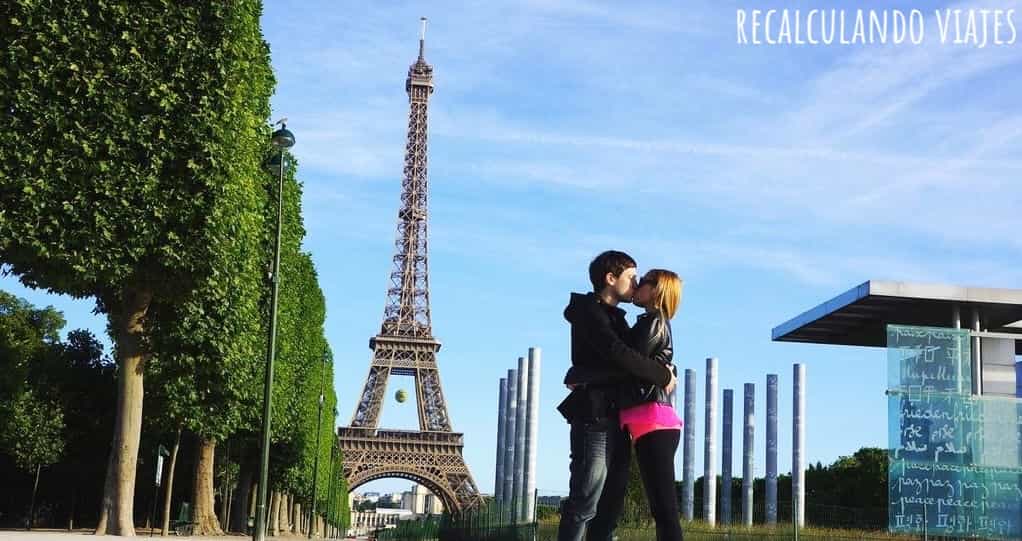
Eguisheim is perhaps the most photogenic of them all. Its half-timbered houses painted in pastel colors, its narrow streets that form a perfect circle around the historic center, and its pots overflowing with flowers (in summer) make it a living postcard. You can read our complete guide on things to do in Eguisheim to properly plan your visit.
➜ More Info: Things to do in Eguisheim
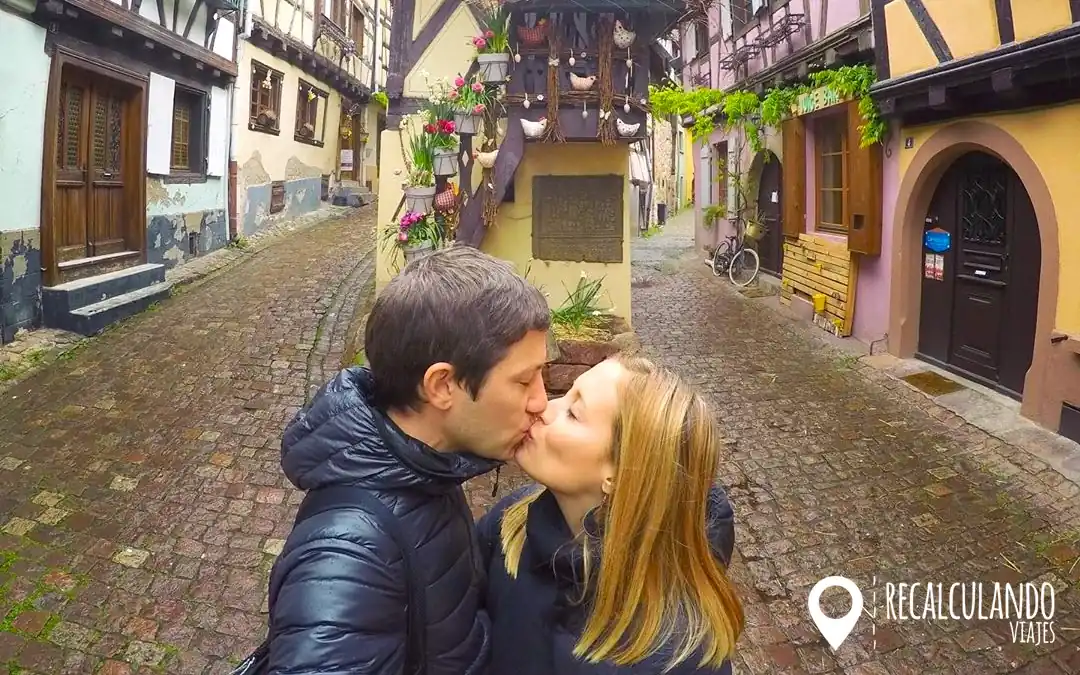
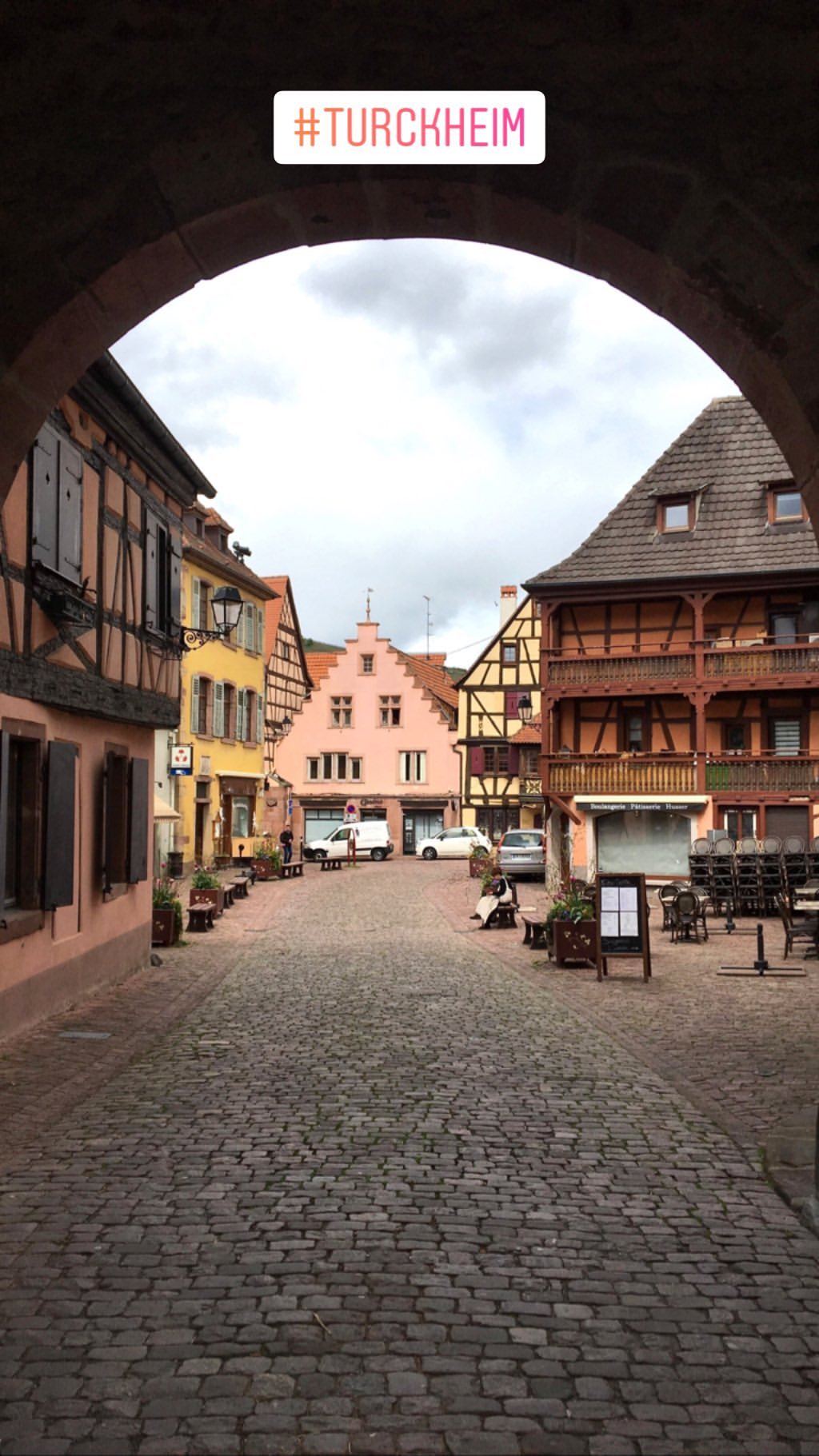
Riquewihr is another must-see, known for its wineries and almost intact medieval architecture. Kaysersberg, the birthplace of Albert Schweitzer, also deserves a stop. And if you arrive in winter, the Christmas markets throughout the region are simply magical. Don’t miss Ribeauvillé and Turckheim either, two less crowded jewels that are equally worth it.
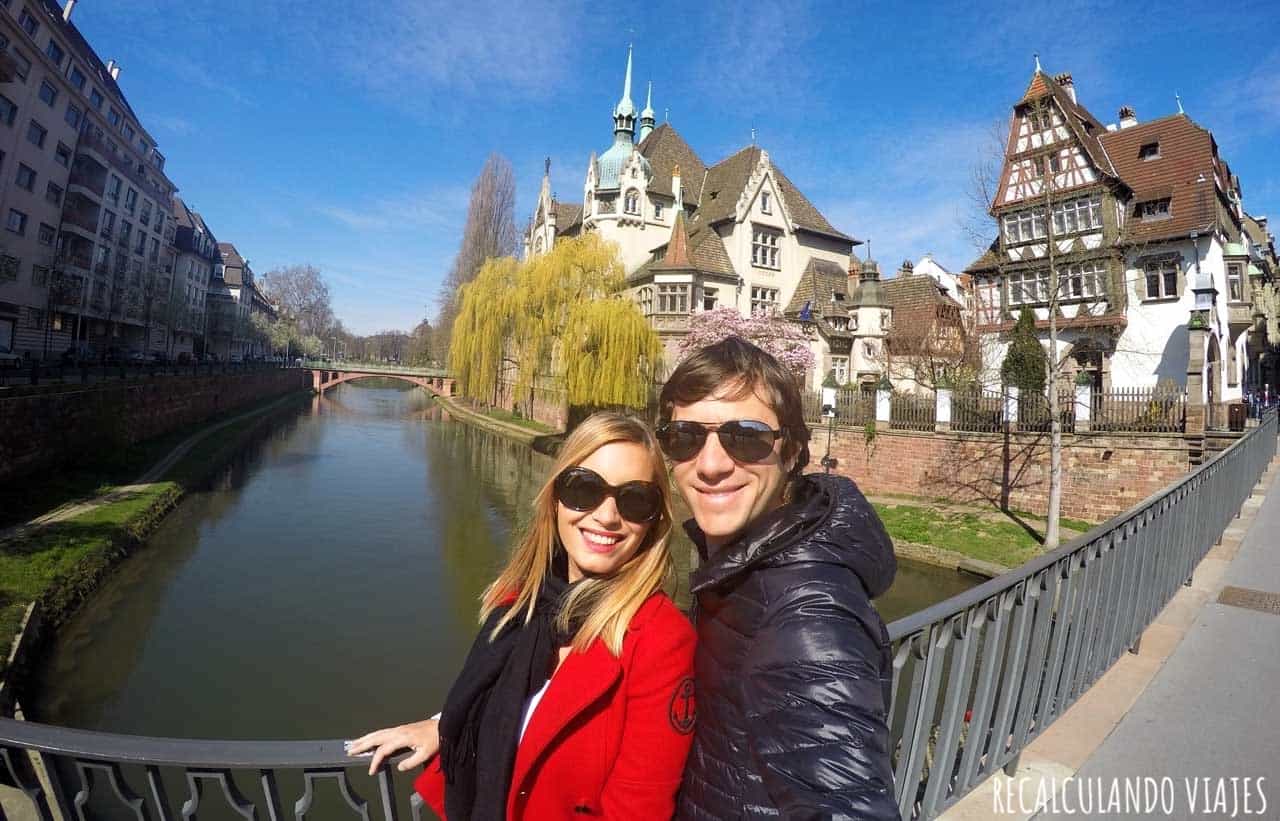
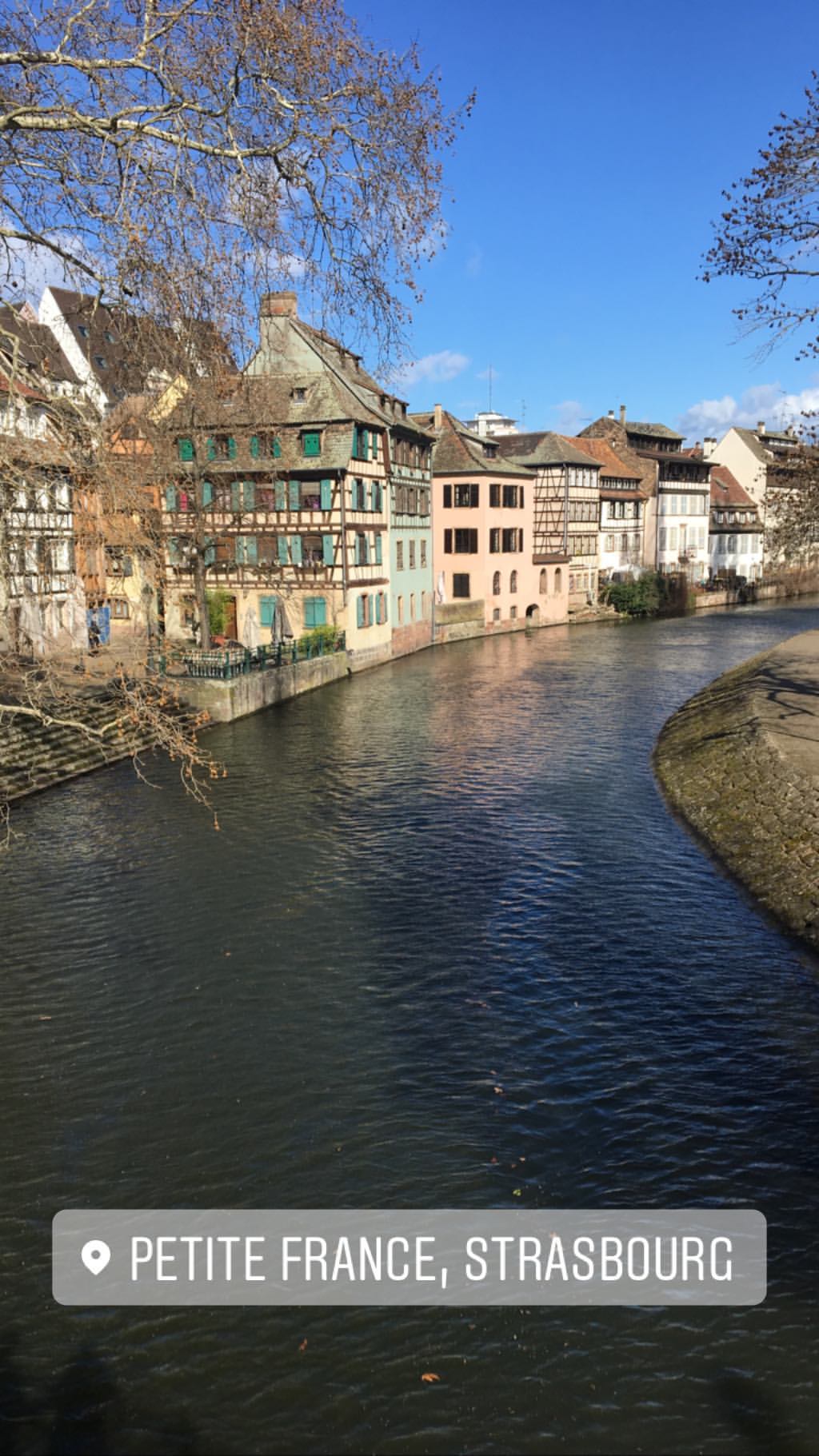
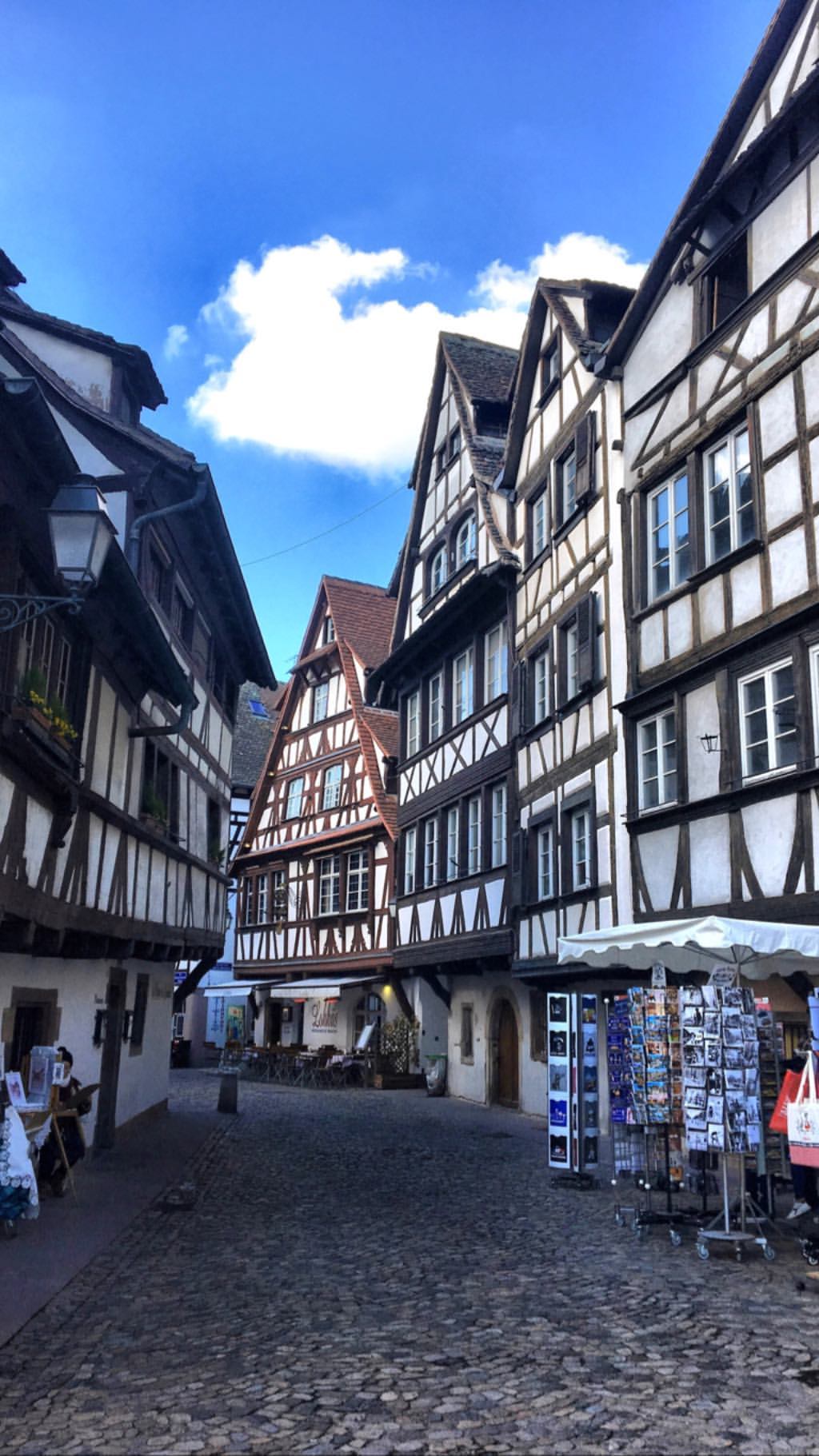
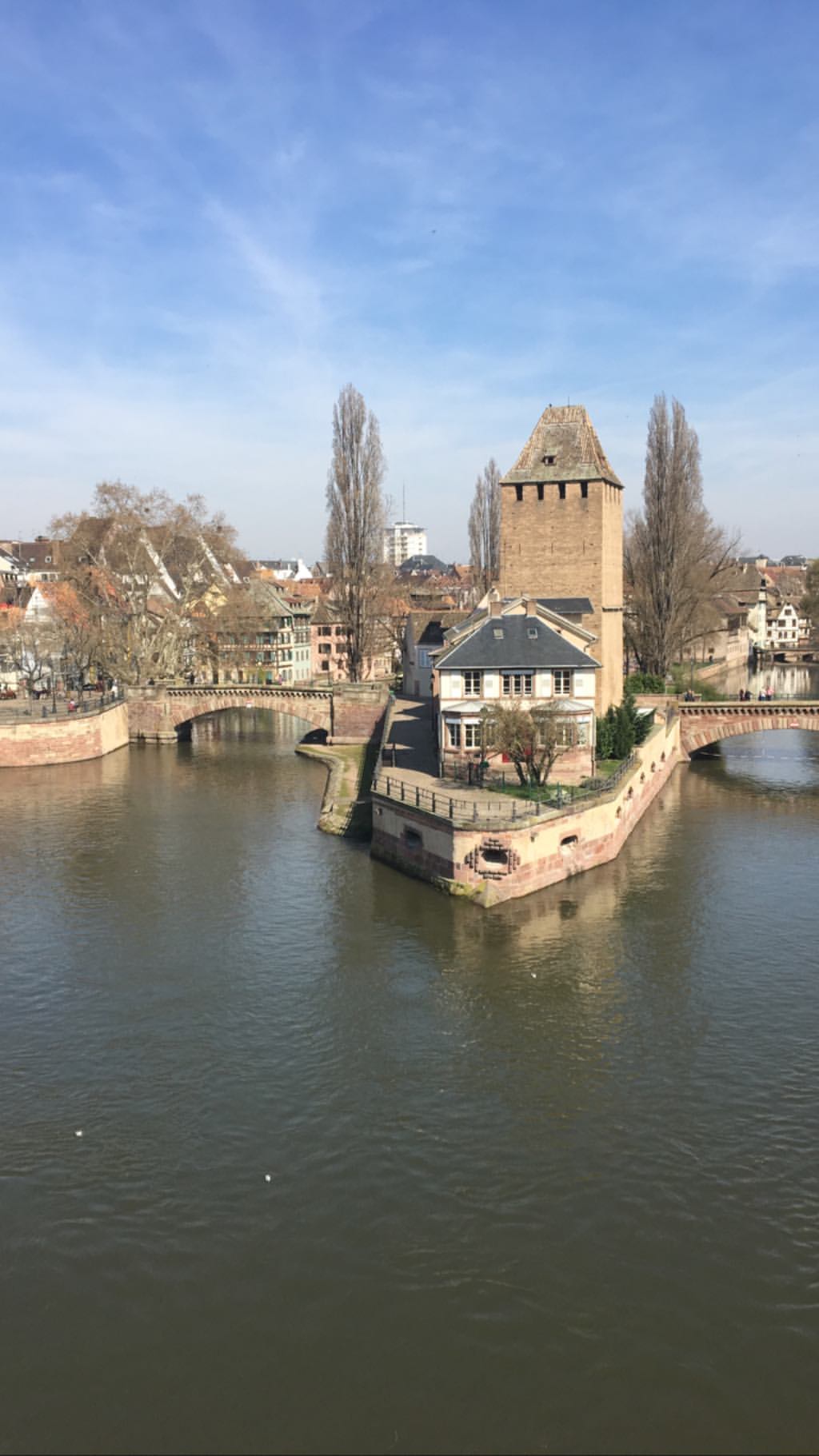
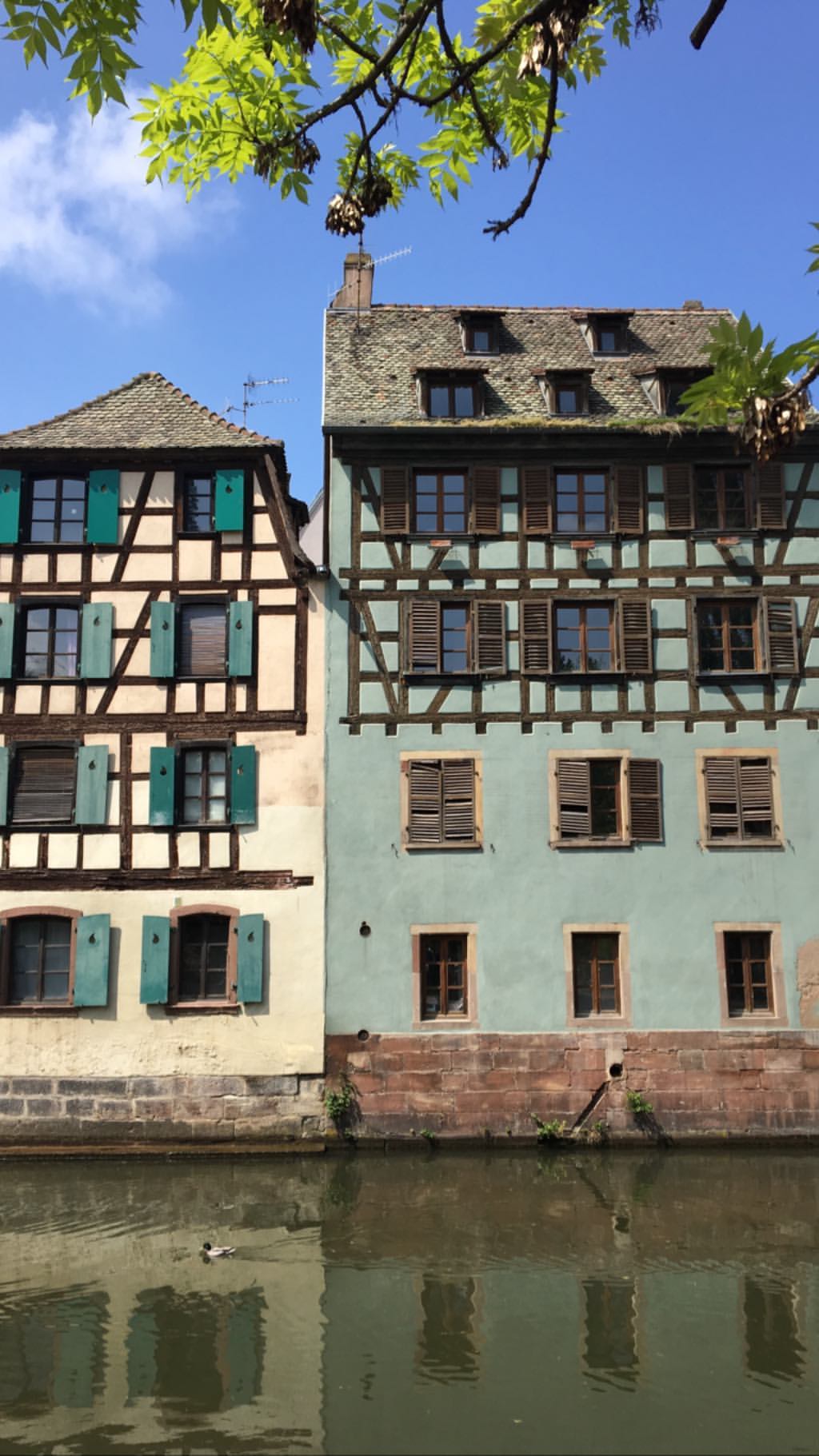
Strasbourg, the regional capital, deserves at least two full days. Its Gothic cathedral, the La Petite France neighborhood with its canals and Alsatian architecture, and the Palace of Europe are just some of the attractions. We have a detailed guide on things to do in Strasbourg that you will find very useful.
➜ More Info: Things to do in Strasbourg
Yvoire: The Medieval Village on the Shores of Lake Geneva
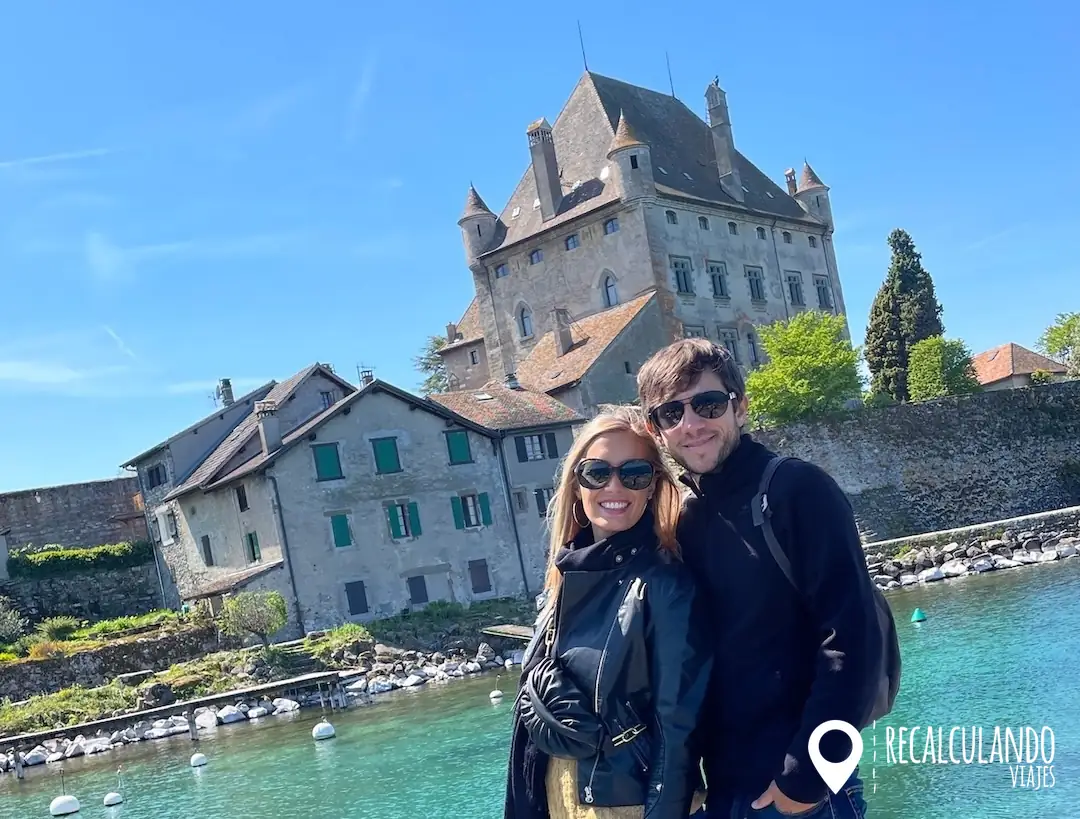
Yvoire is one of those places that, when you see it for the first time, you think it is too beautiful to be real. This small medieval village looks directly over Lake Geneva (also known as Lac Leman) and has that particular magic of villages that seem to have stopped in time.
Its 14th-century walls, its cobbled alleys, its castle, and its views of the lake with the Alps in the background are simply spectacular. In summer, Yvoire is filled with tourists who arrive by boat from Geneva or Lausanne, so if you can, visit it early in the morning or in the low season.
From Yvoire you can also take the ferry to Nyon or Lausanne in Switzerland, which makes it an ideal excursion if you combine France with Switzerland. We will talk more about that in the practical tips section.
➜ More Info: Things to do in Yvoire
👩⚕️👨⚕️ A must-have for stress-free travel! 🌎✈️ ➜ Get a Quote, Compare & Buy
Provence: Lavender, Light, and Villages High on the Hills
Living in Provence is one of those privileges that we do not easily forget. The region has a particular light —that golden light that inspired Van Gogh and Cézanne so much— and a rhythm of life that invites you to slow down.
The lavender fields in bloom between June and July are one of the most visited natural spectacles.
Avignon, with its imposing Palace of the Popes and its famous bridge, is the cultural capital of the region. Les Baux-de-Provence, Gordes, Roussillon, and Ménerbes are some of the villages perchés (villages perched on high) that you have to see no matter what. The Pont du Gard, a perfectly preserved 1st-century Roman aqueduct, is another absolute must-see.
The French Riviera: Menton, Nice, and the Glamour of the Mediterranean
We lived for a time in Menton, that border city between France and Italy that has a bit of both worlds and which, curiously, many travelers overlook in favor of Nice or Monaco. And it is a mistake. Menton has an absolutely charming pastel-colored historic center, markets full of life, lemon trees everywhere, and a quiet beach that invites you to stay.
Nice, of course, is a must: the Vieux Nice with its ocher and yellow facades, the Cours Saleya with its flower market, the Promenade des Anglais… And if you have a free day, the train trip along the corniche to Monaco or Eze is one of the most cinematic experiences in all of southern France.
Bordeaux and the Wine Region
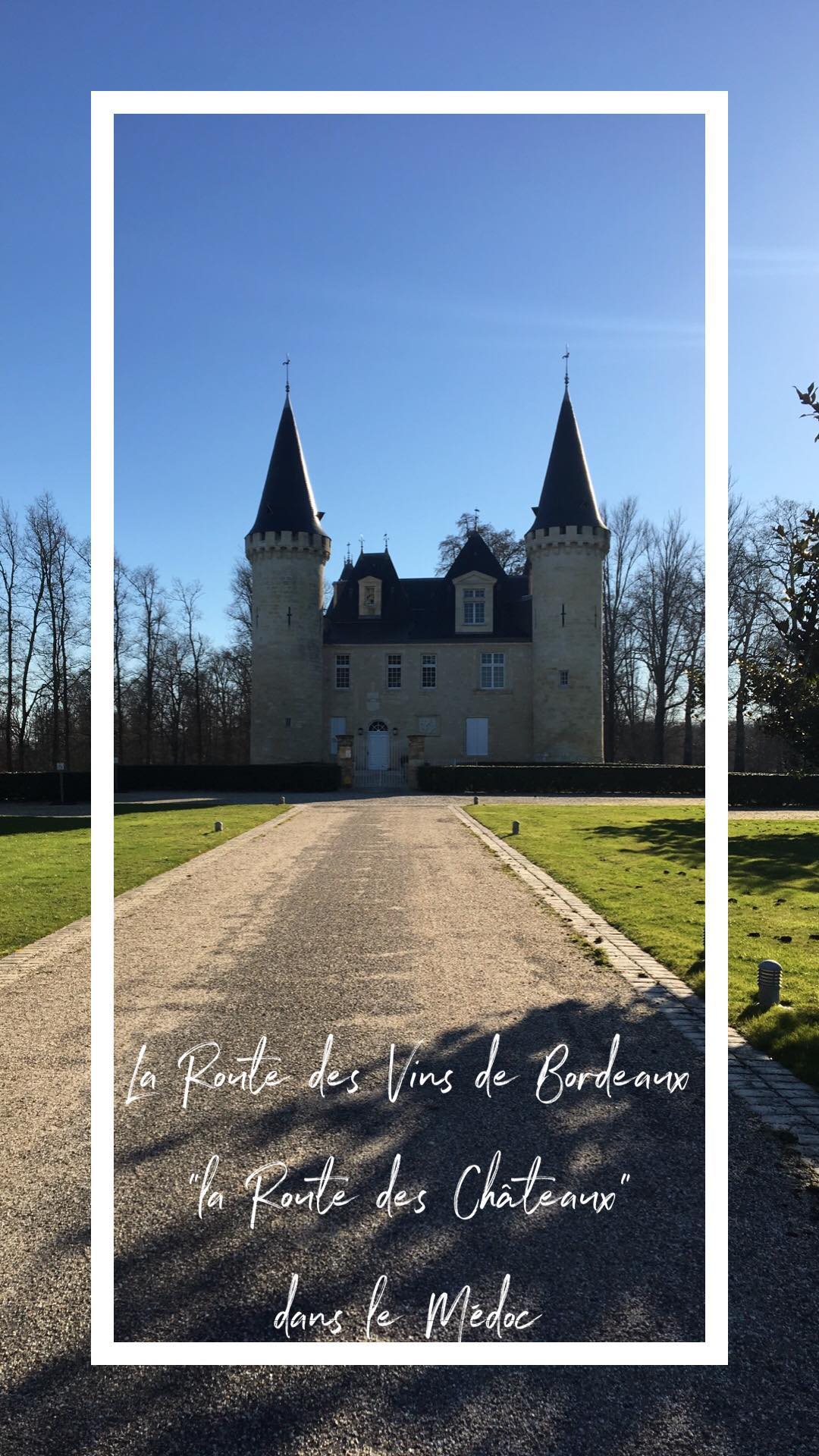
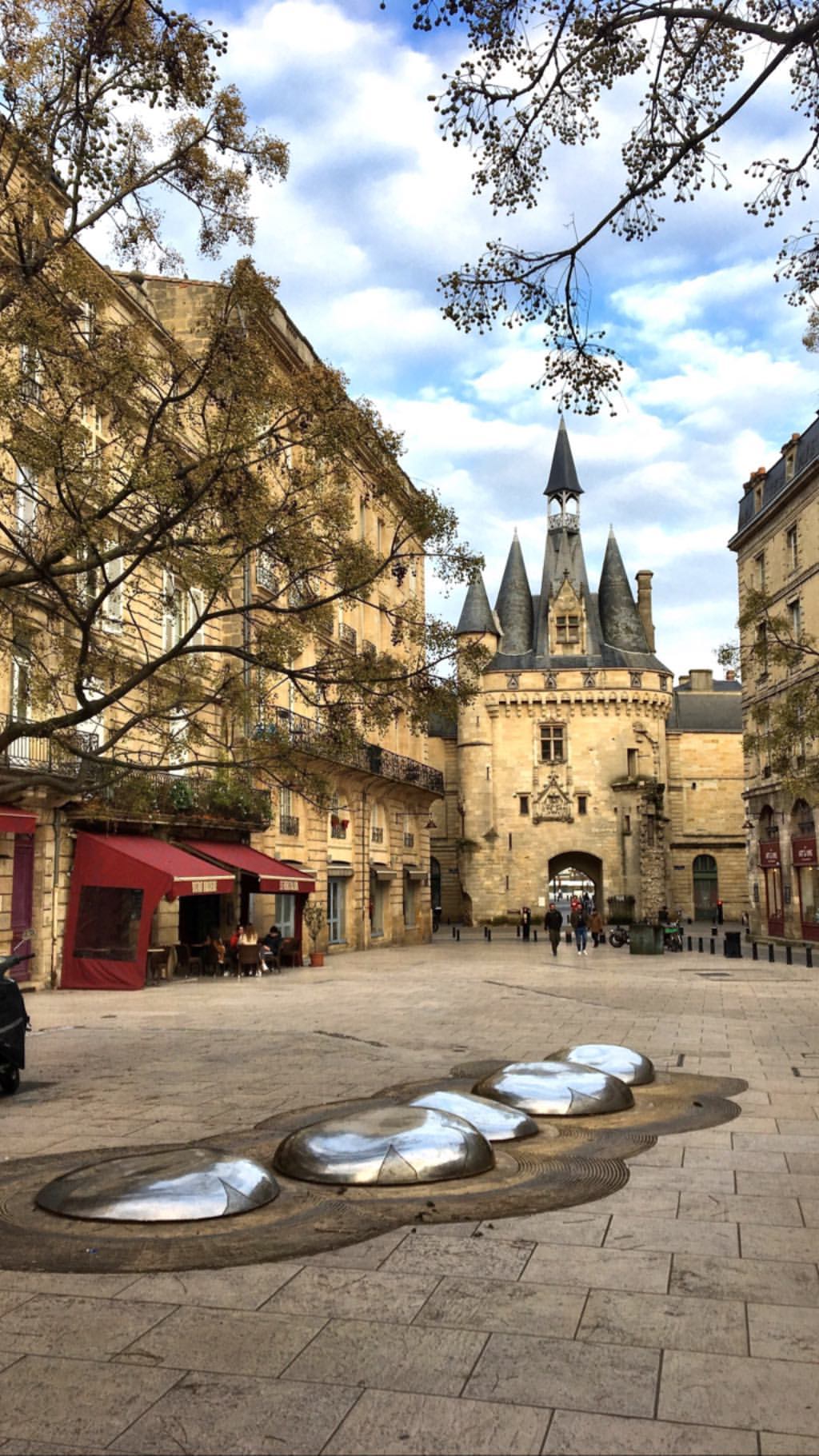
Bordeaux was our base for several months and we loved its combination of architectural elegance and vibrant gastronomic scene. The entire city is a UNESCO World Heritage Site, and its historic center —with its Cité du Vin, its Grand Théâtre, and its endless wineries— justifies the visit amply.
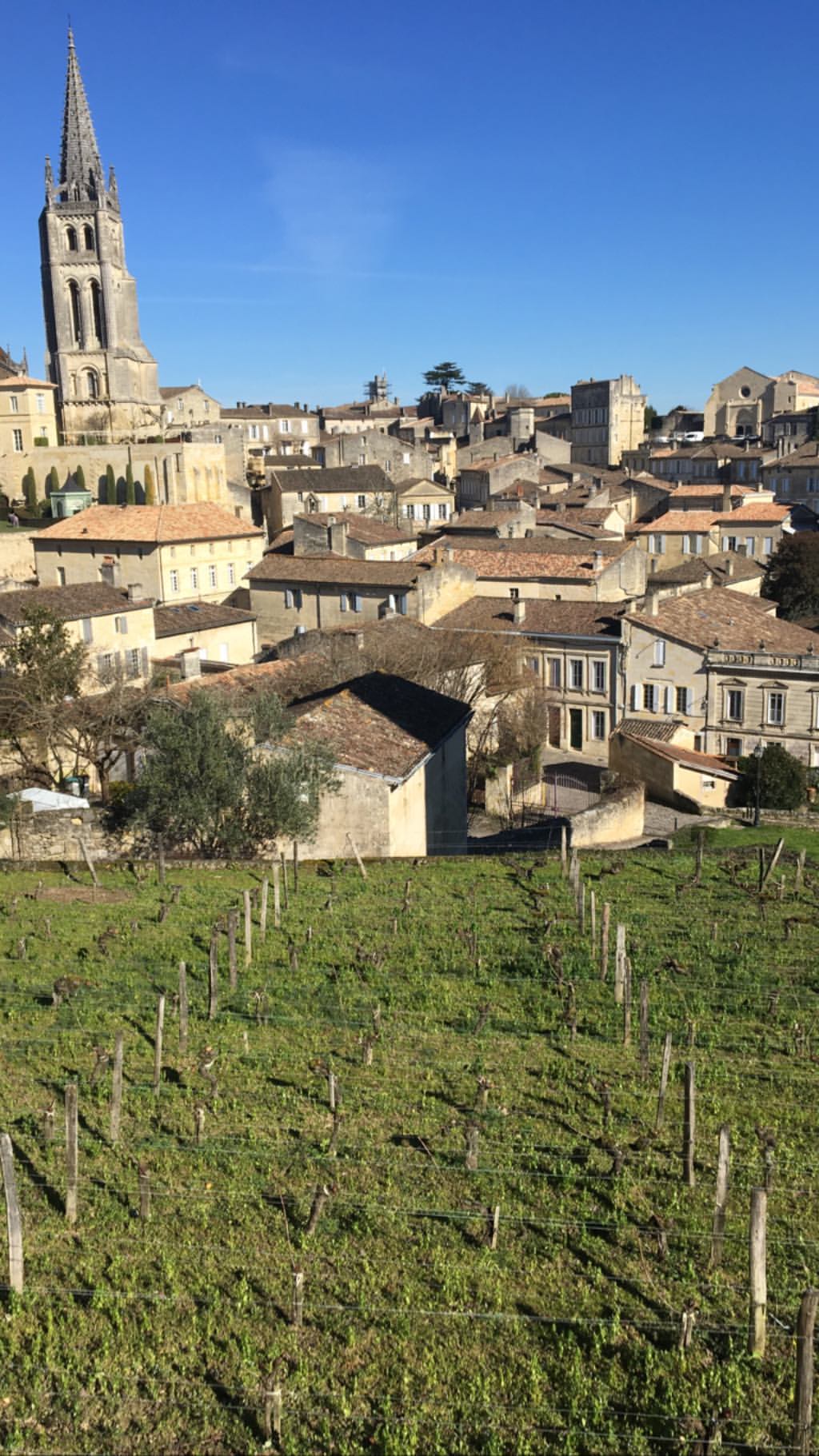
But around Bordeaux is what many consider the most prestigious wine region in the world. Saint-Émilion is one of the most beautiful medieval villages in France: its rock-cut churches, its centuries-old wineries, and its cobbled streets are a delight. You also have to visit Médoc, Pomerol, and Sauternes if you are a wine lover.
The French Basque Country: Biarritz, Bayonne, and Ciboure
This region, which locals call Iparralde, has a very distinct identity of its own that sets it apart from the rest of France. We lived for a time in Ciboure, the small hometown of Maurice Ravel, right next to Saint-Jean-de-Luz. It is a place of tranquility and beauty that disarms you.
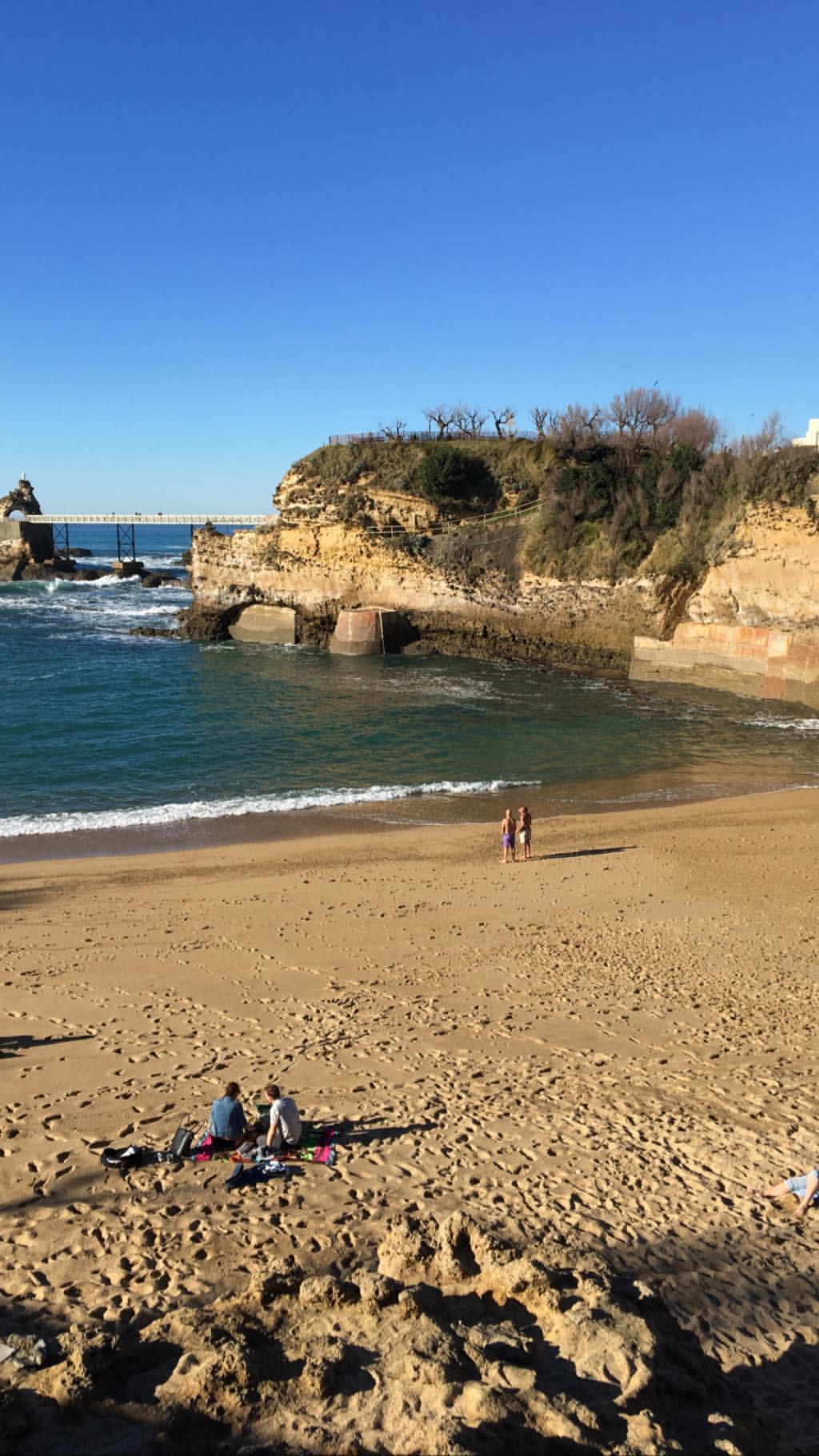
Biarritz is glamorous and surf-friendly at the same time, with its Atlantic beaches, its casino, and its Belle Époque architecture. Bayonne, with its medieval walls and characteristic arcades, is perfect for getting lost for a couple of hours. And if you can, cross the border to San Sebastián: the combination of both sides of the Basque Country is one of the best gastronomic experiences in Europe.



The French Alps: Annecy and Chamonix
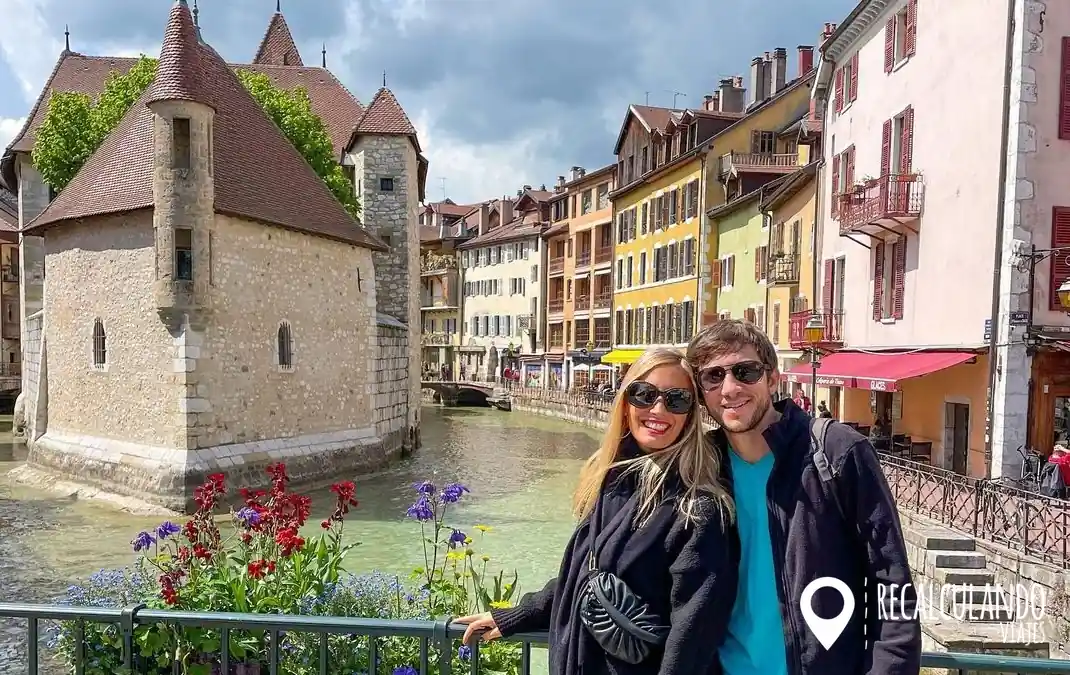
Annecy is, without exaggeration, one of the most beautiful cities we have seen in our lives. We lived there for a season and we still find it hard to believe that that turquoise blue of the lake is real. The historic center with its canals and flowers, the Château d’Annecy, the Tuesday and Friday markets, the cycling routes around the lake… Annecy is perfect at any time of the year.
➜ More Info: Things to do in Annecy
Chamonix, at the foot of Mont Blanc, is the paradise of mountaineering and mountain sports. The cable car to the Aiguille du Midi offers absolutely breathtaking views. Even if you are not a skier or mountaineer, just going there and being surrounded by that monumental scale of mountains is worth the trip.
The Dordogne and Périgord: Prehistory and Castles
The Dordogne Valley is one of France’s best-kept secrets (though less and less so). Its limestone cliffs, its medieval castles reflected in the river, and its villages like Sarlat-la-Canéda or Beynac make it a region perfect to explore by car for several days.
The Lascaux cave, with its cave paintings from 17,000 years ago, is one of the most important archaeological sites in the world. Today Lascaux IV is visited, a faithful reproduction that is equally impressive. The region is also known for its foie gras, truffles, and walnuts —the local gastronomy is on another level.
Brittany: The End of the Atlantic World
Brittany is France but with a Celtic soul. Its rugged coasts with cliffs, its lighthouses, its fishing villages, and its gastronomy (buckwheat galettes and cider are mandatory) make it an absolutely different destination from the rest of the country. Mont-Saint-Michel, although technically on the border with Normandy, is one of the most spectacular monuments in all of Europe: that islet crowned by a medieval abbey that seems to float on the waters deserves a special trip.
Collioure and the Eastern Pyrenees
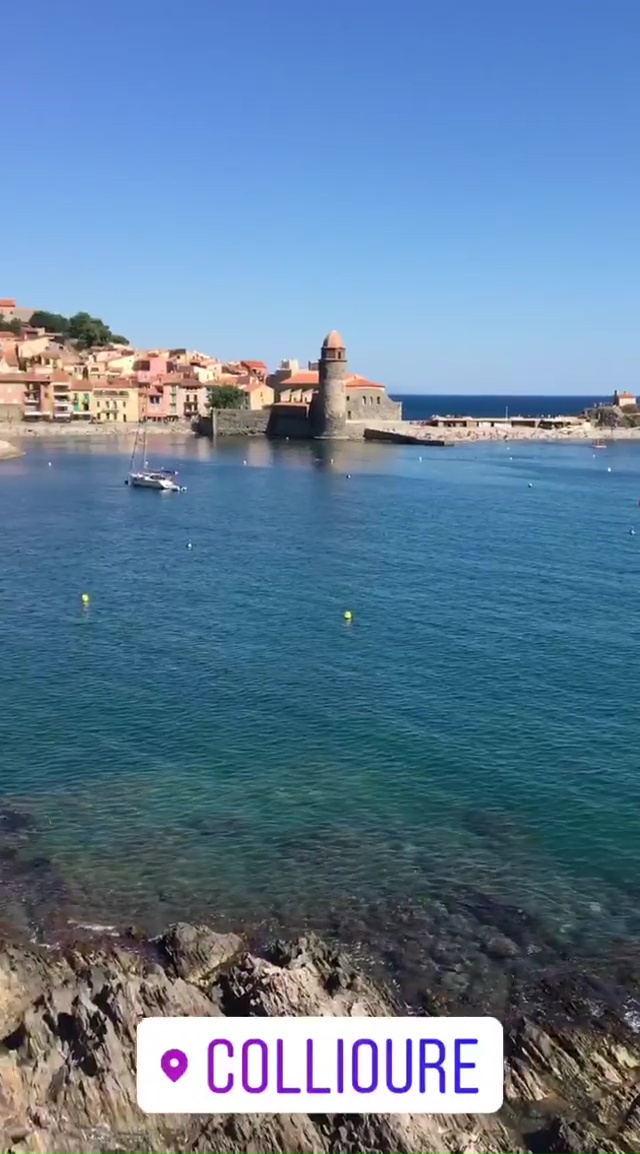
Collioure is that village that everyone knows from the Fauvist paintings of Matisse and Derain, and which remains as photogenic today as it was then. Its colorful little houses, its royal castle, its church with the bell tower that doubles as a lighthouse, and its transparent Mediterranean waters make it a mandatory stop if you travel through southern France.
The Eastern Pyrenees region, also known as Northern Catalonia, has a very particular identity that mixes French with Catalan. Ceret, with its cherry blossoms in spring, and the Saint-Martin-du-Canigou abbey are two other attractions worth seeking out.

Albi and Cordes-sur-Ciel: Jewels of the Midi
Albi, declared a World Heritage Site, surprises with its red-brick cathedral —the largest in the world in that material— and its equally reddish historic center that is reflected on the Tarn River. The Toulouse-Lautrec Museum, installed in the episcopal palace, is an unmissable cultural jewel.
➜ More Info: Things to do in Albi
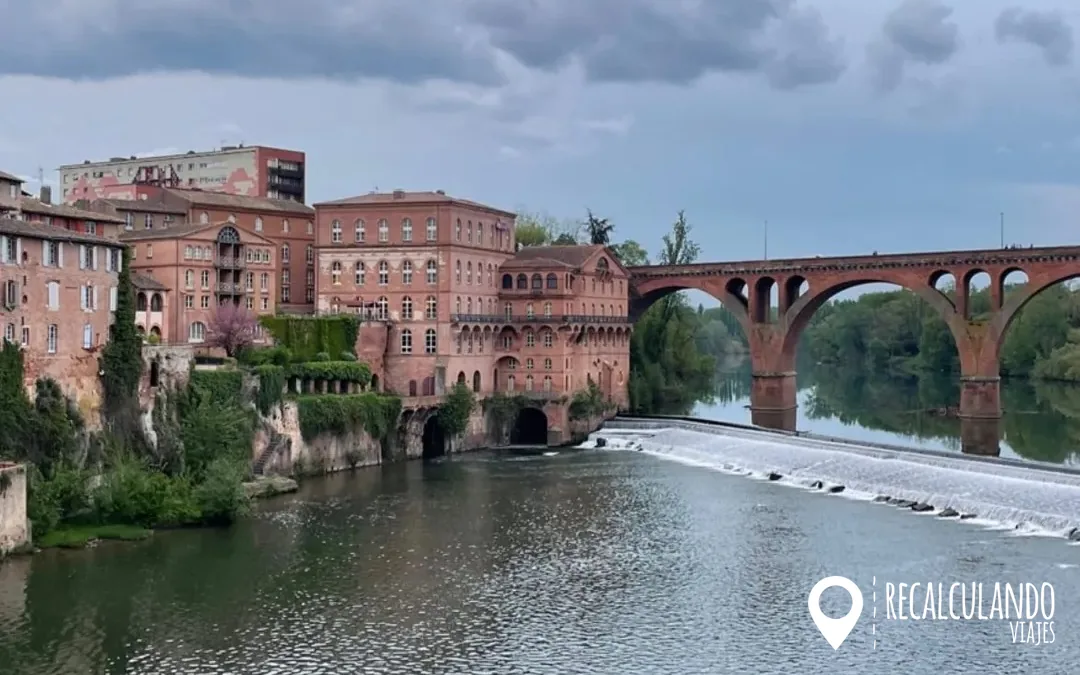
A few kilometers away, Cordes-sur-Ciel (“cords above the sky”) lives literally among the clouds. This medieval village perched on top of a hill has an almost mystical atmosphere, especially when the fog rolls in in the morning and the village seems to float. It is one of the Plus Beaux Villages de France (the most beautiful villages in France) and we understand it perfectly.
Carcassonne: The medieval fortress
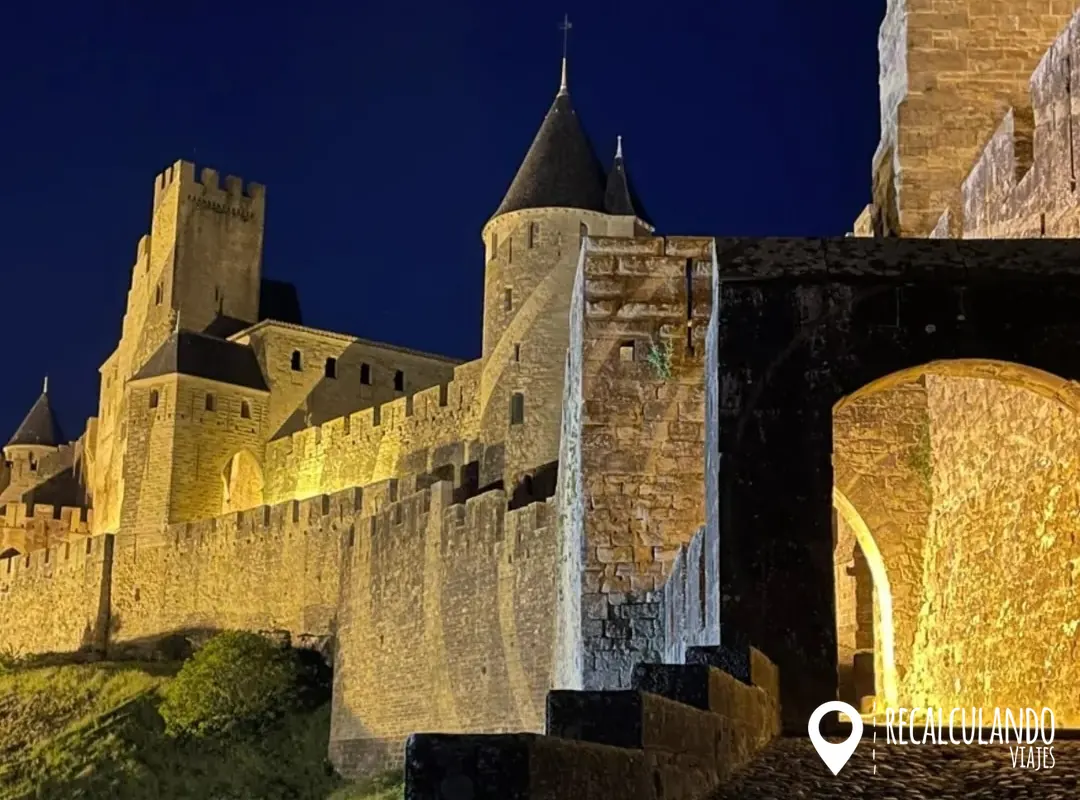
Carcassonne is one of those places that leaves you speechless the first time you see it. We lived there for a little over a week and never quite got used to the spectacle of arriving at the Cité at sunset, when the golden light spills over its medieval towers and its double 13th-century walls.
Declared a UNESCO World Heritage Site, this walled city in southern France is the best-preserved medieval fortress in Western Europe. Walking through its cobbled alleys, crossing the Pont Vieux over the Aude River, and getting lost among its towers and bastions is literally traveling to the Middle Ages.
That said: if you can, avoid the tourist center in July and August, when the overcrowding takes away some of the magic. Instead, staying overnight inside the Cité or nearby and experiencing it at night, almost empty, with the walls illuminated, is an experience you won’t forget.
➜ More Info: Things to do in Carcassonne
Stories, photos, videos, places, tips, and advice for traveling to France.
Things to do in Bayonne France: Essential 1-day guide (2026)
If you are planning things to do in Bayonne France, let us tell you that this Basque city hides much more than meets the eye. We visited it on a day trip from Bordeaux, where we lived for almost two months, and we were completely surprised. Narrow streets full of...
🇫🇷 Travel with the stories! Oh là là! – Bon Voyage… 🇫🇷










Things to do in France According to the Time of Year
Spring (March to May)
Perhaps the best time to travel: the weather is pleasant, the fields begin to bloom, and there are fewer tourists than in summer. It is ideal for visiting Alsace, Provence (before the lavender), and the Périgord.
Summer (June to August)
The high season par excellence. The lavender fields of Provence are in their prime in July. Yvoire, the French Riviera, and the musical and cultural festivals are its great protagonists. Expect crowds in the best-known places.
Autumn (September to November)
It is the grape harvest in Alsace, Bordeaux, and Burgundy. The forests are tinged with spectacular warm colors. Tourism drops significantly and so do prices. One of our favorite times to travel through France.
Winter (December to February)
The Christmas markets of Alsace (especially in Strasbourg and Colmar) are among the most famous in Europe. The Alps become a skiing paradise. Paris in winter has a special magic with its Christmas decorations.
How to Get Around France
France has a high-speed train network (TGV) that connects the main cities very efficiently. Paris-Bordeaux is only 2 hours, Paris-Lyon 2 hours, Paris-Marseille 3 hours. For the more rural regions —the Périgord, the villages of Alsace, the interior Basque Country— it is highly recommended to rent a car.
If you plan to visit several cities, the Interrail Pass can be a convenient option. To get around within cities, public transport is usually excellent. And if France is part of a wider trip through Europe, check our guide on the best travel insurance for Europe, which will be very useful.
Gastronomy: What to Eat in France
French cuisine is, simply put, one of the greatest of humanity. But beyond the clichés of foie gras and the baguette, each region has its own specialties that deserve to be explored. In Alsace, choucroute garnie (sauerkraut with sausages) and tarte flambée (flammkuchen) are unmissable. In Bordeaux, seafood and entrecôte à la bordelaise. In Brittany, crepes and galettes. In Provence, ratatouille, bouillabaisse, and pastis.
As for cheeses —which are more than 400 varieties— and wines, the best thing is to simply let yourself be carried away by what each region has to offer. A good plateau de fromages with a glass of local wine is one of the most pleasurable experiences you can have in this country.
Practical Tips for Visiting France
- Language: French is the official language and the French really appreciate it when tourists make the effort to say at least “bonjour” and “merci”. A small gesture that opens many doors.
- Currency: Euro. Credit cards are accepted practically everywhere, but in markets and small villages it is convenient to have cash.
- Transport: The train is your best ally for long distances. To explore rural areas, rent a car.
- Reservations: In summer and during the Alsace Christmas markets, book accommodation well in advance. The most popular spots fill up quickly.
- Travel insurance: We always recommend traveling with good insurance. You can compare options in our section on best travel insurance.
- Tipping: Not mandatory in France (service is already included in the bill), but appreciated if the service was good.
France and Switzerland: The Perfect Combination from Yvoire
One of the fantastic things about being in the Lake Geneva region is that you can easily take excursions to Switzerland. From Yvoire, in less than an hour by boat, you reach Lausanne or Geneva. Lausanne, with its medieval old town, its Gothic Cathedral, and the MUDAC (Museum of Contemporary Design and Applied Arts) is well worth a full day. Geneva, home to the United Nations, has the Jet d’Eau as an iconic postcard and an extraordinary cultural and gastronomic offer.
If you combine this region with Annecy —which is less than an hour by car from Yvoire— you have one of the most beautiful circuits of the Franco-Swiss Alps.
Videos – What to do in France?
Strasbourg! A storybook city
Collioure, beach and castle
Frequently Asked Questions about Things to do in France
How many days do I need to visit France?
France is so big and diverse that you could spend months and not see it all. For a first visit with Paris and one additional region, count on at least 10 days. If you want to combine several regions —Alsace, Provence, the French Riviera, and the Alps, for example— you need at least 3 weeks.
What is the best time to visit France?
Spring (April-May) and autumn (September-October) are the ideal times: good weather, fewer tourists, and more affordable prices. Summer is ideal for the lavender of Provence and the beach, but expect crowds in the most popular destinations. Winter is perfect for the Christmas markets of Alsace and skiing in the Alps.
Is it expensive to travel through France?
France can be expensive if you stay in Paris and luxury hotels, but there are ways to travel on a moderate budget. Rural regions are usually cheaper than cities. Markets and boulangeries are very economical options to eat well. Train transport, booked in advance, can be very convenient.
Which French villages can I not miss?
France has an official classification called “Plus Beaux Villages de France” (The most beautiful villages in France) with more than 170 locations. Among those we recommend with total conviction: Eguisheim, Riquewihr, and Kaysersberg in Alsace; Gordes and Les Baux-de-Provence in Provence; Cordes-sur-Ciel in the Tarn; Beynac and Sarlat in the Dordogne; and Collioure on the Mediterranean.
What to do in France in a week?
With one week, the most realistic thing is to focus on one or two regions. A classic option: 3 days in Paris + 4 days in Alsace (Strasbourg + wine route). Another option: 2 days in Lyon + 4 days in Provence + 1 day on the French Riviera. Trying to see everything in a week just leads to rushing and exhaustion.
Do I need a visa to enter France?
It depends on your nationality. Citizens of the European Union do not need a visa. Citizens of many Latin American countries can enter without a visa for up to 90 days within the Schengen area. Always check the updated requirements according to your passport before traveling.
Conclusion: France, A Country for a Lifetime
After years of traveling the world, France remains one of those destinations that never tires us. Each region has something different to offer, each village has its own story, and gastronomy —that common thread that runs through the whole country— is always one more reason to return.
If you are thinking about things to do in France, our recommendation is simple: choose a region, take it easy, walk without haste, sit on the terraces, taste the local cheeses and wines, and let yourself be surprised. France is not exhausted in the great icons; its true magic is in the details.
To plan your trip in more detail, check our guide on how to plan your trip and our section dedicated to all our articles about France. Bon voyage!
You might also be interested in:
Bratislava in one day: the best walking route, hour by hour (Map)
Visiting Bratislava in one day is completely possible: the old town is one of the smallest in Europe and can be walked entirely on foot. In this guide, we leave you our hour-by-hour route, with the must-sees, where to stop for lunch, and how much time to spend at each...
From Vienna to Bratislava: train, boat, bus, or tour
Going from Vienna to Bratislava is one of the easiest getaways in Europe: the two capitals are only 80 km apart and you can travel by train, by boat along the Danube, by bus, by car, or with a guided tour. In this guide, we compare the five options with travel times,...
Things to do in Bratislava at Christmas 2026: markets, lights, and a complete guide to Slovakia
Introduction: Bratislava, a European jewel that shines at Christmas If you are wondering things to do in Bratislava at Christmas, get ready to discover one of the most underrated yet charming capitals in Europe. We visited the city in December, when the cold sets in...

Things to do in Dublin at Christmas: 2026 Guide with 18 Magical Experiences
Introduction: Dublin at Christmas, a city with soul If you are planning to travel to Dublin in December, you are probably wondering about things to do in Dublin at Christmas and whether it's really worth braving the cold. Spoiler: yes, it is absolutely worth it....
Fuerteventura Airport to Corralejo: how to get there
To get from Fuerteventura airport to Corralejo you have four options: bus with a transfer, taxi, private transfer, or rental car. It is about 36 km towards the north of the island, and depending on which one you choose, it will take you from half an hour to over an...

Things to do in Chiang Mai: Essential guide with 25 must-sees
Introduction to Chiang Mai If you are planning a trip through northern Thailand, this question is surely already on your mind: things to do in Chiang Mai. And we'll let you in on a secret: much more than you imagine. This city was one of our favorites in Southeast...
ℹ️ **Total Transparency**
This article contains affiliate links. If you book through these links, we may receive a small commission at no additional cost to you. We only recommend services that we use on our travels and trust. This helps us keep this blog free and continue creating useful content for you. Thanks for your support!
🔗 Resources & Useful Links for your trip to France
Do you have any doubts or want to add your own recommendations on things to do in France?
💬 Leave your comment or write to us, we love reading other travelers’ experiences.
Thank you very much for being part of this adventure!— Nanu & Facu 🌎 | Recalculando Viajes 💜